What Is A Sorraia Horse
The Sorraia horse is a rare primitive breed linked to Portugal and the Iberian Peninsula’s older equine types. This breed stands out for its dun color and leg barring that can look zebra-like. Many rare breed enthusiasts value it because it preserves traits that appear well adapted to rugged outdoor living.
Compared with more modern sport or draft lines, the Sorraia horse often shows a compact, functional build. It typically carries camouflage-style markings that help the coat blend into varied habitats. For people focused on equine conservation, its small population also makes it a high-priority subject.
Origin In Portugal And Primitive Type
The Sorraia horse traces back to Portugal, where local researchers and horsemen observed horses with consistent primitive coat features. The primitive type reference matters because it describes how the horse looks and behaves rather than a single modern production goal. Over time, the breed gained attention due to the clarity of its markings.
Many descriptions place the breed within ancient Iberian horse lines. That connection does not mean the horses today are living fossils, but it does mean the traits resemble older patterns. As a result, Sorraia history often connects directly to how breeders tried to preserve type.
Key Visual Traits At A Glance
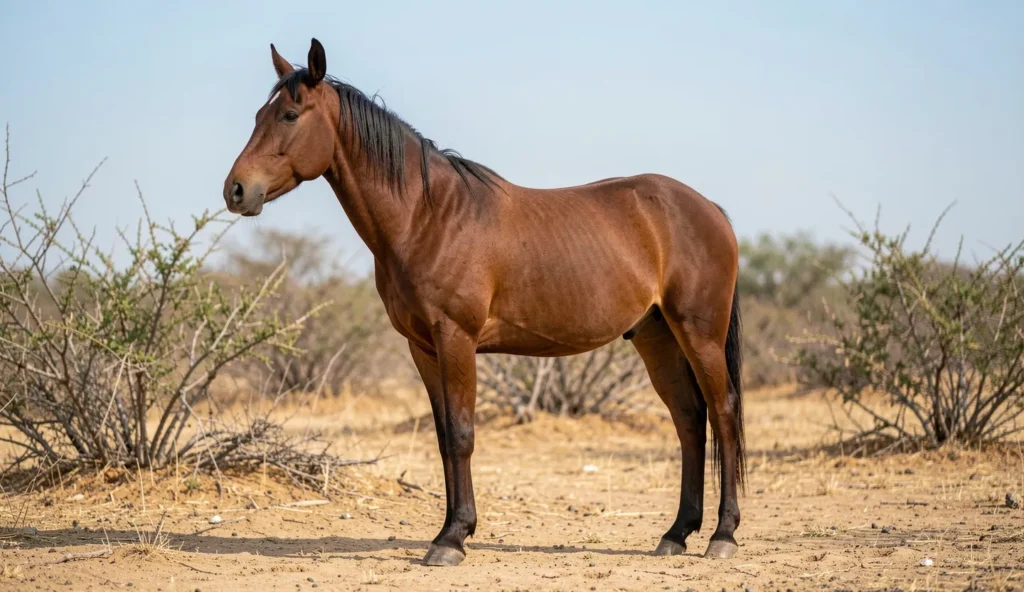
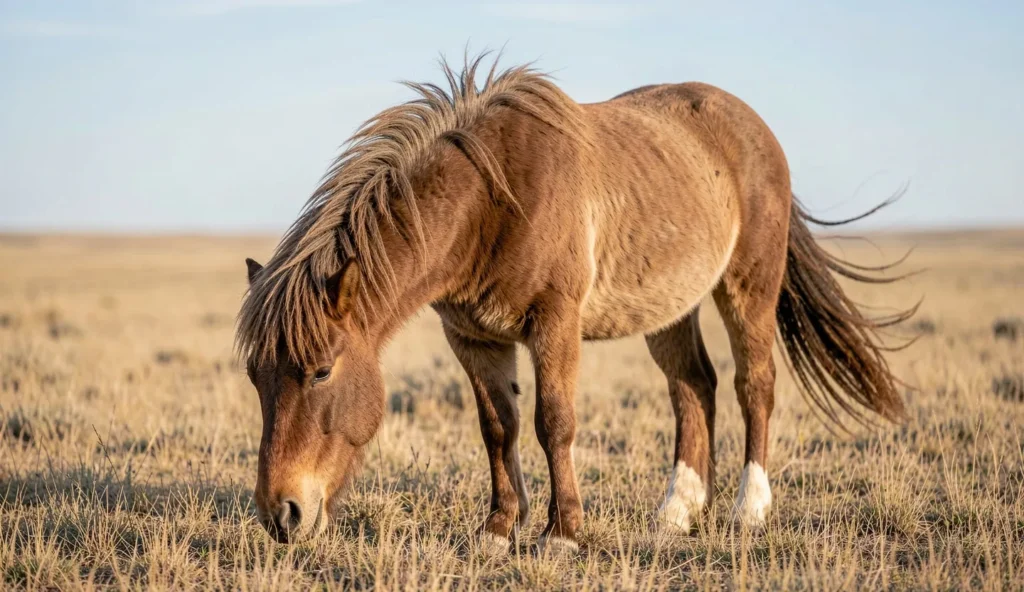
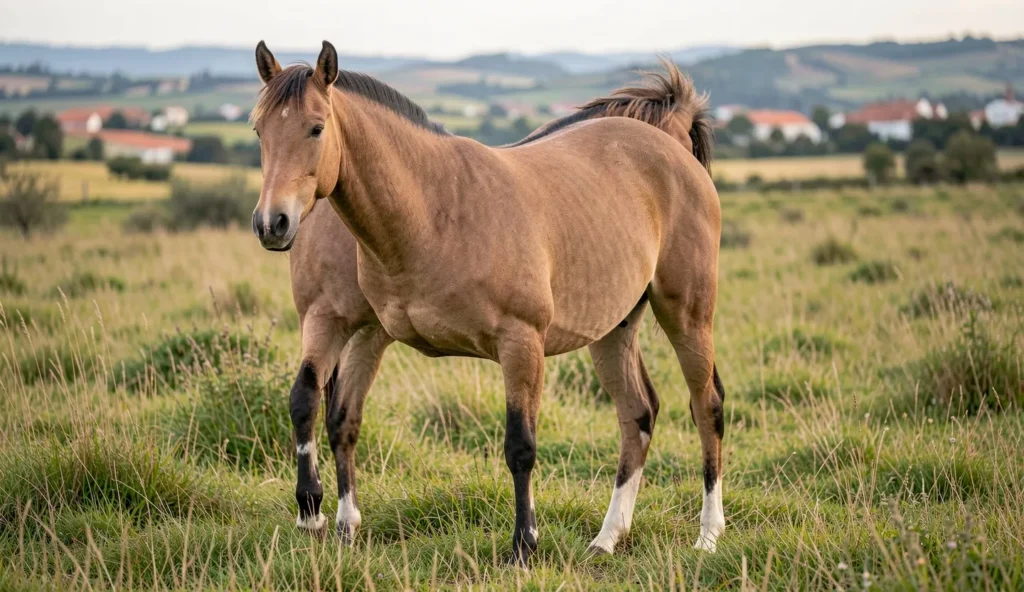
The most recognizable feature is the dun base coat, often paired with lighter tones on the muzzle and belly. A dark dorsal stripe along the spine is a common hallmark. On the legs, zebra striping and darker barring can appear, especially on the lower limbs.
In many horses, the mane looks darker than the body and may show lighter highlights depending on season. These details help when comparing individuals, because striping strength can vary while key patterns remain. When these features occur together, the Sorraia breed characteristics usually look consistent.
Where The Breed Fits Among Primitive Horses
Primitive horse traits usually include natural-looking patterning, sturdy legs, and a temperament that often favors steady routine. The Sorraia temperament is commonly described as calm and alert rather than overly reactive. That steadiness can make daily handling easier once trust is built.
Build can range from compact to medium, with strong legs that support movement over uneven ground. Instead of extreme draft heaviness, the body often looks balanced and athletic for its size. For owners, these practical features matter because housing, feeding, and training plans should match real movement needs.
Sorraia History And Why Conservation Matters
Sorraia history explains why the breed remains rare and why care plans often include conservation-minded decisions. Over decades, small numbers increased risks related to genetic bottlenecks and reduced options for breeding matches. Even when pure lines were prioritized, limited population size shaped what could realistically be preserved.
Today, Sorraia conservation focuses on keeping both physical type and broader genetic health in mind. Because the breed is uncommon, even small mistakes in management can affect future generations. That is why responsible stewardship plays a central role in Sorraia care for serious owners.
Early Discoveries And How The Breed Was Identified
Observers in Portugal documented consistent primitive features in local horse populations. Collectors and breeders later focused on horses that showed the clearest dun coat, dorsal stripe, and leg barring. Identification efforts helped narrow attention toward a small set of horses that best represented the type.
Once a recognizable pattern emerged, breeders supported preservation attempts using pedigree tracking and selection for coat integrity. This approach matters because pattern alone can mislead, so structured breeding records help keep type aligned with overall health. As a result, many conservation narratives begin with how the Sorraia horse was first recognized as distinct.
Population Decline And Revival Efforts
Modern agriculture and crossbreeding pressures reduced pure lines in many local regions. When fewer horses remained, the chance of repeated related pairings increased. That situation can raise the risk of inherited health issues if breeding decisions rely only on appearance.
Revival efforts typically aimed at maintaining Sorraia breed characteristics while supporting long-term welfare. Selective breeding often targeted both coat pattern consistency and reasonable confirmation. Because the population stayed small, breeders also worked to minimize unplanned matings and maintain stable records.
Sorraia Conservation Goals
Sorraia conservation goals generally include preserving breed traits and supporting genetic diversity. Breeding programs often track pedigree details and coat pattern elements, so the next generation keeps the visual identity intact. In some cases, habitat-adjacent husbandry is used to support natural behaviors like movement, foraging, and social contact.
Owners who participate in conservation-based programs usually receive guidance on responsible management. That guidance can include health-focused selection and monitoring for early warning signs. Over time, these steps help turn a rare horse breed from a collection topic into a living population.
Ethical Considerations For Rare Breed Ownership
Ethical ownership prioritizes welfare over show ideals, especially for rare breeds with limited numbers. A horse’s health should guide decisions about training intensity, diet, and breeding readiness. In addition, avoiding unplanned breeding helps protect genetic lines and prevents accidental mixing of types.
Long-term commitments matter because rare horses benefit from stable routine and consistent preventive care. When owners plan farrier visits, veterinary checks, and nutrition with care, the breed gains resilience. This mindset also supports conservationists who want Sorraia temperament and welfare to improve together.
Sorraia Appearance And Physical Features
Recognizing the Sorraia horse is usually possible through coat color, striping, and overall primitive type. While individual horses vary, the pattern family often remains consistent across the population. Many people also notice that the horse looks built for practicality rather than exaggerated extremes.
To identify the breed type in practice, it helps to look beyond one trait. Dorsal stripe and leg barring together often signal the primitive pattern set. When combined with body proportions, registry details can confirm the identification and reduce confusion.
Coat Color And Pattern Details
The Sorraia horse commonly shows a dun base coat that ranges from light to darker tones. The dorsal stripe runs along the spine and often stands out as a darker line against the body. On the legs, leg barring and zebra striping can appear below the knee or hock.
Typical muzzle shading may look lighter, and an eel-line effect can occur along the back of the neck in some individuals. Mane color often looks darker with possible lighter points, especially after seasonal coat changes. These details support the rare breed reputation because the patterns feel visually distinctive.
Body Size And Build
Most horses in this type show a medium build with balanced proportions. The body often supports endurance and movement across uneven terrain. Strong legs help the horse handle daily turnout, not just supervised sessions.
The head can look more refined than in heavy draft types, while the overall frame stays practical. Because the breed is primitive, the confirmation style usually favors functional structures over extreme bulk. That balance becomes important when planning tack fit and ensuring joints stay comfortable.
Markings And Variations Within The Breed
Even within a recognized breed population, striping intensity can vary between individuals. Some horses show clearer leg barring than others, and seasonal coat changes can slightly alter contrast. The key is to compare pattern presence and primitive type rather than focusing on one single shade.
Muzzle striping and dorsal shading can also differ, with some horses showing stronger eel-line effects. Clear pattern family traits usually matter more than whether the dun tone sits on the lighter or darker end of the spectrum. This approach helps owners avoid dismissing true type when color contrast changes.
How To Identify The Breed Type In Practice
When checking a horse, first look for the dorsal stripe and leg barring occurring together. Next, compare the overall primitive body look, including leg strength and balanced proportions. If possible, confirm details through registry information or credible breeding documentation.
Some horses may look similar at a distance because several primitive types share dun coloration. That is why the combined pattern set and body style matter. A structured check reduces mistakes and supports responsible selection for Sorraia care and breeding programs.
Sorraia Temperament And Behavior
Sorraia temperament often centers on steadiness, alertness, and a preference for routine. Many horses avoid frantic responses, but they still notice unfamiliar stimuli. When owners manage sessions with patience, the result usually looks calm and cooperative.
Because this breed evolved under traditional conditions, behavior often reflects natural social and foraging instincts. Stress can rise when handling is rushed or when environmental changes happen too quickly. With consistent cues, many owners find the horse becomes easier over time.
General Temperament Traits
The Sorraia horse typically behaves in a steady, calm manner rather than acting overly excitable. It can show natural caution around new people, areas, or sudden noises. Once the horse learns that signals stay consistent, it often becomes more trusting.
Routine supports confidence, especially for a rare primitive type with fewer familiar exposures. Clear, slow handling also encourages relaxation during grooming and feet checks. In this context, Sorraia care includes training patience as much as it includes feeding plans.
Herd Behavior And Social Needs
Sorraia horses usually value herd contact and social placement can affect stress levels. When social needs go unmet, some horses show agitation around feeding times or during turnout changes. Pairing compatible horses often reduces repetitive stress behaviors.
Owners should monitor how a horse reacts when moved between groups. Gradual introductions usually help, especially for horses that remain cautious in new spaces. Since herd dynamics influence wellbeing, this factor often connects directly to successful long-term management.
Handling And Readiness For Training
Early, gentle handling generally improves long-term ease, particularly for grooming, feet, and saddle introduction. Desensitization supports easier tack familiarity and reduces fear responses during routine tasks. Training progress often follows patience instead of force.
Short sessions also help because the breed can remain attentive without needing prolonged pressure. Consistency in voice, body position, and timing strengthens learning. Over time, that approach improves both safety and daily convenience.
Common Behavior Challenges To Watch For
Some Sorraia horses may hesitate to approach unfamiliar people or areas. When grooming is introduced too quickly, tension can increase and the horse may resist handling. Similar caution can appear after abrupt changes in noise, lighting, or routine.
Owners can reduce these challenges through gradual exposure and consistent handling cues. If behavior shifts suddenly along with appetite or coat changes, health issues should also be considered. A practical plan addresses both behavior and welfare signals together.
Sorraia Care Basics For A Healthy Horse
Sorraia care focuses on stable basics that support a primitive-type lifestyle. The core needs include secure shelter, quality forage, appropriate hoof maintenance, and predictable daily movement. When routine stays consistent, the horse usually handles new tasks with less stress.
Because the breed is rare, health monitoring often benefits from careful recordkeeping. Owners who track weight, coat condition, manure quality, and behavior can catch problems earlier. That mindset supports both individual welfare and broader goals in Sorraia conservation.
Housing And Space Requirements
Providing shelter from wind, heavy rain, and direct sun helps keep the coat and skin stable. Secure fencing reduces injury risk and prevents escapes that rare horses cannot easily replace. Turnout or paddock access supports movement and helps reduce boredom-related stress.
Stable ventilation and bedding management also matter, especially in dusty environments. In regions with rainy seasons, owners should reduce prolonged mud exposure in frequently used areas. When possible, dust control and safe footing support respiratory comfort and hoof health.
If comparisons help, viewing housing approaches used for other equine types can clarify baseline safety measures, such as in Arabian Horse care practices at https://www.rarepetsbreeds.com/horse/arabian-horse/.
Grooming And Coat Care
Brush regularly to remove loose hair, debris, and potential skin irritation points. Owners should also check for insect bites and early signs of rubbing. Seasonal coat changes can increase shedding, which means grooming may need to happen a bit more often during transitions.
When flies or gnats rise, additional checks keep small irritations from becoming bigger problems. Gentle grooming also reinforces trust during handling sessions. Because the breed’s coat pattern is part of its identity, careful grooming can also help confirm dorsal stripe and leg barring visibility after shedding.
Feet, Hoof Care, And Farrier Schedule
Hoof care requires a routine farrier schedule based on growth rate and how the horse uses its turnout. After turnout, cleaning hooves can reduce debris buildup that contributes to discomfort. If footing becomes uneven or wet, close monitoring helps prevent sore spots and uneven wear.
Warm, tender, or sensitive hooves call for prompt attention. Since primitive types can still face hoof issues, routine maintenance should never be skipped. A preventive mindset often works better than emergency fixes for rare horses.
Feeding And Diet For Primitive-Type Horses
Forage should form the diet foundation, using high-quality hay or pasture where conditions allow. Concentrates should stay measured and used only when weight gain, work demands, or health needs require them. Fresh water must remain available, especially during warm months or after increased movement.
Mineral salt and supplements should only appear when appropriate for local forage analysis and veterinary guidance. Sudden feed changes can trigger digestive issues, so transitions need to happen slowly. When the diet supports steady digestion, owners can often reduce colic risk and keep energy levels stable.
For additional perspective on feeding and historical horse utility, reading about Mustang horse management at https://www.rarepetsbreeds.com/horse/mustang-horse/ can help owners think about forage-first conditioning.
Exercise And Daily Routine
Daily movement supports joint health and muscle tone, even when no intense riding occurs. Low-stress groundwork and safe riding can build conditioning gradually. During extreme heat or cold, exercise time should adjust to weather and ground conditions.
Because the breed often prefers routine, keeping a predictable schedule helps reduce anxiety. Owners should also vary movement options without sudden pressure. If the horse moves comfortably, training sessions tend to stay easier and safer.
Parasite Control And Preventive Health
A veterinarian-guided deworming plan supports safer long-term parasite control. Many programs combine medication choices with pasture management practices, so the cycle of reinfection reduces. Manure and appetite monitoring also helps detect problems early.
Preventive health should include vaccination and dental checks according to local protocols. Routine veterinary exams can identify early disease signs before they worsen. Over time, prevention protects the horse and supports responsible Sorraia care planning.
Common Health Issues And When To Call A Veterinarian
Even though the Sorraia horse represents a primitive type, it still faces common equine health risks. Owners should focus on prevention and recognize early warning signs quickly. That approach reduces complications and supports welfare in a rare population.
Some issues relate to management, such as diet changes or poor ventilation. Others depend on individual factors like hoof conformation and stress levels. With consistent monitoring, it becomes easier to decide when veterinary help is necessary.
Preventing Digestive Problems
Sudden feed changes can trigger digestive upsets, including discomfort and reduced appetite. Consistent forage intake helps stabilize gut function and supports steady chewing and saliva production. Owners should watch for early colic signs such as pawing, rolling, or refusing food.
If any digestive symptoms appear, the response should be prompt and informed. Checking water access, hay quality, and recent changes also helps narrow causes. This is especially important when the horse stays on a forage-first diet with minimal concentrates.
Skin Issues And Insect Bite Management
Skin problems can follow insect activity, including flies and biting gnats. Regular coat checks after turnout and after storms help catch irritation early. Treating sensitive areas quickly prevents rubbing and secondary skin damage.
Owners also benefit from adjusting turnout times during peak insect hours. Grooming and stable hygiene reduce irritation buildup. When skin issues appear, contacting a veterinarian helps determine safe treatments that match the horse’s needs.
To compare how different horse types manage environmental comfort, exploring housing and care strategies in Icelandic Horse guides at https://www.rarepetsbreeds.com/horse/icelandic-horse/ can offer useful climate-based ideas.
Hoof Stress And Laminitis Risk
Hoof stress can increase with prolonged wet mud, poor footing, or sudden diet changes. Laminitis risk rises with high-sugar feeds and inappropriate concentrate amounts, so forage quality and ration control matter. If hooves feel warm, painful, or the horse shows abnormal stance, veterinary advice should come quickly.
Safe footing and gradual diet adjustments reduce the chances of flare-ups. Owners should also keep track of body condition because weight gain can add strain. When hoof care stays routine, early discomfort becomes easier to detect.
Respiratory Care For Outdoor Living
Outdoor living does not remove respiratory risk, especially from dust in hay or bedding. Using clean hay practices and minimizing dust exposure supports better airflow and comfort. Stable ventilation matters if the horse spends time indoors during weather extremes.
Owners should monitor for coughing, nasal discharge, or reduced performance. When respiratory symptoms persist, a veterinarian can evaluate triggers and check for infection. Prompt action protects the horse’s breathing capacity and overall energy.
Is A Sorraia Horse Right For You
A Sorraia horse can suit rare breed enthusiasts and conservationists who value long-term stewardship. It often fits people who can provide steady routine, thoughtful preventive care, and patient handling. Because the breed stays rare, owners should also accept that access to matching horses or specialized guidance may require planning.
For ecologists and conservation-focused groups, the breed can represent a living example of primitive pattern traits shaped by selective preservation. Still, individual suitability depends on the owner’s ability to manage stable health and training consistency. That practical approach helps the horse thrive in a home environment.
Ideal Owner Profile For This Rare Primitive Breed
The Sorraia horse often works best for owners who value rare breed stewardship over quick results. Patient training and consistent handling usually produce better outcomes than forceful methods. Preventive care planning, including regular farrier work and veterinary checks, supports steady health.
Support from experienced trainers or breed-savvy caretakers can accelerate safety and comfort. Many owners also benefit from learning how primitive-type horses respond to routine changes. This helps reduce stress and keeps the training process predictable.
For broader context on how different equine histories influence modern management, reviewing Most Famous Horse Breeds in History at https://www.rarepetsbreeds.com/horse/most-famous-horse-breeds-in-history/ can help frame what “primitive” means in practical terms.
Match Considerations Before Bringing Home A Sorraia
Before acquisition, it helps to verify health history and discuss temperament during handling sessions. Watching how the horse responds to grooming, feet picking, and basic approach behavior provides early indicators. It also supports decisions about whether extra training time and time in a calm environment are needed.
Facilities also require planning, including secure turnout, shelter, and safe footing. Budgeting for farrier care, veterinary work, and high-quality forage keeps long-term welfare stable. When these factors align, Sorraia care becomes manageable rather than reactive.
Long-Term Commitment Expectations
Rare breeds benefit from stable, long-term homes where management decisions stay consistent. For conservation-minded owners, breeding plans should follow responsible guidance and focus on health, temperament, and genetic diversity. Ongoing monitoring also keeps early issues easier to treat.
In practical terms, this means committing to routine care schedules, careful diet management, and gradual training progress. When everything stays predictable, Sorraia temperament often looks more cooperative. That stability supports both the horse’s wellbeing and the broader preservation effort.
Frequently Asked Questions
What Color Is A Sorraia Horse And What Markings Are Most Common?
Most often the Sorraia horse shows a dun base coat. Common markings include a dark dorsal stripe and leg barring that can resemble zebra striping, though intensity may vary by individual.
Are Sorraia Horses Good For Beginner Owners?
Sorraia horses usually do best with calm, consistent handling and clear routine. Beginner success improves when training support is available and daily care stays predictable.
How Much Pasture And Shelter Does A Sorraia Horse Need?
Owners should provide secure turnout or paddock time when feasible and always include shelter from heavy weather. Stable access should match local climate and forage conditions to keep hoof, skin, and respiratory health stable.
What Should A Sorraia Horse Be Fed For Best Health?
Forage should form the foundation of the diet, using quality hay or pasture. Concentrates may be used only when needed, with fresh water and appropriate mineral support based on veterinary guidance.
What Are Common Health Issues To Watch For In Sorraia Horses?
Digestive problems can follow sudden feed changes, so forage consistency matters. Hoof stress and laminitis risk require close monitoring, and skin or respiratory signs should be checked after environmental exposure.
How Can Conservation Practices Affect Sorraia Horse Care?
Conservation plans may prioritize pedigree, temperament, and genetic diversity along with routine health management. Responsible selection can support long-term welfare, often with registry guidance for breeding and care practices.
A Practical Way To Approach This Rare Horse
With consistent routine, forage-first nutrition, and careful preventive health care, a Sorraia horse can thrive in a home environment. When management supports both welfare and preservation goals, the breed’s primitive traits can remain meaningful for future caretakers.