What Is a Przewalski Horse
The Przewalski horse is the last true wild horse, native to Mongolia and still surviving only through managed conservation programs. It did not enter human domestication like most domestic horse breeds, so its behavior and herd life remain closer to wild horses. Because the species is critically endangered but recovering, responsible care in zoos and reserves matters for its future.
Conservationists and zoo visitors often encounter Przewalski history through captive breeding efforts and carefully planned reintroductions. These programs aim to protect wild traits while maintaining genetic health over generations. For additional context on equine lineages, it can help to compare broader horse history with modern breed types, such as the Mustang horse.
Native Range in Mongolia and Typical Habitat
The Przewalski horse evolved in Mongolia, where open steppe conditions shaped its daily movement patterns. Historically, populations used grasslands and semi-arid areas where forage could be patchy. Today, conservation herds are managed in protected reserves with monitored conditions.
Habitat quality influences welfare because grazing drives most daily activity. When forage availability drops, horses travel more and rely on water access and shelter options. As reserves adapt land management, Przewalski conservation staff focus on stability across seasons.
Wild But Not Domesticated
Unlike domestic horses, the Przewalski horse was never domesticated. It preserves wild behavior and social structure, which affects how facilities approach handling and veterinary care. Breeding programs also maintain genetic integrity rather than selecting for traits tied to domestication.
Because wild behavior remains strong, some individuals stay wary even with routine care. Zoos and reserves typically use calm habituation and predictable procedures. This approach supports Przewalski temperament while still allowing health checks.
Species and Relationship to Domestic Horses
The Przewalski horse belongs to a distinct evolutionary line and is often called a wild horse. However, it should not be treated as the ancestor of modern domestic horses. Genetic work and stud management support its separate status from domestic populations.
For breed comparisons across horse types, it can be useful to review how other equine groups adapted to different roles. A similar contrast appears in the Thoroughbred Horse, where selection shaped a racing profile rather than wild survival traits.
Appearance and Physical Features That Stand Out
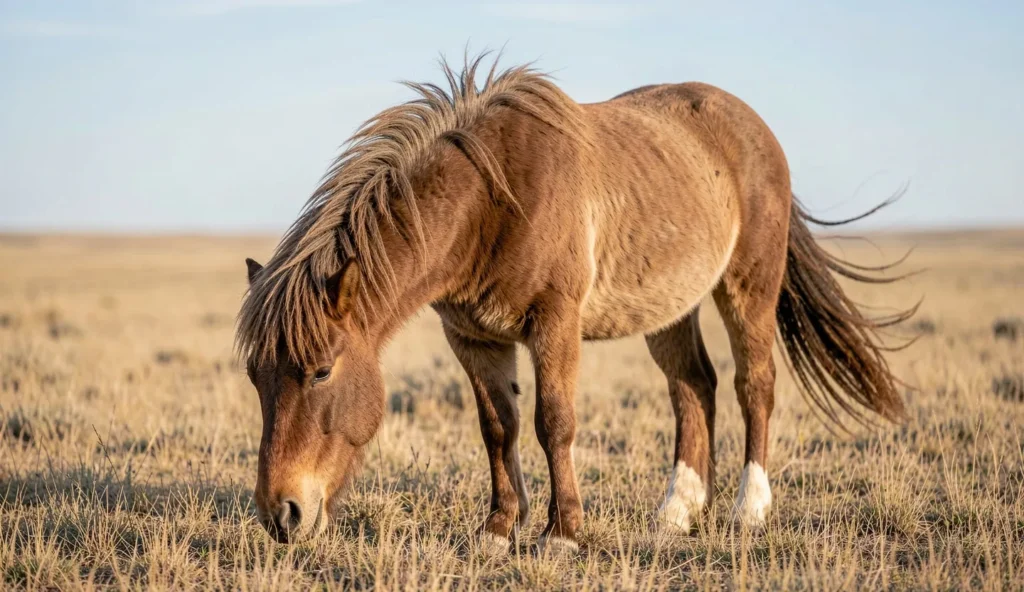
Przewalski horses look distinct, with primitive coat patterns and a compact build that supports efficient grazing. Their appearance often reflects survival needs from native steppe landscapes. For many observers, those traits make the Przewalski horse easy to recognize among managed equids.
Physical features also influence care, since coat condition, body condition, and hoof health affect daily mobility. In conservation settings, keepers monitor these traits closely because small changes can indicate diet issues or stress. Over time, consistent observations help refine Przewalski care practices.
Coat Color Patterns and Common Markings
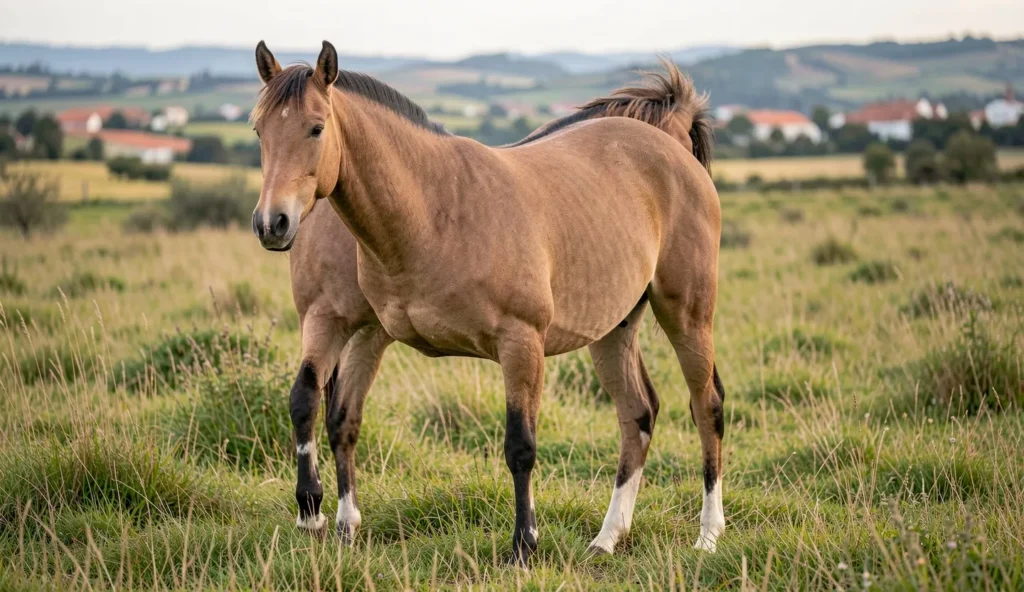
Typical coat colors range from dun to light brown, often paired with primitive markings. Legs may show darker tones, and some individuals display striping-like patterns on the limbs. The mane and tail usually look darker than the body.
These markings support camouflage in open habitats by breaking up outline shape. In managed settings, coat clarity can also reflect health and seasonal changes. Keepers track coat and skin quality during routine welfare checks.
Mane, Tail, and Body Build
The mane tends to be upright and coarse rather than silky. The tail hair can help with irritation from insects and may offer some protection in windy conditions. Body structure usually appears sturdy and compact, matching the grazing and travel patterns of wild herds.
This build supports long days of low-intensity movement rather than short bursts of speed. As a result, stable footing and hoof maintenance play an ongoing role in husbandry. In many facilities, hoof care routines get scheduled alongside dental checks.
Size and Weight Range
Przewalski horses are generally smaller and more compact than many domestic breeds. Exact measurements vary by sex and by line within the conservation studbook. Record keeping helps ensure breeding management stays aligned with program goals.
Because weight can shift with forage quality, managers monitor body condition regularly. When conditions change, adjustments to feeding plans help maintain lean, healthy bodies. This careful balance supports both welfare and long-term reproductive readiness.
Przewalski Temperament and Herd Behavior
Przewalski temperament differs from many domestic horses due to their continued wild behavior. They tend to remain wary around people, and stable herd life often reduces stress. Still, individual responses vary based on habituation, facility routine, and prior handling experiences.
Herd behavior matters for welfare because social stability supports feeding, rest, and offspring survival. Therefore, conservation teams focus on group management as much as on diet and shelter. These patterns shape how keepers plan daily routines for safe interactions.
Herd Structure and Social Roles
Przewalski horses live in social groups with stable relationships. Herd dynamics often include adult females, foals, and one or more adult males depending on management structure. Cohesion helps protect individuals and supports resource sharing across the day.
Because social roles influence movement, separating animals can increase stress. For that reason, facilities usually limit routine disruptions unless health needs require it. During veterinary work, staff aim to minimize time apart from the herd.
Daily Activity and Grazing Behavior
Much of daily life centers on grazing and browsing, with frequent head-down feeding across pasture areas. Horses also move periodically to locate forage and water, so the land layout matters for welfare. Seasonal differences affect how long animals graze and how far they travel.
When forage distribution becomes uneven, some individuals may spend more time traveling. Managers respond by planning paddock access and rotating turnout where appropriate. These strategies fit the natural activity rhythm rather than forcing a fixed schedule.
Response to Handling and Human Presence
Compared with many domestic horses, Przewalski horses typically show more natural wariness. Calm handling depends on habituation and consistent routines rather than frequent surprise interactions. Conservation facilities often use careful training so examinations can happen safely.
In practice, habituation means predictable approach distances, calm voices, and repeated routines. Vet checks and body assessments may rely on low-stress restraint methods when needed. This reduces risk of injury for both horses and staff.
Housing Essentials for Przewalski Care
Przewalski care begins with enclosure planning that supports movement, grazing, and safe shelter. In managed settings, housing must also reduce escape risk and maintain stable stress levels. When keepers design spaces for natural behavior, welfare improves and health monitoring becomes more practical.
Because these horses remain wild in many ways, they respond strongly to environmental changes. Heat, storms, and ground conditions can affect comfort and mobility. With that in mind, facilities focus on enclosure safety and predictable access to resources.
Enclosure Design and Space Requirements
Large paddocks support natural grazing and movement across safe footing. Secure fencing and well-maintained gates prevent escapes, which can also create safety and legal issues. Shelter areas help during storms, high winds, and extreme heat.
In addition, enclosure layout can support social groups by minimizing crowding points. Managers consider how water and forage areas connect to resting zones. These choices affect herd flow and reduce conflict during peak feeding times.
Water Access and Environmental Conditions
Reliable water sources remain essential, and cleaning schedules help prevent contamination. Environmental management depends on local climate, which may require shade during hot months or extra shelter during cold periods. Wind protection also supports comfort during storms.
Facilities often place water access so horses can reach it without forced crossing of high-conflict areas. This design helps lower stress while supporting regular drinking patterns. Regular checks ensure water systems work smoothly for the whole herd.
Bedding, Stalls, and Quarantine Areas
Some Przewalski conservation programs use indoor stalls for medical care or weather events. When stalls exist, bedding should stay clean and dry to protect skin and respiratory health. Ventilation and proper drainage also support safe surfaces and help hoof wellness.
Quarantine areas reduce disease risks when new animals arrive or when health status changes. Staff manage isolation protocols with dedicated equipment and careful hygiene routines. This preventive approach supports long-term herd health in zoos and reserves.
Diet and Feeding for a Critically Endangered Horse
For managed Przewalski care, diet focuses on forage first, with careful monitoring to avoid digestive and metabolic problems. The Przewalski horse relies on consistent grazing patterns, so feeding plans should support natural intake behavior. Because the species is critically endangered but recovering, nutrition decisions also support breeding readiness and robust health.
Feeding strategies vary by facility, yet many programs follow similar priorities. Forage quality, body condition tracking, and selective supplementation guide daily decisions. This structure helps maintain stability even when pasture conditions change.
Forage First Approach and Grazing Priorities
Feeding usually prioritizes forage such as grass and hay options, rather than heavy grain use. Grazing access supports natural feeding rhythms and helps maintain gut function. When forage quality is high, horses often stay in better body condition with fewer issues.
Quality forage also reduces the chance of uneven weight gain or digestive upset. Facilities typically test hay when possible and observe stool quality and appetite patterns. If forage falls short, diet plans adjust gradually rather than abruptly.
Supplements and Concentrates Only When Needed
Supplements often support specific needs based on monitoring and, when available, lab results. Concentrates typically appear only when horses require extra calories or nutrients for health or reproductive goals. Mineral access helps support bone and hoof health.
Because overfeeding can create health risks, staff aim for controlled, measurable changes. This approach supports welfare and reduces long-term complications. In some institutions, staff also compare feeding plans with best practices used in performance breeds such as Warmblood horse management, while still keeping forage-first principles.
Feeding Schedules and Monitoring Body Condition
Instead of only following a fixed feeding schedule, keepers monitor body condition regularly. Weight tracking helps prevent underfeeding or overfeeding and supports breeding readiness. Adjustments may reflect season, age, and pregnancy status.
When a horse loses condition, facilities investigate forage access, dental comfort, and overall health. When weight rises too quickly, they revise ration amounts and grazing access. The goal stays consistent, which is maintaining stable, lean body condition.
Training, Enrichment, and Basic Health Care
Przewalski horses do not require performance training, but they do need low-stress handling for routine exams and safety procedures. In conservation facilities, training focuses on predictable cooperation rather than discipline. This supports Przewalski temperament while allowing necessary veterinary care.
Enrichment also matters because it supports natural behavior, mental focus, and herd harmony. Additionally, preventive medicine helps reduce risk in managed populations. With consistent routines, health care becomes safer for animals and staff.
Low Stress Handling for Vet Checks
Low-stress handling aims to target calm, routine movements and restraint only when necessary. Habituation reduces risk during examinations, and consistent schedules improve predictability. Veterinary goals focus on safe exams and accurate assessments, not performance behavior.
In some facilities, staff use corral systems or planned access routes that limit panic. Sedation remains a medical tool, used based on clinical needs and welfare priorities. Clear observation before and after procedures helps detect early signs of discomfort.
Enrichment That Encourages Natural Behavior
Enrichment supports grazing, movement, and social stability. When possible, facilities provide varied grazing opportunities and use turnout rotations to reduce boredom. Environmental enrichment must remain safe so horses do not injure themselves on objects or barriers.
Rotation also supports pasture recovery and helps manage parasite risk. Keepers may vary access areas rather than changing the overall routine. This approach supports natural habits while maintaining enclosure integrity.
Common Health Issues and Preventive Management
Przewalski health management often includes a tailored parasite control plan based on local risk. Dental checks help ensure efficient grazing and support nutrition intake. Hoof care and wound prevention help protect mobility, especially on hard or uneven ground.
Facilities also monitor body condition changes that can signal underlying issues. Skin and coat observations can indicate stress, nutrition gaps, or minor infections. Early detection supports quick treatment decisions without prolonged discomfort.
Is the Przewalski Horse Right for You
The Przewalski horse suits qualified zoos, wildlife reserves, and conservation programs rather than typical private ownership. It requires specialized husbandry, consistent veterinary oversight, and secure, large-enclosure space. Because the animal remains wild in behavior, handling needs trained staff and controlled procedures.
For many rare breed fans, learning how conservation breeding works can be more realistic than keeping such an animal. Programs follow legal requirements and welfare standards aligned with long-term conservation goals. People who support conservation generally contribute through education, volunteering in appropriate roles, or approved program partnerships.
As an example of how wild and managed equids differ, comparison with a distinct equine group like the Icelandic Horse can show how temperament and care demands change with domestication history and selection pressures.
Przewalski Conservation and Why Recovery Matters
Przewalski conservation focuses on preventing extinction and restoring sustainable populations. The species became critically endangered through a mix of population pressures and shrinking habitat access. While recovery has started, it still depends on ongoing management and long-term funding.
Recovery does not mean returning to a fully self-sustaining wild population overnight. Instead, conservation teams work across breeding programs and protected field reserves. This is where Przewalski conservation becomes measurable and practical.
Why It Became Critically Endangered
Major declines occurred due to habitat loss and population pressure, which reduced stable breeding numbers. As remaining populations became small, extinction risk increased sharply. Conservation interventions began after wild numbers dropped to extremely low levels.
When populations shrink, genetic diversity can decline and demographic risks rise. Small herds also face higher vulnerability to disease and unfavorable seasons. That history shaped the urgency behind Przewalski history and captive management.
How Captive Breeding Supports Genetic Resilience
Captive breeding supports genetic resilience through studbooks and careful pair planning. Managed pairing reduces inbreeding risk and preserves genetically valuable traits. This structured approach helps sustain the population through generations.
Reintroduction efforts also play a role, because animals with healthy genetics and stable health profiles improve release outcomes. However, success still depends on field monitoring and habitat readiness. For many programs, genetic management remains a core part of long-term planning.
What Recovery Programs Include in the Field
Field recovery often uses protected reserves that provide safer conditions for animals after release. Ongoing health checks support survival and help identify issues early. Habitat quality, social group stability, and long-term monitoring all influence outcomes.
Even when releases go well, conservation staff must manage threats and adapt plans. That can include parasite control strategies and shelter management based on seasonal conditions. With consistent support, Przewalski conservation moves from emergency action to durable recovery.
Frequently Asked Questions
Where Do Przewalski Horses Live in the Wild?
Przewalski horses are native to Mongolia. They used open steppe and grassland habitats where grazing and mobility supported daily survival.
Are Przewalski Horses Domesticated?
No, Przewalski horses are not domesticated. They remain managed in conservation programs while keeping wild behavior traits.
What Does the Przewalski Temperament Look Like?
Przewalski horses are naturally wary compared with many domestic horses. Stable herd groups and consistent routines help reduce stress during care.
What Do Przewalski Horses Eat?
Their diet focuses on forage such as grass and hay. Supplements and concentrates are used only when monitoring shows specific needs.
Why Are Przewalski Horses Considered the Last True Wild Horse?
They were never domesticated like domestic horse breeds. They represent a distinct wild lineage with ongoing conservation breeding.
How Do Przewalski Conservation Breeding Programs Work?
Breeding programs use managed pairing and stud records to protect genetics. Some animals are also reintroduced with health monitoring in protected reserves.
Practical Takeaways for Caring and Supporting This Species
The Przewalski horse depends on careful, forage-focused husbandry and low-stress handling in managed programs. Recovery continues only through ongoing Przewalski conservation planning, genetic management, and responsible daily care.