Introduction
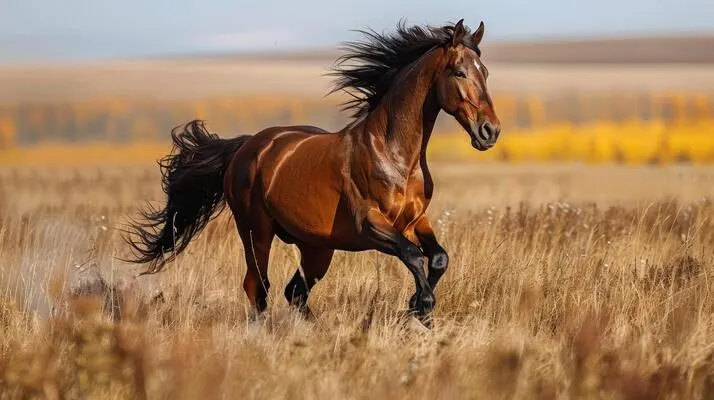
The Mustang horse is a living symbol of the untamed American West, with a lineage stretching back over 500 years to the Spanish conquistadors. Today, over 70,000 free-roaming Mustangs still gallop across public lands, embodying a spirit of resilience and freedom that few other breeds can match. Known for their hardiness and unbreakable will, Mustangs have captured the hearts of horse lovers worldwide. From rugged plains to mountainous terrains, these horses have thrived in harsh conditions for centuries, making them some of the hardiest and most resilient horses on the planet. For those interested in other iconic American breeds, the American Quarter Horse shares a similar legacy of versatility and strength.
📜 Origin and History
Mustangs are descendants of Spanish horses brought to the Americas by explorers in the 16th century. Over time, many horses escaped or were released, forming free-roaming herds across the western United States. Their name comes from the Spanish word “mesteño,” meaning “stray” or “ownerless.” Despite their wild status, Mustangs are considered feral horses rather than true wild breeds because they originated from domesticated stock. This rich history places them alongside other foundational breeds like the Arabian Horse, which also contributed to the development of many modern horse lines.
🧬 Physical Appearance
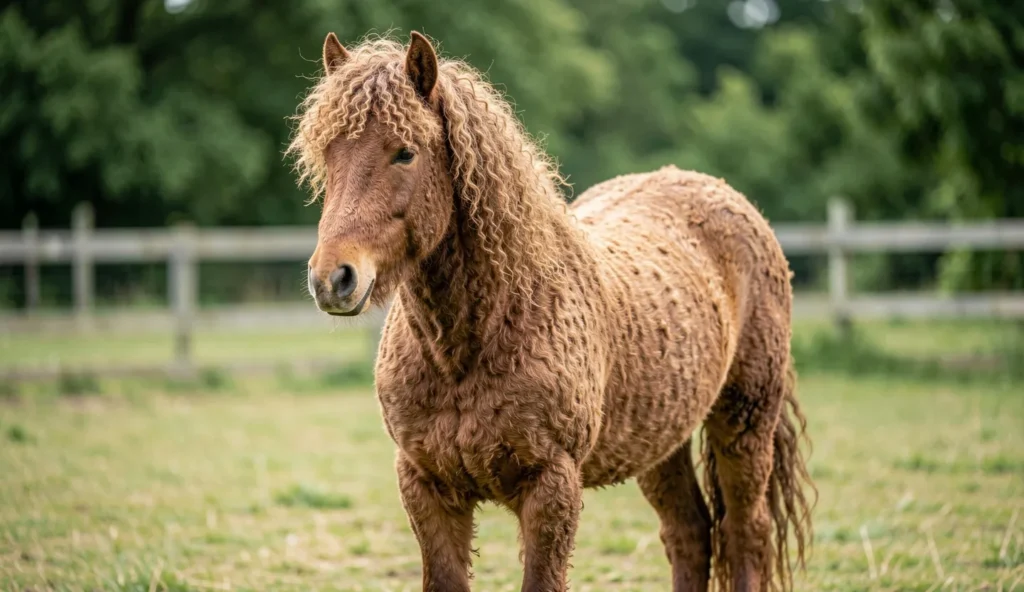
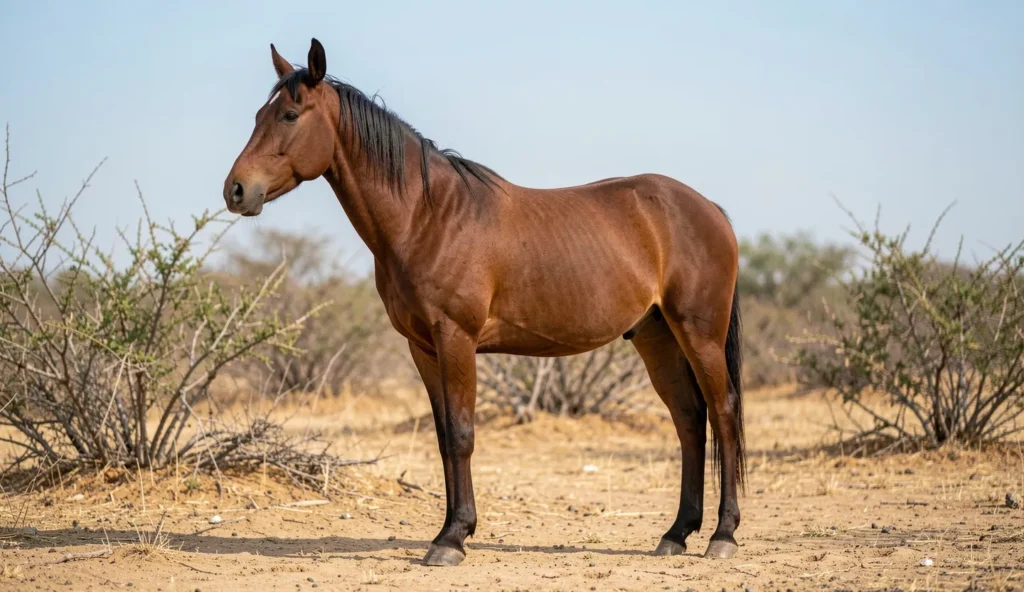
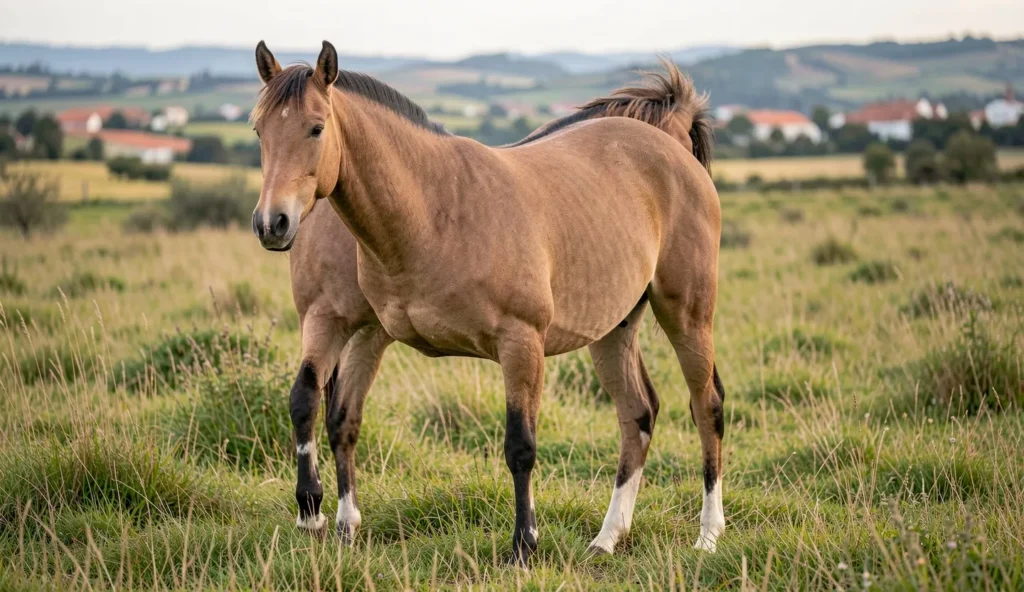
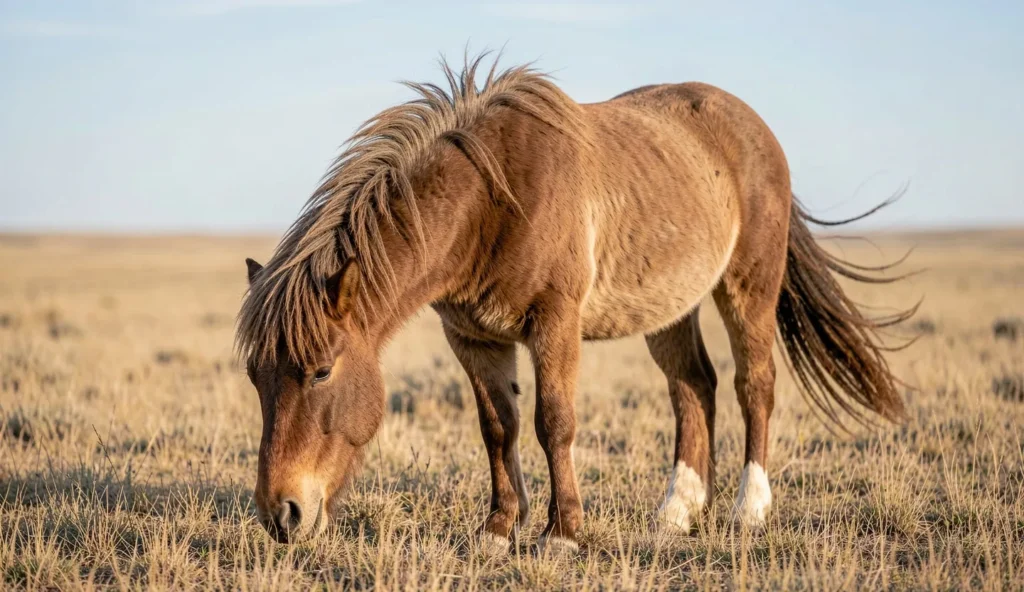
Mustang horses vary in size and appearance due to their mixed ancestry. Typically, they stand between 13 and 15 hands high and weigh around 700 to 900 pounds. Their coats come in many colors, including bay, black, chestnut, gray, and even pinto or roan. Mustangs are known for their strong hooves, sturdy bodies, and muscular builds—traits that have helped them survive in the wild. Their diverse coloring is reminiscent of the American Paint Horse, another breed prized for its striking coat patterns.
🧠 Personality and Temperament
Mustangs are intelligent, curious, and highly aware of their surroundings. Because of their wild heritage, they may be cautious around humans at first. However, with proper training and socialization, they become loyal, responsive, and eager companions. Their independent nature makes them unique, but also incredibly rewarding for patient trainers. Many owners find that once a bond is formed, a Mustang’s loyalty rivals that of any domesticated breed, much like the dependable Morgan Horse.
🌾 Habitat and Survival Skills
Mustangs are primarily found in the western U.S., especially in Nevada, Wyoming, and Montana. They live in arid deserts, grasslands, and mountainous regions. These horses have adapted to forage for food in harsh climates, making them resourceful and self-sufficient. Their survival instincts are highly developed, helping them avoid predators and find scarce water sources. In recent years, BLM management programs have focused on humane population control to balance the needs of these horses with the health of public rangelands.
🎯 Training and Use
Once gentled, Mustangs can be trained for a variety of disciplines, including trail riding, endurance, ranch work, and even dressage. They respond best to natural horsemanship techniques and consistent, gentle handling. Their stamina and agility make them excellent choices for riders seeking a responsive and trustworthy partner. For those looking to compare their speed and athleticism, the Thoroughbred Horse offers a different but equally impressive set of performance traits.
🥗 Health and Nutrition
In the wild, Mustangs graze on a variety of grasses and shrubs. Domesticated Mustangs do well on a balanced diet of hay, pasture, and essential minerals. They are generally very healthy and have fewer genetic health issues than some purebred horses. Still, routine veterinary care, deworming, and dental checks are necessary. A practical tip for new owners: because Mustangs evolved on sparse forage, they can be prone to obesity on rich domestic feeds, so monitor their weight carefully and adjust rations accordingly.
🛁 Grooming and Maintenance
Grooming a Mustang is much like grooming any other horse. Regular brushing helps maintain a clean coat and bond with the animal. Their hooves, while naturally tough, should be trimmed regularly. Bathing is only necessary occasionally unless they are in regular training or competition.
👨👩👧👦 Compatibility with Families
Mustangs can make great family horses, especially after proper training. They are often calm, level-headed, and less prone to spooking compared to other breeds. Many people adopt Mustangs through the Bureau of Land Management’s adoption program and find them to be wonderful additions to their families. Their adaptability also makes them a fascinating subject in any discussion of the most famous horse breeds in history.
🏆 Mustang Horses in Competition
Although often overlooked in show rings, Mustangs have proven themselves in endurance races, trail classes, and obstacle competitions. Programs like the Extreme Mustang Makeover showcase their trainability and versatility. Some Mustangs have even gone on to perform in movies and live shows due to their impressive adaptability.
🌟 Fun Facts About Mustangs
- There are over 70,000 free-roaming Mustangs in the U.S.
- The BLM manages Mustang populations to protect natural resources.
- Mustangs were featured in the animated film “Spirit: Stallion of the Cimarron.”
- They can survive on minimal food and water in harsh environments.
- Mustangs are excellent escape artists due to their wild instincts.
❓ Frequently Asked Questions
Q1: Are Mustangs good for beginners?
A: With proper training, they can be great for beginners. However, wild Mustangs require experienced handlers.
Q2: How do I adopt a Mustang?
A: You can adopt through the Bureau of Land Management’s Wild Horse and Burro Program.
Q3: Are Mustangs endangered?
A: No, but their numbers are managed to prevent overpopulation and habitat damage.
Q4: Can Mustangs be kept in regular barns?
A: Yes, once trained, they adapt well to domestic environments and facilities.
Q5: Do Mustangs bond with their owners?
A: Many Mustang owners report strong emotional bonds with their horses.
✅ Conclusion
The Mustang horse is a proud symbol of American resilience and freedom. These hardy, intelligent, and beautiful animals are a true testament to nature’s adaptability and strength. Whether adopted for work, companionship, or sport, a Mustang is more than just a horse—it’s a living legend. As more people discover the joy of training these remarkable animals, their legacy as one of the most iconic breeds continues to grow.