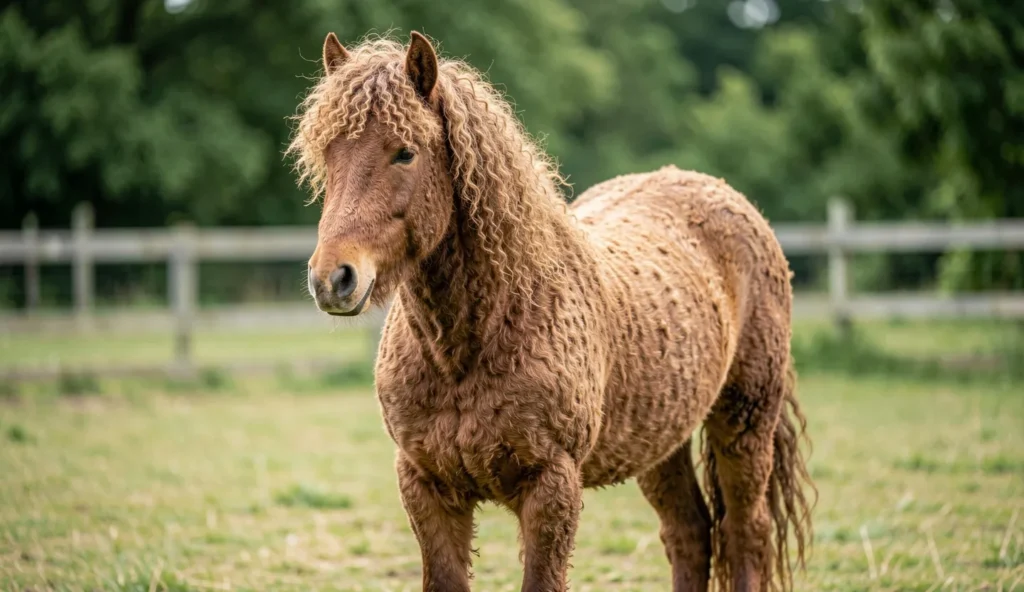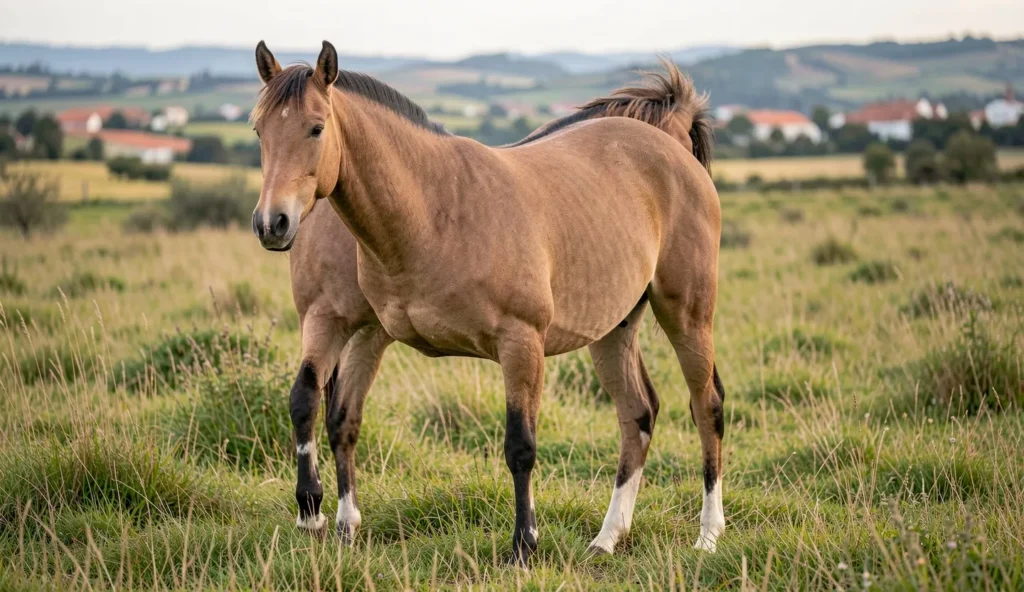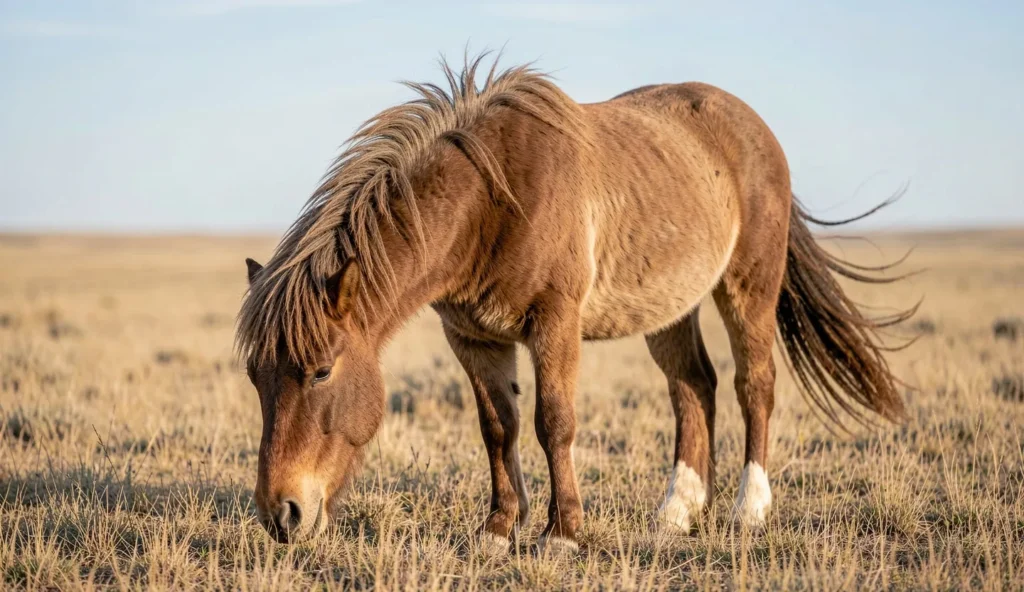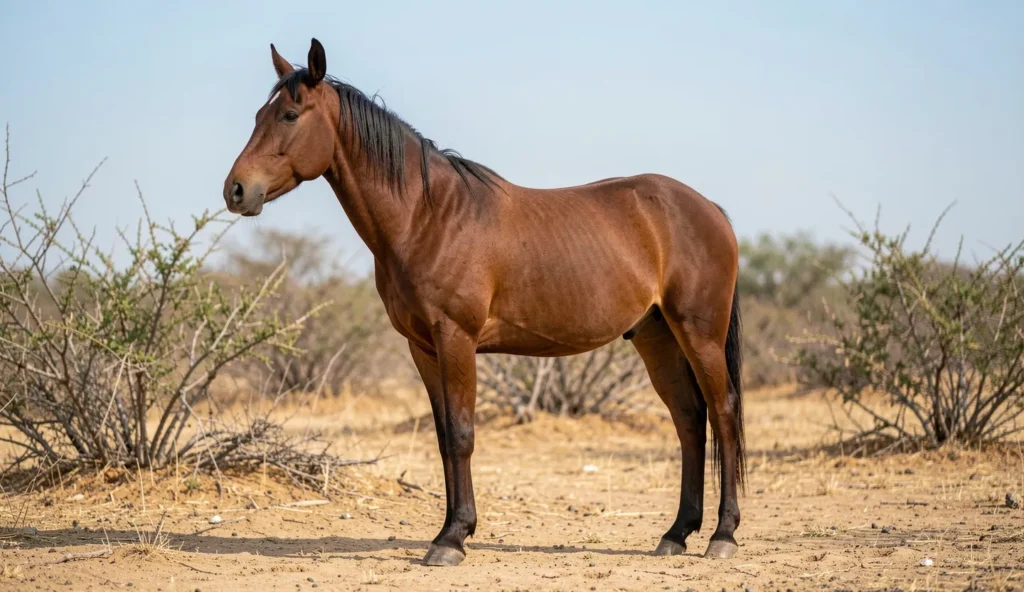
What Is A Kathiawari Horse
The Kathiawari horse is a hardy breed from western India known for endurance, alertness, and distinctive ear features. Kathiawari history and local breeding shaped a horse that can handle dry conditions and long, practical work. Many people also notice the Kathiawari ears early because they help the horse stay attentive in open terrain.
This breed stands out among hardy horse breeds of India because it was selected for function, not only appearance. With consistent care and calm handling, a Kathiawari horse can become a steady mount and a long-term companion for trained owners.
Where The Kathiawari Horse Comes From
Kathiawari horses developed in the Kathiawar region of western India, especially in parts of Gujarat. The breed adapted to local riding needs, where routes can be dry, rocky, and far from regular water sources. Over time, the Kathiawari horse became closely tied to regional work and local riding traditions.
Because this breed shares visual ear traits with Marwari, many buyers compare them first. Even so, Kathiawari temperament and typical conformation patterns reflect separate breeding lines and local selection choices. That distinction matters when choosing a horse for handling style and long-term care.
For a broader view of famous equine lines shaped by region, it can help to read about Most Famous Horse Breeds in History. That context clarifies how regional pressures influence strength, stamina, and daily management needs.
Why The Breed Is Known As A Desert Horse
A desert horse label fits the Kathiawari horse because it evolved under arid grazing patterns and seasonal changes. The breed shows hardiness that supports longer trips with fewer resources. Instead of relying on constant rich forage, a well-managed horse can maintain body condition through quality roughage and smart work pacing.
Additionally, Kathiawari endurance ties closely to body structure and movement choices. The horse typically carries its weight efficiently and maintains balance during uneven terrain. As a result, the Kathiawari temperament often appears alert but practical, especially when routine and safe handling are consistent.
Kathiawari History And Breed Development
Kathiawari history explains why the breed formed such clear traits for survival and work. Regional caretaking practices supported horses that could move well across hard ground and keep traveling even when conditions feel harsh. Those pressures also encouraged alertness, because spotting people, animals, and changing weather helps daily safety.
Today, people who care about a desert horse usually value the same traits that earlier breeders prioritized. These include surefooted movement, dependable endurance, and an attentive response to the handler.
Historical Roles In Gujarat And Nearby Regions
In Gujarat and nearby areas, Kathiawari horses served multiple local needs, including travel, transport, and riding. Selection favored horses that could handle long distances without breaking down quickly. Care systems in the region also reinforced practical survival traits in hot weather and dusty seasons.
Horse people often looked for strong, functional movement and calm readiness during routine tasks. When a horse could remain steady while people prepared tack and moved through open land, training felt more reliable. Over generations, those preferences contributed to the Kathiawari horse traits seen today.
For comparison to other breeds valued for performance in varied climates, some owners also study endurance-focused lines like the Arabian Horse. That helps separate cultural reputation from what actually shows up in daily care habits and workload design.
How Selection Shaped The Modern Kathiawari
Selection for arid grazing and seasonal changes helped the modern Kathiawari adapt to shifting feed and water access. Horses that maintained stable condition through dry stretches received attention and careful breeding choices. Those traits support a horse that can stay useful when management stays consistent.
Preference for endurance also shaped the horse’s functional movement. Rather than chasing short bursts of speed, breeders favored surefootedness and steady transitions during work. Over time, Kathiawari ears became a recognizable signature, because the trait remains visible in daily handling and observation.
Appearance And Distinctive Kathiawari Ears
The Kathiawari horse often looks compact yet capable, with a frame that supports long hours of movement. Coat patterns can vary, but the overall impression remains athletic and built for endurance rather than fragile refinement. Many keepers also watch the head and neck position closely because it affects how easily the ears can be seen during work.
Among all visible traits, Kathiawari ears receive the most attention. They help the horse react quickly to sound cues in open areas, which can matter when riding through fields, villages, or dry roads.
Key Physical Features And Overall Build
Typical build choices aim to support daily travel and stable footing. Strong legs and a balanced frame help the horse carry weight efficiently over uneven ground. Many owners also notice that the body design supports steady endurance rather than fast sprint effort.
While appearance varies by line, the common theme remains hardiness. A horse that handles dust, heat, and irregular terrain often shows the kind of bone and muscle balance that supports recovery after work. With proper Kathiawari care, coat condition and body condition can remain steady over time.
What Makes Kathiawari Ears Special
Kathiawari ears stand out because of their distinctive shape and how they sit on the head. The ears also help the horse stay attentive, especially in arid environments where sounds travel and visibility can change fast. Because the ears are prominent, calm handling becomes more important during grooming and tack preparation.
Even though ear shape is part of the breed appearance, it can also reflect how alert the horse feels. When handling starts gently and routines stay predictable, the horse usually tolerates ear contact better. For sensitive horses, groundwork that includes quiet approach near the head can improve comfort.
Gait And Movement For Tough Terrain
Kathiawari movement supports footing in uneven and sometimes rocky terrain. A balanced gait helps reduce fatigue across long routes, which helps the horse maintain steady endurance. This focus on practicality affects conformation choices more than pure speed metrics.
In daily training, handlers should observe how weight shifts during turns and transitions. When movement stays smooth, the horse often feels more comfortable and recovers faster after work. If gait changes appear after weather shifts, it usually signals a need to review hoof condition and workload design.
Kathiawari Temperament And Training Readiness
Kathiawari temperament often looks alert and responsive, which suits environments where changes happen quickly. At the same time, the breed can act cautious with unfamiliar situations if handling stays inconsistent. For safe ownership, training should begin with stable routines and low-pressure sessions.
Because desert-adapted horses rely on predictable management, cooperation improves when trust forms early. This is especially true when the horse must accept tack, lead handling, and grooming near sensitive areas like the head and ears.
Temperament Traits Commonly Observed
Many owners describe the Kathiawari horse as attentive and aware of its surroundings. That alertness can help with trail riding and day-to-day stability when managed well. In unfamiliar settings, the horse may slow down and assess before moving forward.
Consistency makes a difference because repeated calm handling reduces stress. When groundwork stays short and predictable, the horse often accepts guidance more easily. Over time, a steady routine supports the Kathiawari temperament people expect from a working desert horse.
How To Build Trust During Groundwork
Groundwork works best when sessions remain patient, quiet, and brief at first. Desensitization can start with safe distance and then gradually reduce that distance as the horse stays calm. Lead handling and quiet standing help build confidence for grooming, vet checks, and saddle fitting.
Handlers should keep sessions repeatable and end on a good note. When pressure stays low, the horse learns that contact does not bring sudden surprises. This approach matters for caring for a desert horse, where stress can worsen reactions during heat and dust exposure.
Training Tips For Endurance Style Work
Endurance style work needs a steady conditioning plan rather than sudden jumps in workload. Training should build capacity through gradual increases in walking time, then longer sessions when the horse shows consistent recovery. During warm weather, hydration management becomes part of training success.
Balanced movement matters, so transitions like walk to trot should feel controlled. If fatigue appears as shortened steps or pinned attention, training should slow down and the horse should rest. By monitoring stamina and adjusting plans, Kathiawari endurance can show up as reliable energy over long routes.
For riders comparing endurance approaches across regions, some owners look at Icelandic Horse because it shows how breed traits can support varied riding styles. That comparison can guide how conditioning fits a horse’s natural movement patterns and body resilience.
Kathiawari Care Basics For Healthy Daily Life
Kathiawari care works best when it matches a hardy desert-adapted lifestyle. Clean management, steady nutrition, and sensible grooming help the horse handle dust and heat without constant irritation. Because the breed often handles arid conditions well, owners can focus on prevention instead of emergency fixes.
To support daily health, each routine should remain predictable and easy to repeat. That structure also supports Kathiawari temperament by reducing uncertainty during feeding, tack time, and turnout.
Housing Essentials In Dry Or Hot Climates
Housing should include shade and protection from wind and dust. Even with hardiness, horses still benefit from shelter where they can rest without constant dry exposure. Secure fencing and safe footing help prevent slips and stress during daily movements.
Bedding should stay clean to reduce skin and hoof irritation. When bedding quality drops, dust can increase rubbing problems under tack and around common pressure areas. A basic hygiene schedule supports both comfort and long-term coat health.
- Provide shaded resting areas during peak heat
- Keep stalls or shelters dry to limit irritation
- Use safe, even footing in turnout and walking paths
- Maintain secure fencing to prevent rubbing injuries
Feeding For Energy And Stable Body Condition
Feeding should center on quality forage and consistent fresh water access. Most calories should come from hay or pasture, with concentrates adjusted only if needed for workload or body condition. This approach supports a stable digestive system and steady recovery after exercise.
Minerals and salt should match local needs, especially if regional soils influence deficiency risks. If a horse loses weight, the first step should be reviewing forage quality and overall management before adding heavy grain. This is a key part of Kathiawari care for owners who want reliable endurance without overfeeding.
Watering And Electrolytes During Arid Weather
Water access should remain reliable throughout hot periods, and horses often benefit from multiple water opportunities daily. When sweating increases during training, electrolytes can help if they are recommended for the horse’s workload and conditions. Sudden changes in watering routines can stress the digestive system, so adjustments should be gradual.
Handlers should watch for signs of dehydration, including reduced appetite and dry-looking gums. If those signs appear, the horse should receive water and prompt evaluation. In harsh heat, hydration becomes part of caring for a desert horse.
Grooming Steps For Dust Tolerance And Skin Health
Grooming supports skin health by removing dirt and preventing irritation from trapped debris. Regular brushing also helps you spot rub points early, especially where tack or blankets contact the body. Because dust can increase itchiness, consistent grooming reduces discomfort and helps keep the horse cooperative.
Leg checks matter after work, because dry environments can hide early swelling until it becomes painful. Inspecting skin around girth areas, saddle contact, and ear region supports more comfortable handling. These small routines fit Kathiawari care even for beginners who prefer simple, repeatable tasks.
- Brush after work to remove dust and loose hair
- Check tack areas for rub spots
- Inspect legs for swelling after riding
- Clean around hooves to reduce debris buildup
Hoof Care For Endurance And Dry Terrain
Hooves need routine trimming or farrier visits to support stable movement and endurance. Dry climates can lead to hoof dryness or cracking, so local climate patterns should guide scheduling. Keeping hooves clean helps reduce embedded stones and debris after rides.
Footing conditions also affect soreness, so owners should watch how the horse performs on different surfaces. If the horse shows shortened strides, reluctance to turn, or uneven weight use, hoof quality may be a factor. Addressing hoof care early supports Kathiawari endurance and reduces the chance of lingering lameness.
Common Health Issues And Responsible Vet Care
Even hardy horses need ongoing monitoring, especially in hot and dusty environments. Common concerns often involve skin irritation, parasite exposure, and lameness risks related to footing. With careful observation and responsible vet care, many issues can be prevented or caught early.
Kathiawari care should include records of changes in coat quality, appetite, and movement. Those simple notes can help a veterinarian make faster decisions during visits. When the horse’s routine is stable, health monitoring becomes easier.
Skin, Parasites, And Dust Related Problems
Skin irritation can increase with dust and inadequate grooming, particularly if tack rubs or bedding stays dirty. Parasite risks depend on local conditions, so control plans should match the environment. Tracking itching patterns and coat changes helps reveal problems before they worsen.
Owners should also watch for signs of insect irritation, including frequent tail swishing and skin redness. When dust exposure remains high, keeping grooming consistent can lower the risk of ongoing discomfort. For guidance on breed management and general equine health routines, some owners cross-check with care principles used for other equine types like Warmblood horse.
Lameness Risks And Joint Monitoring
Footing issues can trigger soreness, especially during long rides on hard ground or uneven tracks. Joint monitoring matters because changes can show up in gait before obvious swelling appears. Tracking gait changes after training or after weather shifts supports early intervention.
Hoof quality and shoeing decisions should also be reviewed promptly if the horse works on challenging surfaces. If the horse prefers one limb more than the other, trainers should stop and recheck hoof and footing conditions. This kind of monitoring supports long-term soundness.
When To Call A Veterinarian
Veterinary support should be sought for appetite loss, persistent fever, or unusual breathing. Swelling, heat in a limb, and sudden changes in movement also require professional evaluation. Routine schedules for vaccination and dental care should be planned with the local vet.
Because desert environments can mask early symptoms, owners should not wait for major changes. When a problem is small, treatment often gets simpler and more successful. Responsible vet care protects both the horse and the training routine.
Is A Kathiawari Horse Right For You
A Kathiawari horse fits many desert horse admirers who prefer endurance-focused, hardy breeds. It also appeals to cultural fans who want a horse tied to Kathiawari history and regional working traditions. However, this breed still requires preparation, proper shelter, and consistent daily management.
Before bringing a horse home, consider how training sessions will be scheduled and how weather conditions will shape workload. A fit owner aims for steady conditioning and calm handling rather than pushing for quick results.
Best Fit For Desert Horse Admirers And Endurance Focus
The Kathiawari horse suits people who value hardiness and steady conditioning. It generally works well for riders who focus on stamina over short sprint speed. A predictable routine also supports cooperation, especially with an alert and sometimes cautious temperament.
When the care plan includes good forage, clean shelter, and smart hydration, the horse can thrive in arid settings. That combination makes the breed a strong choice for owners who want reliable performance in dry conditions.
Requirements To Plan Before Bringing One Home
Owners should plan for forage quality, farrier care, and regular vet checks. Shelter from heat and dust should also be ready before the horse arrives, along with secure turnout space. Training methods should match a cautious, alert horse, using gradual steps and consistent handling.
Budgeting matters because hoof care, grooming supplies, and health checks become ongoing needs. If all basic requirements are in place, the Kathiawari horse can integrate smoothly into daily care. For those also comparing other regional equine choices, resources on Turkish Horse can help broaden understanding of how endurance and management overlap across climates.
FAQs: Kathiawari Horse Care And Traits
What Makes A Kathiawari Horse Different From Marwari Horses?
Both breeds come from western India and both show famous ear traits. Distinctive appearance, local breeding history, and typical line differences help separate the Kathiawari from Marwari.
Are Kathiawari Ears A Sign Of Temperament Or Just Appearance?
Kathiawari ears are a breed feature and they also reflect attentiveness in open environments. Gentle handling around the head and ears helps prevent stress.
How Much Exercise Does A Kathiawari Horse Need?
Regular movement works best, with gradual conditioning rather than sudden bursts of effort. Work level, age, and heat conditions should guide how often and how long the horse trains.
What Is The Best Diet For Kathiawari Care?
High-quality forage should form the largest part of daily calories. Minerals and any added concentrates should adjust to body condition and workload.
How Should Watering Be Managed In Hot Arid Weather?
Clean water should be available throughout the day, with access times matched to temperature and work schedule. Electrolytes can be used only if recommended for sweating level and conditions.
What Health Problems Are Most Important To Watch For?
Owners should monitor skin irritation, parasite signs, and hoof or lameness clues. Prompt veterinary advice matters for swelling, heat, persistent fever, or unusual behavior changes.
Final Note On Desert Horse Management
Kathiawari care works best when shelter, hydration, forage, and hoof routines stay consistent. With steady training and calm handling, the Kathiawari horse can meet the demands of dry, endurance-based living.