What Is A Pony Of The Americas?
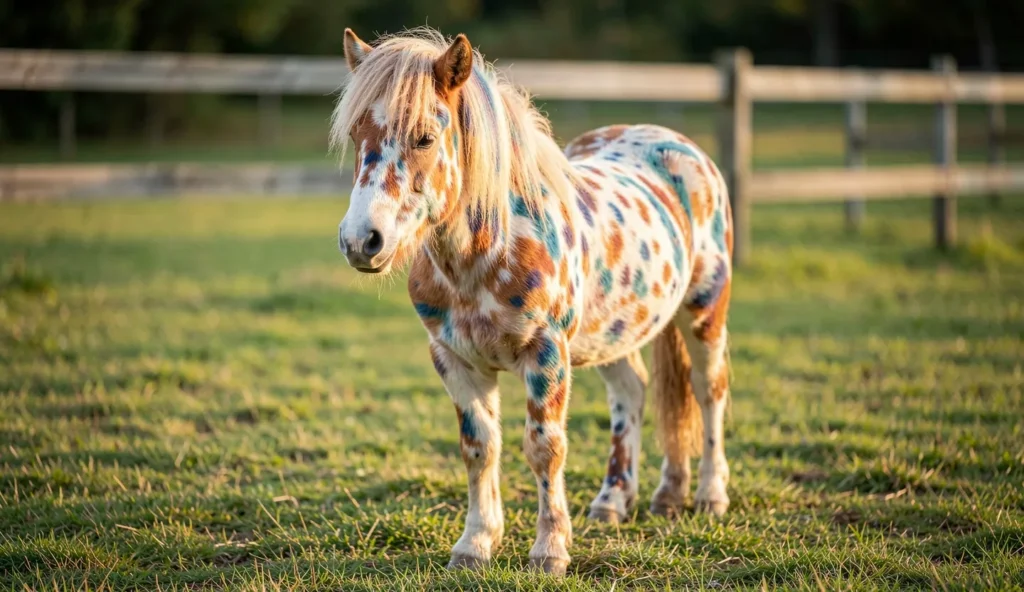
The Pony of the Americas is a small pony type developed in the United States for youth riders and family lesson programs. It stands out for Appaloosa-like coloration and a body size that supports safe, age-appropriate riding. Because of its visual markings and typically manageable demeanor, many pony show families also choose it for the ring and for consistent daily handling.
Origins And Development
POA history starts with breeders creating a pony that offered Appaloosa-style color in a size that fit children and younger riders. Appaloosa influence shows up most clearly through mottling, speckling, and spotted pattern effects. Breeders also aimed to keep the ponies practical for everyday riding and manageable for handlers. Over time, repeat show success and focused breeding programs helped establish the breed as its own recognizable type.
That development goal matters for youth programs because it ties appearance to function. When color comes from a known pattern tradition, families can better predict what future ponies may resemble. For a broader look at the spotted-color heritage behind this style, the Appaloosa Horse article provides useful context about the larger color family.
Typical Size And Build
Most Pony of the Americas ponies fall into a compact, youth-friendly size range. The build generally stays sturdy enough for daily riding while still looking balanced and athletic in motion. Legs typically support steady movement, which helps during lessons, show preparation, and daily turnout routines. With correct care and consistent work, the body proportions usually remain durable for the demands placed on a youth mount.
When selecting a pony, buyers often compare frame, leg soundness, and overall balance rather than focusing only on height. This approach helps confirm the pony can handle walking, trotting, and controlled training without discomfort. It also supports long-term comfort for riders who may have limited experience.
Most Common Use Cases
POA ponies often appear in youth riding programs, especially where family-friendly handling matters. They also show up at pony shows where color and pattern visibility get attention from judges and spectators. For some riders, trail riding becomes an option when training and temperament match the route and conditions. In beginner settings, the pony can work well when the barn team fits tack correctly and maintains predictable daily routines.
Because Pony of the Americas ponies combine color with day-to-day rideability, many barns treat them as multipurpose mounts. Still, matching the pony to the rider’s skill level stays essential. The same principle applies across pony breeds, and families sometimes compare options such as a Shetland pony for strength in smaller frames or a Welsh pony for versatility.
Appearance And POA Coat Patterns
POA appearance draws attention first, especially because many ponies show mottling and speckling similar to an Appaloosa look. The base coat can vary, while the recognizable pattern effects remain the focus. For show families, good pattern visibility often depends on coat health and consistent grooming. For buyers, learning how POA coat patterns vary helps make selection easier.
Core Physical Traits
Many Pony of the Americas show a compact frame suited to pony work and youth riders. The head and neck shape often looks alert, yet the overall presence typically stays manageable for handlers. Coat quality can appear glossy when the skin and hair stay healthy. When grooming removes buildup without damaging skin, the markings often look sharper in person.
Movement is also part of appearance. A balanced build tends to support smoother walking and trotting, which helps riders feel stable during lessons. During evaluation, it helps to watch the pony move from different angles rather than relying only on still photos.
Appaloosa Influence In The Markings
Appaloosa influence shows up as mottling, speckling, and spotting effects across the body and sometimes the face. Some ponies show stronger pattern coverage that stands out immediately, while others look lighter and more subtle. Pattern expression can shift over time, including seasonal changes that affect contrast. As a result, two ponies with similar parentage may display different intensity at the time of sale or showing.
Evaluating under consistent lighting helps families judge contrast accurately. It also helps to confirm that the pattern looks natural across both sides of the body. When irregular patchiness occurs, it can sometimes reflect coat condition or skin irritation rather than true pattern structure.
Common Coat Pattern Types To Expect
Several pattern styles appear in POA coat patterns, and each can affect how the pony looks in the show ring. Leopard-like patterns may show heavier coverage, sometimes creating a more intense spotted appearance. Blanket-type spotting can cover the hindquarters and blend into surrounding areas. Speckled and mottled facial markings can also show, adding visual interest to the head and neck.
In most cases, base colors remain variable, but the pattern presence defines what people recognize as POA-like appearance. That means two ponies can look different in color while still sharing the same general spotted effect. Buyers should remember that pattern visibility often improves with good grooming, parasite prevention, and appropriate feeding.
How To Evaluate A Pony In Person
In-person evaluation should prioritize soundness and balance, then move to coat evaluation. First, checking overall proportions and movement helps confirm the pony can carry a youth rider safely. Next, the coat should look even and clean, with clearer edges where spotting transitions. Skin health matters because pigment depends on a healthy coat and normal underlying circulation.
Legs should also receive careful attention. Even when coloration is impressive, lameness or uneven wear can limit the pony’s training potential. Therefore, coat assessment works best when combined with a basic soundness check and a quick look at hoof condition.
When families are comparing multiple pony types, it can help to review how other breeds maintain coat quality in daily care. For instance, learning about general hardy pony care alongside a Shetland pony overview can improve grooming habits and expectations about coat thickness and shedding. Likewise, some families compare show expectations across versatile breeds like the Welsh pony to understand how presentation matters.
POA Temperament And Personality
POA temperament typically lands in the steady, approachable category when the pony receives consistent handling. Youth riders often need predictable reactions during grooming, tacking, mounting, and basic training. Still, individual personalities differ, and training methods influence behavior more than color does. For that reason, matching the pony’s temperament to the rider’s experience stays central for safety.
General Temperament Traits
Many owners describe POA temperament as calm and manageable, especially in structured environments. Some ponies also show curiosity and attention during daily care, which can make them engaging for young handlers. Herd experience and early handling often shape how quickly a pony relaxes with new people. When routine stays consistent, many ponies learn to accept tack and handling without major resistance.
However, temperament can change with stress. Transport, new barns, changes in routine, and unstable schooling schedules can lead to more tense behavior. Those factors do not mean the pony is unsafe, but they do mean preparation needs to stay practical and gradual.
Behavior With Training And Consistency
Training works best when the pony learns clear patterns and when caregivers stay consistent. Grooming and tack habituation often go smoothly when the pony starts young and receives positive, low-pressure sessions. If different riders use mixed cues, the pony may hesitate or react with confusion. Consistency helps the pony understand what the handler wants during lessons, show days, and routine care.
For youth riders, consistency also supports confidence. When the pony responds the same way to the same aids, riders can focus on learning seat position, timing, and basic control. In that sense, temperament becomes a training tool, not just a personality trait.
Best Rider Match For POAs
POA temperament often suits youth riders who need a steady mount while learning basic riding skills. Pony show families may also value reliability at events, including loading, waiting, and calm behavior in busy arenas. Beginners can handle Pony of the Americas successfully when tack fit supports safe posture and when supervision stays available. The best matches pair a pony with predictable responses and a rider with realistic goals.
It also helps to consider how each pony reacts to new environments. Some ponies adjust quickly to travel and show sounds, while others need repeated exposure. Therefore, families often plan short practice trips before the first major event.
Exercise Requirements For A Healthy POA
Healthy Pony of the Americas ponies require regular movement, not only for fitness but also for mental balance. Youth programs may ride several days per week, yet turnout and conditioning still matter. A well-managed exercise plan supports muscle comfort, reduces stiffness, and helps prevent stress-related behavior. When the schedule matches the pony’s workload and growth stage, performance usually improves.
Daily Movement Needs
Daily movement helps with overall health and supports joint comfort. Regular turnout gives ponies natural activity and helps them avoid boredom during rest days. Riding schedules should align with conditioning so the pony receives steady work without overload. Warm up and cool down periods reduce stiffness after sessions, especially for ponies used for lessons.
Even in barns with limited space, movement can be planned through safe turnout rotation and controlled riding days. If turnout stays inconsistent, the pony may show restlessness or reluctance when ridden. Those signs often improve when routine becomes predictable.
Types Of Exercise That Fit Youth Riding
Youth riding often benefits from short, structured sessions that build skills gradually. Light riding helps riders practice balance and coordination without overwhelming the pony. Walking and steady trotting usually support safe skill development when tack fits correctly and the footing stays clean. Short training blocks reduce fatigue for both pony and rider.
Groundwork also supports overall responsiveness. Leading practice, simple desensitization tasks, and standing work help handlers manage everyday situations. When groundwork stays part of the routine, the pony typically handles grooming, saddling, and mounting more calmly.
Signs The Exercise Plan Needs Adjustment
Reluctance to move can indicate soreness, poor footing, or stress from handling. Stiffness after riding may signal a conditioning gap or discomfort tied to workload. Restlessness often points to turnout gaps, overcrowded schedules, or too much pressure during training sessions. When these signs appear, adjusting workload and checking fit can improve outcomes quickly.
Hoof problems can also show through exercise changes. If the pony shortens its stride or shifts weight, the schedule should slow until a farrier or veterinarian evaluates the feet. Keeping careful notes on ride behavior and timing helps detect patterns early.
Training Tips For Youth Riders And Pony Show Families
Training for Pony of the Americas should focus on safe handling, clear communication, and show readiness. Youth riders benefit from repeatable routines, while pony show families need training that supports travel, waiting, and quick tack changes. A thoughtful training plan keeps the process manageable without overcomplicating it. When caregivers coordinate across riders, the pony typically learns faster and with less stress.
Foundation Handling And Tack Habituation
Foundation handling should start with calm grooming and respectful leading. Tack introduction works best when it happens gradually and sessions remain short. The pony should learn to stand quietly for saddling and girthing, since those moments happen every ride. Early habituation reduces the risk of sudden moves during mounting and dismounting.
Tack habituation also includes learning safe patterns for tightening girths and adjusting straps. When handlers stay consistent, the pony usually stays relaxed during routine care. If the pony shows tension, the best response involves slowing down and revisiting the basics before adding new training cues.
Rider Safety Priorities
Rider safety priorities center on predictable responses to rider cues. Riders should use consistent aids rather than changing positions mid-ask, since confusing signals can cause hesitation. Simple patterns support confidence, especially for younger riders still learning balance and timing. Clear, repeatable tasks help the pony understand what to expect from each lesson.
When multiple children ride the same pony, consistency must extend across people. Stable expectations reduce mixed pressure and help the pony stay calm. Barn teams also typically standardize tack and setup so the pony experiences similar conditions each time.
Event And Travel Readiness
Event preparation should include loading and unloading practice in a low-stress setting. Ponies used to travel adjust faster when they learn the routine before the show date. Show environments bring new sounds, people, and crowd movement, so exposure should increase gradually. After transport, gentle movement and hydration support recovery before the rider starts schooling.
Waiting periods matter just as much as arena practice. Ponies that learn to stand calmly during loading lines often handle show days with less stress. This habit can develop through repeated routines during schooling and show-like sessions.
Reinforcing Good Manners
Good manners reinforce safety during grooming, tack changes, and ground handling. Reward calm behavior so the pony associates handling with predictable outcomes. Clear boundaries should guide how the pony stands, yields space, and accepts contact around the legs and girth area. Complex maneuvers should wait until the rider and pony show consistent understanding of basic aids.
In addition, families sometimes compare training style across other breeds to understand how temperament may present differently. For example, lessons learned from American Saddlebred training resources can help families see how motion and responsiveness may vary across types. Yet, the daily approach for Pony of the Americas should remain grounded in calm routines and consistent expectations.
Grooming And POA Care
Effective POA care focuses on coat health, skin comfort, hoof maintenance, and feeding basics. Because coat patterns depend on healthy skin and clean hair, grooming becomes more than appearance. For show families, grooming also supports confidence because riders and handlers can spot changes quickly. With a consistent routine, colorful markings often look brighter and cleaner.
Daily Grooming Checklist
A daily grooming checklist supports early problem detection and improves coat visibility. Brushing removes dirt and lifts loose hair so the coat looks even. During grooming, handlers should check legs, hooves, and coat for irritation or swelling. After riding, sweat removal and drying support comfort and skin stability.
Routine checks also help track pattern clarity. Skin changes can affect how mottling and speckling appear in the short term. When dryness or irritation appears, addressing it promptly can protect the coat from dullness.
Coat And Skin Care For Colorful Markings
Healthy skin supports the look of bright coat appearance, especially with mottled and speckled patterns. Dryness should receive timely care using products that match the pony’s skin type. Parasite control also matters because irritation and coat dullness can reduce contrast. Over-bathing can strip natural oils, so washing should stay limited and purposeful.
To maintain skin comfort, grooming tools should be used gently. Rough scrubbing can worsen dryness and lead to patchy coat appearance that looks like pattern changes. For ponies that shed heavily, the routine should increase frequency rather than force stronger cleaning.
Hoof Care Basics
Hoof care supports movement, soundness, and long-term riding comfort. A schedule for routine trimming or farrier visits helps prevent uneven wear and reduces risk of injury. Daily hoof cleaning removes debris and helps owners spot early concerns such as tenderness. Monitoring for heat, cracks, or uneven wear helps identify problems before lameness increases.
Since youth riders often ride several days per week, hooves experience consistent load. That makes regular assessment even more valuable. If the pony shows short steps after riding, hoof evaluation should happen quickly.
Diet And Nutrition Essentials
Diet should center on quality forage and dependable pasture access. Fresh water should remain available so digestion stays stable and coat health supports normal shedding. Concentrates should only be used when needed and in measured amounts based on workload and body condition. Feed adjustments should match growth stage, riding level, and overall condition score.
For ponies that gain weight easily, forage and treat portions may require careful planning. For active lesson ponies, energy needs can increase, but portion changes should still be gradual. When dietary changes happen abruptly, digestion issues can follow and appetite may shift.
Supplements And Treats
Treats should remain limited, especially in training days when the pony already receives forage and work. Supplements should not replace a balanced base diet, and they should only follow when diet gaps are identified. Sudden feed changes can disrupt digestion, so switching products or timing should happen slowly. The safest approach uses simple, consistent feeding schedules paired with routine body condition checks.
If nutritional questions arise, local feed programs and veterinary guidance can help align rations. This process parallels general care decisions across other pony breeds, such as how owners plan feeding for a Morgan horse when matching workload and body condition.
Common Health Issues In Pony Of The Americas
Like all ponies, Pony of the Americas can face health issues influenced by workload, environment, and daily management. Most problems become easier to manage when owners monitor early warning signs and keep routine veterinary care current. Families using POA ponies for youth riding should pay extra attention to hoof comfort and skin health. Weight management also matters because pasture changes can affect body condition quickly.
Preventive Health And Routine Veterinary Care
Preventive health relies on scheduled vaccinations and parasite control designed for local risk. A veterinarian can also guide dental check timing, which supports efficient chewing and steady nutrition. Deworming plans should match seasonal parasite concerns rather than relying on guesswork. Regular veterinary attention reduces the chance that issues develop unnoticed during busy lesson schedules.
Dental health plays a practical role for youth ponies. If chewing becomes difficult, appetite may drop and body condition may change. Monitoring eating behavior and stool consistency can help detect early concerns.
Hoof And Limb Problems To Watch
Hoof problems and limb discomfort often show through changes in movement and behavior. Lameness can develop from workload, footing issues, or delays in trimming. Uneven wear can signal that trimming timing needs adjustment. Owners should watch for signs of discomfort after sessions, such as reluctance to walk or altered stride length.
When a pony shows a sudden change in performance, the response should be to check feet and evaluate tack fit. Saddle fit that presses in the wrong area can also contribute to uneven posture. Therefore, basic checks should happen before increased training pressure.
Skin And Coat Concerns
Skin and coat concerns can affect both comfort and pattern appearance. Itching and patchy coat can come from parasites, allergies, or underlying skin irritation. Dryness can reduce coat sheen and make mottling look less distinct. Early treatment supports faster recovery and reduces stress during grooming and riding.
Because POA coloration depends on coat health, skin problems can make markings seem inconsistent. Addressing irritation promptly restores a more normal look. This also improves the pony’s comfort for youth riders who may handle the pony frequently.
Weight Management And Metabolic Risks
Weight management becomes important when pasture availability changes across seasons. Some ponies gain easily and can develop metabolic stress if forage access stays high. Body condition score should be tracked regularly, and feeding should match actual work level. When weight shifts, forage limits and feed adjustments often help stabilize the condition.
Managing weight also supports hoof comfort and reduces strain during riding. It can be harder to notice early metabolic changes without routine body condition checks. Therefore, consistent scoring helps families make timely adjustments.
Is A Pony Of The Americas Right For You?
Pony of the Americas can suit families who want a colorful pony for youth riding and pony show participation. The right choice depends on care capacity, rider experience level, and daily routines at the barn. When families can provide regular grooming, farrier scheduling, and consistent handling, POA ponies often fit well. That said, individual temperament and health history still matter more than coat patterns alone.
Good Fit Scenarios
POA can fit well when families need a pony for youth riders and consistent daily handling. Show families may also value the pattern visibility that supports color-focused competition. Owners who can manage regular grooming and farrier scheduling help maintain bright coats and stable soundness. Barns with structured routines for tack changes and training also support POA care success.
Some buyers also explore other pony breeds to compare sizes and ride styles. For example, a Welsh pony may appeal to families seeking variety in a versatile pony type. Others look at Exmoor pony strength for survival-style hardiness. Those comparisons can help clarify what matters most for a specific household.
Considerations Before Choosing
Before choosing, health history should receive attention similar to coat pattern interest. Temperament should match the intended rider, including how the pony reacts during grooming and mounting. If a pony comes from light use, conditioning plans should start gently and build over time. Tack fit must also be confirmed so the rider can maintain safe posture and clear control.
Confirming the pony’s daily behavior at the barn helps avoid surprises later. A pony that looks calm in the stall may act differently under saddling and schooling. Therefore, observing routine handling provides better insight than relying on a single ride session.
Questions To Ask Breeders Or Trainers
When talking with breeders or trainers, questions should focus on daily behavior and practical management. Ask how the pony handled previous riders and training sessions, especially youth handlers if that is the plan. Request details on the current diet and how it supported growth or work level. It also helps to ask about hoof care scheduling and any prior lameness episodes.
Show-like behavior should be part of the conversation too. Questions about transport calmness, waiting behavior, and reactions to show sounds help families plan for event readiness. These details connect directly to rider safety and reduce stress for both pony and youth riders.
FAQs: Pony Of The Americas
How Big Do Pony Of The Americas Ponies Typically Get?
POA ponies fit the youth riding size need, though exact height can vary by individual and breeding lines. Buyers should confirm height with the specific pony rather than relying on general ranges.
What Kind Of Coat Patterns Are Common In Pony Of The Americas?
Many POA ponies show Appaloosa-like mottling, speckling, and spotted pattern effects. Coverage intensity can range from light spotting to more blanket-like patterning.
What Temperament Should Owners Expect From Pony Of The Americas?
POA temperament is often steady and manageable when handling stays consistent. Training, past experiences, and barn routine strongly influence daily behavior.
How Much Exercise Does A Pony Of The Americas Need?
Regular turnout and frequent movement support health and comfort. Riding should match conditioning, with workload adjusted to avoid overwork.
What Should Pony Of The Americas Owners Feed Day To Day?
Day-to-day feeding should center on quality forage and fresh water at all times. Concentrates should only be used when needed and provided in measured amounts.
What Health Issues Are Most Important To Monitor In POA Ponies?
Hoof problems and lameness signs deserve close monitoring with regular farrier care. Skin and coat concerns, dental health, and weight changes also matter for long-term wellbeing.
Final Note On Pony Of The Americas Care
With consistent Pony of the Americas care, training routines, and health monitoring, these ponies can support youth riding goals while keeping colorful markings at their best. Responsible daily husbandry helps ensure both comfort and dependable performance for riders and exhibitors.