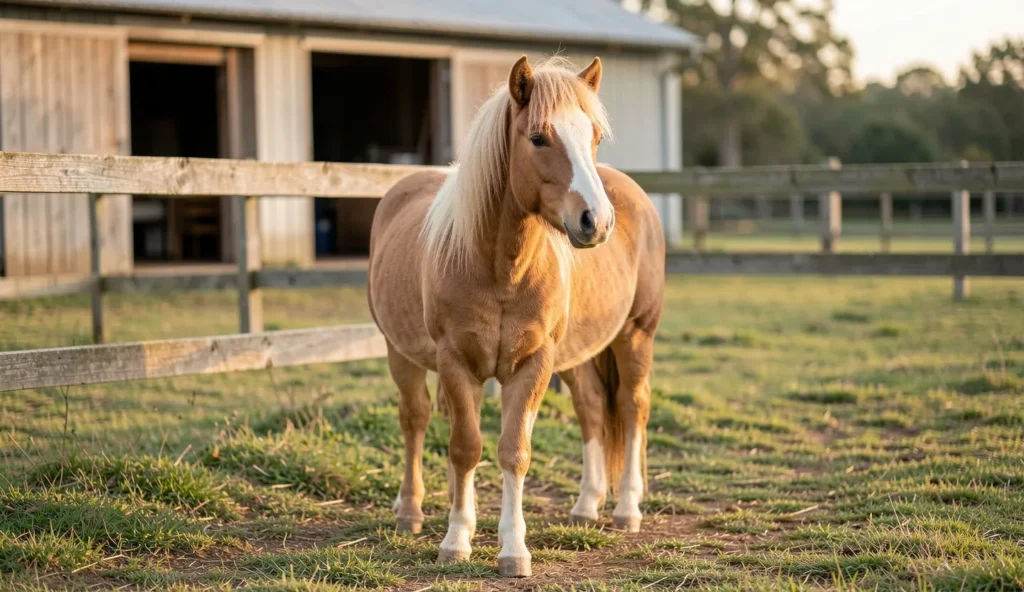
What Is an American Quarter Pony?
American Quarter Pony refers to a compact pony type developed from Quarter Horse lines and selective pony crosses. The goal focuses on athletic movement, a smaller build, and a temperament that can fit youth and Western riding. Many breeders aim for a steady disposition so training can stay calm and consistent in busy barns.
Quarter Pony history reflects this practical blending of traits rather than a single breed registry style. Instead of emphasizing showy differences, the development process typically targets soundness, usability, and reliable handling. As a result, American Quarter Pony types often feel more manageable than larger stock when riders need control and balance.
Breed Origins and Quarter Pony History
American Quarter Pony history starts with Quarter Horse breeding combined with pony crosses to reduce height while keeping structure. Breeders select for compact proportions, correct leg angles, and useful athletic motion. Western-friendly traits also matter because many buyers plan to ride in arena and trail settings.
Over time, modern breeding goals tend to include soundness and a steady disposition under tack. Training success depends on both anatomy and temperament, so selection often accounts for how young stock behave during daily handling. Quarter Pony care starts early because early routines can shape manners and confidence.
Key Breed Traits That Stand Out
American Quarter Pony types usually show a compact body with an athletic build. The frame often supports quick stopping and turning, which matches Western patterns and controlled riding. Many individuals also show calm cooperation, especially when daily work stays predictable.
In addition, this pony type can suit youth riders and smaller adults who want balance and responsiveness. Quarter Pony uses frequently include lesson programs and progression riding. Western disciplines often benefit from the combination of steady temperament and supportive conformation.
How Does an American Quarter Pony Look and Move?
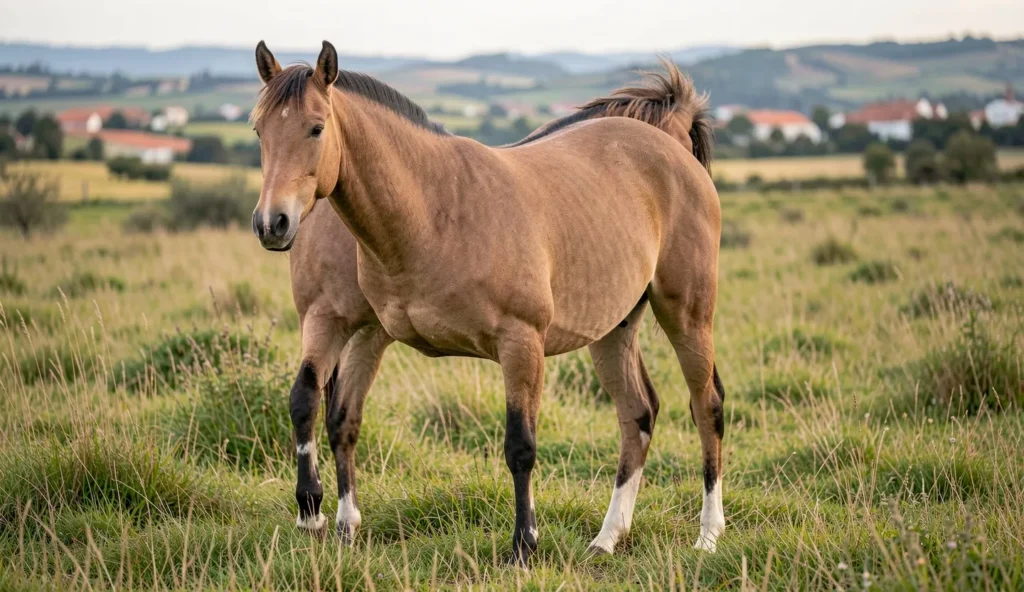
Appearance helps riders confirm they chose the right pony type. American Quarter Pony commonly has compact, muscular structure built for movement that stays efficient under saddle. Even when color varies, the overall body shape usually signals athletic readiness.
Movement also matters because athletic structure should support smooth transitions between gaits. When soundness is present, riders often notice a level of coordination that feels easier to control. This practical build explains why the breed type often fits Western riding pony needs.
Typical Height and Build
American Quarter Pony is usually kept in a smaller, compact pony range to match youth and compact rider goals. Most examples show muscular substance with a low-to-moderate height. The ribcage often appears well-set, supporting efficient breathing and movement.
Leg strength also stands out because turning and stopping work require stable support. Strong legs help transmit power through the body without losing balance. When owners plan Quarter Pony care, they also plan exercise that builds this strength safely over time.
Head, Neck, and Body Conformation
Head structure often looks refined while still staying sturdy enough for daily tack-up. The neck typically provides a practical balance for rein contact and steady cues. Back and hip shape commonly aim for athletic performance, including collection-like work at appropriate levels.
The croup area usually supports power generation, especially during quick changes in direction. With correct conformation, the pony can engage hindquarters more effectively. That helps when youth riders practice progressive patterns in a controlled arena.
Coat Colors and Common Markings
American Quarter Pony coat colors can vary across breeding lines, so many shades appear within this type. Markings also differ between individuals, including facial patterns and body markings. However, color alone cannot replace an evaluation of soundness and training suitability.
Instead, buyers should assess conformation, attitude, and how the pony handles tack and grooming. Quarter Pony temperament affects training outcomes more than any single coat pattern. For reference on Western-focused color genetics, some riders also study breeds like the American Paint Horse, which can share similar Western ownership interests.
What Is the Quarter Pony Temperament Like in Daily Life?
Quarter Pony temperament often defines whether the pony works well for youth riders and beginner programs. Many American Quarter Pony types show calm cooperation during grooming, tack preparation, and routine handling. Still, the best results usually come from consistent expectations and patient repetition.
In a barn setting, steady ponies can handle the normal noise of lessons and traffic. That stability matters when a rider is still learning balance, rein cues, and safe response to movement. With that foundation, Quarter Pony training basics stay simpler and more predictable.
How Calm Nature Shows Up in Daily Handling
Many American Quarter Ponies tolerate daily grooming, saddle checks, and tack adjustments without strong resistance. They often stay steady in familiar arenas and repeat routines around the stable. Even so, training should still use clear handling because consistency prevents confusion.
Early handling strongly influences confidence and willingness. When the pony learns that touch and equipment bring normal outcomes, it usually responds better under saddle. Owners who follow practical Quarter Pony care routines can reduce stress-related behavior during lessons.
Trainability and Work Ethic
American Quarter Ponies usually respond well to patient, consistent guidance. They tend to prefer clear expectations and predictable sessions that match their experience level. Positive reinforcement and correct timing often work better than harsh corrections.
Many ponies learn quickly when foundation work supports balance and comfort. That foundation includes proper desensitization, safe movement, and reliable cues. Over time, this makes training sessions more efficient for youth riders and lesson instructors.
Behavior Considerations for Youth Riders
Youth riders benefit most when the pony shows calm ears, relaxed breathing, and balanced posture during groundwork. Owners should also prioritize safe reactions to sudden sounds, flapping tack, or unexpected movement. A pony with good ground manners often improves safety and confidence for beginners.
Supervision still matters for every training stage, even with steady temperaments. A calm pony does not remove the need for safe mounting procedures and correct rider positioning. For families also comparing compact mounts, similar small equine profiles like the Shetland pony can help highlight how size and temperament both influence suitability.
Where Do American Quarter Ponies Fit Best in Western Riding?
Quarter Pony uses often center on Western riding because the pony type supports stop-and-turn patterns and controlled speed. Many American Quarter Ponies also work well for trail riding and everyday arena practice. Owners frequently choose this type when they want a compact partner that still shows athletic ability.
Versatility matters because riders often shift between lessons, shows, and casual work. When the pony temperament stays steady, training progress tends to continue without major setbacks. That reliability supports both youth progression and smaller-adult enjoyment.
Western Riding Disciplines
American Quarter Ponies can work in a range of Western disciplines, especially when riders need quick control. Many are suitable for trail riding and everyday arena work that builds coordination. Others fit reining-style training that emphasizes stop-and-turn patterns and precise transitions.
Because the pony type often supports speed control and responsiveness, trainers can practice controlled exercises safely. Beginner progression programs also benefit when the pony stays calm and willing. In some barns, riders compare fit with larger counterparts like the American Quarter Horse when planning expectations.
Versatile Jobs for Different Riders
Youth riders often do best with an American Quarter Pony that remains steady under lesson traffic. The pony type can also suit smaller adults who want a compact mount that still feels athletic. Families frequently like the combination of manageable size and cooperative demeanor.
Quarter Pony temperament also supports hobby riders who want a consistent partner for regular practice. Lesson programs often prefer ponies that tolerate tack routines and equipment changes. For riders studying other American horse types, the American Saddlebred profile can offer contrast in how movement goals shape training style.
What Are the Key American Quarter Pony Care Essentials?
Quarter Pony care combines housing, feeding routines, grooming, and consistent conditioning. American Quarter Pony types can stay healthy when owners manage daily basics and monitor changes early. Because compact ponies still need appropriate work, care must balance comfort and fitness.
Successful care also includes safe handling and safe turnout. When these routines run smoothly, stress stays lower and training can progress more reliably. Over time, the pony’s coat and hooves usually reflect how well the daily plan works.
Housing and Stable Management
Provide safe footing and dry areas for standing and turnout to reduce slip and skin issues. Clean bedding helps prevent irritation and reduces respiratory stress from dusty environments. Owners should also use secure fencing and stable doors so turnout remains safe for young riders and staff.
Weather protection matters because ponies still need shade in heat and shelter during rain or cold snaps. When airflow stays balanced and stalls stay dry, skin problems become less common. For owners comparing housing style to other hardy pony types, the Welsh pony overview can offer broader context on how hardy equines handle different climates.
Diet and Nutrition Basics
Most American Quarter Ponies do best with quality forage as the diet foundation. Consistent feeding supports stable digestion and reduces stress during routine changes. Fresh water also plays a daily role, so access and refill schedules must stay reliable.
Concentrates should typically match work level and body needs rather than follow guesswork. Salt and mineral supplements can help depending on regional forage balance. Owners can track body condition score monthly to keep weight in a safe range.
For youth riders, simpler routines reduce mistakes. Measured feeding also supports consistent performance during lessons. When diet choices need adjustments, a veterinarian can guide a plan based on body condition and activity.
Grooming and Basic Hygiene
Brush American Quarter Ponies regularly to support skin health and coat condition. Grooming also creates a chance to detect swelling, heat, or rubbing on legs. Clean tack helps prevent skin irritation, especially for riders who share equipment between lessons.
Lower legs need extra attention because mud and friction can lead to irritation. Owners should keep lower legs clean, especially after wet turnout. A simple, repeatable routine makes grooming easier for families managing busy schedules.
- Brush daily during shedding season to reduce matting
- Check girth and saddle areas for rub marks
- Rinse legs after muddy turnout when needed
- Clean tack after sweaty work sessions
- Inspect the mane and tail for debris
Hoof Care and Farrier Schedule
Hooves require regular attention because balance affects comfort and movement. Schedule trimming or shoeing based on growth rate, wear patterns, and how the pony works. Owners should watch for uneven wear, wall cracking, or signs of discomfort after riding.
Proper hoof alignment helps support the joints and tendons used during stopping and turning. Keeping accurate notes also helps the farrier adjust techniques for the pony’s needs. When health concerns arise, sharing details about work schedule supports faster problem-solving.
For riders comparing compact builds, a pony like the Morgan horse can provide contrast in how hoof and movement goals vary across breed types. Still, hoof plans should always follow the individual pony and not a generic template.
Exercise and Conditioning Needs
Exercise supports tendon strength and joint mobility, so movement should stay regular. Turnout helps, but schooling sessions also matter for training goals. Work should match the pony’s experience, rider level, and current condition.
Warm up slowly to protect tendons and joints, especially before pattern practice. Increase work gradually and avoid sudden spikes in intensity. This approach helps prevent soreness and supports consistent progress for youth lessons.
When training includes new exercises, the rider should add changes one at a time. That pacing also lets owners monitor reactions and adjust promptly. Pony health improves when routines build fitness without overload.
What Common Health Issues Should Owners Monitor?
American Quarter Pony health concerns often relate to musculoskeletal comfort and feeding management. Compact body types can still develop lameness or soreness if owners ignore early signals. Monitoring helps prevent small issues from becoming expensive problems.
Owners also benefit from tracking patterns, such as when soreness appears after certain rides. That evidence supports better farrier visits and vet decisions. Regular observation supports practical Quarter Pony care and safer training sessions.
Musculoskeletal and Lameness Signals
Watch for uneven stride, shortened steps, or reluctance to move forward. Stiffness after work or turnout can also signal joint or tendon stress. Back soreness may appear after saddle sessions, so saddle fit and mounting technique also matter.
Lameness should get attention early rather than delayed. When owners act quickly, outcomes often improve because treatment begins before compensation patterns develop. Riders can also reduce risk by keeping work progressive and avoiding abrupt changes.
- Uneven steps during warm up or after patterns
- Head nodding or pinned ears during mounting
- Swelling around joints after exercise
- Shortened stride on the same side repeatedly
- Reluctance when saddling or tightening girth
Metabolic and Feeding Related Risks
Body condition tracking helps manage overweight risks that affect joints and comfort. Pasture access in high-sugar seasons can raise metabolic risk, so grazing plans should match local conditions. Forage intake stays important, but owners should avoid random feed changes.
Discuss bloodwork schedules with a veterinarian when metabolic risk is suspected. Measured feeding supports stable energy and reduces digestive problems. This type of routine planning protects both pony health and rider safety.
Skin, Parasites, and Seasonal Care
Parasite control should rely on a routine plan that includes fecal testing. That approach provides more targeted treatment than guessing. Owners should also watch for mud fever and irritation on lower legs after wet weather.
Pests can increase stress and irritation, so barn hygiene and grooming support seasonal comfort. Allergies and seasonal sensitivities may require adjustments in grooming products and turnout strategy. When skin issues appear, early treatment can limit discomfort and prevent secondary infections.
To broaden knowledge on how equine health plans vary by type, some riders compare care routines with other American breeds like the Appaloosa, especially when coat and skin considerations come up. Still, each pony needs a plan based on its own history and living conditions.
Is an American Quarter Pony Right for You?
American Quarter Pony eligibility depends on environment, rider goals, and responsible selection. Many youth riders benefit from a steady, manageable mount with athletic enough ability for Western patterns. Families also need the time to support grooming, hoof care, and consistent training schedules.
Before bringing a pony home, buyers should confirm that the pony’s condition matches the planned level of riding. A calm temperament helps, but it does not replace basic safety checks and health verification. Quarter Pony care becomes easier when the right match exists from the start.
Who Usually Does Best With This Pony Type
Youth riders often do best when the pony stays cooperative during tack-up and ground work. Western riding fans also favor this type for arena practice and stop-and-turn exercises. Families prepared for regular grooming and consistent feeding usually manage day-to-day care with fewer complications.
Owners who value patient training and clear routines can usually see better results during progression. Quarter Pony temperament often supports stable learning, especially when instruction stays consistent. For comparison in compact equine decision-making, some owners also look at Shetland pony profiles for temperament expectations.
What to Check Before Bringing One Home
Before purchase, review health records and confirm recent farrier work. During viewing, observe behavior during tack-up, brushing, and basic handling. Confirm fitness level matches the intended riding schedule, including how the pony performs at walk, trot, and in calm transitions.
A pre-purchase exam can prevent surprises by assessing soundness and current health status. When possible, ask questions about training background and identify any patterns related to lameness history. If the pony will be used for Western riding pony activities, fitness and comfort should align with those plans.
For riders who want context on other Quarter Horse based choices, comparing expectations with the American Quarter Horse can help clarify size and discipline differences. That comparison can guide better selection decisions and support safer training goals.
Frequently Asked Questions
How Tall Do American Quarter Ponies Usually Get?
American Quarter Ponies are typically kept in a smaller, compact pony size range. Individual height varies based on breeding lines and how the pony type was selected.
What Is the American Quarter Pony Temperament Like for Beginners?
American Quarter Pony temperament often trends calm and cooperative with consistent handling. Training, socialization, and individual personality still affect how a pony behaves under saddle.
What Disciplines Are American Quarter Ponies Best For?
American Quarter Ponies commonly fit Western riding and versatile arena work. Many also handle trail riding and progressive youth lessons when the training foundation supports safe movement.
What Should an American Quarter Pony Eat Day to Day?
Forage usually forms the main part of the diet for most ponies. Concentrates should be added only when needed and measured for the pony’s work level and body condition.
How Often Should Hooves Be Trimmed or Shod?
Farrier schedules vary by growth rate and hoof wear. A common approach is every 4 to 8 weeks, adjusted to the individual pony.
What Health Problems Should Owners Monitor Most Closely?
Owners should monitor lameness signals and musculoskeletal soreness early. Tracking body condition also helps manage metabolic risks tied to feeding and seasonal pasture access.
Final Note on Choosing and Caring for This Pony Type
American Quarter Pony types can become dependable riding partners when care stays consistent and training follows safe progression. With regular grooming, hoof attention, and measured nutrition, the compact athletic build can stay comfortable for daily work.