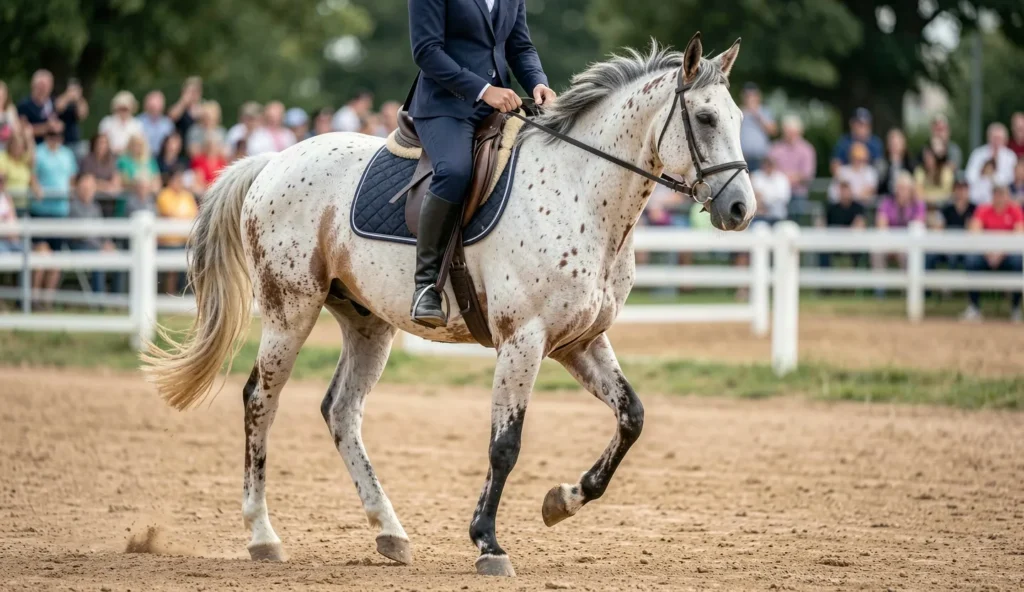
What Is a Spotted Saddle Horse?
The Spotted Saddle Horse is a gaited show horse known for a distinctive spotted pinto coat and smooth, comfortable movement under saddle. This breed developed around the American saddle traditions where rider comfort and steady motion mattered as much as appearance. Many owners choose it for pleasure riding and show classes where quality gait carries real value.
Spotted Saddle history ties together gaited American saddle types with pinto color families. Over time, selective breeding emphasized both the coat pattern and the ability to perform a controlled, high stepping style. Because of that, the Spotted Saddle Horse often stands out in a lineup even before the first hoof beat.
Breed Origins and Development
Spotted Saddle development focused on producing a calm, rideable horse with smooth performance. Breeders selected animals that kept rhythm under saddle and could maintain comfort at show pace. Those choices helped shape the typical look and movement people expect today.
The breed roots also reflect pinto heritage. Many Spotted Saddle horses express piebald or tobiano type spotting on a base coat. Instead of relying on speed alone, breeding favored horses that could deliver an even cadence and balanced carriage.
Key Traits People Look For
Show buyers often prioritize bold, clear spotting on a pinto base. In many rings, a pattern that looks balanced from front to back receives attention during evaluation. Coat clarity also helps judges separate a standard look from a more standout one.
High stepping saddle gaits and smooth transitions count as a core selling point. Riders generally want a horse that feels steady rather than rushed. As a result, classes that reward smoothness reward the same traits that make the Spotted Saddle Horse popular for pleasure work.
For readers who also enjoy other color and gait styles, comparing breeds can help set expectations. For example, an Appaloosa Horse often shows a different pattern type, while still providing a strong visual impact. That contrast can clarify how “spotted” look varies across coat genetics and breed standards.
Appearance and Color Patterns
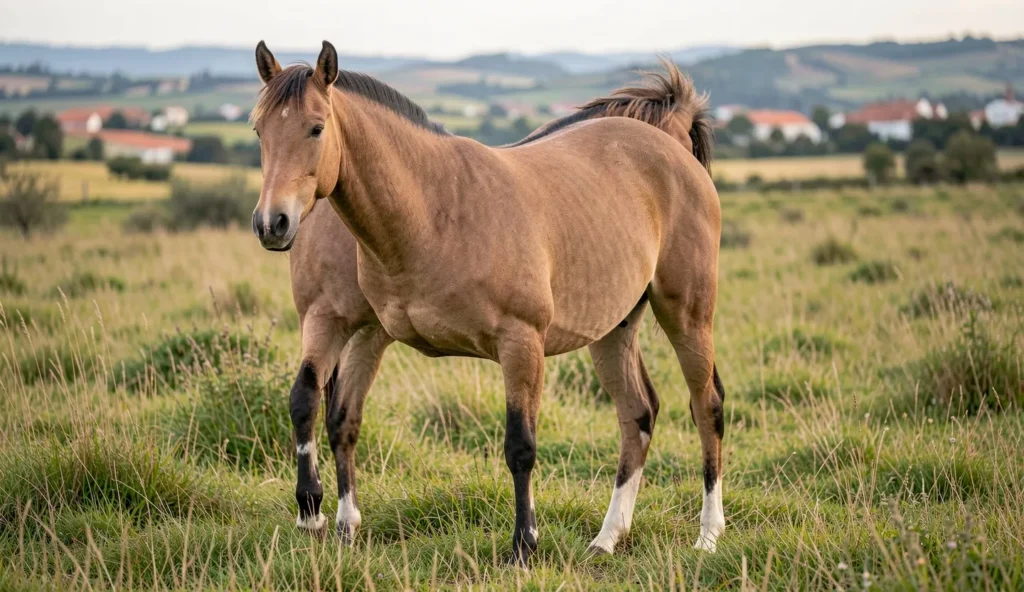
Appearance matters quickly when identifying a Spotted Saddle Horse at a show. The most recognizable feature is the spotted pinto coat, often paired with a built body that supports steady, high stepping movement. In hand and under saddle, the horse typically looks balanced and ready to travel.
Beyond color, conformation also plays a role in how easily the horse can maintain rhythm. A well made frame supports consistent stride spacing and controlled head and neck position. When those elements line up, the Spotted Saddle gaits usually look more even.
Body Type and Conformation
A typical Spotted Saddle body shows balance between front and hindquarters. This balance helps the horse carry itself with fewer break points during gait transitions. It also supports comfortable movement for long sessions when riders want a steady feel.
The head and neck carriage often remains calm at performance. Strong legs and well angled joints help the horse keep mechanics that support rhythm. When joints align well, the gait tends to look controlled instead of tense.
Spotted Saddle Coloring on a Pinto Base
Spots often appear as tobiano type distributions or other pinto style patterns. Common base colors include black, bay, chestnut, and related shades. White pattern coverage can vary from light to heavy, but many show exhibitors aim for clarity and symmetry.
During evaluation, judges usually consider how evenly the pattern spreads. Spot edges that look clean and consistent can score better than vague smudging. Additionally, pattern placement helps the horse read well from distance in outdoor arenas.
Expected Movement Look in Hand and Under Saddle
Gaited horses often show knee action and a level head carriage. When a Spotted Saddle moves correctly, the forehand mechanics stay rhythmic while the rider maintains comfortable alignment. The motion should look controlled on straight lines and on turns.
In many cases, the coat pattern remains consistent across the body, making the horse easy to recognize under changing angles. Consistency also matters for show presentations. If the horse moves with steady head and neck positioning, the whole pattern stays visually “together.”
Because coat and movement show differently across breeds, it helps to look at other gaited or performance types. An Tennessee Walking Horse is another example where presentation and smoothness shape judge decisions. Comparing styles can help owners prepare for what will be rewarded in a Spotted Saddle class.
Spotted Saddle Gaits and What Smooth Performance Means
Spotted Saddle gaits focus on smoothness, rhythm, and control rather than speed alone. A quality performance usually comes from how the horse places each hoof beat and how evenly the gait repeats. Riders typically feel that steadiness as a comfortable cadence under saddle.
In show settings, judges often look for consistent timing and a controlled head and neck position. That consistency helps horses avoid stumbling and rushing. When transitions into and out of gait look balanced, the overall impression improves quickly.
How the Saddle Gaits Are Structured
Gaits for gaited show classes often follow four beat or modified timing patterns. Some horses also show distinct “saddle” variations that remain smooth even at show pace. For many riders, rhythm and spacing matter more than how fast the feet travel.
A consistent head and neck position often helps riders stay comfortable. It can also keep the horse’s balance stable during performance turns. When balance stays stable, hoof beats usually stay evenly spaced.
Common Gait Names Riders Hear in Show Circles
Show participants often refer to flat walk as a relaxed, swinging style. Running walk usually describes a faster movement that keeps a smooth, springy feel. Even when speed increases, the goal remains the same, which is clean rhythm.
Some programs may also include canter or slow gait options depending on the class list and registry rules. Owners should check the specific show requirements before planning entries. Class expectations can change what “best” looks like in the ring.
What Makes a Gait Look High Quality
Smoothness usually means steady rhythm without rushing or breaking stride. Elevation should come from correct mechanics rather than tension in the neck and back. If the horse looks tight, the gait can lose its fluid repeatability.
Judges also watch transitions. The move into gait should feel organized, and the move out should stay controlled. Balanced transitions often signal good training and soundness.
Training Cues That Support Consistent Gait
Consistent, light cues help keep timing stable. Overly strong aids can cause the horse to tense and shorten its stride spacing. Short, repeatable sessions also build recognition and reduce fatigue.
Warm up supports joints and tendons before gait work starts. Adequate warm up helps the horse feel loose enough to maintain mechanics. When the horse stays comfortable, it can maintain a smoother look through the full class.
Training and show prep also intersect with overall breed style. Some riders compare the Spotted Saddle’s pacing feel to other performance horses, such as the American Saddlebred. That comparison can help clarify how “saddle gaits” present in different show cultures.
Spotted Saddle Temperament and Behavior With People
Spotted Saddle temperament tends to be steady and willing when handling stays consistent. Many owners report that these horses respond well to routine grooming and quiet, predictable management. Still, individual behavior varies based on training history and socialization.
Show weeks can challenge any horse, especially during tack changes and travel. The best results usually come from clear daily handling and calm repetition. When the routine stays stable, the Spotted Saddle Horse often settles more easily around busy environments.
Typical Personality Traits
Many Spotted Saddle horses act dependable and cooperative. Under saddle and during handling, they may appear patient when expectations stay the same. That steadiness matters for first-time exhibitors who need reliable ring behavior.
Routine can shape behavior as much as genetics. Horses that receive consistent grooming and calm handling often learn faster. At the same time, a horse with limited experiences may need extra practice with saddling and show preparation.
Handling and Daily Management Behavior
Expect normal reactions to saddling at first. With repetition, the horse usually improves and accepts tack setup more easily. Owners should keep corrections gentle and focused on clarity rather than force.
Calm grooming can reduce show stress. Handling that includes daily checks for legs, coat, and skin helps catch issues early. If boundaries stay clear, the horse can learn faster and remain more stable during busy periods.
Compatibility for Show Riders and Pleasure Riders
Smooth gaits can fit riders seeking comfort during pleasure rides and longer sessions. A well trained Spotted Saddle may feel easier to maintain than a horse that rushes between beats. For beginners, success often depends on temperament and the trainer’s planning.
More experienced riders may also enjoy how gaited work supports skill building. Older, properly trained horses may offer a calmer start for riders who want predictable show-day behavior. Regardless of experience, consistency in training and stable routines makes a major difference.
Spotted Saddle Care Essentials for Healthy Gaited Horses
Spotted Saddle care focuses on keeping the horse comfortable, sound, and ready for smooth performance. Because the breed performs high stepping gaited work, joint and hoof maintenance should never get delayed. With good routine management, the horse can keep a steady look under saddle.
Care also supports coat and skin health, especially where white areas show more sensitivity. Daily observation helps identify early problems before they disrupt training. When owners treat care as a system, performance usually follows.
Housing and Environment Setup
Housing should support dry bedding and good ventilation. A damp stall can irritate skin and increase irritation risk, especially around lighter coat areas. With stable airflow and clean bedding, the Spotted Saddle Horse stays more comfortable year round.
Turnout supports joint health and mental balance. When fencing and footing reduce slipping, the horse can move safely. That matters for hoof conditioning, since unstable footing can create uneven stress patterns.
Grooming and Coat Care for Spotted Pinto Horses
Brush regularly to remove loose hair and reduce skin irritation. White areas often need extra attention after sun exposure because sensitive skin can react faster. Routine grooming also reveals early dry patches, rubbing, or flare ups.
Legs deserve daily inspection. Owners should watch for heat, swelling, or small skin issues around joints. If any abnormal changes appear, the workload should adjust while veterinary input gets considered.
- Brush the coat daily during show weeks
- Apply sun protection to sensitive white areas
- Check legs after rides and before stall time
- Look for rubs from tack and blankets
Hoof Care and Maintenance Schedule
Plan trimming or shoeing with an experienced farrier. Most horses need routine hoof work on a regular schedule, but timing varies by growth rate and gait style. Consistent care helps the horse maintain mechanics for smooth Spotted Saddle gaits.
Clean feet reduce thrush risk and limit hoof odor. When feet get kept clean, owners also notice changes more quickly. After shoeing, gait observation can catch fit problems early.
If readers also maintain different horse types, comparing hoof routines can help. For instance, an American Quarter Horse may have different athletic needs, but good hoof records still guide farrier decisions. That practice helps any owner manage soundness across disciplines.
Diet and Nutrition for Performance and Recovery
Most calories should come from quality forage such as hay or well managed pasture. Forage quality affects energy levels and digestion, which influences how the horse performs. Owners should also keep feeding times consistent to avoid digestive upset.
Concentrate feed should match workload and body condition. If the horse loses weight during show seasons, feed may need careful adjustment. Conversely, easy months may require reduced concentrate to prevent weight gain.
Electrolytes help when heat and heavy sweating come into play. Routine supplementation without need can complicate management. When hydration and sweating patterns get tracked, electrolyte decisions become more precise.
Exercise and Conditioning for Smoothness
Conditioning should build gradually to protect tendons and joints. Sudden increases in work can lead to stiffness that affects gait quality. A steady progression supports consistent motion without unnecessary stress.
Warm ups should include consistent patterns that loosen the horse before gait work. Owners can use varied footing when safe, but the horse must stay comfortable. Including light work or rest days also supports recovery and reduces overuse injuries.
Because training styles differ across horse breeds, some owners find it helpful to review other performance guides. For example, the Thoroughbred Horse focuses on racing athletic development, which highlights how workload planning affects joints. The lesson transfers well, even though the disciplines differ.
Common Health Issues and How to Prevent Them
Spotted Saddle health risks often connect to gaited performance demands. High stepping work can increase stress on legs and tendons if training progresses too fast. In addition, pinto coat patterns can create sun related skin sensitivity concerns.
Prevention works best when owners combine daily monitoring with consistent veterinary schedules. Instead of reacting late, early observations usually lead to faster decisions. That approach supports long term soundness and stable show performance.
Joint, Tendon, and Leg Strain From High Stepping Work
Monitor for stiffness after training sessions. Many leg issues show as changes in stride length or reduced willingness to lift the forehand. Swelling around joints can also signal overload.
Owners should address workload quickly rather than pushing through pain. If the horse’s gait looks less smooth after a session, that change can point to discomfort. Adjusting work helps preserve the mechanics that make the Spotted Saddle Horse shine.
Skin and Sun Related Risks in Lighter Coat Areas
White areas can be more prone to sun sensitivity and irritation. During peak UV hours, shade and safe management often reduce the risk. Keeping the coat clean and dry also helps prevent flare ups.
When skin changes appear, veterinary guidance can prevent the issue from growing. Because show barns often use different blankets, owners should check for rub points along white and lightly pigmented areas. Early corrections can keep the horse comfortable for the next class.
Gastrointestinal and Metabolic Considerations
Stable feeding supports digestion and energy consistency. Forage quality should remain high because diet changes can upset the stomach and reduce performance. Feeding at consistent times also reduces stress on digestion.
Concentrate should avoid big swings in quantity. Sudden changes can increase the risk of digestive upset in horses with sensitive systems. Tracking body condition score helps fine tune feed to match workload.
Veterinary Checks and Daily Monitoring Routine
Routine vaccinations and parasite control should follow local guidance. A veterinarian can also recommend preventive plans based on the horse’s age and activity. These steps lower the odds of health disruptions during show season.
Daily monitoring should stay simple and consistent. A quick check of appetite, droppings, energy, and any visible heat can reveal issues early. If lameness signs show up, recording triggers helps speed up accurate decisions.
Starter Checklist for Buying or Showing a Spotted Saddle Horse
A practical checklist helps buyers and exhibitors avoid surprises. The Spotted Saddle Horse combines color and gait, so both training level and soundness matter. A good plan also supports smoother show preparation and fewer setbacks.
Before purchase or show entries, verify that the horse matches intended class options. Gaited performance can look impressive, but class requirements decide what counts in the ring. Care planning should also include realistic hoof and grooming schedules.
What to Verify Before Committing
Request a recent veterinary exam and consider a pre purchase evaluation. Confirm the horse’s current soundness and any history that might affect future performance. This step helps identify risks before training builds further.
Gait training level should match the classes planned. Ask how the horse performs transitions into and out of gait, since that often impacts scoring. Also review shoeing and hoof history with the seller and farrier, because fit changes can alter movement.
Gear and Setup for Training and Shows
Use a saddle that fits evenly and supports steady posture. Poor fit can push the horse to brace, which can reduce gait smoothness. Grooming supplies should remain organized for daily coat and leg checks.
Travel gear should support consistent hydration and feeding routines. Clean water access matters during events, and familiarity reduces stress. Packing feed you already use also helps digestion stay stable while routines change.
- Confirm saddle fit before the first long training session
- Plan grooming supplies for show week
- Bring familiar feed and clean water access
- Record hoof and shoe dates for farrier timing
Plan the First Weeks After Bringing the Horse Home
Start with light work before returning to full gait sessions. Stable routines reduce behavior changes and help the horse settle into a new schedule. That approach also protects legs while the horse adjusts to new footing or travel patterns.
After transitions, tack changes, or schedule shifts, track gait quality. If smoothness changes, reduce intensity and evaluate possible causes. Keeping notes makes troubleshooting more efficient when training adjustments are needed.
Some owners also compare show management across other breeds with strong presentation goals. For instance, studying coat and show care habits can help even when breeds differ. An American Paint Horse guide highlights how coat patterns connect to presentation, which can support planning for spotted pinto horses.
Is a Spotted Saddle Horse Right for You?
A Spotted Saddle Horse can fit owners who want smooth saddle gaits and a striking spotted pinto look. The breed can also suit color enthusiasts who value pattern clarity and balanced movement. When care routines stay consistent, the horse usually performs best.
Choosing the right match depends on show goals, training support, and day to day management capacity. Gait quality depends on training and maintenance, while coat care depends on sun exposure and skin sensitivity. Show schedules often add travel and added tack adjustments, which require planning.
Good Fit Situations
This horse fits riders seeking a smooth, comfortable experience in both pleasure and show settings. It also suits people who want to work with a gaited horse that highlights rhythm and controlled motion. Owners who can manage regular hoof care, grooming, and conditioning will usually find better long term results.
For color focused exhibitors, the spotted pinto pattern provides a strong visual identity. The horse often stands out in halter and in performance classes where movement reads from a distance. That combination can make showing feel more consistent and rewarding.
Potential Challenges to Consider
Gait quality depends on training level and consistent management. If conditioning falls behind, the horse may show less smoothness and more fatigue. That shift can affect scoring even when the horse looks good from a distance.
White coat areas may need extra sun and skin precautions. Show travel can also stress routines and increase the need for careful tack fitting. Because show weeks raise the training load, owners must plan recovery, not only work sessions.
Frequently Asked Questions
What Gaits Are Spotted Saddle Horses Known For in Shows?
They are often recognized for smooth flat walk and running walk type performance. Specific class requirements vary by show program and registry, so checking entries helps.
Are Spotted Saddle Horses Good for Beginner Riders?
Temperament varies by individual and training history. A calm, well trained horse with consistent gait usually supports safer learning.
How Often Should a Spotted Saddle Horse Get Its Hooves Trimmed or Shod?
Most horses require routine farrier care on a regular schedule. A farrier can adjust timing based on hoof growth and gait mechanics.
Do Spotted Pinto Colors Need Special Care?
White areas can be more sensitive to sun and skin irritation. Shade, routine skin checks, and appropriate management help reduce issues.
What Should a Spotted Saddle Horse Eat for Best Performance?
Forage should form the diet base using quality hay or pasture. Concentrate should match workload and body condition goals.
How Can Owners Keep Gaited Movement Smooth and Consistent?
Warm ups and short, consistent practice sessions usually help maintain rhythm. Owners should also reduce forced speed when transitions or timing slip.
A Practical Way to Approach Spotted Saddle Horse Ownership
Spotted Saddle Horse care works best when routine, soundness checks, and training support all stay aligned. With steady management, the horse can keep both its spotted presence and smooth show motion.