What Is a Shetland Pony?
The Shetland pony is a small horse type developed on the Shetland Isles of Scotland. This pony stands out for strength, resilience, and a working build that fits its compact frame. Many families and youth programs value the steady temperament when the pony receives consistent handling and care.
Even though the breed looks miniature, the body carries real power. That combination of size and toughness explains why the Shetland pony remains popular for driving and supervised riding. For historical context, understanding Shetland pony history helps explain why the breed developed strong instincts for work.
Origin in the Shetland Isles
The Shetland pony history starts in the Shetland Isles, where harsh weather shaped hardy animals. Ponies adapted to cold air, strong winds, and rugged grazing. Over time, breeders selected animals that stayed functional with limited forage.
Because resources were scarce, the breed developed efficient movement and strong bodies relative to its size. These traits helped ponies survive and work under demanding conditions. Today, that background still affects how owners plan housing, feeding, and routine care.
Breed Type and Typical Uses
In the home region, the Shetland pony served as a working pony. Common tasks included pulling loads, carrying supplies, and assisting with farm work. That practical role continues to influence the breed’s natural drive and endurance.
In modern settings, youth riding and gentle driving are common uses. Many ponies also appear in showing and driving events, depending on training and conformation. Because the breed can learn quickly, programs often focus on routine cues and calm session structure.
Strength Relative To Size
The Shetland pony carries strength in a compact body. The hindquarters often look powerful, which supports efficient pulling and carrying. As a result, the breed often feels “tough” compared with other ponies of similar height.
Movement usually stays steady and purposeful when the pony carries correct weight and receives consistent hoof care. Owners should still remember that strength does not remove needs for rest, forage balance, and safe workload planning. For comparison with other horse breeds and how size affects work, some owners also research examples like Thoroughbred Horse backgrounds and care demands at https://www.rarepetsbreeds.com/horse/thoroughbred-horse/.
What Does a Shetland Pony Look Like?
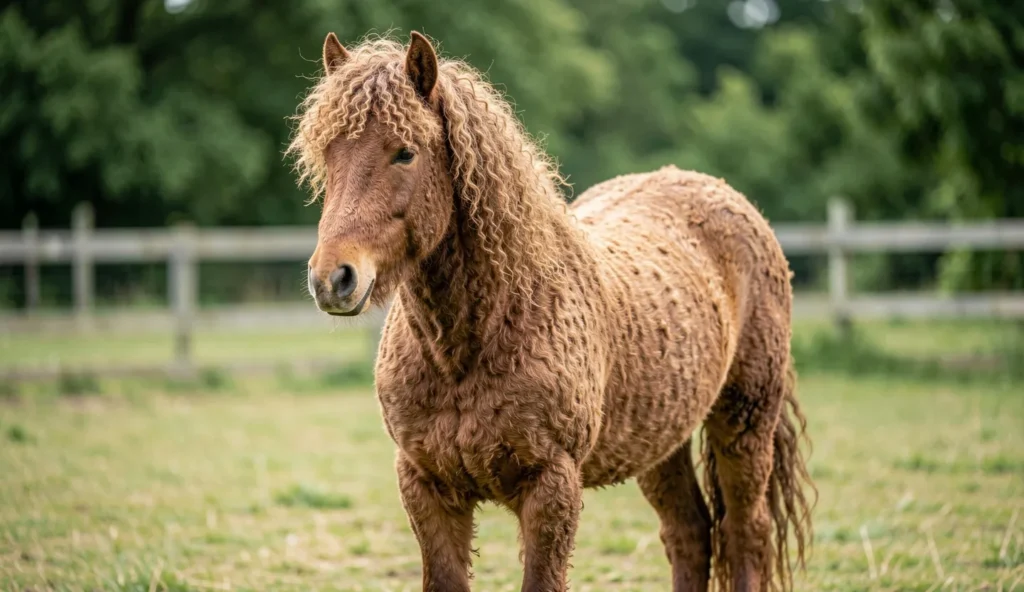
A clear way to identify a Shetland pony is to look at overall shape first. The breed usually shows a compact, sturdy body with strong bone and a balanced build. Coat thickness often gives an immediate impression of weather readiness.
Shetland pony size can vary because pony height and body type differ by registry and breeding lines. Even so, the breed tends to share similar proportions, such as short legs that support a solid stance. For owners planning equipment and rider fit, understanding size matters as much as appearance.
Shetland Pony Size and Height Range
Shetland pony size stays within a small pony class, but height can vary. Exact ranges depend on registry standards and on whether breeders selected smaller or larger lines. For many families, that means not every pony labeled “Shetland” fits the same rider comfort level.
Body proportion should also guide selection. Some ponies look short but carry dense muscle and bone, which can affect pulling capacity and carrying comfort. When choosing a pony, measuring and using a fitting assessment often helps avoid surprises.
Coat, Mane, and Tail Features
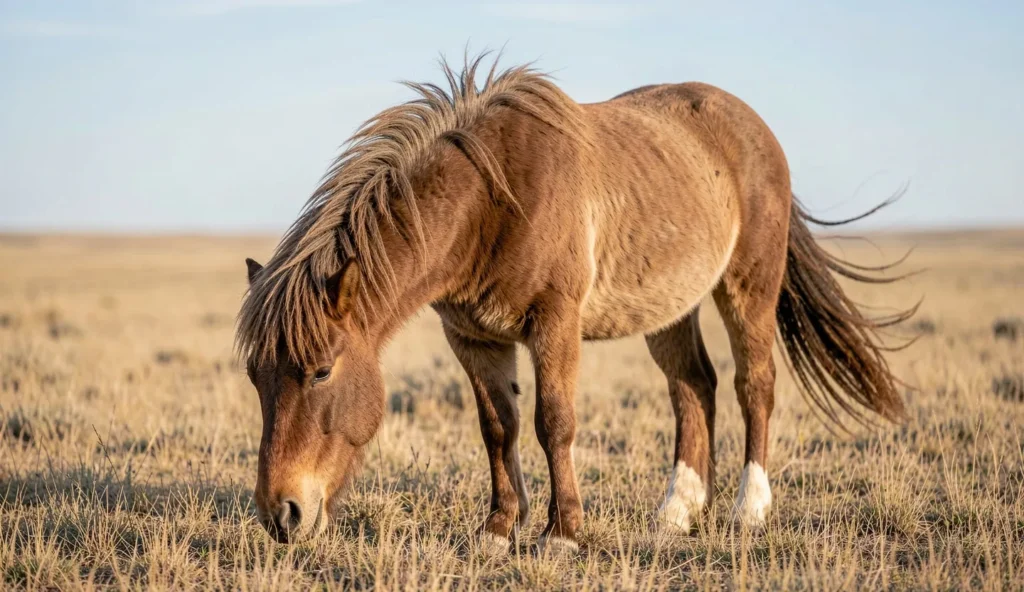
The Shetland pony often has a thick coat that supports insulation in cold climates. Many ponies also carry a long, flowing mane and tail that can look dramatic when kept clean and detangled. In winter, the coat may shed differently depending on grooming frequency and seasonal changes.
Lower legs frequently show heavier hair coverage. That feature helps protect skin in chilly conditions, but it can also trap moisture if turnout or bedding stays wet. Owners should plan leg checks as part of daily routine.
Common Colors and Markings
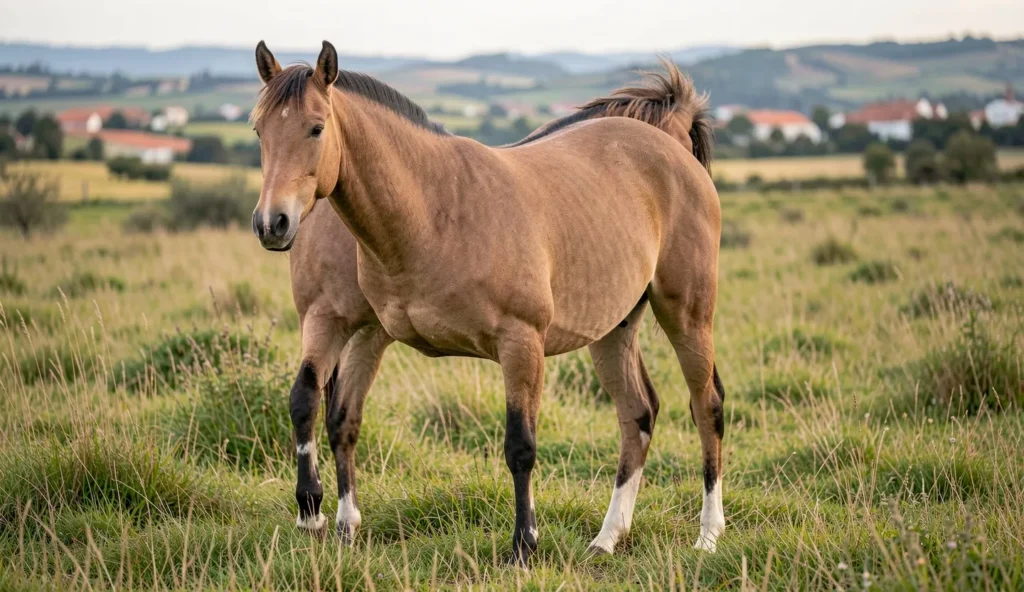
Shetland ponies can appear in many coat colors and patterns. Facial markings and leg markings also occur across the breed. Color alone should not guide decisions about Shetland pony temperament or care needs.
Instead, focus on conformation and behavior. A well-handled pony with clear training signals will suit daily life better than a pony with an unfamiliar color pattern. That approach also keeps selection grounded in safety rather than appearance.
Build and Key Body Proportions
Common body features include a broad chest and well-muscled shoulders. Short, strong legs usually sit on solid bone, which helps the pony stay stable during work. Powerful hindquarters provide the drive that many owners notice during driving or riding sessions.
These proportions also influence how owners manage workload. A pony with a compact build may handle steady activity well, but it still needs appropriate rest days and hoof support. Proper tack fit can reduce pressure points and improve comfort during movement.
Shetland Pony Temperament and Personality Traits
Shetland pony temperament often shows confidence and bold curiosity. Many ponies respond well to routines, especially when training sessions stay consistent and predictable. At the same time, individual personality varies based on handling history and training quality.
Because the breed can be smart and independent, it can also test boundaries when cues remain unclear. Families often succeed when they set clear expectations and use calm, repeatable interactions. With that foundation, daily life stays smoother and safer for both pony and people.
General Temperament
Many Shetland ponies get described as confident and responsive. Curiosity often shows up through investigation of objects, people, and familiar routines. When owners keep the same schedule, ponies typically learn faster and behave with less anxiety.
Training consistency matters more than short-term corrections. If cues change from day to day, stubborn behavior can appear. For better context about how temperament connects to breed background, some owners also compare with other pony and horse histories like Appaloosa Horse at https://www.rarepetsbreeds.com/horse/appaloosa-horse/ when they evaluate working style traits.
Behavior Around People and Children
Shetland ponies can be affectionate when handling stays consistent. Many enjoy gentle attention, regular grooming, and predictable feeding routines. Still, safe experiences depend on calm handling and ongoing supervision.
Children often do best with ponies trained to stand quietly for grooming and tack. Even then, the child’s age, experience level, and the pony’s readiness must match. When boundaries get reinforced clearly, the relationship tends to stay stable.
Potential Challenges and Triggers
Some Shetland ponies become stubborn if cues remain inconsistent. That stubbornness often looks like refusing to move, backing away, or pausing in the wrong spot. Clear signals and steady practice can reduce these issues over time.
Shetland ponies may also spook if stressed or understimulated. Busy environments, loud noises, or sudden handling can trigger fear responses. Undersocialized ponies may look wary with new people, which can require slower introductions and patient repetition.
How to Read Body Language
Body language provides early warning signs about mood. Ears, tail position, and head carriage usually show whether the pony feels relaxed or tense. Tensing, pinned ears, or backing away often signal stress and discomfort.
Relaxed posture generally suggests readiness for handling. A calm pony may lower its head slightly, breathe evenly, and step forward without resistance. Owners who observe these signals can adjust handling before situations become unsafe.
How Much Exercise Does a Shetland Pony Need?
Exercise supports digestion, joint comfort, and overall mental well-being. For a Shetland pony, routine movement matters because compact bodies still benefit from regular activity. However, the right amount depends on age, health, workload, and hoof condition.
Owners should avoid extremes, since too little movement can lead to boredom or weight gain. On the other hand, too much work without conditioning can affect legs and hooves. For practical support with daily routines, the same planning skills used in caring for other small animals can also help owners stay organized.
Daily Movement and Turnout
Regular turnout helps maintain digestion and supports joint health. A safe paddock reduces injury risk, especially if fencing and footing stay reliable. Weather matters, but the pony still benefits from daily movement when conditions allow.
Wet or muddy ground can create leg and hoof problems, especially because the breed may carry heavier lower-leg hair. Keeping turnout areas manageable helps reduce skin irritation and limits moisture trapped in hair. This approach also reduces the time spent after turnout dealing with wetness.
Riding and Driving Options
Youth riding and gentle driving are common options for Shetland ponies. Work should start gradual and stay consistent, since conditioning improves safe performance. Tasks should also vary so the pony does not repeat the same motion all day.
When rotating work, owners should consider how tack fit and hoof traction affect comfort. Driving should include proper harness adjustment and training on rein cues. Riding should include correct saddle fit and attention to the pony’s back health.
Some owners who compare small workout needs across breeds may also read about Morgan Horse care approaches at https://www.rarepetsbreeds.com/horse/morgan-horse/ to see how workload and conditioning routines differ by build and typical use.
Signs Exercise Is Too Much or Too Little
Owners should watch for fatigue, stiffness, or reduced appetite after work. Too much activity may show up as reluctance, uneven movement, or a drop in interest at feeding time. If these signs appear, work should pause and veterinary advice may be needed.
Too little movement can also cause issues, including stress behaviors and extra weight. Boredom can lead to nuisance actions like fence pacing or pushing into unsafe areas. Adjustments should match body condition score, comfort, and stable routines.
Shetland Pony Care Basics for Healthy Daily Life
Shetland pony care combines grooming, stable management, hoof maintenance, and daily health checks. Because the breed can live comfortably in colder climates, the main challenge often becomes moisture control. A clean, dry environment supports skin and hoof health while reducing stress.
Small ponies also demand accurate planning for supplies. Buckets, grooming tools, and feed portions should fit pony needs and match the amount expected for a small equine. With consistent routines, most owners can prevent common problems before they grow.
Grooming and Coat Care
Brushing regularly helps remove dirt and reduces loose hair buildup. The thick coat can hide early skin irritation if grooming stays minimal. During seasonal changes, a steady brushing schedule helps manage shedding.
Lower legs should receive extra attention after turnout. Moisture, trapped sweat, or wet bedding can cause irritation under longer hair. Owners should dry legs when needed and check for swelling or redness.
For weather adjustments, grooming timing can change. Cold mornings often require prompt drying after wet conditions to prevent chills. This same principle helps when owners care for other small, coat-heavy animals like a Netherland Dwarf Rabbit at https://www.rarepetsbreeds.com/rabit-breeds/netherland-dwarf-rabbit-2/, where coat care and skin checks also matter for comfort.
Hoof Care and Foot Health
Hoof care needs scheduling, not guesses. Regular farrier visits help maintain shape and support safe movement. Because the Shetland pony works well relative to size, hooves often experience steady load.
Hooves should be cleaned after muddy turnout. Owners should also monitor uneven wear, tenderness, and signs of soreness. Early attention can prevent small issues from turning into lameness problems.
Stable, Shelter, and Bedding Tips
Dry shelter protects the pony from wind and precipitation. A draft-free stall reduces chilling, especially for young or older ponies. Bedding should stay clean and absorbent to limit moisture exposure on skin and legs.
Ventilation also plays a key role in respiratory comfort. Stagnant air and dusty bedding can irritate airways over time. Owners should aim for steady airflow without direct cold drafts.
Daily Health Checks
Daily checks provide early signs of illness before symptoms become obvious. Eyes, nose, and gum color should be observed to track changes in health. Owners should also look at coat condition and skin for swelling, bumps, or unusual patches.
Hydration and manure consistency should also be assessed. Any sudden drop in appetite or change in digestion should trigger a closer look. This routine works well for families because it turns care into a predictable daily habit.
Diet and Nutrition for a Shetland Pony
Diet and nutrition for a Shetland pony focuses on forage balance and body condition control. Because the pony can maintain weight easily, feeding should avoid excess calories. The breed’s small frame does not leave much room for waste or overfeeding.
Good feeding also supports hoof health and stable energy. When forage quality remains consistent, digestion stays steadier. Owners should plan meals around workload and body condition, not around convenience.
Forage First Feeding Approach
Hay and pasture should form the base of daily nutrition. Forage supports normal chewing and digestion, which helps the pony stay comfortable. Feeding plans should adjust forage amounts based on workload and body condition.
For consistent access, some owners provide measured hay if pasture grazing needs control. If grazing becomes too rich, weight can increase quickly. Owners can reduce risk by scheduling turnout carefully and monitoring body changes.
Treats and Concentrates in Small Amounts
Treats should stay limited, especially sugary options. Concentrates should only appear in measured portions and only when appropriate for the pony’s needs. Many small ponies do well with forage alone once energy needs remain met.
Any change in feed should happen gradually to protect the gut. Sudden feed changes can lead to digestive upset and discomfort. When concentrates are used, using feeds designed for ponies helps keep nutrient balance aligned.
Water, Minerals, and Salt
Clean fresh water supports digestion and helps the pony recover after work. Water intake may increase during hot weather and during higher workload days. Owners should check buckets and troughs regularly to prevent contaminated water.
Minerals and salt supplements should follow local guidance and a basic diet review. Random supplements can create nutrient imbalance, which may cause issues over time. When in doubt, guidance from a veterinarian or equine nutrition professional can clarify what the pony truly needs.
Body Condition and Weight Management
Body condition should get monitored regularly because weight changes happen quickly in small ponies. Owners can use a body condition scoring guide and make adjustments when ribs or fat cover shift. Overfeeding can drive weight gain that increases risk for metabolic issues.
When grazing becomes a problem, careful management can help. Owners can reduce grazing time, use a grazing muzzle if advised, and increase turnout in safer, lower-risk areas. Workload planning also supports weight control when exercise stays consistent.
Common Health Issues in Shetland Ponies and What to Watch For
Common health issues in Shetland ponies often relate to metabolism, digestion, respiratory comfort, and hoof wellbeing. Preventive monitoring helps catch problems early. Because this breed can handle cold conditions well, owners sometimes overlook indoor air quality or moisture buildup.
Owners should also remember that small size does not mean low risk. When a problem starts, it can progress quickly in any pony. Routine checks and prompt responses usually improve outcomes.
Metabolic and Weight Related Concerns
Weight gain can happen easily due to pony metabolism and small body volume. Monitoring body condition score helps identify early changes. If weight increases despite normal turnout and stable management, veterinary guidance may be needed.
Insulin or fat-related concerns can develop in some ponies, especially with rich forage. Signs may include fat pads, delayed recovery from work, or changes in energy. In those cases, diet adjustments under professional advice help reduce risk.
Digestive Sensitivity
Digestive sensitivity often shows when feeds change suddenly. Forage quality should remain consistent, and feed schedules should avoid frequent variation. Owners should also watch for reduced appetite or abnormal manure.
If digestive issues appear, the first step is stopping additional stressors like new treats or sudden concentrate changes. Then, owners should contact a veterinarian if symptoms persist. Prompt action can reduce discomfort and protect gut health.
Respiratory and Winter Care Considerations
Winter care needs attention to bedding and ventilation. Dusty bedding and poor airflow can irritate airways. A dry, well ventilated shelter helps keep breathing comfortable.
Persistent coughing or ongoing nasal discharge should not be ignored. Owners should also check for mold or dampness in bedding storage areas. When those conditions exist, respiratory irritation becomes more likely.
Hoof and Leg Health Monitoring
Hoof and leg health monitoring matters because moisture can stay trapped on lower legs. The combination of heavy hair and wet turnout can increase irritation risk. Owners should look for swelling, heat, tenderness, or sensitivity to touch.
Mud and wet conditions also increase the risk of hoof problems. After turnout, cleaning and drying help. If lameness or repeated sensitivity shows up, addressing it early protects long term comfort.
Is a Shetland Pony Right for You
A Shetland pony can fit many households, especially when handling stays calm and consistent. The breed’s compact strength and often steady nature make it a popular choice for youth programs. Still, suitability depends on experience, housing setup, and the ability to maintain routines.
Shetland pony size also affects equipment and rider fit, which makes careful selection essential. Some ponies become excellent family companions, while others need more training time due to temperament history. Matching the pony to the family’s capacity improves long term comfort.
Best Fit for Families and Youth Owners
Many Shetland ponies can provide steady experiences with consistent supervision and training. Children often learn responsibility through feeding, grooming, and safe leading practices. Adult oversight remains important around ponies of any size.
Training level should match the child’s experience. A pony that is calm in grooming and tack preparation often supports safer daily handling. When routines stay predictable, Shetland pony temperament often shows its best side.
What to Consider Before Buying
Before buying, owners should assess training and daily temperament. A pony that responds calmly to basic cues usually fits better into family life. Health history also matters, especially hoof care records and recent vet assessments.
Housing plans should be realistic and budget friendly. Forage supply, bedding needs, and hoof maintenance costs must stay accounted for. Owners should also confirm that shelter and turnout setup can keep the pony dry and comfortable.
Some families compare readiness across breeds, and that can help set expectations about care intensity. For example, reading about Icelandic Horse strengths and care planning at https://www.rarepetsbreeds.com/horse/icelandic-horse/ can help clarify how working ponies or horses need structured routines even when they seem hardy.
Long Term Commitment and Ongoing Care
Shetland pony care requires time every day, not just during riding or show days. Grooming helps manage the thick coat, and hoof maintenance supports safe movement. Owners also need to monitor diet, hydration, and health trends.
Veterinary care remains part of long term ownership. Even healthy ponies can develop issues, and early checks can prevent emergencies. When the schedule stays consistent, the pony’s quality of life usually stays stable.
Frequently Asked Questions
How Big Do Shetland Ponies Usually Get?
Shetland pony size is compact and typically small for a pony. Height can vary by lines and registry standards, and body type affects overall fit for riders.
Are Shetland Ponies Good for Children?
Many Shetland ponies are steady with consistent handling and training. Adult supervision remains important, and children should ride ponies matched to their experience.
What Do Shetland Ponies Eat Day to Day?
Forage like hay and pasture should form the base of the diet. Concentrates should only be used if advised, and portions should stay measured based on body condition.
How Much Grooming Does a Shetland Pony Need?
Regular brushing helps manage the thick coat and reduces dirt buildup. Owners should also check the lower legs for moisture and skin irritation, using grooming time for daily health checks.
What Health Issues Are Common in Shetland Ponies?
Weight related metabolic issues can occur, especially if diet stays too rich. Hoof health needs regular farrier visits, and owners should monitor digestion and appetite changes.
Do Shetland Ponies Need a Lot of Exercise?
Regular turnout supports day to day movement and comfort. Riding or driving work should be gradual and consistent, with exercise adjusted to the pony’s age and condition.
A Final Note on Caring for a Shetland Pony
With steady routines for feeding, grooming, hoof care, and exercise, a Shetland pony can thrive while staying a confident companion. Small size does not remove the need for planning, and good care keeps daily life safe and comfortable.