What Is a Haflinger Horse?
A Haflinger horse is a sturdy, chestnut colored equine breed known for a calm nature and steady work habits. This breed traces back to mountainous regions of Austria and Italy, where hardiness mattered for everyday tasks. Many owners choose a Haflinger horse because it can handle farm routines and family trail riding with fewer drama filled surprises. Haflinger temperament usually stays cooperative when handling stays consistent and predictable.
Origin And Where Haflingers Come From
Haflinger history starts in the Alpine areas of Austria and Italy, where local breeders valued reliable movement and surefootedness. Over time, breeders selected animals that could work in steep terrain and changeable weather. As a result, Haflingers became known as a distinct pony like horse type rather than a fragile small breed. That background still influences how owners expect them to move and adapt.
Breed Snapshot And Typical Size
Haflingers typically have a compact, sturdy build with strong legs for stability. They are often described as pony height with the strength needed for many riding and driving tasks. This size can feel manageable for family settings because it supports better balance for novice riders. Still, the individual horse’s fitness and training level matter more than the height alone.
Standout Traits Owners Notice First
The chestnut coat stands out as the most recognizable feature, usually paired with a lighter mane and tail. Many Haflingers also show a calm, willing temperament that supports daily handling. Owners often report a steady work ethic for grooming, tack up, and trail routines. For beginners, Haflinger care tends to feel straightforward because the breed usually responds well to routine.
Appearance And Physical Features Of The Haflinger
Physical traits affect how a Haflinger horse carries itself on trails and how easily it maintains soundness. The breed’s look is simple and practical, with features that reflect years of mountain life. A chestnut coat and flaxen mane often create a classic identity, but the real value comes from sturdy proportions. For trail riders, smooth movement and stable legs can make a noticeable difference.
Coat Color And Mane Tail Characteristics
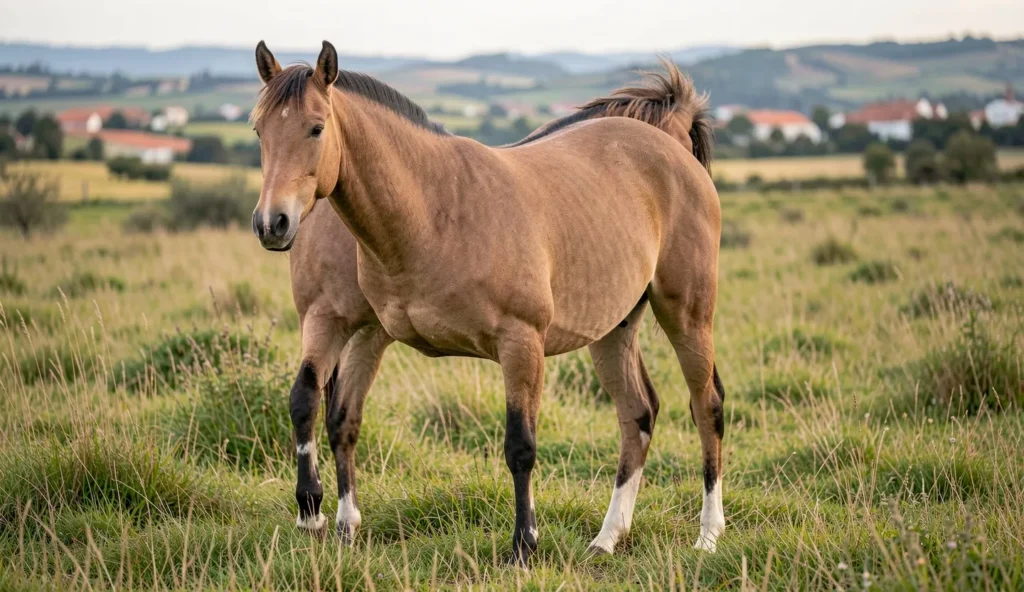
Chestnut color is the hallmark of the breed, usually ranging from rich reddish brown to slightly lighter shades. Mane and tail hair often appear flaxen or light blonde compared with the coat. Some variation exists, but the overall impression stays warm and consistent. Owners also benefit from the easier grooming routine that comes with a typical dense coat.
Body Shape And Leg Strength
A compact frame supports balanced body carriage, which helps with everyday stability. Sturdy legs help the horse manage varied ground such as packed dirt, uneven paths, and rocky edges. In many cases, the hooves feel well suited for routine work when farrier schedules stay on track. That said, hoof quality still depends on genetics, maintenance, and the surfaces used.
Gait And Movement On Different Terrain
Haflingers commonly show smooth, steady movement that can feel comfortable during long trail hours. On familiar paths, a reliable pace often helps riders maintain balance. When footing changes, good conditioning and attentive riding support comfort and safety. Footing awareness becomes a skill for owners, especially on slick or newly muddy routes.
For riders comparing options across breeds, a wider warmblood background can feel different in stride size and energy. A useful comparison is the Warmblood horse, which often shows different athletic focus for sport rings. This comparison helps clarify why a compact, steady gait can suit family trail goals.
Haflinger Temperament And Personality On The Ground And Under Saddle
Haflinger temperament often ranks high for owners who want a calm partner for daily care and rides. Many Haflingers are steady minded and cooperative when handling follows routine. Under saddle, many riders experience easier calm transitions, especially at walk. Still, temperament depends on training history, social experiences, and the specific horse’s personality.
Typical Haflinger Temperament And Learning Style
Haflingers are often described as calm and steady, especially when they recognize the handler’s cues. Consistent handling usually makes them more comfortable during new tasks. Gentle cues and clear routines can support faster learning than unpredictable methods. When short practice sessions stay frequent, the horse often stays more relaxed during longer days.
Behavior With People And Other Horses
Many Haflingers tolerate grooming and tack up well, which can reduce stress for beginners. In herd settings, they can form comfortable bonds and learn safe social patterns. However, introductions should still be gradual and supervised. Even calm horses benefit from controlled first meetings with new companions or equipment.
Handling Tips For Beginner Owners
Predictable sessions usually help a Haflinger horse trust the process, especially early on. Calm body language, quiet voices, and consistent grooming steps can shape the daily routine. It also helps to practice lead handling and basic stationing before riding begins. Small daily moments support confidence without exhausting either horse or owner.
Owners who like the idea of a steady, people friendly equine can also explore other calm minded breeds for context. For example, learning about the Icelandic Horse can help compare gait style and temperament patterns. This kind of comparison can improve decision making before equipment and training time expands.
Exercise Requirements And Trail Readiness For Haflinger Horses
Exercise supports muscle tone, joint comfort, and mental balance for a Haflinger horse. A routine that combines turnout and regular movement usually works best for beginners. While these horses can handle work, steady increases matter more than sudden jumps in intensity. Haflinger care succeeds when fitness and hoof health move forward together.
Daily Activity Needs
Regular movement through turnout and scheduled walks can help maintain overall condition. Exercise should stay consistent rather than extreme, especially for horses with changing work schedules. Age and existing fitness level must guide how much activity fits each week. If work increases, recovery time should also increase.
Safe Trail Conditioning Ideas
Trail conditioning can start with short rides on familiar routes to build comfort. Over time, riders can increase distance gradually so legs and balance adapt. Typical trail sights such as flags, puddles, and bikes should be introduced slowly. A calm approach to new objects can preserve confidence for both horse and rider.
- Start with short walk only rides
- Build time gradually for legs and endurance
- Practice mounting and dismounting calmly
- Use safe spacing on narrow paths
- Choose footing that matches current fitness
How To Keep Hooves And Legs Healthy
Hoof and leg comfort depends on daily checks and smart route selection. After a new route, owners should monitor for soreness and swelling during the next day. Proper footing matters because slick surfaces and deep mud can increase strain. Rest days help a horse recover after intense uneven ground.
If the goal includes regular trail days, it can help to compare how different breeds manage varied surfaces. Reading about the Appaloosa Horse can show how another breed’s structure and stamina may feel on long rides. The comparison supports planning for conditioning and recovery timelines.
Training A Haflinger Horse For Calm Responsive Riding
Training a Haflinger horse works best when priorities focus on calm responses and repeatable cues. The breed’s cooperative nature often supports learning, but beginners still need a clear plan. Short sessions keep the horse thinking, not tiring. With consistent handling, a Haflinger can become a dependable trail partner for family riders.
Foundation Skills To Teach First
Lead handling, safe stopping, and quiet standing create the baseline for daily care. Tack up should stay predictable, with grooming tools and equipment introduced gradually. Basic voice and body cue consistency can help the horse understand what happens next. These steps also reduce stress because beginners often move faster when a horse stays calm.
- Practice leading with a steady, quiet walk
- Teach stopping cues and standing at mounts
- Reward calm acceptance of grooming tools
- Keep sessions short and end on success
- Repeat the same cues until responses match
Saddle And Bridle Introduction Steps
Tack introduction works better when it stays gradual and rewards calm behavior. Before longer sessions, owners should check fit and confirm movement feels comfortable. Short riding lessons can prevent fatigue that might lead to resistance. If a horse shows discomfort, the best response is to recheck equipment and rider position.
Training Goals For Trail And Family Use
For trail and family riding, the goal often includes reliable walk manners for new riders. Smooth transitions and gentle responsiveness help riders stay balanced. Calm reactions to everyday distractions also matter, since trails bring unpredictable sounds and sights. Training becomes safer when a horse learns to handle stimuli without rushing or freezing.
Some owners compare equine temperaments by looking at well known breeds with different training traditions. The Arabian Horse is often discussed for alertness and endurance, which can differ from the Haflinger’s steady style. This helps set expectations for energy levels and cue sensitivity during training.
Grooming, Diet, And Routine Haflinger Care Tips
Haflinger care involves daily grooming, steady feeding practices, and consistent health monitoring. When these routines stay predictable, the horse often stays comfortable during both trail riding and farm tasks. Grooming also creates a chance to spot skin issues early. Meanwhile, nutrition supports energy without creating weight problems that can affect joints and hooves.
Grooming And Coat Care Steps
Begin with brushing to remove dust and check for skin irritation. Mane and tail inspection helps catch tangles and debris before they worsen. Hoof cleaning supports daily comfort and lets owners inspect for stones. During grooming, it is also useful to check the legs for heat, swelling, or unusual sensitivity.
- Brush coat and inspect for skin irritation
- Check mane and tail for tangles
- Clean hooves and remove small debris
- Look for rubbed areas where tack contacts
- Dry wet areas to reduce skin irritation
Diet And Nutrition Basics For Haflinger Care
Most daily calories should come from quality forage or hay because it supports digestion and stable energy. Fresh water must stay available at all times, especially on trail days. Concentrates can work for some horses, but they should be used only when recommended by an equine professional. Changes to feed should happen gradually to avoid digestive upset.
Health Checks And Preventive Care
Routine vaccinations and a deworming plan protect long term health and reduce risk of recurring illness. Body condition scoring can guide feed adjustments, especially when seasons change. A regular farrier schedule supports hoof health and can prevent small issues from becoming lameness. Preventive care reduces the chances that minor discomfort turns into a bigger problem.
Weather And Seasonal Management
Seasonal management matters because rain, cold, and heat change how a Haflinger experiences daily life. Shelter can protect from heavy rain, while heat requires shade and careful hydration monitoring. In cold weather, hay access often needs careful adjustment to match activity level and body condition. During wet and buggy seasons, skin checks become especially important to catch irritation early.
For owners managing stable routines across different horse types, learning how other breeds handle day to day care can help. Reviewing a Hanoverian Horse care profile can offer a broader view of warmblood management patterns. That context supports better planning for grooming intensity, exercise variety, and stable logistics.
Common Health Issues In Haflinger Horses
Common health issues in Haflinger horses often connect to hooves, weight management, and seasonal skin comfort. Good routine care can reduce risk, but owners should still know what to monitor. Early recognition of problems supports faster response and less time off work. Because a Haflinger’s stable temperament can mask discomfort, careful observation matters.
Hoof And Leg Concerns To Monitor
Owners should inspect for soreness, swelling, or sensitivity after new routes. Maintaining hoof care with an appropriate farrier schedule supports stable movement. If lameness signs appear, addressing them early with a qualified professional can prevent worsening. Regular leg checks also help catch strain from changes in footing.
Skin, Coat, And Seasonal Conditions
Skin issues can appear after grooming if debris stays trapped or if tack rubbing happens. During insect heavy seasons, horses can show irritation from bites or increased scratching. Keeping tack clean and maintaining proper grooming hygiene can reduce rubbing and comfort problems. After wet weather, drying the coat and monitoring for irritation can also help.
Metabolic And Weight Management Basics
Weight gain often increases risk for metabolic problems, especially if concentrates and treats become frequent. For stable body condition, concentrate amounts should remain controlled and forage quality should receive attention. Portions should fit the horse’s workload, since trail horses may need more energy than pasture only horses. If weight changes persist, consultation with a veterinarian supports safer adjustments.
Is A Haflinger Horse Right For You?
A Haflinger horse can fit many riding goals, especially for beginners, trail riders, and family horse owners who want manageable daily routines. The breed’s cooperative nature can support confidence during groundwork, tack up, and basic riding lessons. Many owners find that the horse’s steady energy helps beginners learn cue timing. Still, the individual horse’s training and temperament history must always guide the final decision.
Good Fit For Trail Riders And Family Owners
Many Haflingers work well in mixed rider situations because they often respond calmly to routine cues. Their steady style can suit calm trail objectives and everyday farm chores. For families, a horse that stays comfortable with grooming and tack up can reduce stress for both adults and children. However, safe riding requires proper supervision and consistent training practices.
Questions To Ask Before Bringing One Home
Before purchase or adoption, confirming temperament with the specific horse helps prevent surprises. A practical plan for training time supports long term success, especially for beginners. Budgeting matters because farrier visits, feed, bedding, and vet care become recurring needs. It also helps to ask about recent work patterns so expectations match the horse’s comfort level.
Ongoing Commitment To Haflinger Care
Ongoing Haflinger care includes regular exercise, routine hoof maintenance, and daily checks for comfort. Quality forage and clean water support digestion and stable energy. Preventive health routines help reduce long term problems and keep the horse ready for trail use. When care stays consistent, the breed’s calm nature usually shows more clearly in daily life.
For owners comparing equine options across different temperaments and sizes, it can help to review another well known breed. Learning about the American Quarter Horse can clarify differences in speed focused training and typical handling patterns. This kind of research supports selecting the right horse for the right job.
Next Steps For Choosing And Caring For a Haflinger Horse
Choosing and caring for a Haflinger horse goes smoother when a realistic care routine already exists. Prioritize forage based feeding, regular hoof care, and consistent exercise that grows gradually. Match training pace to the individual horse’s comfort so calm responsiveness stays stable over time.
Frequently Asked Questions
Are Haflinger Horses Good For Beginner Riders?
Many Haflingers are calm and steady, which can support beginner learning. Individual temperament varies, so evaluating the specific horse matters. Groundwork and short sessions often help new riders build confidence.
What Do Haflinger Horses Eat Day To Day?
Most of the diet comes from quality forage or hay. Fresh water should always be available. Concentrates should only be added when recommended by an equine professional.
How Much Exercise Does A Haflinger Horse Need?
Consistent activity supports fitness and joint comfort. Turnout and regular walks can make a difference over time. Trail distance should increase gradually based on condition and recovery.
What Are Common Haflinger Health Issues To Watch For?
Owners should monitor hooves, legs, and early lameness signs. Skin issues and insect irritation can show up seasonally. Weight changes should be watched closely to reduce metabolic risk.
Are Haflinger Horses Suitable For Trail Riding?
Haflingers are often steady on varied ground, especially with proper conditioning. Trail readiness also depends on training and how the horse handles distractions. Starting with short, familiar routes helps build reliable trail behavior.
How Should Haflinger Horses Be Groomed And Cared For?
Brush the coat regularly and check the skin during each grooming session. Clean hooves daily and maintain tack hygiene to reduce rubbing. Use a consistent routine for health checks so small issues do not go unnoticed.
A Practical Way To Keep a Haflinger Healthy
Reliable routines for feeding, grooming, and hoof care support a calm, comfortable Haflinger horse. With steady exercise and smart trail conditioning, most owners can maintain healthy daily management.