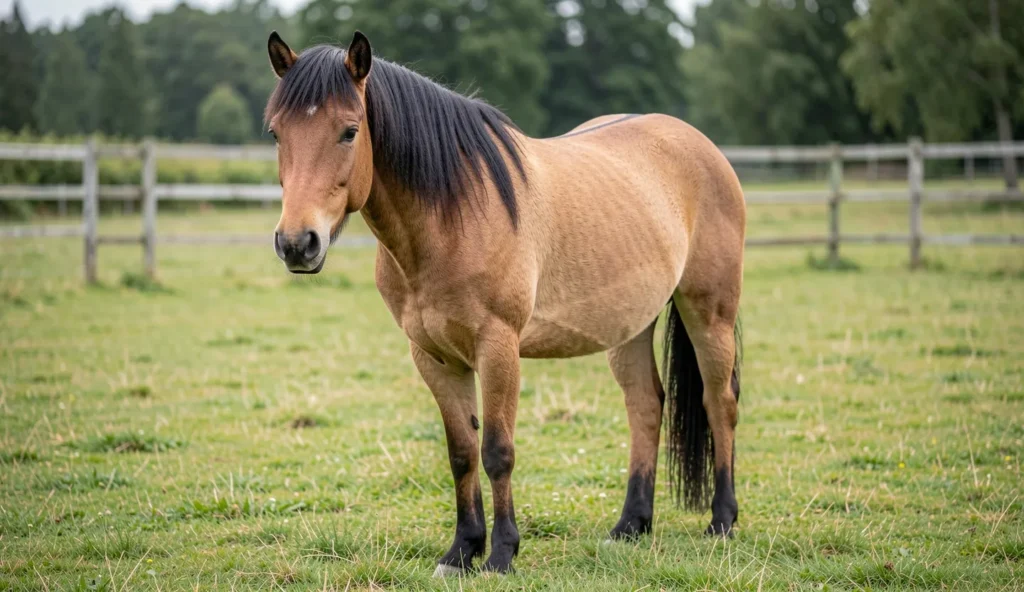
What Is a Norwegian Fjord Horse?
The Norwegian Fjord horse is an ancient Norwegian breed known for practical farm work and a recognizable dun coat. Fjord horse history shows the breed developed in Scandinavian landscapes where horses needed to endure tough weather. Today, the Norwegian Fjord horse remains valued for steady handling, compact build, and dependable movement.
As a small horse option for driving enthusiasts and trail riders, the breed often fits owners who prefer manageable size. Still, Fjord horse care needs consistency because health and comfort depend on daily checks and routine work.
Origin and Breed Background
The Norwegian Fjord horse comes from Norway and ranks among the oldest pure horse breeds still recognized today. Fjord horse history traces the breed to rural farm life where horses pulled loads, carried gear, and moved through rough ground. Over time, local breeders preserved traits that supported endurance and surefooted movement.
In many regions, the Fjord horse also served as a light draft animal. That background helps explain why Fjord horse characteristics often include a strong build for daily tasks rather than showy extremes.
Common Name Traits and Color Basics
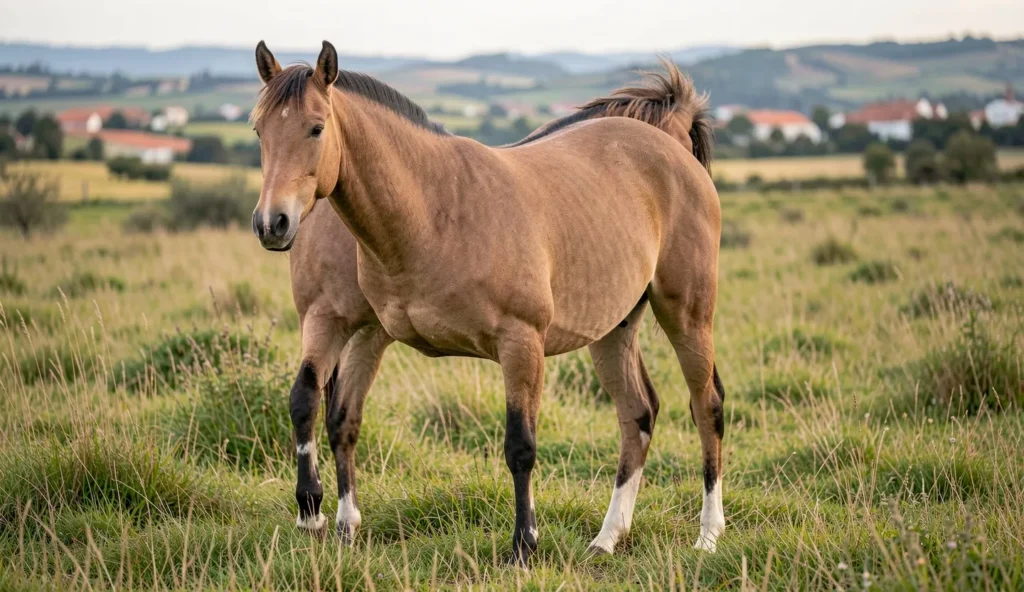
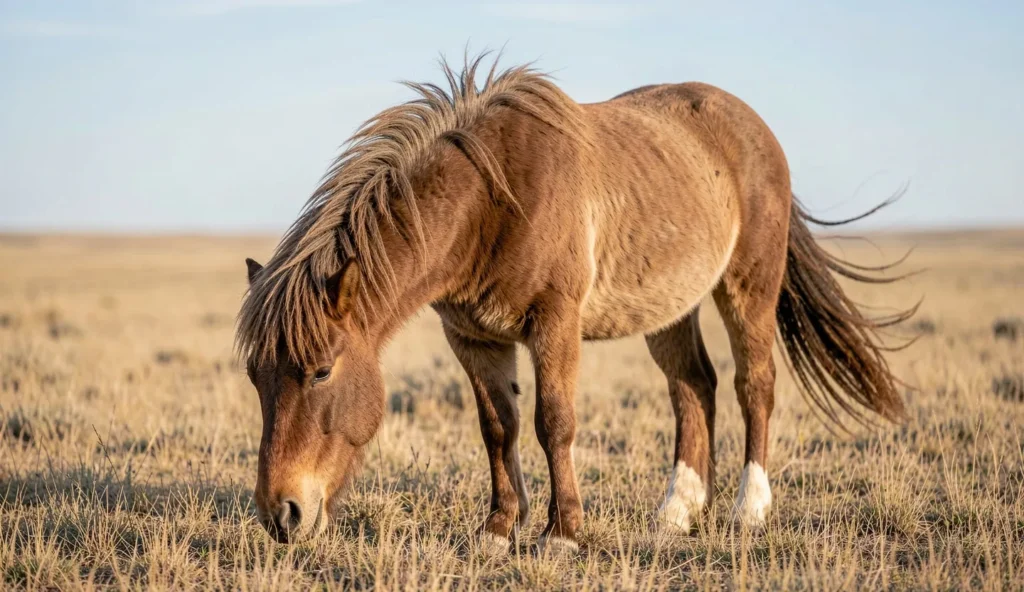
The most common visual clue is the dun coloring, which creates a sandy to mouse-grey look on the body. A dark dorsal stripe usually runs along the spine, and this mark supports easy identification from a distance. Fjord horse characteristics also include zebra striping that may appear on the legs.
Because these markings develop naturally, they should guide expectations during purchasing and viewing. Many buyers also compare similar equine heritage, so background reading on classic lines can help set the wider context for horse selection, including resources like Why Are Horses Important in History.
Norwegian Fjord Horse Characteristics and Appearance
Understanding Fjord horse characteristics helps owners spot the breed correctly and choose a horse that matches real-world needs. The Norwegian Fjord horse typically shows a compact, sturdy frame with a practical look designed for work. With the right eye, appearance also hints at how the horse may move and respond during handling.
For driving and trail use, conformation matters because steady movement reduces strain on joints. A close look at build, coat, and movement also supports better matching of training plans, especially when comparing other breed types such as the Warmblood horse for performance-focused sport backgrounds.
Size, Build, and Conformation
The Norwegian Fjord horse usually stays compact, with a strong torso and well-supported limbs. Its shoulders often look well-muscled, and the ribcage tends to be rounded rather than narrow. Fjord horse characteristics frequently include legs built for stability, which helps on uneven paths.
Overall proportions usually suggest a balanced work style. That balance matters because driving work and trail travel both demand reliable footing and consistent stride rhythm.
Coat Color and Markings
Dun coat tones often range from sandy yellow to darker mouse-grey shades. A dark dorsal stripe remains the key identifier, and it should look continuous from withers toward the croup. Many horses also show faint zebra striping on the legs, though intensity can vary.
The mane may carry a darker top with lighter edges, which creates a “rimmed” look along the neck. Since markings come with individual variation, owners should evaluate the whole coat pattern under daylight when possible.
Mane and Tail Features
The mane often stands more upright than some other breeds, and it may feel slightly coarse due to its natural texture. The tail tends to be full, which can look impressive during driving and turnout. That natural thickness means the coat can hold dirt, so Fjord horse care should include regular brushing.
Seasonal grooming can also reduce tangles and skin irritation. With consistent grooming, the mane and tail stay comfortable under tack and harness.
Movement and Practical Work Style
Fjord horse characteristics often include balanced movement that supports calm driving and everyday trail travel. Many owners notice an efficient stride that suits long sessions without constant correction. For rougher ground, the breed’s stable footing helps reduce slips and sudden changes.
Because movement reflects training and fitness, horses with good conformation still benefit from gradual conditioning. When comparing performance backgrounds, it can help to look at how other harness-oriented breeds behave, such as learning about Percheron horse strength and temperament for historical draft expectations.
Fjord Horse Temperament and Trainability
Fjord horse temperament commonly gets described as steady, sensible, and cooperative. The Norwegian Fjord horse often handles daily routines well when the environment stays consistent. Even so, cautious reactions can occur with unfamiliar sounds, objects, or fast changes in routine.
For driving enthusiasts, trainability depends on communication and patience rather than force. When handling stays calm, Fjord horse temperament often becomes a strength for both beginner-friendly tack work and more advanced training phases.
Typical Personality Traits
Many Fjord horses show a balanced personality that supports predictable work sessions. Cooperation improves when owners use consistent routines for leading, grooming, and harness fitting. At the same time, some horses may show cautious responses when new situations appear.
That cautious side does not automatically mean the horse will be difficult. Instead, it often means confidence needs time, repetition, and safe introductions.
Behavior Around People and Other Animals
Most Norwegian Fjord horses remain comfortable with regular grooming and routine handling. Social needs can vary depending on turnout style and how the horse lives with herd mates. Introducing new horses typically works best when introductions happen gradually and with supervision.
Owners often get better results when management supports stable daily structure. If other animals exist on-site, the same gradual approach helps reduce stress for everyone involved.
Handling Basics for New Owners
Calm, clear cues support handling and reduce misunderstandings during first sessions. Practicing quiet standing while tack and harness go on helps the horse learn that equipment does not equal danger. Rewarding calm behavior consistently strengthens safe habits over time.
Leading and mounting also deserve consistent practice. When the horse stands quietly for checks and fastening, driving and trail preparation become less stressful for both owner and horse.
Training Approach for Driving and Trail
Training should start with ground manners and desensitization, especially around harness equipment and unexpected movement. Step-by-step exposure builds confidence when the horse learns what to expect. For most horses, responsiveness improves when training sessions remain short and predictable.
During driving work, training should aim for steady attention without rushing. Gradual progress helps the horse develop balance and the owner develop reliable cues, which supports safe use for both driving enthusiasts and trail riders.
Exercise Requirements for a Norwegian Fjord Horse
Exercise supports Fjord horse care by maintaining muscle tone, joint comfort, and mental steadiness. The Norwegian Fjord horse generally benefits from consistent movement, even when work intensity stays low. For small horse owners, planning regular activity helps avoid stiffness and boredom.
Because workload needs vary with age and fitness, exercise should adjust over time. That approach also supports better weight management and smoother training sessions.
Daily Activity Levels
The Norwegian Fjord horse typically needs consistent movement for joint and muscle health. Turnout and daily walking often support basic conditioning, especially for horses with lighter workloads. Owners should adjust effort based on age, workload history, and current body condition.
If a horse has been inactive, exercise should increase slowly. Sudden jumps in activity can affect stamina and can increase discomfort during or after sessions.
Good Exercise Options
Good options often include trail walks and gradual hill work, which build balance without heavy impact. Long-reining can support mild conditioning and lateral awareness while keeping sessions controlled. Low-intensity driving practice on quiet routes can also work well for maintaining steering and stopping responses.
Arena schooling should focus on short, focused sessions rather than long endurance-style workouts. When structured well, these options support fitness and calm behavior at the same time.
Signs the Workload Needs Adjusting
Workload should match the horse’s current comfort level, and owners should watch for early warning signs. Fatigue can show as reduced attention and uneven steps during walk, trot, or transitions. Limping or stiffness also requires immediate evaluation rather than pushing through.
Overexcitement can signal overstimulation or too much change in the day’s routine. When this appears, slowing down and returning to familiar cues often restores steadiness.
Grooming and Care Tips for Fjord Horses
Fjord horse care depends on daily routines that keep skin healthy, support clean tack contact, and reduce hoof-related risks. The Norwegian Fjord horse’s dun coat and mane texture mean grooming can also prevent dirt buildup. With consistent attention, many owners find that maintenance stays manageable even with a small horse setup.
At the same time, grooming should never replace health checks. Owners should treat grooming as a moment to inspect for skin issues, harness rubs, and changes in body condition.
Coat, Mane, and Hoof Routine
Brushing regularly removes dirt and loose hair, which supports a cleaner coat under saddle or harness. Mane care often includes keeping the hair clean and comfortable, especially if the mane stands upright and traps debris. Daily hoof checks help owners notice early issues, such as packed mud or small debris.
Because the mane and tail may hold onto dirt, grooming should include careful inspection around skin. If the mane feels sticky or looks irritated, extra gentle cleaning helps prevent problems from growing.
Weather and Seasonal Considerations
Cold climates require careful monitoring for wet bedding conditions. Wet environments can contribute to skin irritation and increase the risk of hoof problems, so bedding cleanliness matters. Hot weather needs shade, hydration access, and pacing to prevent overheating during work.
Turnout adjustments also matter when mud appears, since stalled mud fever risk increases in wet, dirty areas. Owners can reduce risk by improving drainage and using clean, dry turnout surfaces when possible.
Tack and Harness Fit Basics
Correct harness or saddle size prevents pressure points and reduces rubbing on sensitive areas. After every drive or ride, owners should inspect skin for redness or hair loss patterns. Cleaning sweat marks also helps reduce irritation and keeps the tack contact area comfortable.
Because the breed often pulls or moves in ways that match its sturdy build, harness fit should be assessed carefully. Even small fit issues can lead to sore spots that then affect training and driving performance.
Health Monitoring You Can Do at Home
Home monitoring helps owners catch problems early before they become emergencies. Watch appetite, water intake, and manure consistency to spot digestive or stress-related changes. Coat condition and skin under tack should also get checked after work.
Body condition scoring once a month supports better weight control. When weight shifts are detected early, feed adjustments become easier and safer to manage.
Care Checklist for Small Horse Owners
Small horse owners often manage limited space, so a clear care checklist reduces missed tasks. Routine hoof care scheduling, grooming time for mane and coat, and steady access to clean turnout matter. Vaccinations and a deworming plan should follow a vet-guided schedule for local risk.
Safe fencing and secure tack storage prevent injuries and reduce equipment problems. It also helps to keep harness parts organized so daily inspection becomes faster and more consistent.
Diet, Feeding, and Common Health Issues
Diet shapes energy levels, weight control, and overall resilience in the Norwegian Fjord horse. Fjord horse care typically starts with quality forage, because grass or hay provides the foundation for digestion. Concentrates should usually stay limited and used only when workload or body condition calls for extra calories.
Health problems often connect to management, so feed planning and routine monitoring work together. Owners who track changes quickly often prevent small issues from becoming major health events.
Feeding Priorities for Fjord Horses
High-quality forage should form the base of the diet, since it supports gut function and steady energy. Fresh water should remain available at all times, especially in warm seasons. Concentrates can help with additional workload, but they should match the horse’s body condition and energy needs.
Feed changes should happen gradually to protect digestion. If a horse seems sensitive, smaller adjustments and longer transitions often reduce risk.
How to Manage Weight and Condition
Body condition score becomes a practical tool for adjusting rations. If weight rises, owners can reduce treats and reevaluate concentrate amounts. If weight drops, higher quality forage and measured increases can help restore condition without sudden swings.
Sudden feed changes can trigger digestive upset. A slow, controlled plan with consistent feeding times often supports better long-term stability.
Common Health Issues to Be Aware Of
Owners should watch for hoof problems that can link to wet weather and muddy turnout. Digestive upset can occur when forage quality declines, so hay and grass sources deserve attention. Parasite management also matters, so owners should follow a vet-guided plan based on local conditions.
Since the breed often lives comfortably in varied weather, management practices carry heavy influence over health outcomes. A reliable routine often prevents common problems before they start.
When to Contact a Veterinarian
Veterinary contact becomes important when lameness or persistent stiffness shows up. Appetite changes, abnormal droppings, or signs of dehydration can also signal problems that need assessment. Respiratory symptoms or fever require prompt attention to reduce complications.
Owners should not delay care when pain or clear illness appears. Early evaluation often supports more effective treatment and smoother recovery.
Is a Norwegian Fjord Horse Right for You?
The Norwegian Fjord horse can suit many driving and trail goals because it often brings steady Fjord horse temperament and manageable size. However, fit also depends on routine setup, available time, and comfort with training that respects a cautious nature. For small horse owners, planning daily care and consistent exercise matters as much as choosing the right horse.
Thinking through lifestyle needs also helps avoid mismatches. Many owners compare general breed suitability by exploring well-known alternatives such as Arabian Horse history and traits, then decide what best fits their goals.
Best Fit for Driving and Trail Riders
Fjord horses often match driving and trail riding needs when owners prefer consistent routines and safe handling. Many horses do well with everyday trail travel, especially when introductions happen gradually. Training also tends to reward calm, patient cues rather than rushed sessions.
For driving enthusiasts, steady responsiveness can simplify harness work. Still, consistent practice remains necessary so the horse stays confident with equipment and route changes.
Considerations for Small Horse Owners
Small horse owners should ensure enough space for safe turnout and routine movement. Budgeting for regular farrier visits and routine veterinary care is also part of responsible ownership. Feed plans should prevent weight issues, because compact builds can gain or lose condition more visibly.
Grooming and hoof care must remain scheduled, not postponed. When owners plan tasks in advance, daily Fjord horse care feels more manageable.
Questions to Ask Before Choosing a Horse
Before selection, ask about handling history and whether the horse has driving or riding experience. Health records can reveal patterns in hoof care and prior treatment, and current hoof status should be evaluated carefully. Assessing Fjord horse temperament under tack and harness sessions helps confirm comfort before committing.
In addition, viewing the horse in motion provides practical information about balance and soundness. Owners who compare with other equine types sometimes look at Friesian Horse qualities for temperament expectations, then focus on what matters most for daily handling.
A Practical Next Step for Safe Everyday Care
Owning a Norwegian Fjord horse works best when daily needs get planned early. A practical routine uses consistent grooming, feeding, and exercise schedules, with body condition and hoof health checked regularly. When Fjord horse care includes monitoring skin under tack and tracking changes in appetite, owners can respond quickly to problems.
Seasonal adjustments also keep the routine safe, especially during wet weather or extreme heat. With steady planning, the ancient workhorse traits of the breed can support driving and trail work in a predictable way.
Frequently Asked Questions
What Makes the Norwegian Fjord Horse Different From Other Breeds?
The Norwegian Fjord horse stands out for its dun color and dark dorsal stripe. It also often shows a steady, practical temperament and a compact work-ready build.
Are Fjord Horses Good for Driving and Trail Riding?
Fjord horses often do well in calm, consistent work settings. Training and gradual exposure typically improve confidence for both driving and trail use.
What Should a Norwegian Fjord Horse Eat Each Day?
Quality forage should be the foundation of the diet. Concentrates should be adjusted based on workload and body condition.
How Often Do Fjord Horses Need Hoof Care?
Most Fjord horses need regular farrier visits based on growth and wear. Daily hoof checks also help owners catch issues early.
Do Fjord Horses Require Special Grooming for Their Mane?
Regular brushing helps keep the mane clean and comfortable. Checking for dirt buildup and skin irritation under hair supports better overall Fjord horse care.
What Health Issues Should Owners Watch for in Fjord Horses?
Owners should monitor hoof health and wet-weather skin irritation. Following a vet-guided parasite and vaccination plan also helps reduce common health risks.
Care That Supports a Stable Routine
The Norwegian Fjord horse often thrives when owners keep routines steady and checks consistent. With practical Fjord horse care habits, the breed’s ancient workhorse traits can support reliable driving and trail experiences.