What Is A Connemara Pony?
The Connemara pony is a native Irish pony known for athletic ability and a gentle nature. Originating in Ireland, it remains one of the most trusted options for families who want a capable show jumping partner. Many riders also value this breed for its steady temperament and practical day-to-day manageability. The Connemara pony has gained a reputation as an all-rounder that can handle both schooling and competition.
Because this pony is often chosen for youth programs, size and temperament matter. The breed is also recognized as the largest of the Irish pony breeds, which helps many riders feel secure while learning. At the same time, athletic structure supports jumping work when conditioning stays consistent.
Origin In West Ireland And Its Working Roots
Connemara pony history starts in Connemara, County Galway, where harsh weather shaped breeding goals. Selection favored hardiness, surefooted movement, and usefulness in rough local conditions. Historically, these ponies worked on farms and helped with transport and everyday tasks.
Over time, families continued to breed for reliability rather than extreme novelty. As riding and organized sport grew, the same working traits helped ponies adapt to schooling and show environments. That background explains why many Connemara pony temperament reports describe calm handling alongside athletic energy.
Size And Why It Is The Largest Irish Pony Breed
The Connemara pony is generally taller and sturdier than many other Irish pony breeds. Most individuals suit a wide range of youth riding programs because the build supports weight and balanced riding positions. This size also helps the pony stay versatile across disciplines.
Although the breed remains a pony, body frame often feels “horse-like” when viewed in profile. Strong bone and an athletic torso make it suitable for serious training rather than only light farm work.
Common Discipline Uses
Many owners choose the Connemara pony for show jumping and eventing work with youth riders. Reliable flatwork skills help riders build rhythm and confidence before jumping higher fences. It also shows well in pony club activities, hacking, and all-round schooling sessions.
Some Connemara ponies also suit driving and other versatile activities when training matches the pony’s comfort. For families comparing horse types and pony breeds, it can help to review how similar athletic breeds are described, such as the Arabian Horse when discussing temperament and performance expectations.
Appearance And Physical Features
Connemara ponies show a clear combination of refinement and rugged capability. Their appearance often signals how they move, jump, and recover after exercise. When conformation supports efficient motion, the pony typically performs better in jumping and steady schooling. For many families, this is one reason the Connemara pony remains a popular choice for structured training.
Key physical traits usually include a balanced frame, active legs, and reliable transitions between gaits. Even so, individual variation exists by breeding line, age, and conditioning. What matters most is how body structure works with training.
Coat Color Patterns And Typical Markings
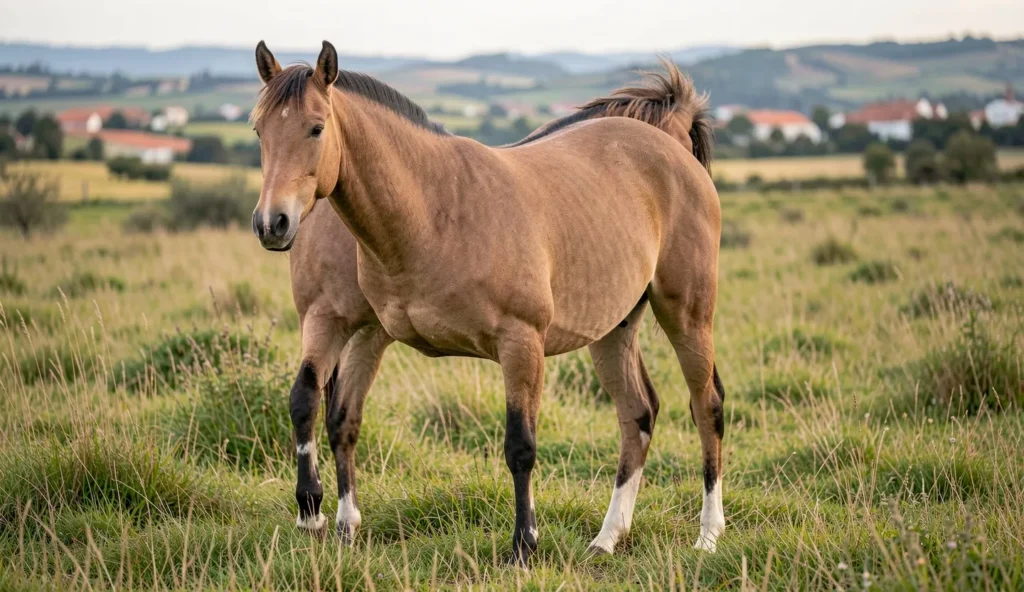
Common coat colors include gray, bay, and dark bay. Some lines may also produce lighter silver or grullo tones, depending on breeding. White markings vary widely, so no two ponies look exactly alike.
Because coat color does not determine athletic talent by itself, visual differences should not replace soundness checks. Still, recognizable patterns often help riders identify the breed in mixed pony situations.
Head, Neck, And Overall Frame
The head usually appears refined with an alert expression and good attention. A strong neck and well-balanced proportions support stable contact and efficient rein handling. Overall frame size tends to support a smooth rhythm on the flat and a steady takeoff for fences.
When the frame matches the rider’s training goals, the pony can learn jump distances more consistently. This makes the Connemara pony temperament feel manageable for many families during daily work. It can also support progression from beginner schooling to show jumping targets.
Legs, Hooves, And Rugged Build
Many Connemara ponies show sound legs with sturdy joints. Dense bone supports active work and can help with regular training schedules. With correct hoof management, hooves can stay resilient even under frequent use.
Daily care practices often influence long-term comfort. Owners who stay consistent with cleaning, monitoring, and farrier timing typically report fewer surprises during the year.
How Conformation Supports Athletic Jumping
Jumping success often depends on body mechanics, not only enthusiasm. Adequate shoulder movement helps efficient takeoffs, while hindquarters provide the push needed to clear fences. Clean transitions on the flat also support better rhythm and safer fence approach.
When training keeps the pony balanced through turns and transitions, conformation can translate into reliable jumping. For families comparing options, it can help to read how athletic structure is described for other warmblood or jump-focused breeds, such as the Hanoverian Horse when thinking about movement and performance traits.
Connemara Pony Temperament And Personality
Connemara pony temperament is one of the breed’s main reasons owners keep them for long-term programs. Many ponies show a gentle nature that pairs well with consistent handling. At the same time, they can still be forward and responsive when cues are clear. That mix helps riders learn technique without constant power struggles.
Behavior also depends on routine, training quality, and individual personality. However, the breed often stands out for steady work habits when care stays predictable. For show jumping families, predictable reactions reduce stress during travel and ring time.
Gentle Nature With A Willing Attitude
Many Connemara ponies act calm and kind when they receive regular grooming and predictable stable routines. They often respond well to clear communication and patient training. When groundwork and saddle work match the pony’s level, the pony can move forward without unnecessary tension.
Because of this temperament, some ponies suit youth riders who need a steady partner. Still, training consistency matters, since rushed or inconsistent handling can create resistance. A well-managed Connemara pony typically feels like a willing teammate.
Trainability And Learning Pace
The breed often learns best with routine, positive reinforcement, and short training sessions. Short sessions usually build better understanding and reduce boredom. When groundwork and ridden work stay consistent, confidence tends to grow faster.
Confidence also improves when desensitization happens early and gently. Tack routines, everyday sounds, and careful handling in new areas can shape a pony that stays focused. This is especially relevant before show jumping days.
Handling In Stable Life And At Events
Many Connemara ponies handle grooming and everyday stable tasks calmly. However, some individuals need gradual exposure to busy show environments. Preparation often improves focus during travel, waiting periods, and ring time.
During events, routines such as feeding timing, grooming order, and turnout management can reduce stress. Owners who keep those details steady often see smoother performance under saddle.
Common Behavioral Pitfalls To Watch For
Boredom can lead to restlessness if turnout and daily movement do not match the pony’s energy. Inconsistent handling can also create unnecessary resistance during training sessions. When young riders push too much too soon, the pony can feel stressed, even if it remains gentle.
To avoid this, match training intensity to experience levels. Regular movement, calm preparation, and predictable cues help keep the Connemara pony temperament stable across the week.
Exercise Requirements And Show Jumping Potential
The Connemara pony typically needs daily movement to stay comfortable and mentally balanced. With proper exercise, the breed shows strong potential for jumping and event-style riding. Athleticism often appears when turnout supports muscle maintenance and training builds rhythm. This is why Connemara pony show jumping programs often focus on steady conditioning rather than rushing fences.
Exercise needs depend on age, training load, and whether the pony lives in a climate with consistent turnout. Still, most owners aim for a plan that mixes movement, groundwork, and ridden fitness. That approach supports both performance and recovery.
Daily Turnout And Movement Needs
Turnout supports both physical condition and mental stability. Daily movement can reduce stiffness from stalled time and helps maintain healthy joints. When group turnout happens, management should match pony temperament to prevent unsafe behavior.
For families with multiple animals, stable spacing and safe footing become part of exercise planning. A predictable turnout plan often helps reduce tension that might otherwise show up under saddle.
Groundwork And Basic Riding Fitness
Walk, trot, and basic transitions usually build balance and coordination. Groundwork that includes leading, standing, and desensitization can improve confidence with tack and everyday sounds. Hill walking can strengthen muscles, but it should stay carefully managed for younger ponies.
Building fitness through low-stress work also supports safer jumping. When flatwork stays consistent, the pony can handle fence approach more reliably. That reduces the risk of awkward distances and late corrections.
Show Jumping Workload And Progression
Most training plans start with flatwork before increasing jump height. Grid patterns can be effective, but only when basics stay reliable and the pony maintains rhythm. Prioritizing technique and safe timing supports long-term progress in Connemara pony show jumping.
Progression works best when jump sessions include clear warmups and cooldowns. When fences stay aligned with conditioning, the pony can learn without chasing speed.
Common Training Mistakes For Athletic Ponies
Some owners schedule too many intense sessions and strain legs or tendons. Others skip warmups, which increases the risk of pulling muscles. Jumping without consistent flatwork can also worsen timing issues and lead to refusals.
Training should match the goal of steady improvement. After a busy competition stretch, stepping back for rest and light movement often protects the pony’s body.
Recovery And Rest After Jumping Days
Recovery should start immediately after jumping days with light movement for safe cooling down. Owners should monitor for swelling or heat in legs, since jumping work can show early signs of strain. Rest weeks matter most when building competition fitness over months.
When recovery stays planned, the pony stays ready for the next schooling or show. That stability often helps riders trust the Connemara pony during more demanding rounds.
Connemara Pony Care For Healthy Daily Management
Connemara pony care includes daily routines that support coat health, hoof comfort, and steady energy. A beginner-friendly plan usually focuses on shelter setup, grooming consistency, measured feeding, and smart scheduling with the farrier. Because show jumping can add workload, care should also consider recovery. Families often find that small daily habits make training safer and more enjoyable.
To support long-term success, care should run on a stable schedule. Routine reduces stress for the pony and also makes health monitoring easier. Over time, good care supports performance at shows and comfort during schooling.
Stable And Shelter Setup That Supports Daily Comfort
Stable setup should include dry bedding and good ventilation. Clean airflow reduces respiratory irritation and supports overall comfort. Keeping aisles clear supports safe movement when tack, grooming tools, and equipment pass through the stable.
Fresh water should always be available, including during colder months when drinking can drop. Many owners also make sure water buckets or automatic drinkers stay clean and functional. If water intake changes, health monitoring should follow.
Grooming Routine And Coat Care Steps
Grooming typically starts with brushing to remove dirt and stimulate circulation. During brushing, owners should check for bumps, cuts, and signs of irritation under saddle areas. Mane and tail care also matters, since tangles can increase breakage and skin irritation.
In addition, legs should be inspected daily for swelling or warmth. This quick check helps catch issues early, especially after jumping days. Owners who keep Connemara pony grooming consistent often notice problems before they become serious.
- Brush coat to remove dirt and improve circulation
- Check saddle area for rubs or redness
- Detangle mane gently to prevent breakage
- Inspect legs for heat, swelling, or soreness
- Clean tack contact points to reduce skin irritation
Hoof Care And Farrier Scheduling
Farrier visits should follow growth rate and workload level. Jumping can increase demand on hooves, so scheduling should not lag behind. Keeping hooves clean helps reduce thrush risk and supports comfortable movement.
Owners should also track toe length changes from activity levels. When hooves stay balanced, the pony often moves more freely and feels safer on varied footing.
If families want a comparison point for how ponies vary by breed background, reviewing a different pony type can be helpful. For instance, the Shetland pony has a very different build, and that difference can change how owners approach hoof and feed management. That comparison can sharpen care decisions for the Connemara pony’s athletic needs.
Diet And Nutrition For Energy And Joint Support
Connemara pony feeding usually starts with high-quality forage as the diet base. Forage supports digestion, helps prevent weight changes, and provides steady energy. Concentrates should be measured and provided only if needed for age or workload.
Calories should adjust for season, training intensity, and body condition. Many owners also use a vitamin and mineral plan recommended by a vet, rather than guessing. That approach supports joint health and overall recovery, especially during heavier show jumping training blocks.
Feeding Basics That Help Show Jumping Ponies
Feeding should follow a steady schedule to reduce stress. Heavy feeding right before intense sessions can cause discomfort, so timing should stay consistent. Recovery usually improves when forage and hydration support the pony after training.
Weight should be monitored after training blocks, since jumping can alter muscle use and appetite. If weight trends up or down, adjustments should follow quickly. This is one of the most practical Connemara pony care steps for families who want predictable performance at shows.
Water Intake And Heat Management
Water should remain clean and accessible in both turnout and stalls. During hot weather, increased monitoring helps prevent dehydration and overheating. Shade options and careful exercise timing can reduce heat stress.
During travel and competition, drinking behavior should be tracked so fatigue does not hide early discomfort. When water access stays reliable, the pony often recovers faster after ring time.
Common Health Issues And Preventive Care
Health management for a Connemara pony depends on prevention and early response. The breed can handle regular work well, but jumping increases the chance of muscle and joint strain. Parasites, skin problems, and weight changes also require routine monitoring. Owners who follow basic Connemara pony health practices usually reduce the risk of avoidable setbacks.
Many health issues start subtly, so daily observation matters. A quick routine that checks legs, coat, appetite, and droppings can support early action. When problems appear, professional veterinary guidance should guide decisions.
Lameness Risks From Jumping And Repetitive Work
Lameness risk often increases after intense training or repetitive jumping. Owners should watch for shortened stride, head bobbing, or reluctance to move forward. Soreness may also appear after increased exercise, so response time should be quick.
Rest and conditioning help reduce strain, but the plan must match the pony’s needs. Gradually increasing workload after a rest period can protect tendons and reduce the chance of recurring issues.
Parasites And Deworming Planning
Parasites can affect digestion, coat quality, and energy. Targeted deworming often works better when fecal testing informs treatment decisions. When veterinarian guidance sets the timing, plans become safer and more effective.
Stable hygiene matters as well, since manure management reduces reinfection risk. Clean bedding and consistent cleaning routines often protect both the pony and long-term farm health.
Skin And Coat Problems From Weather And Tack
Skin issues can develop from rubbing under saddle and tack areas. Owners should inspect contact zones after sessions, especially in wet or windy weather. Rain-related coat changes can also appear, so drying conditions should improve quickly after exposure.
Dust exposure can worsen coat and skin comfort, which means grooming routine should stay careful during bedding changes. Treating early often prevents mild problems from becoming chronic irritation.
Metabolic And Weight Management Concerns
Weight changes should stay a constant focus, since metabolic health can shift with diet and turnout. Body condition scoring helps track trends rather than relying on daily guessing. When the pony trains more, calories may need to adjust to support recovery without promoting fat gain.
For grazing-heavy seasons, turnout strategies should consider grazing risk. Managing forage intake often supports stable energy levels for jumping and reduces stress on joints.
Vaccines And Veterinary Checkups
Vaccines should follow a schedule based on local risk factors and veterinary recommendations. Annual wellness exams often catch issues before they cause major disruptions. Veterinary advice also helps match parasite control and nutrition to seasonal changes.
Prompt help matters when fever appears, when colic signs show up, or when sudden lameness occurs. Quick intervention typically improves outcomes and helps the pony return to work safely.
Is A Connemara Pony Right For You?
A Connemara pony can fit many show jumping families, especially those who want a gentle partner with real athletic ability. When coaching and training stay consistent, the breed often handles progression from schooling to show experience. This fit matters most when youth riders and families share stable duties and routines. For many households, the combination of temperament and jumping potential offers a practical long-term option.
That said, suitability depends on match quality and management. Turnout access, handler experience, and training consistency all influence whether the pony stays calm and productive. Families considering other pony or horse types may also review how build and temperament are described in breeds like the Morgan Horse to compare approach to versatility and temperament expectations.
Good Fit For Families And Pony Club Riders
Many Connemara ponies tolerate beginner training well when consistent coaching supports clear boundaries. Athletic enough for progression, they can move from flatwork to show jumping when basics become reliable. A calm personality can also help in shared stable routines across multiple family members.
When groundwork happens regularly, the pony typically learns expectations for grooming, saddling, and event travel. That predictability often supports safer training days.
Who Should Be Careful With Match And Training
Busy schedules can reduce turnout and training consistency, which may affect comfort and behavior. Inexperienced handlers might struggle with behavior shaping if routines shift too often. Overbidding competition intensity can increase injury risk when rest and recovery are not planned.
Safety improves when training stays realistic, and when the pony’s conditioning aligns with the rider’s goals. A thoughtful match supports both confidence and long-term soundness.
Starter Checklist For Choosing A Pony
Choosing a pony works best with preparation and clear requirements. Temperament checks should involve calm handling sessions rather than only observing from a distance. Soundness and farrier history help confirm that the pony supports active work.
Training level matters as well, since jumping performance depends on flatwork quality and rhythm education. Feeding routine and recent workload should be reviewed so energy levels match expectations. A veterinary pre purchase exam also helps spot issues that would otherwise appear later.
- Test temperament with calm handling sessions
- Review soundness history and farrier records
- Confirm rider level matches training experience
- Ask about recent workload and schooling routine
- Plan a veterinary pre purchase exam
FAQs: Connemara Pony Care, Temperament, And Show Jumping
How Big Do Connemara Ponies Usually Get?
Connemara ponies are generally the largest of the Irish pony breeds. Height varies by individual, breeding line, and conformation, so comparing ponies to rider height and weight needs stays essential.
Are Connemara Ponies Good For Show Jumping?
Many Connemara ponies show athletic jumping ability and can perform well with youth riders. Reliable flatwork and consistent soundness usually support better jump results, while training progression keeps work safe.
What Is The Typical Connemara Pony Temperament?
They are often gentle and willing with consistent handling. Some individuals can feel energetic under saddle, and stable routines plus gradual exposure to events help reduce stress.
How Much Turnout Does A Connemara Pony Need?
Daily movement supports both physical condition and mental balance. Turnout duration should match local climate and the available management setup, including safe group compatibility.
What Should A Connemara Pony Be Fed?
Forage should form the base of the diet, with concentrates measured only when needed. Mineral and vitamin plans should follow guidance from a vet or qualified nutrition professional.
What Health Issues Are Most Common In Connemara Ponies?
Lameness can occur when jumping workload increases without enough recovery. Parasites, skin issues, and weight or metabolic changes may also develop when management is inconsistent.
A Practical Way To Support Daily Success
A well-managed Connemara pony blends gentle handling with real jumping ability. With consistent care, smart conditioning, and early health monitoring, the breed can stay comfortable and capable through training and competition seasons.