What Is Silver Dollar Fish Schooling Behavior?
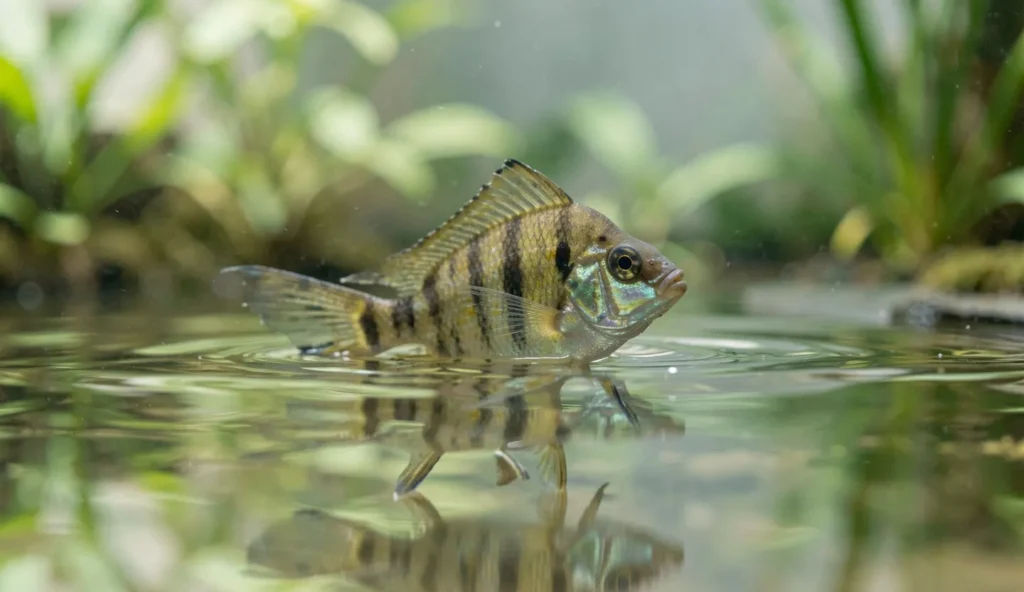
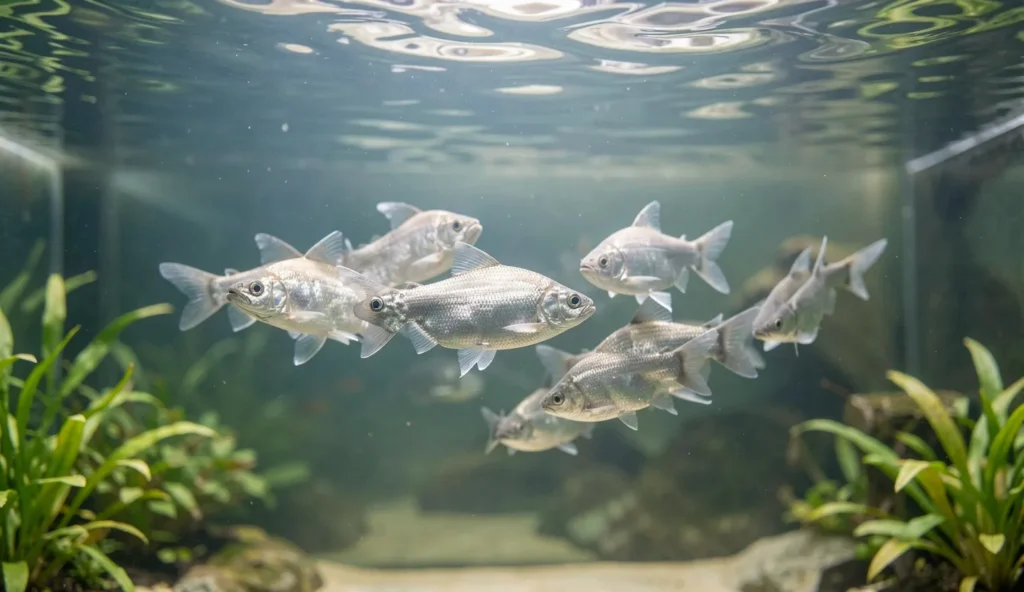
Silver dollar fish school as a social strategy that helps Metynnis argenteus feel secure while they travel through open water. In a home aquarium, schooling usually looks like the group moving in coordinated turns and repeating patterns.
When kept correctly, this fish keeps a wide body posture and stays visually “together” across the tank. When conditions fail, individuals often drift away and the school loses its rhythm.
Where Silver Dollar Fish Comes From And How That Shapes Behavior
Metynnis argenteus belongs to the same broad pacu relative lineage, so many individuals show river-style group movement. In nature, open travel favors coordinated swimming and quick regrouping when danger appears.
Stress can still override those instincts. Common signs include hiding more often, darting during tank changes, or staying alone near corners.
What A Healthy School Looks Like In A Home Aquarium
A healthy silver dollar fish school usually holds a loose formation but keeps consistent spacing. The group often circles together and changes direction as one.
Fin nipping is rarely the main issue if the tank has enough width and the group has room to spread out. When schooling remains steady across the tank, aggressive chasing usually drops.
Why Silver Dollar Fish May Stop Schooling
Too few fish can weaken social confidence and reduce coordination, so individuals fail to rejoin after movement changes. Insufficient swimming space also limits synchronized behavior, especially when the aquascape blocks the center.
Poor water quality and weak filtration raise stress, which then shifts behavior toward hiding or surface hovering. If the school becomes inconsistent after routine maintenance, water stability often explains it.
How Many Silver Dollar Fish To Keep In A Large School
Silver dollar fish schooling improves when the group number supports a stable social structure and reduces dominance pressure. For an intermediate setup, planning a large school usually matters more than choosing “the right” decoration.
Stocking also changes how much food is consumed and how quickly waste builds up. Strong filtration and careful feeding support the larger school.
Minimum Group Size For Normal Schooling
Many keepers notice schooling improves when the group grows beyond a small starter number. Keeping just a few fish often leads to persistent separation and a school that never fully forms.
A visible moving group matters, so the goal usually is a large school rather than pair behavior. If the tank holds only two to four fish, individuals may circle briefly but then drift apart.
Target Group Size For Strong Schooling And Less Stress
Larger groups typically spread pressure across multiple fish and reduce “who leads” conflicts. A large school also uses tank space more effectively, which supports long, predictable swimming paths.
That said, more fish increases bio-load and feeding demand. A filtration system sized for the final stock, plus extra attention to water changes, helps keep schooling stable.
Mixing With Other Fish Species In The Same Community
Silver dollar fish can share a community when the tankmates support calm schooling movement. Fast, midwater swimmers can complement silver dollar movement without constantly interrupting it.
Avoid very aggressive tankmates that force the school to constantly react. Overcrowding defeats schooling by creating constant territorial friction and unstable water conditions.
For example, careful planning helps when fish in the tank also rely on schooling, so comparing species needs can reduce surprises. Those decisions often matter as much as the aquarium footprint, even when fish such as zebra danio add active movement.
Tank Size And Layout For Confident Swimming
Open water space supports the silver dollar fish school by giving each fish room to turn, regroup, and maintain consistent spacing. Layout choices can either encourage wide midwater movement or trap the group into narrow lanes.
For Metynnis argenteus, the tank’s footprint often matters more than height. Long swimming paths reduce stress and support the coordinated behavior that keepers want.
Ideal Tank Dimensions For A Large School
Prefer long, wide tanks that give silver dollar fish enough horizontal space to travel together. More surface area and swim room also reduce repeated collisions and hesitation.
Heavily decorated layouts can trap fish into corridors, which disrupts schooling when individuals try to pass each other. When the center remains open, schooling becomes easier to maintain.
Aquascaping Choices That Still Allow School Movement
Use open midwater space with moderate hardscape, then place plants and rocks along the edges. Hiding spots near boundaries give the school a safe option without blocking the main movement area.
Smooth substrate also helps reduce skittish bottom movement. If fish feel uncomfortable near the ground, they spend more time retreating instead of regrouping in the school.
Water Flow, Filtration, And Oxygenation For Stress Reduction
Efficient filtration supports the waste load created by a large school. Stable oxygen levels and consistent water movement also help fish sustain normal swimming patterns.
Flow should feel strong enough to circulate evenly but not so forceful that fish fight the current. When ammonia and nitrite stay near zero, schooling tends to look natural.
When choosing a community, matching tankmate water needs can reduce stress spikes. That process can be guided by research on other schooling fish such as neon tetra, since group behavior often changes with water stability.
Diet And Feeding That Supports Schooling And Health
Silver dollar fish are herbivorous in aquarium settings, so consistent plant and vegetable intake supports better energy and calmer behavior. When diet stays balanced, the school often looks more stable because stress signals reduce.
Feeding method matters too. Food that is easy to access across the tank helps keep all fish comfortable enough to stay in formation.
Herbivorous Diet Basics For Metynnis argenteus
Metynnis argenteus primarily grazes on plant material and vegetable foods in captivity. High-fiber intake also supports digestion and can reduce water fouling from poorly digested meals.
Balanced feeding reduces stress-related changes in movement. If hunger becomes common between meals, silver dollar fish may spend more time searching or nibbling plants.
Best Food Options For A School Of Silver Dollar Fish
Sinking or slow-wafers often work well because they reduce competition at the surface. Blanched vegetables provide fiber and give fish a natural grazing target.
Variety improves acceptance and keeps routines consistent. Many keepers rotate options such as blanched zucchini, spinach, and peas while still using herbivore-focused prepared foods.
Feeding strategies also help manage tankmates that compete for the same food zone. If other herbivores are present, reviewing how that diet impacts behavior can help, including research for goldfish breeds that often respond strongly to feeding changes.
Feeding Schedule And Portion Control For Less Competition
Feed small amounts multiple times rather than one large portion. Spreading feedings reduces crowding and helps the silver dollar fish school stay coordinated instead of breaking into quick grabs.
Portion control also protects water quality. If food remains uneaten for long periods, nitrate rises and schooling can weaken within days.
When competition stays high, some fish bully weaker members and the school appears inconsistent. Adjusting portions and feeding locations often stabilizes the group.
Are Silver Dollar Fish Plant Safe?
Silver dollar fish can be plant-safe only in specific setups and with proper plant choices. Many individuals behave as herbivorous grazers and may eat soft leaves, especially new growth.
This issue often increases when food variety is limited or portions do not meet grazing needs. Hunger can drive nibbling even when prepared foods are available.
Why They May Eat Soft Leaves
Herbivorous mouthparts can nip soft, young leaves and tender shoots. When hunger rises, nibbling becomes more frequent and uprooting can follow.
Young shoots may be targeted even when harder foods exist. As a result, a planted aquarium can become damaged unless plant strategy and vegetable feeding align.
Plant Strategies That Reduce Damage In Planted Tanks
Choose tougher plants with thicker leaves and slower growth to reduce grazing losses. Offering abundant vegetable feeding also reduces pressure to rely on aquarium plants.
Secure root anchoring helps, and avoiding delicate floating plants lowers risk. When plants remain stable, silver dollar fish may still graze but usually causes less long-term damage.
Community planning also helps plant safety because fish interactions can change grazing behavior. Keeping calmer species with similar space needs can reduce stress, such as adding a peaceful shoaling tankmate like cherry barb when the aquarium size supports it.
What To Expect If A Planted Tank Is Not Fully Compatible
Some setups work better as partly planted tanks where delicate plants are protected. Fast-growing plants may bounce back, but slower plants can disappear quickly.
Competing for light and nutrients can also increase stress. When stress rises, fish may graze more aggressively and the school may tighten toward hiding spots.
Common Health Issues That Affect Schooling
Health problems disrupt a silver dollar fish school by reducing coordination and increasing avoidance behavior. Early detection often prevents the school from breaking apart for long periods.
Most problems show up first as behavior changes during feeding and swimming. Then, the group’s pattern becomes less consistent.
Stress Signals Seen In A Silver Dollar Fish School
Stress can appear as reduced coordination, staying near the surface, or remaining close to corners. Another sign is increased hiding and reluctance to rejoin the main group.
Faded color can also correlate with poor conditions or disease. When fish look less reflective or lose sheen, water quality and feeding should be checked first.
Water Quality Problems That Trigger Behavior Changes
Ammonia and nitrite spikes can trigger rapid stress and erratic swimming. Low oxygen or poor circulation can also break schooling patterns by reducing stamina.
Rough substrates can worsen irritation and push fish into hiding behavior. For schools, smooth, stable surfaces make regrouping easier.
If other tankmates also show sudden behavior changes, the cause often involves water chemistry rather than single-fish illness. Monitoring routines can be supported by observing how tank communities respond, including tankmate pacing for angelfish care scenarios.
Beginner Monitoring Steps For Intermediate Keepers
Track temperature, pH, ammonia, and nitrate regularly to catch issues before schooling breaks down. Observing feeding behavior and respiration twice daily can reveal early problems.
Remove sick individuals when feasible without destabilizing the rest of the school. When disease spreads, schooling behavior often becomes erratic quickly, especially in larger groups.
Is Silver Dollar Fish Right For An Intermediate Tank?
Silver dollar fish fit best when space, group size, and water stability align with their schooling habits. Because Metynnis argenteus is herbivorous, consistent vegetable feeding also becomes part of daily care.
Plant expectations must also match the species, since soft leaves may not survive long-term grazing. When these requirements are met, schooling often looks confident and calm.
Best Fit Conditions And Setup Requirements
Successful schooling depends on large groups and open swim space with minimal center obstruction. Herbivorous diets work best when vegetable offerings stay consistent and portions match the school’s size.
Planted setups usually require tough plants or heavier protection. With those adjustments, the group can remain stable and visible instead of constantly searching for shelter.
Common Reasons People Struggle With Silver Dollar Fish
Too few fish often leads to persistent lone behavior and weaker coordination. Insufficient tank size also causes limited movement, which makes schooling look incomplete.
Plant damage expectations create another common issue when stocking does not match plant type. Choosing firmer plants and increasing vegetable feeding usually reduces problems.
Some keepers also confuse similar-bodied fish and expect the same feeding behavior, so verifying species needs helps. For instance, another cichlid may require different care like oscar fish, and mixing needs without planning can create feeding conflict.
Starter Checklist For Schooling Success
Silver dollar fish schooling becomes more reliable when tank setup supports wide movement and diet supports herbivorous grazing. Use the checklist below to prepare before committing to a large school.
- Confirm tank length supports wide schooling movement.
- Plan a large group, not just a small pair.
- Use strong filtration and maintain stable water parameters.
- Decide on plant strategy based on soft leaf grazing risk.
- Keep herbivore vegetable options ready before feeding.
- Feed small amounts multiple times to reduce competition.
After setup, watch how the school reacts to feeding locations and routine changes. Then fine-tune portions and aquascaping to keep the group moving smoothly.
Frequently Asked Questions
How Many Silver Dollar Fish Should Be Kept Together For Schooling?
Keep a larger group so the fish stay coordinated.
Why Does A Silver Dollar Fish Stop Swimming In A School?
Common causes include too few fish, stress, or inadequate space.
Do Silver Dollar Fish Eat Plants In A Community Aquarium?
They are herbivorous and may eat soft leaves.
What Should Silver Dollar Fish Be Fed To Support Health?
Use herbivore-focused foods and vegetable offerings consistently.
What Tank Conditions Help Silver Dollar Fish Maintain Normal Schooling?
Stable water quality, open swimming space, and suitable group size help.
Final Note On Silver Dollar Fish Schooling
With open tank space, a large school size, and herbivorous feeding, silver dollar fish behavior typically looks calm and organized. Plant safety improves when tougher plants and steady vegetable options reduce grazing pressure.