What Is Boesemani Rainbowfish?
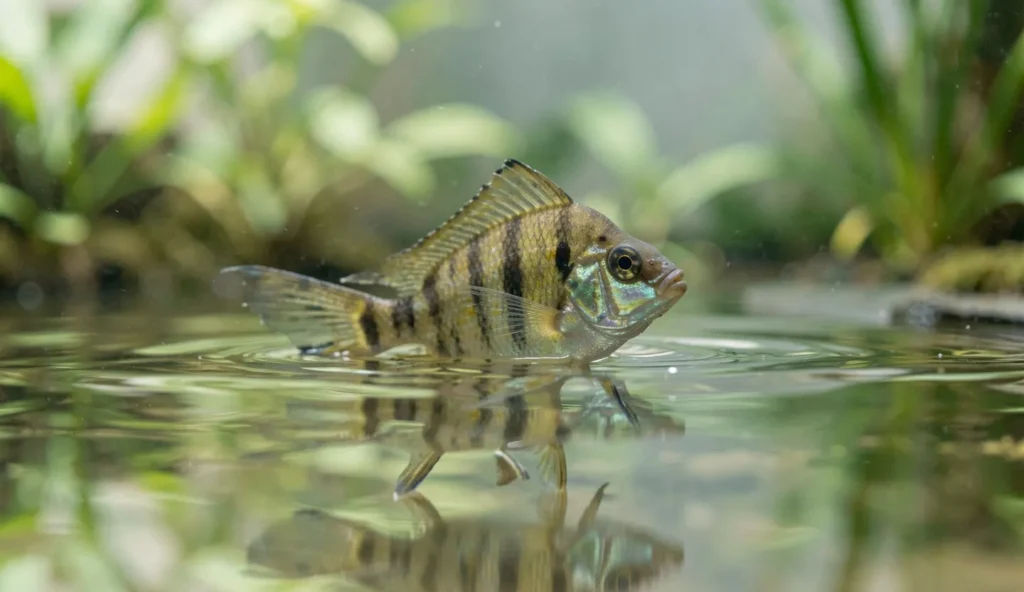
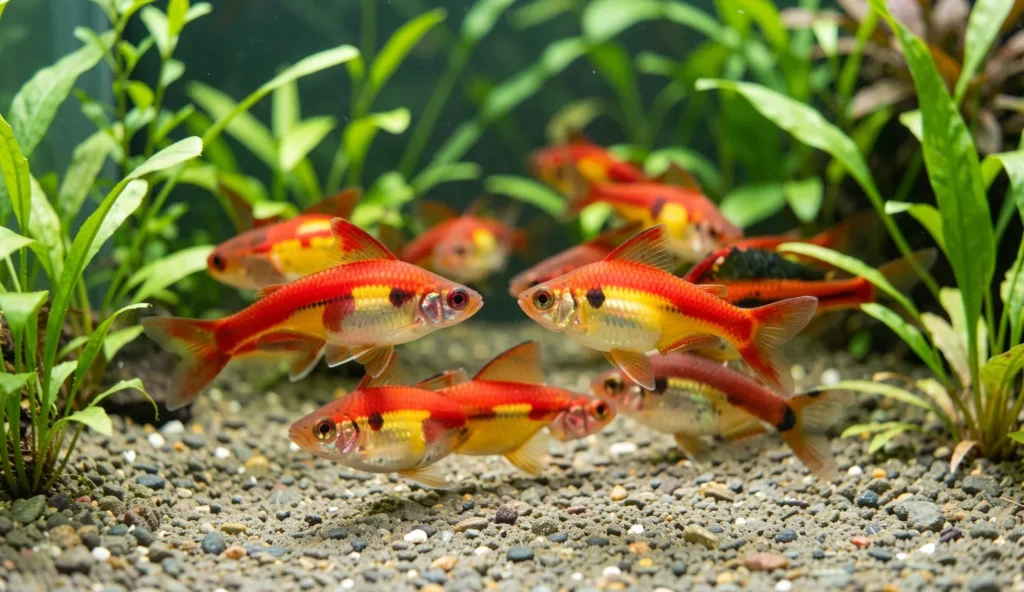
Boesemani rainbowfish are freshwater fish that belong to the genus Melanotaenia, and their two tone look makes them a top choice for color focused aquarists. They come from West Papua and often display red and yellow tones when stress stays low and rainbowfish care supports consistent routines.
Species Background And Natural Range
Melanotaenia boesemani is native to West Papua, where fish live in clear rivers and stream areas with plant cover. In nature, they benefit from stable water and frequent food availability, which supports steady growth and visible coloration.
Because wild habitats tend to be cleaner and more stable than many early aquariums, success usually depends on avoiding swings in water parameters. With consistent feeding and gentle conditions, boesemani rainbowfish often settle faster and show better long term color.
Key Traits That Show Up In A Healthy Adult
A healthy adult commonly shows a bold two tone pattern with bright red tones and warmer yellow tones along the body. Vivid display also depends on good water quality and a balanced feeding plan rather than a single “color food” product.
Schooling behavior plays a major role as well, since groups feel safer and spend more time moving naturally. When numbers stay adequate, the fish tend to show clearer color and a calmer posture for observers.
Appearance And Two Tone Color Goals
The aim for many keepers is strong contrast between the red and yellow sections, with a smooth shine rather than a dull, washed look. For Melanotaenia boesemani, appearance changes with age, but aquarium lighting, diet, and water stability influence how quickly the colors show.
Common Color Expectations By Age And Size
Juveniles often look less intense than mature fish, and their red and yellow tones usually develop after months of stable care. Once conditions remain steady, boesemani rainbowfish typically gain more visible vibrance and better body contrast.
Faster improvement often happens when feeding stays consistent and stress stays minimal. Rapid color improvement tends to be easier when bullying is avoided and the group stays large enough for calm schooling.
Two Tone Pattern Factors That Affect Vibrance
Light spectrum and light intensity change how colors appear, so aquarium lighting should stay consistent day to day. High quality food also matters because a color enhancing diet supports pigment development over time.
Water quality affects the fish skin condition and the reflective quality of the scales. When water stays clean and ammonia stays at zero, the two tone color often looks brighter and more defined.
Signs Of Dull Color That Suggest A Husbandry Issue
Faded red or yellow tones often point to stress, weak nutrition, or both. Clamped fins, hiding behavior, and reduced schooling can also reduce visible coloration.
Rapid color loss may follow water changes that shift parameters too quickly, or a sudden diet that lacks pigment support. If these changes happen right after a tank setup upgrade, the cause usually involves stability rather than the fish “aging overnight.”
Housing Essentials For Color And Comfort
Housing choices influence stress levels, and lower stress usually means stronger two tone display. A well planned tank supports rainbowfish care needs and gives a group space to swim and school across open areas.
Tank Size And Grouping For Schooling
Boesemani rainbowfish do best when kept in a group rather than singly, because schooling helps them feel secure. A larger tank also supports stronger swimming and helps maintain stable water conditions.
The tank should include both open swim space and shaded plant areas so the fish can choose calm zones. When a group has enough width and swim lanes, schooling improves and coloration often looks more even.
Water Parameters That Help Maintain Bright Color
Bright color usually follows stable, clean water rather than frequent swings, so routine testing matters. Gentle filtration supports oxygen and keeps waste from building up, while avoiding strong direct flow on resting zones.
Ammonia and nitrite should remain at zero, and nitrate should stay controlled with regular water changes. When water parameters remain stable, the fish keep better appetite and maintain more consistent two tone color.
For community keepers aiming for predictable water habits, setting up a consistent maintenance routine helps reduce stress. In tanks that also include other species like zebra danio, matching the basic stability needs can make tank performance more uniform.
Substrate, Plants, And Hiding Spots That Reduce Stress
Using smooth substrate helps reduce irritation and improves comfort for active swimmers. Live plants support natural behaviors and make it easier to create calm visual breaks inside the aquascape.
Driftwood and rocks can form safe territory around the tank while still leaving clear open areas for schooling. This layout helps keep the group moving without constant chasing by dominant fish.
Lighting Setup That Brings Out Two Tone Color
Use consistent lighting duration to match a normal day and reduce stress from sudden darkness. Extremely dim setups often make red tones appear muted, while harsh glare can push fish into hiding.
When adjustments are needed, change intensity gradually instead of switching from very low light to strong lighting overnight. For community planning, the same approach works when pairing with schooling fish like neon tetra, since stable lighting supports group behavior.
Diet And Color Enhancing Feeding Plan
Diet affects color faster than many owners expect, but results still require consistent feeding and clean water. A color enhancing diet typically combines high quality base foods with pigment supporting ingredients and protein variety.
What To Feed For Red And Yellow Pigment Support
For red and yellow development, use a mix of quality flakes or pellets plus protein foods. Pigment support works best when offered regularly, since pigment production relies on ongoing nutrition rather than one “boost” feeding.
Foods labeled for color support can help if the ingredients match the needs of rainbowfish. When feeding includes pigment sources consistently, boesemani rainbowfish often develop stronger contrast between red and yellow tones.
Best Food Types For A Balanced Rainbowfish Diet
Quality pellets supply base nutrition and steady energy, which keeps appetite stable across the day. Color focused flakes or granules can add pigment support while maintaining a routine that the group accepts.
Frozen or live foods add variety and support conditioning, especially when protein choices stay appropriate. Small amounts of vegetable matter can support gut balance, but they should not replace protein and quality staples.
When choosing comparable community fish foods, the same quality standards apply, whether the tank also holds harlequin rasbora or other peaceful schooling species. Keeping food quality high across tank residents reduces wasted food and helps the group stay active.
Feeding Frequency And Portion Sizes For Stable Condition
Feeding small portions multiple times per day usually supports stable digestion and helps the group compete less aggressively. Uneaten food should be removed promptly to prevent waste buildup and avoid water stress.
Portions should keep fish active without overeating, since excess food can push nitrate up and dull coloration indirectly. With a consistent feeding schedule, boesemani rainbowfish often show improved condition and steadier color display.
How To Condition For Maximum Color Without Overfeeding
To condition for maximum color, increase pigment focused foods gradually over 2 to 4 weeks rather than instantly. Protein variety should stay present because overall health supports pigment expression and better body shine.
If waste spikes during conditioning, reduce portions and prioritize water cleanliness with timely maintenance. This approach supports rainbowfish care goals while keeping the tank stable enough for long term schooling.
Conditioning plans can also help community keepers balance diet between species, such as when pairing with cherry barb that prefers gentle, non aggressive feeding styles. Consistency across species often keeps the entire display looking healthier.
Temperament, Tank Mates, And Community Planning
Boesemani rainbowfish are generally peaceful when maintained in adequate numbers and provided enough space. Schooling comfort often improves two tone display, because reduced chasing and harassment keeps stress low.
Temperament And Social Behavior
Most boesemani rainbowfish remain calm in the right group size, and they often use open swim space as a social zone. When the group feels safe, the fish spend more time in view, which makes color look more consistent.
Stress from bullying can dull coloration quickly, even when the diet includes pigment support. For that reason, tank setup and group size matter as much as feeding schedule.
Compatible Tank Mates For Community Setups
Choose similarly sized, non aggressive community fish that prefer comparable water stability. Tank mates should not chase, nip fins, or block feeding areas, since that behavior reduces schooling and color output.
Matching temperature and basic water needs also helps, because large differences can push boesemani rainbowfish into irregular behavior. If the tank includes fast, midwater swimmers like goldfish breeds are not a typical match, but the principle holds for choosing community species that do not disrupt feeding.
In practice, community keepers often choose peaceful schooling fish, while also considering that some bottom grazers like plecostomus fish may compete during feeding. Monitoring feeding response helps prevent the rainbowfish from receiving less food than expected.
Space And Aquascape Layout Tips
Create multiple swim lanes across the tank width so all fish can turn and school without constant bottlenecks. Plant clusters and hardscape pieces can break lines of sight and reduce sudden conflict in tighter aquariums.
Feeding should occur in areas that allow every fish access to food, because consistent intake supports stable condition. When the layout supports access, the group typically maintains better appetite and a more even two tone look.
Common Health Issues And Ongoing Care Routine
Healthy fish show better coloration, so the care routine should focus on prevention and early detection. Even the best color enhancing diet cannot compensate for persistent water stress or untreated disease.
Routine Water Maintenance That Protects Color
Regular water changes should match tank load, since heavy stocking increases waste faster and pushes nitrates up. A reliable test schedule helps track key parameters and prevents accidental stress events.
Filter media should be rinsed only when needed and usually in dechlorinated water if maintenance becomes necessary. Gentle substrate vacuuming helps reduce detritus without disturbing beneficial material too much.
Common Problems That Can Dull Color
Ich and other parasites can reduce activity and shine, making the fish appear less vibrant even when feeding stays strong. Bacterial issues often follow poor water quality, so addressing water stability often improves overall health quickly.
Stress from sharp parameter changes can also mute red tones, because the fish reduce normal feeding and color expression under stress. Keeping water changes gradual and consistent supports long term color goals.
Early Warning Signs To Watch For
Clamped fins and reduced schooling can signal stress, aggression in the tank, or early health problems. Loss of appetite with rapid color fading is another sign that something has shifted, often water quality or feeding routine.
Cloudy eyes, visible spots, or unusual breathing patterns should trigger immediate attention. Early response often limits damage to skin condition and helps the fish return to strong two tone appearance.
Starter Checklist For New Owners Focused On Color
A stable cycled tank should be in place before adding fish, since ammonia and nitrite exposure harms color and growth. Keep a schooling group sized for tank volume and ensure the fish can move freely across the width of the aquarium.
Use lighting on a consistent schedule and avoid sudden changes that cause hiding. Finally, set up a varied feeding schedule that supports pigment and remove uneaten food to keep waste low.
Is Boesemani Rainbowfish Right For You?
Boesemani rainbowfish often fit well in community aquariums when neighbors remain peaceful and water stability stays consistent. They reward keepers who test water, feed small portions regularly, and aim for a calm schooling setup.
Best Fit For Color Focused Aquarists
Boesemani rainbowfish work best for aquarists who can test water consistently and keep routines steady. They also suit owners who can feed multiple small meals and track results in body color over time.
They also tend to do well in mixed community tanks when compatible fish are chosen and harassment is avoided. When other schooling fish keep similar habits, the entire tank often looks more coordinated.
Challenges To Consider Before Buying
Color depends on stability and steady nutrition, so poor consistency can lead to faded red and yellow tones. Group requirements can also limit flexibility, since too few fish can increase stress and reduce display.
Aggressive tank mates can dull coloration quickly, even when water looks clean. For rainbowfish care success, community planning should prioritize calmer species and predictable feeding access for the whole school.
Frequently Asked Questions
How Many Boesemani Rainbowfish Should Be Kept Together For Best Color?
Keep boesemani rainbowfish in a group rather than singly, and choose the group size based on tank volume.
What Lighting Conditions Help Boesemani Rainbowfish Show Their Two Tone Colors?
Use consistent daily lighting and avoid extreme dimness or harsh glare to keep display color stable.
What Foods Are Best For A Color Enhancing Diet In Boesemani Rainbowfish?
Use quality pellets or flakes as a base and add pigment supporting protein variety in the regular feeding plan.
Why Do Boesemani Rainbowfish Lose Color After Moving To A New Tank?
Stress from moving and parameter swings can mute red and yellow tones, so stable, clean water helps the fish recover.
How Often Should Boesemani Rainbowfish Be Fed To Maintain Bright Color?
Feed small portions multiple times per day and remove uneaten food to prevent waste buildup.
Final Note On Supporting Vibrant Color
Boesemani rainbowfish show their best two tone display when lighting stays consistent, the color enhancing diet runs steadily, and schooling feels secure in the tank.