What Is An Archer Fish?
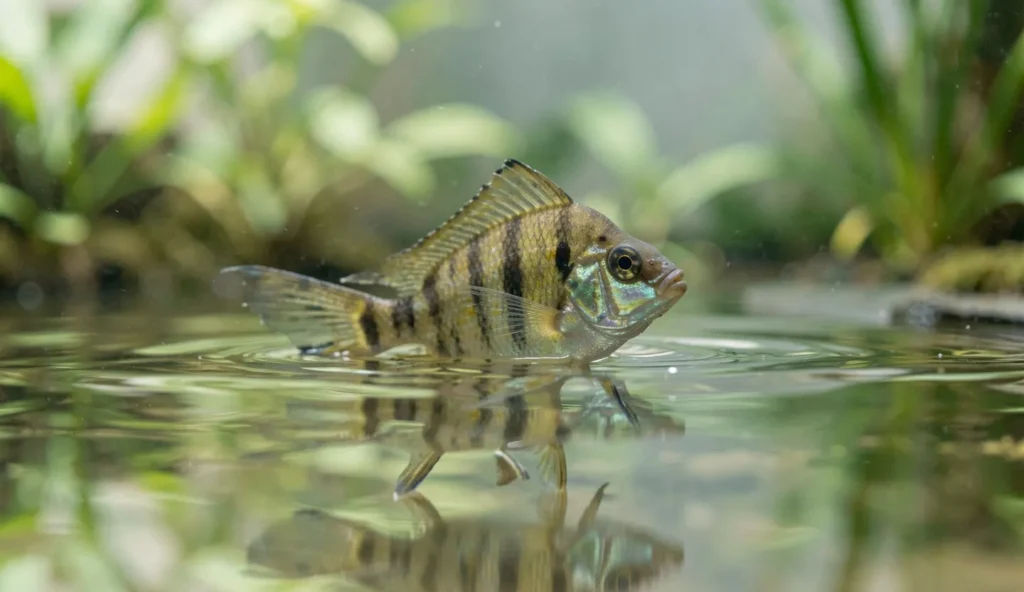
The archer fish is a tropical coastal fish in the Toxotes group, and it stands out because it hunts by spitting jets of water. The most commonly kept aquarium species is Toxotes jaculatrix, and it targets insects that hover above the water.
Because archer fish combine surface hunting with a repeatable feeding style, many novelty fish keepers view it as a behavior-forward species. Even so, successful care depends on matching the tank to its brackish water routine and feeding needs.
Species Background And Natural Range
Archer fish come from tropical coastal areas where brackish water conditions often occur. In aquariums, Toxotes jaculatrix is the archer fish most frequently imported and sold.
In the wild, the diet relies heavily on insects that overhang or touch the water surface. That natural target drives the signature spitting behavior seen in captivity.
Why The Spitting Mechanism Matters
The archer fish shoots jets to knock prey off the water line so the fish can grab it below. This method explains why the species is often described as an insect feeder rather than a typical flake-and-pellet fish.
Captive feeding still needs to follow the same logic, meaning food sources should support spitting practice. When feeding is consistent, the fish usually begins to aim more accurately over time.
Key Traits You Can Observe In Captivity
Archer fish often hold position near the surface or along the tank edges, which makes targeting easier. When the fish sees movement, water-jet shots are triggered by sight and distance.
Feeding response can be trained using consistent presentation of targets. During the first weeks in a new setup, jets may land short more often than later.
Appearance And Behavioral Signals To Watch
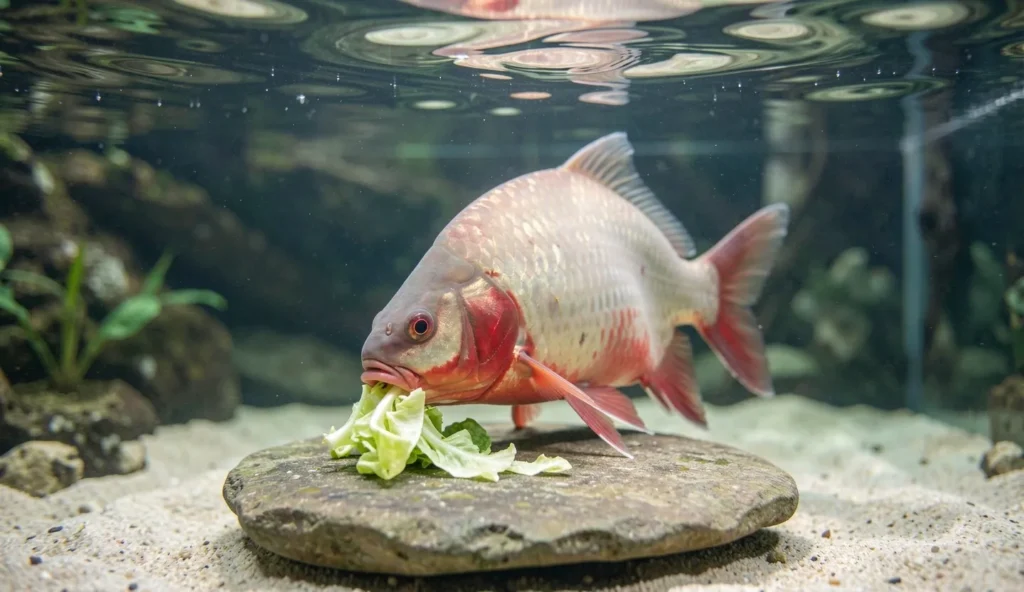
Archer fish look built for fast bursts, with a streamlined body that supports quick surface work. Many keepers also notice eye alignment that helps with aiming at the water line.
Behavior provides the clearest clues about readiness to hunt and how well the tank fits brackish water life. When signals change, water quality and acclimation usually need review.
Physical Features Commonly Seen
Streamlining helps archer fish move quickly during short pursuits near the surface. Color can range from silvery to darker tones, and brighter tones often correlate with better condition.
Equally, the body structure supports a forward posture while aiming. That setup helps explain why spitting looks precise when conditions are stable.
How Archer Fish Hunt In Aquariums
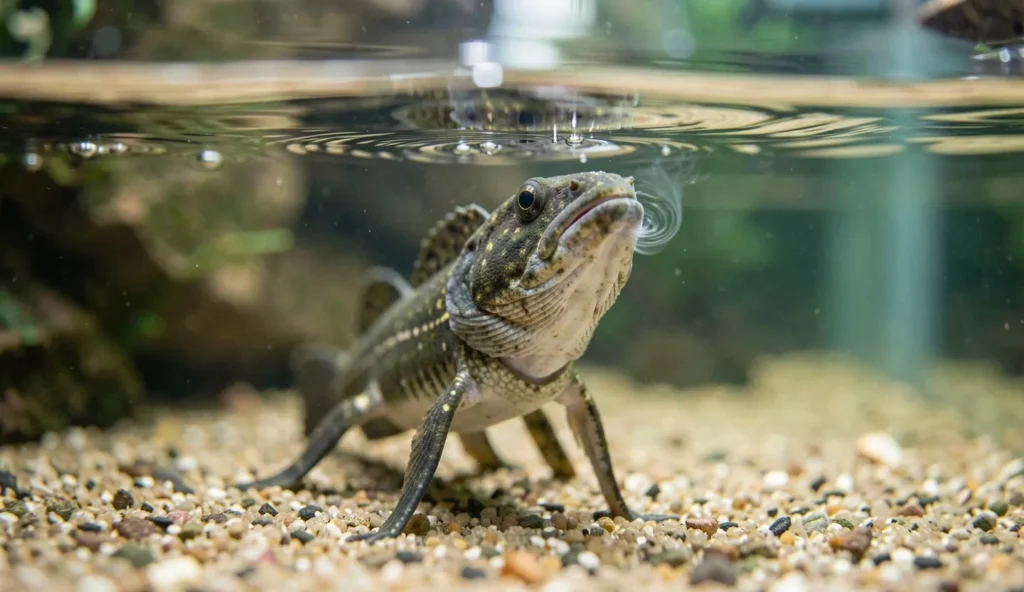
They typically wait for insect movement above the water, then shoot a jet toward the target area. The aiming system depends on distance and refraction at the surface.
Because of that, first attempts in a new tank can appear less accurate. After the fish adjusts, the timing and landing spots often improve.
Stress And Comfort Behaviors
Hide-seeking can signal insufficient cover or unstable water quality, especially during feeding hours. Erratic surface behavior may also appear after poor acclimation.
Calm schooling or steady cruising usually suggests better comfort and consistent conditions. If spitting slows abruptly, checking stability for salinity and temperature usually prevents long delays.
Tank Setup With Brackish Water Essentials
Tank setup drives success for an archer fish because its hunting depends on a stable surface zone and consistent brackish water. A strong lid matters too, since the fish may jump during active spitting sessions.
For intermediate aquarists, the goal is simple: keep the water stable, keep surface access open, and plan the layout around target feeding.
Ideal Tank Size And Lid Safety
Choose a tank with enough horizontal room for quick repositioning and surface runs. Many keepers also leave clear space for feeding activities near the top.
A tight-fitting lid prevents escape while still allowing normal gas exchange. Since archer fish work near the surface, gaps or loose coverings become risky fast.
Brackish Water Parameters That Reduce Stress
Use brackish water mixing with a consistent salinity target, and avoid frequent swings. Stable salinity reduces stress during spitting because the fish stays active instead of conserving energy.
Temperature and chemistry also need monitoring using reliable test kits. When those values drift, the fish may pause hunting even if food is available.
Filtration And Water Flow Choices For Better Aiming
Use strong biological filtration since insect-heavy feeding can raise waste quickly. Flow should remain gentle to moderate near the middle and bottom to avoid disturbing the surface band.
Very strong currents can interfere with surface targeting by moving debris and changing surface reflections. If spitting looks inconsistent, reducing disruptive flow often helps.
For readers also managing other large water systems, tank planning overlaps with research like the arapaima fish water-demand topics. That type of preparation supports the same idea that filtration capacity must match feeding load.
Substrate, Plants, And Cover Layout
Use a natural-looking substrate for comfort and routine cleaning, and avoid sharp edges near the work zone. Add plants or decor to create shaded zones where the fish can retreat.
At the same time, leave a clear surface band for water-jet hunting. Targets should sit where the fish can see them clearly without glare or constant ripple.
Target Feeding Surface Design That Works
Set feeding targets above or at the water line area so insects can be presented repeatedly. Place targets in a consistent location to help the fish learn the aiming angle.
Feed during times when lighting and activity stay predictable. If lighting changes often, refraction and visibility can shift and spitting may feel less accurate.
Diet And Feeding Plan For An Insect Feeder
Diet must support an insect feeder strategy because archer fish rely on prey that fits surface hunting. With the right routine, spitting can become frequent and controlled instead of random.
Live insects often trigger the strongest response, but frozen options can work when introduced slowly and cleanly.
What To Feed Archer Fish
Live insects typically produce the clearest spitting behavior and the most natural hunting cues. Frozen or prepared insect foods can support nutrition, but they often require gradual acceptance.
Use insect sizes that match mouth capacity, since overly large items can cause missed feeding attempts. Since food presentation drives spitting, timing the feed to surface visibility matters.
When insect feeding resembles the way other fish manage specialized diets, keepers can compare notes with research such as paradise fish care for behavior-linked feeding. Labyrinth fish and archer fish both benefit from consistent feeding routines that match how they act.
How To Introduce New Foods Without Starvation
Start with foods closest to what the fish already eats, and then transition gradually. Slow changes reduce refusal and help prevent water fouling from uneaten food.
Remove leftovers promptly to protect water quality. If the fish stops eating for multiple sessions, revisit presentation and tank stability before adding new food types.
Feeding Frequency And Portion Control
Offer small amounts multiple times for best results, especially when training spitting accuracy. Adjust portions based on body condition, growth, and how quickly the tank processes waste.
Overfeeding can foul the tank faster with insect diets than with many pelleted foods. When water quality drops, spitting usually slows as well.
- Feed small portions several times daily
- Use the same target position each session
- Stop if the fish appears exhausted from repeated misses
- Remove uneaten insects within a short time
Encouraging Surface Spitting Safely
Present insects in a consistent position near the water line so the fish has stable aiming references. Use calm lighting and reduce glare, since sharp reflections can mask targets.
If the fish repeatedly misses and then struggles at the surface, pause feeding and reassess acclimation. This step helps prevent stress from extended failed attempts.
Some keepers also examine how livebearers behave during feeding and spawning cycles, which can inform expectations about timing. For example, swordtail fish breeding patterns highlight how feeding activity shifts across life stages.
Handling, Temperament, And Tank Mate Planning
Archer fish are usually peaceful, but feeding time can trigger competition for the surface. They stay active near the top more than many other species, so tank mate movement at the surface also matters.
Compatibility requires careful selection for brackish water tolerance and for size differences that reduce conflict.
Temperament With Other Fish
Archer fish can share space without constant aggression when the tank has room. Still, they may compete at feeding time and chase targets if other fish crowd the top.
In smaller tanks, aggression can increase due to limited escape routes and fewer hiding areas. That is why cover layout and horizontal space matter for temperament.
Best Tank Mate Characteristics For Brackish Setups
Choose similarly sized fish that handle brackish water and similar temperatures. Very small tank mates can become prey, especially since archer fish hunt from above.
Focus on species comfortable in the same salinity range and willing to occupy mid-water or lower regions. If tank mates constantly rush the surface, spitting practice becomes harder.
How To Reduce Stress During Feeding Changes
Keep feeding times consistent so the fish can learn the routine and maintain confidence. When adding new fish, wait until the archer fish stabilizes after acclimation.
Maintain cover so the fish can retreat when startled. When stress decreases, spitting usually resumes with clearer timing.
Common Health Issues And Prevention Steps
Health problems usually connect back to water quality, diet consistency, and acclimation stability for brackish water. Archer fish can look fine for days, then show issues when filtration or salinity shifts.
Preventive routines reduce risk and also protect spitting behavior by keeping the fish active instead of hiding.
Water Quality Problems That Create Symptoms
Poor filtration can cause ammonia or nitrate stress, and symptoms often appear as slowed surface activity. Uneaten insect food degrades water stability quickly, especially in tanks without strong biological support.
Sudden salinity or temperature changes can also trigger weakness. When that happens, the fish may stop aiming or begin spending more time at the bottom.
Common Parasites And Skin Issues To Watch
External parasites can show up as flashing behavior or changes in skin sheen. Inadequate quarantine for new fish increases outbreak risk and makes treatment harder.
Early intervention improves survival odds, so observation matters after any tank addition. If skin or gill irritation appears, addressing it quickly prevents escalation.
Preventive Routine For Intermediate Keepers
Test brackish salinity regularly during routine maintenance and keep dosing practices consistent. Quarantine helps, especially when introducing new tank mates to reduce the chance of bringing parasites into the display.
Use a consistent feeding schedule and remove leftovers to avoid spikes from insect diets. This routine supports better water stability and more reliable spitting sessions.
Is Archer Fish Right For You
Archer fish can be a good choice for intermediate aquarists who can maintain stable brackish water and a feeding schedule. The tank also needs surface access planning since the fish hunts at the top.
For novelty fish keepers, the spitting mechanism makes feeding more engaging than typical aquarium routines. Even so, insect sourcing and careful cleanup must stay consistent.
Good Fit For Intermediate Aquarists
A stable brackish setup supports long-term comfort and helps the fish practice consistent spitting. Insect-focused feeding also requires regular sourcing and quick removal of uneaten prey.
Because surface access and target feeding shape behavior, archer fish often do best in prepared tanks with predictable lighting.
Potential Challenges To Expect
Spitting accuracy can take time to look consistent, particularly after changes in tank layout or lighting. Tank mates must be chosen carefully due to prey-response behavior during feeding.
Water can foul faster with insect diets if portions are too large. That makes portion control and filtration capacity part of daily success.
Final Note On Keeping Archer Fish
When brackish water stays stable and insect feeding stays consistent, archer fish can display classic spitting behavior with reliable timing. With a lid, a clear surface band, and careful cleanup, the hunting routine becomes easier to manage.
Frequently Asked Questions
How Do Archer Fish Shoot Water Jets To Catch Insects?
Archer fish expel a focused stream of water at prey near the water surface.
What Brackish Salinity Level Is Best For Archer Fish?
Use a stable brackish salinity that matches reliable care targets and maintain it consistently.
How Often Should Archer Fish Be Fed Insects?
Feed small amounts multiple times daily and adjust based on body condition and water quality.
Why Does An Archer Fish Stop Spitting In A New Tank?
Stress from acclimation, unfamiliar food, poor lighting, or unstable water can reduce spitting.