What Is African Butterflyfish?
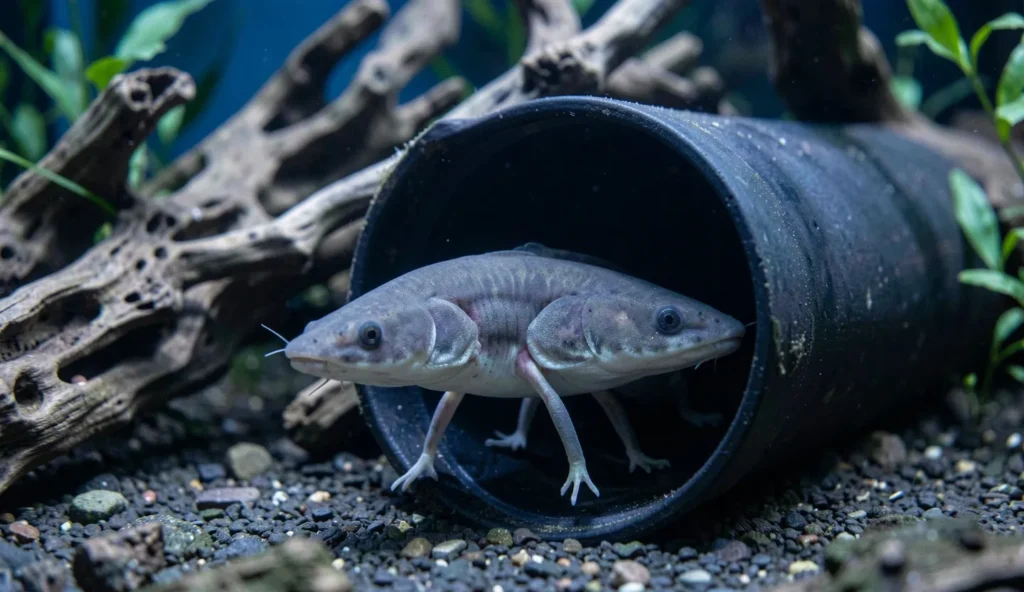
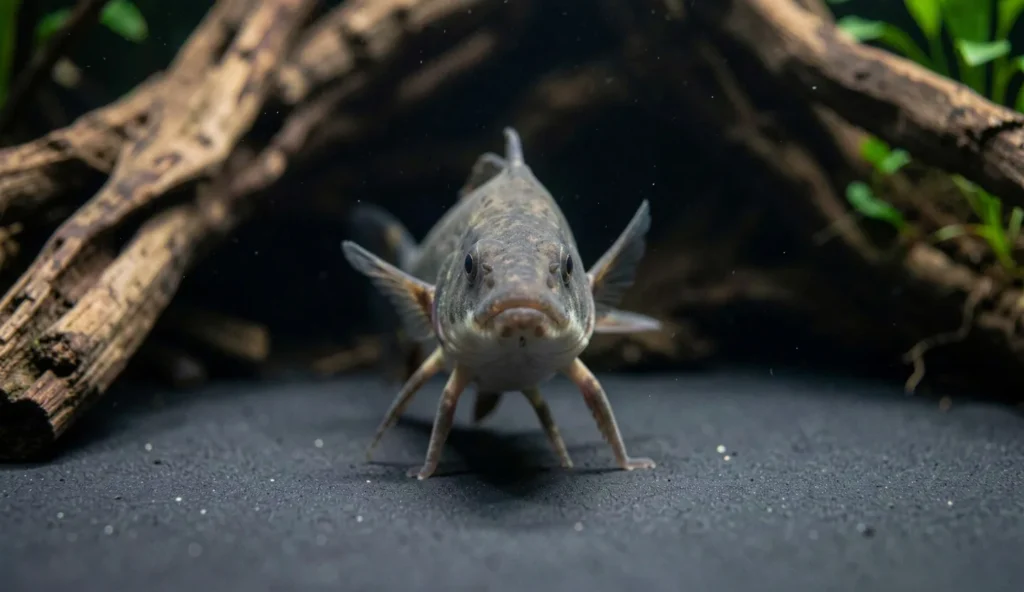
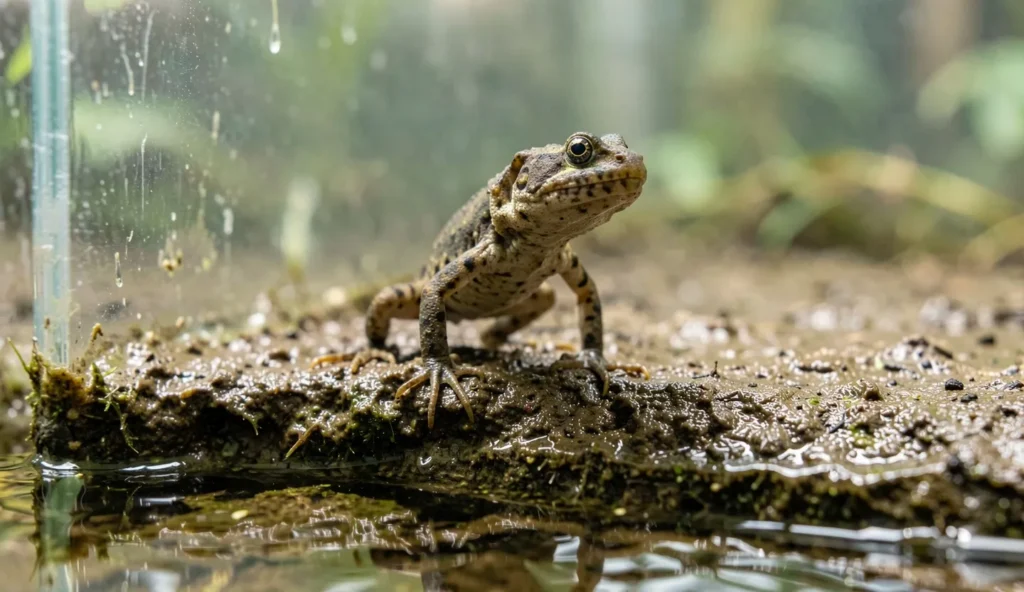
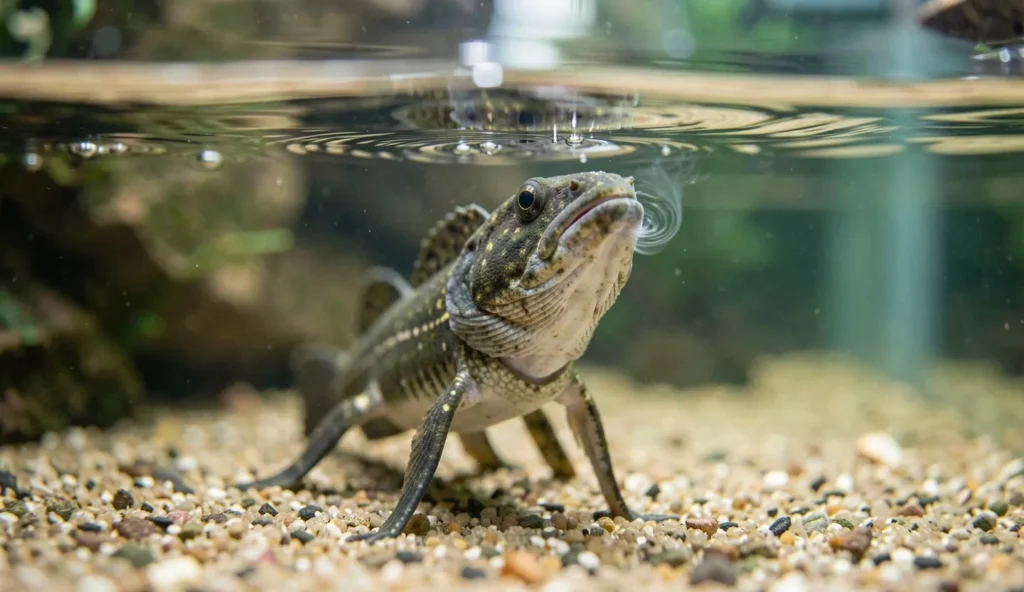
African butterflyfish refers to Pantodon buchholzi, a freshwater fish known for feeding at the water surface. This species comes from slow-moving, warm habitats and stands out because it targets food where insects land.
Because African butterflyfish spend much of their time near the top, tank conditions and feeding methods matter more than for fish that eat from midwater. With the right Biocube setup and floating food routine, this surface dweller can become a steady, peaceful addition.
Species Overview And Natural Habitat
Species records consistently identify African butterflyfish as Pantodon buchholzi. It lives in West and Central Africa, mainly in warm freshwater systems with slow flow and plenty of surface activity.
In nature, it hunts near the surface, where insects fall or swim. For keepers, this explains why surface feeding success depends on calm water and visible floating food.
Key Trait That Drives Care Needs
One key trait drives care needs: African butterflyfish eat at or near the water line. Feeding becomes easier when water surface conditions stay stable and still, so floating prey does not drift too fast.
A stable routine also helps this insectivore learn what to expect. When food lands in the same area with consistent timing, refusal typically decreases.
Appearance And Surface Feeding Anatomy
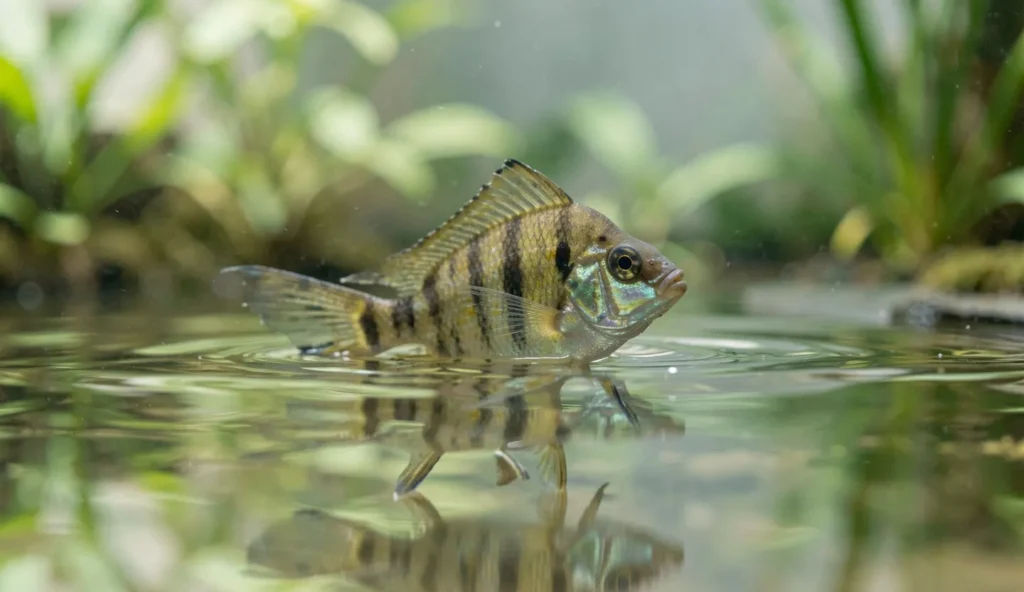
The body design of African butterflyfish supports a surface hunting posture. The flattened head and wide mouth help it snap at prey that hovers just above the water line.
It also tends to blend into the surface zone, which makes it effective at waiting. As a result, tank layout and lighting often influence how quickly it begins feeding.
Body Shape And Color Patterns
The flattened head supports a steady position when the fish angles upward. Large mouth structure is well suited for grabbing floating prey quickly.
Color patterns can appear mottled and streamlined, which helps the fish feel less exposed. When the tank provides a calm surface zone, the fish may remain in place longer while hunting.
How Surface Feeding Works
African butterflyfish tracks movement at the top and often waits in a stable spot before striking. During this moment, wide open space near the surface improves hunting behavior.
Movement across the surface can trigger feeding responses, so keepers should avoid strong ripples during meals. A quiet top zone helps insects remain reachable.
Tank Requirements For A Surface Dweller
Tank design should prioritize horizontal space and calm top conditions for African butterflyfish. Even in compact Biocube setups, reducing surface agitation often improves feeding consistency.
Because this fish spends time near the surface, small setup issues can cause major feeding problems. Thoughtful planning helps keep floating insects visible and reachable.
Tank Size And Footprint That Works Best
Tank size matters most in footprint rather than height. A wide tank provides open top space where African butterflyfish can hunt without constant competition.
Overcrowding can reduce available surface feeding area, which can lead to long-term underfeeding. Where possible, choose a layout that keeps the surface free.
For keepers comparing tankmates and feeding flow, it can help to review how other community fish behave around feeding time, such as peaceful schooling patterns with zebra danio. Fast, active species can sometimes steal floating food, even if they seem calm in other contexts.
Water Movement And Surface Agitation
Gentle filtration and low surface flow help prevent ripples during feeding. Strong current can push floating insects away faster than the fish can strike.
Reducing current helps floating prey stay aligned with the fish’s strike zone. In many setups, adjusting a filter output and using baffles can control surface agitation.
When a tank also includes other fish, feeding competition and water movement should be assessed together. For example, keepers planning a calm community sometimes pair their surface feeders carefully with less forceful eaters like cherry barb.
Water Parameters And Stability
Maintain warm, stable tropical temperatures for African butterflyfish. Clean water supports feeding, growth, and immune health, especially for a fish that repeatedly uses the surface.
Test regularly for ammonia, nitrite, and nitrate to catch problems early. Consistent filtration and stable routines generally reduce stress-related feeding refusal.
Substrate, Plants, And Hiding Places
Provide light cover without blocking the surface feeding area. Natural-looking cover can help reduce stress, but thick floating debris can trap food and prevent natural placement.
Lightly rooted plants can add stability and comfort, while still leaving the top open. If plants float heavily, remove or thin them before feeding.
Lid Requirements And Safety
A tight-fitting lid or cover prevents jumping, since surface feeders often react quickly to movement. Check for secure gaps around cables and tubing that pass through the top.
Keep equipment away from the feeding zone to prevent sharp contact near the surface. When the top stays safe and calm, feeding behavior remains more predictable.
Diet And Feeding Plan With Floating Insects
African butterflyfish are insectivores that hunt prey at the surface. They may ignore sinking foods that do not rise back into the strike zone.
Feeding plans work best when floating items stay visible and land gently. With the right insect options, African butterflyfish can maintain good body condition.
Natural Diet And What It Expects In Captivity
African butterflyfish hunt floating prey in nature, so captivity should mimic that delivery method. This species expects food that reaches the water surface quickly.
When food sinks before the fish can respond, it often appears as refusal. Keepers should assume the fish needs visible movement at the top rather than a distant scent trail.
Best Foods To Use For Surface Feeding
Floating insects work best, including live or frozen options designed to float. Offer sizes that match mouth capacity to prevent partial bites and repeated missed strikes.
Small, consistent feed items help the fish develop a steady routine. If offered food is too large, the fish may take fewer attempts and leave more waste behind.
For keepers also maintaining other fish that depend on specific feeding zones, tank balance can change quickly. For instance, some hobbyists compare algae grazing fish like plecostomus fish feeding to surface insect feeding, since waste patterns can affect water quality.
How To Train It To Eat
Training works when lights are steady and the fish shows active behavior. Release floating food gently so it lands on the surface without splashing.
Using a consistent routine helps African butterflyfish associate a time and location with food. Removing uneaten items quickly reduces fouling and keeps surface feeding conditions stable.
Feeding Frequency And Portion Control
Feed small amounts multiple times rather than large portions once per day. When the fish loses interest, stop feeding to avoid unnecessary waste.
Monitor body condition and adjust portions gradually based on growth and activity. Overfeeding often creates water quality problems that surface feeders struggle to recover from.
Common Feeding Mistakes To Avoid
Strong currents disrupt floating food and reduce strike success. Also avoid relying only on sinking pellets, since they may never reach the target zone.
Do not leave excess food to decay, because uneaten insects can quickly foul the tank. When surface feeding fails, the cause often traces back to food delivery or flow, not to temperament.
Tank mates can also affect feeding, especially when another species rises to the top first. For keepers selecting calmer aquarium companions, reviewing how tank mates behave around space and aggression can help, such as angelfish care guidance for managing territorial tendencies.
Temperament And Tank Mates For A Peaceful Fish
African butterflyfish is generally peaceful, but it still competes for surface food space. When tankmates also target the top, feeding can become inconsistent even if all fish appear compatible.
Keeping the top area open and reducing fast competitors supports stable feeding. Observation for several days after adding new fish helps confirm long-term harmony.
Peacefulness And Grouping Considerations
This surface dweller usually tolerates other calm fish, but more fish can mean more surface competition. A wide top area and low feeding turbulence reduce clashes.
Grouping decisions often depend on tank footprint and feeding access. If surface space feels tight, a single specimen often performs better than multiple individuals in a small area.
Good Tank Mates And Food Competition
Good tank mates are calm species that do not grab floating food first. Avoid fast feeders that consistently outcompete African butterflyfish during every meal.
After adding new fish, observe feeding closely before assuming success. If one fish repeatedly prevents surface access, the underfed fish may show stress through reduced appetite.
For readers choosing tank mate categories around freshwater cichlids, it can help to check compatibility guidelines like african cichlid tank mate compatibility. Similar selection logic applies because competition pressure often comes from feeding behavior and territorial activity.
Common Health Issues And Care Maintenance
Health problems often start as feeding changes in African butterflyfish. When food refusal appears, the likely causes include stress, unsuitable water quality, or poor surface conditions.
Routine care focused on stable parameters and calm surface conditions helps reduce risk. Monitoring feeding daily makes early intervention more likely.
Stress Signs That Show Up During Feeding
Refusing food can signal stress or unsuitable feeding conditions. Gasping or repeated awkward surface movements may suggest oxygenation issues.
Aggressive tank mates can also cause persistent feeding failure. If the fish cannot compete for surface food, it may remain hungry even when food is present.
Water Quality Problems That Affect Surface Fish
African butterflyfish can suffer quickly when ammonia or nitrite levels rise. High nitrate can also weaken immune function over time.
Surface film and unstable conditions can interfere with feeding success. When surface conditions look uneven or the water appears poorly circulated, floating insect food may not stay accessible.
Disease Prevention With Quarantine And Monitoring
Quarantine new fish before adding them to the display aquarium. This practice helps prevent introducing parasites or infections into a tank built for a sensitive surface feeder.
Monitor feeding behavior and body condition daily, since changes often show before other symptoms. Consistent testing and quick response to parameter shifts also supports long-term stability.
Routine Maintenance That Protects Feeding Conditions
Perform regular water changes based on tank bioload and filtration capacity. Clean filter media according to schedule to avoid crashes that can disrupt stable surface conditions.
Keep surface agitation low during feeding times. When surface conditions stay calm, African butterflyfish can hunt floating insects more reliably.
Is African Butterflyfish Right For Biocube Owners?
African butterflyfish can work well for Biocube owners who can maintain a calm surface zone. The key requirements include wide footprint planning, gentle filtration, and a feeding routine that delivers insects to the surface.
These fish do best when floating food stays visible and when tankmates do not compete at the water line. If the setup creates strong ripples, surface feeding may become inconsistent.
Best Match Conditions
The strongest fit includes a wide footprint and minimal surface agitation. Floating insect food delivered gently gives the fish a reachable target at the top.
Quiet filtration helps too, because ripples can push food beyond the strike zone. When a stable routine exists, the fish often adapts more quickly to captivity.
When It Is Hard To Keep Them
Strong surface currents make floating insect feeding difficult. Limited top area can also reduce hunting success because the fish has fewer open spaces to strike.
Competitive tank mates can lead to long-term underfeeding even when food is added daily. In such cases, feeding failures often remain until flow and stocking are adjusted.
Starter Checklist For Setup And Feeding
- Wide footprint with open top space for surface feeding
- Gentle filtration with minimal surface agitation
- Tight-fitting lid to prevent jumping
- Floating insect food in correct sizes
- Daily observation of appetite and body condition
This checklist supports consistent meals and helps keep water conditions steady. When the surface stays calm, African butterflyfish typically maintain better feeding behavior.
Frequently Asked Questions
What Tank Size Works Best For African Butterflyfish?
Choose the widest footprint possible for surface feeding.
Do African Butterflyfish Need Calm Water At The Surface?
Yes, minimal surface agitation helps floating insects stay reachable.
What Do African Butterflyfish Eat In Aquarium Setups?
Feed floating insects that reach the surface quickly.
How Often Should African Butterflyfish Be Fed?
Feed small amounts regularly and avoid uneaten food buildup.
Are African Butterflyfish Compatible With Community Tanks?
They are generally peaceful but avoid fast competitors for surface food.
Why Would African Butterflyfish Stop Eating?
Stress, poor water conditions, or sinking food that cannot be reached can be causes.
Final Note On Keeping African Butterflyfish Healthy
African butterflyfish stays healthiest when tank conditions remain calm at the water surface and floating insect meals stay consistent. Stable water quality and gentle feeding routines support long-term appetite and steady growth.