West African Lion – The Elusive Guardian of the Sahel
Introduction
With fewer than 400 individuals remaining in the wild, the West African Lion is one of the most critically endangered big cats on the planet. This lesser-known subspecies of lion inhabits the Sahel region of West Africa and is genetically distinct from the more familiar African lion populations found in eastern and southern Africa. These majestic yet elusive big cats are smaller than their relatives, playing a vital role in their fragile ecosystems. Once widespread across the region, their dwindling population now calls for urgent conservation action to prevent their extinction.
Habitat and Range
West African lions (Panthera leo leo) were historically found across much of West Africa but now survive in a few protected areas:
- Benin’s Pendjari National Park
- Burkina Faso’s Arly National Park
- Niger’s W National Park
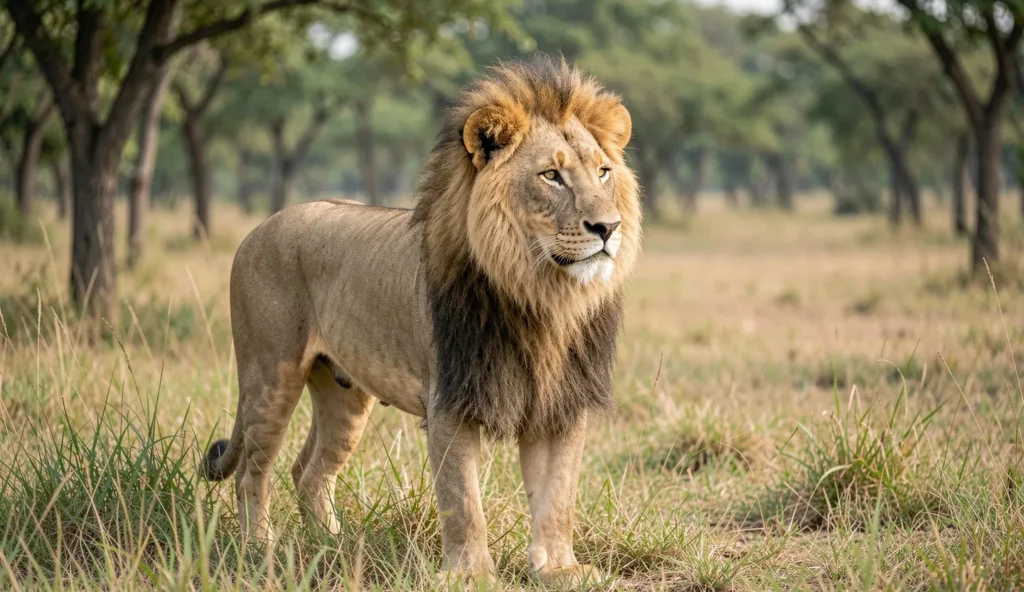
They prefer savannahs, woodlands, and dry forests that support diverse prey populations. These habitats are increasingly fragmented due to agricultural expansion and human settlement, making transboundary conservation efforts essential for their survival.
Physical Characteristics
Compared to other lion subspecies, West African lions have some unique traits:
- Size: Slightly smaller in stature
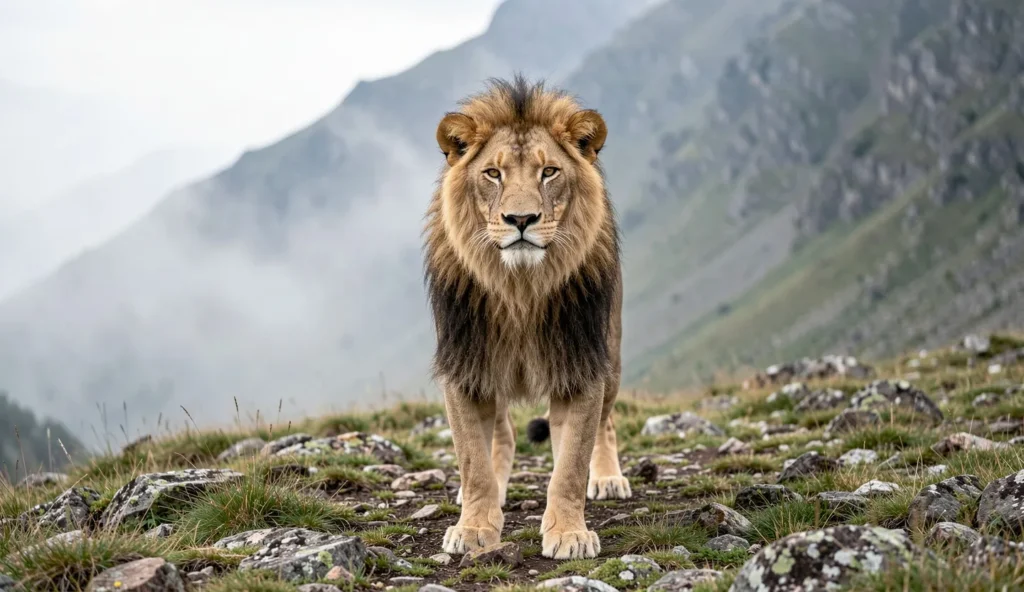
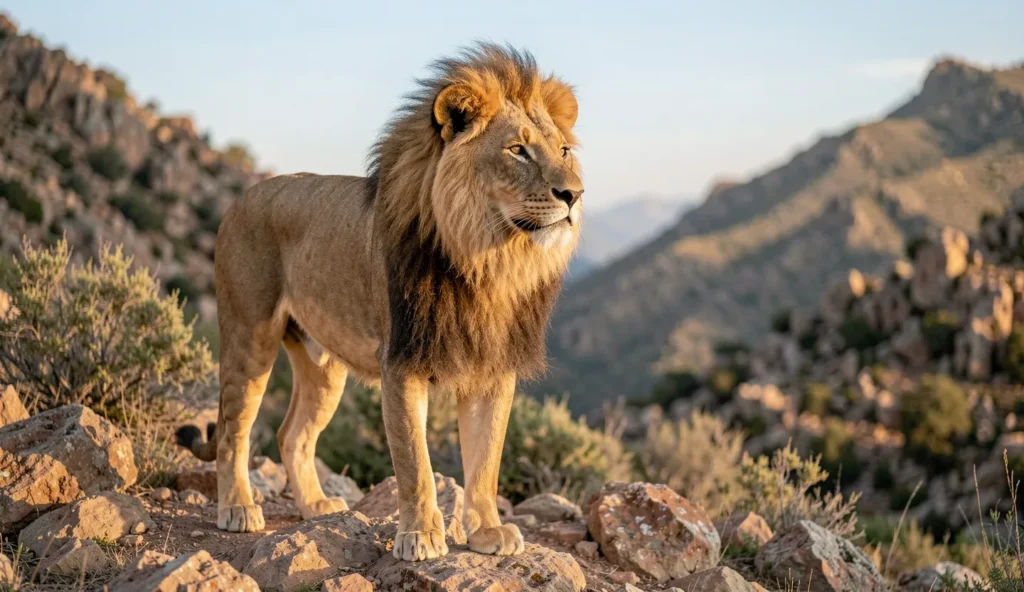
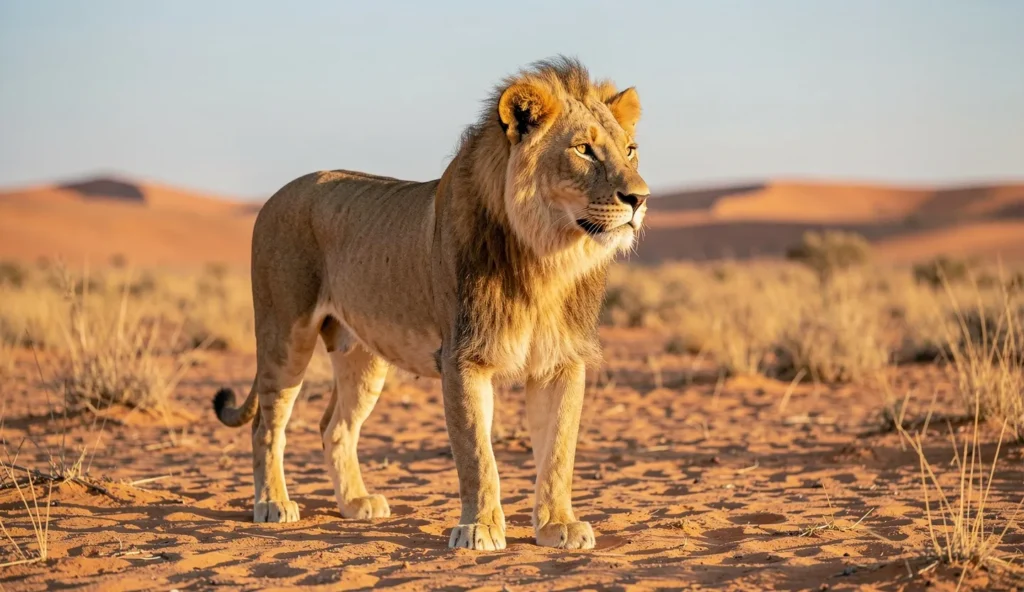
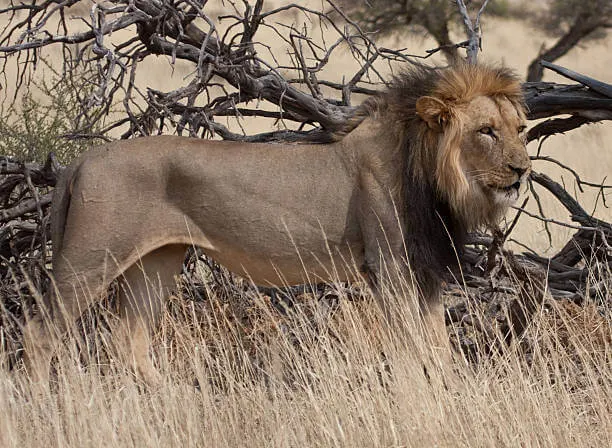
- Color: Lighter coats and smaller manes on males
- Genetics: Distinct DNA markers from Central and East African lions
Their adaptations help them survive in hotter, drier climates with limited cover. These physical differences are so pronounced that genetic studies have shown West African lions are more closely related to the extinct Barbary lion of North Africa than to other living lion populations.
Behavior and Social Structure
West African lions live in smaller prides or, in some cases, solitary lives due to prey scarcity:
- Prides typically include 2–5 individuals
- Males may roam widely and have loose territorial boundaries
- Strong bonds still form between pride members
Limited prey and habitat fragmentation influence their more elusive lifestyles. Unlike the larger prides seen in East Africa, these lions have adapted to a more flexible social structure that allows them to survive in challenging conditions.
Diet and Hunting
These lions hunt a variety of herbivores, including:
- Roan antelope and kob
- Warthogs
- Occasionally, livestock near village edges
Their hunting patterns are mostly nocturnal, and they rely on stealth and endurance. Because their natural prey base has declined in many areas, human-wildlife conflict has increased as lions turn to livestock for food.
Reproduction and Life Cycle
West African lions follow similar reproductive cycles to other lion subspecies:
- Gestation of about 110 days
- Cubs are born blind and rely on maternal care
- Cubs face high mortality without stable pride structures
Protecting maternal lions and their cubs is essential to sustaining population growth. Conservation programs that monitor denning sites and reduce poaching pressure have shown promising results in recent years.
Threats and Conservation Status
This subspecies is Critically Endangered with fewer than 400 individuals remaining in the wild:
- Habitat loss from agriculture and infrastructure
- Human-wildlife conflict, especially retaliation for livestock attacks
- Poaching of both lions and their prey
Conservation actions include:
- Transboundary protected areas (e.g., W-Arly-Pendjari Complex)
- Education and community-based conservation
- Anti-poaching patrols and ecological monitoring
Recent surveys have shown that populations in the WAP complex are stable or slightly increasing thanks to these coordinated efforts. However, the subspecies remains highly vulnerable to disease outbreaks and drought.
Cultural and Ecological Significance
West African lions are integral to regional folklore and serve as apex predators:
- Represent courage and leadership in many West African cultures
- Help maintain prey populations and balance ecosystems
- Serve as a flagship species for conservation in West Africa
Their survival supports ecological integrity and local economies through eco-tourism. Unlike the Masai lion of East Africa, which is more accustomed to tourist vehicles, West African lions are notoriously shy and difficult to observe in the wild.
Fun Facts About West African Lions
- They are the most genetically distinct lion population alive today
- Often harder to spot due to their elusive behavior
- Share ancestry with now-extinct North African lions
- Their population is one of the smallest among lion subspecies
- They can go several days without drinking water, obtaining moisture from their prey
Frequently Asked Questions
Q1: Are West African lions different from African lions?
A: Yes. West African lions are smaller, genetically distinct, and live in smaller social groups due to prey limitations. They are considered a distinct population within the Panthera leo leo subspecies.
Q2: How many West African lions are left?
A: Fewer than 400 individuals are believed to remain in the wild, with the largest population concentrated in the W-Arly-Pendjari complex.
Q3: Where can West African lions be seen?
A: They are primarily found in the W-Arly-Pendjari (WAP) complex spanning Benin, Burkina Faso, and Niger. Pendjari National Park in Benin offers the best chance of sightings.
Q4: What is being done to protect them?
A: Conservation organizations are working with local communities, governments, and international partners to protect habitats and reduce conflicts. Anti-poaching patrols and livestock compensation programs have been key strategies.
Q5: Are West African lions endangered?
A: Yes, they are classified as Critically Endangered by the IUCN, making them one of the most threatened lion populations on Earth.
Conclusion
The West African Lion is a rare and precious symbol of biodiversity and cultural heritage. Their survival hinges on collective conservation action, community support, and international awareness. By safeguarding their remaining habitats and promoting coexistence, we can ensure that the mighty roar of the West African savannah is not lost to silence. For those interested in learning about other unique lion populations, the Ethiopian lion and the Asiatic lion offer fascinating comparisons in terms of genetics, behavior, and conservation challenges.