What Is Atlas Mountain Lion
The term Atlas mountain lion refers to lion populations associated with the Atlas Mountains and surrounding highland regions in North Africa. Atlas mountain lion records are often discussed within the broader Barbary lion complex because historical sources rarely separate mountain groups with strict genetic boundaries. This animal is also described in relation to ongoing conservation reintroduction efforts that aim to represent surviving descendants linked to North Africa.
To understand Atlas mountain lion in a research and history context, it helps to separate three ideas. First, the Atlas region itself shaped shelter, prey access, and movement routes. Second, the Barbary lion label serves as the umbrella term used by many studies and institutions when describing lineage connected to North Africa. Finally, modern reintroduction work focuses on captivity and genetic management rather than returning lions from the wild.
Where Atlas Mountain Lion Lived In North Africa
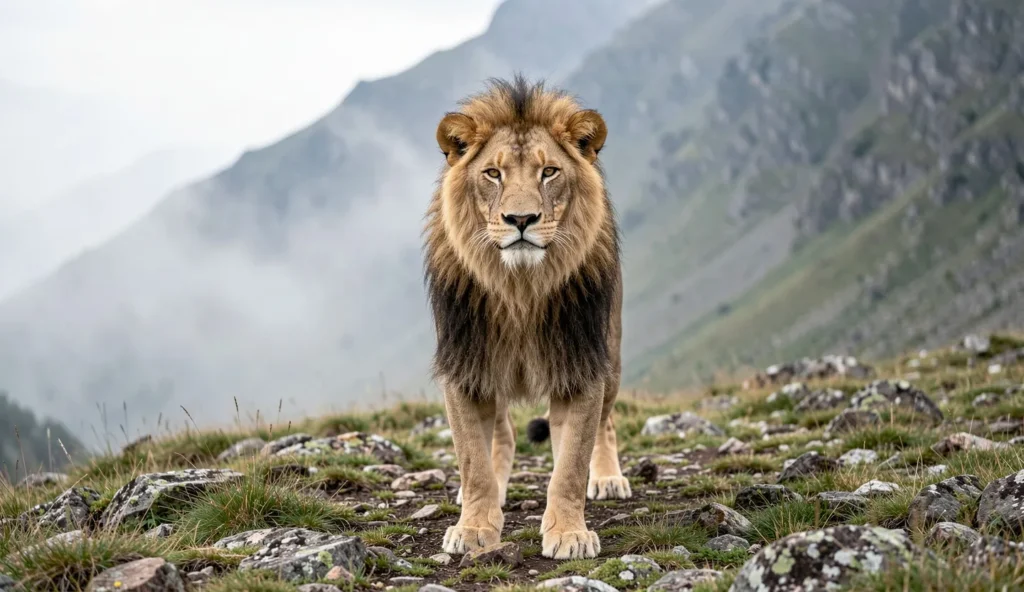
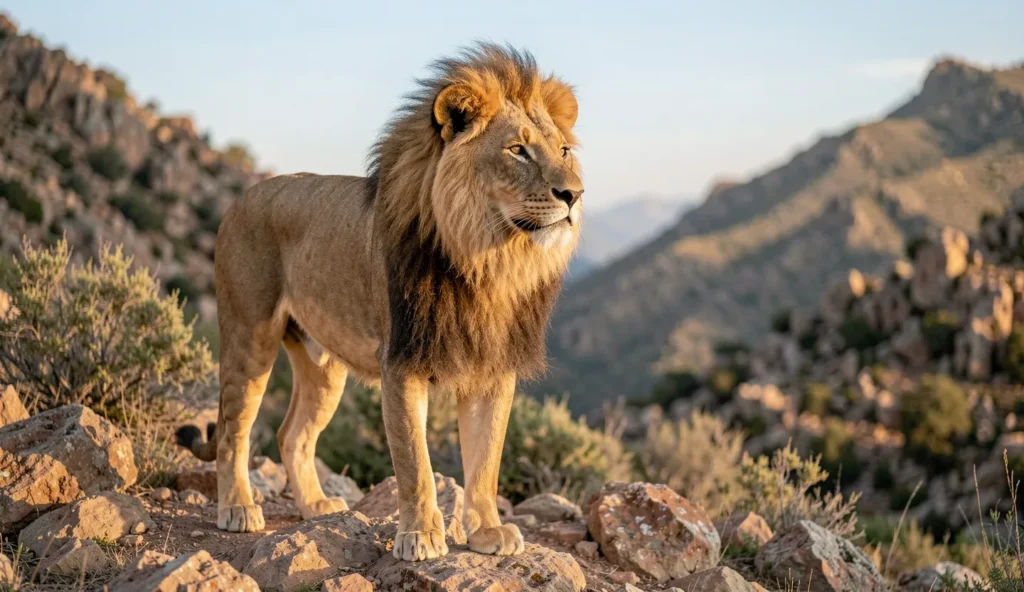
Historically, Atlas mountain lion populations are linked to the Atlas Mountains and nearby mountain regions across North Africa. These landscapes included rocky slopes, forest edges, and scrubland corridors that helped lions find cover. Seasonal temperature changes and steep terrain also influenced prey availability and where animals could safely rest.
Mountain ecosystems also created natural limits on travel and hunting patterns. During colder seasons, prey often concentrated in areas with more reliable food and shelter. As a result, lion movement likely followed ridgelines, valleys, and water-adjacent routes where visibility and escape options shifted by time of day.
How Atlas Mountain Lion Relates To Barbary Lion
Atlas mountain lion is frequently treated as part of the Barbary lion complex in conservation discussions. Museum catalogues, historical accounts, and regional records often place lions from North African highlands under the same broad lineage umbrella used for Barbary lion research. Because data availability varies by location and time period, researchers typically use a combined framework rather than relying on one isolated mountain dataset.
When modern programs evaluate history, they also evaluate surviving lineages in managed settings. For context on how the broader North African lineage is described, the “Barbary Lion” article offers a useful background point alongside the Atlas-specific framing of habitat. Researchers also cross-check claims against other regional subspecies summaries, including the “African Lion” overview, which explains how subspecies concepts evolved in scientific study.
What Atlas Mountain Lion Looked Like In The Wild
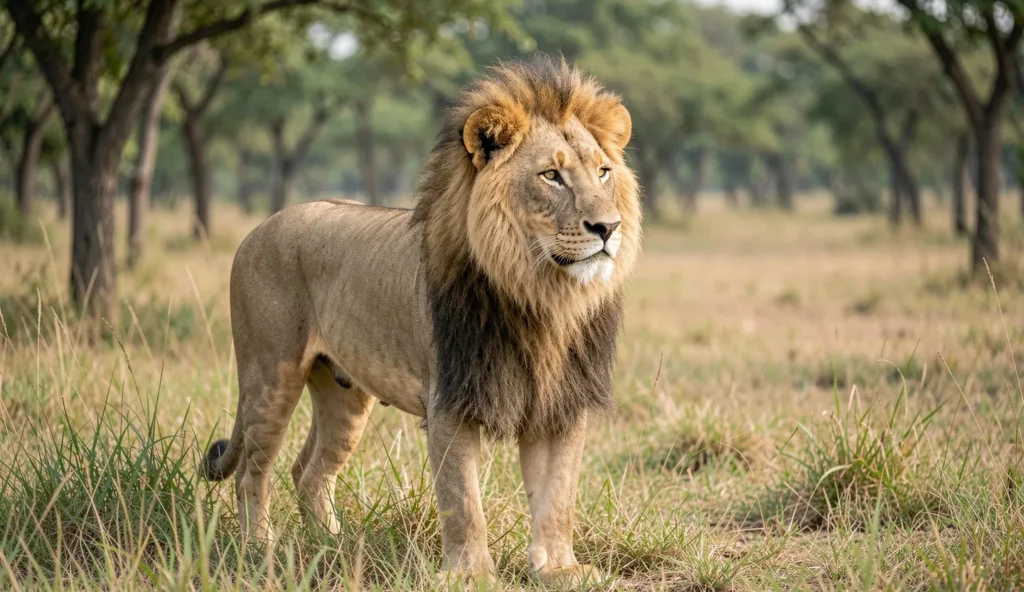
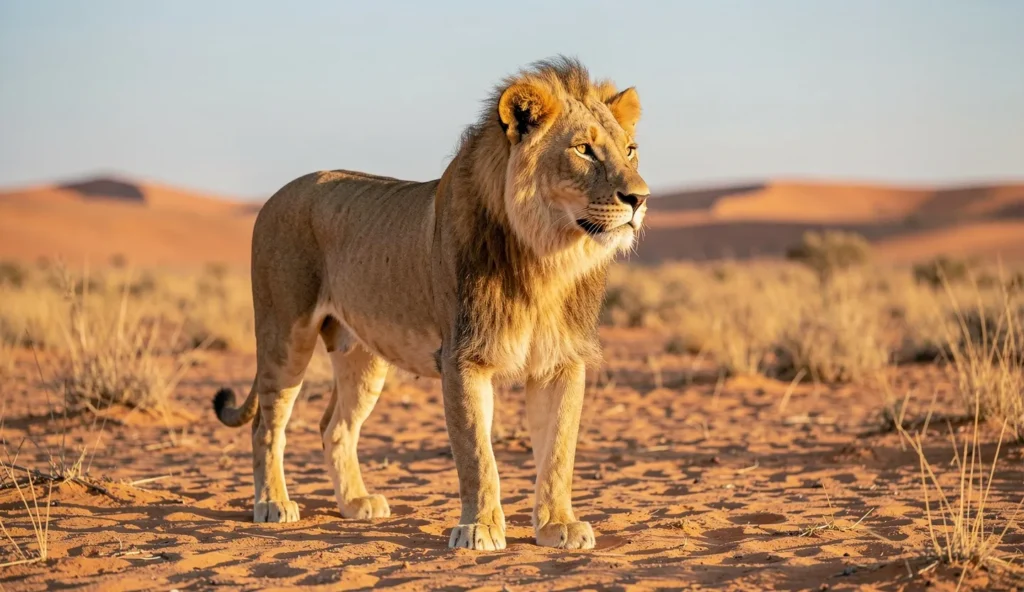
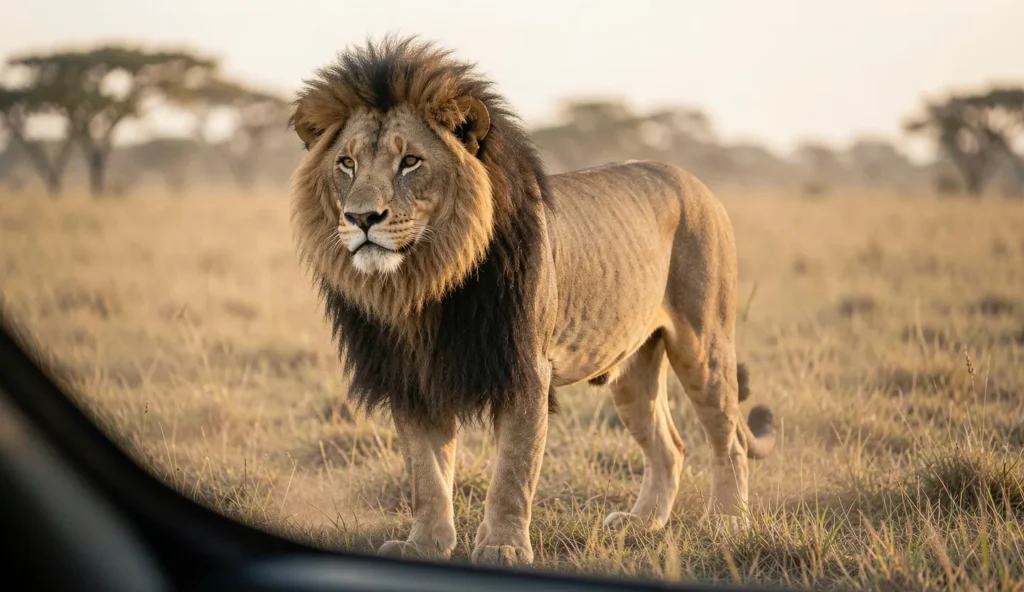
Descriptions of Atlas mountain lion appearance come from historical writing and biological inference based on related lion populations. Many records describe lions with tawny or sandy base colors and darker markings that helped them blend into dry rock and scrub. Males are repeatedly noted for fuller manes in traditional accounts, which also matters in mountain temperature management and social signaling.
Because mountain habitat can shift lighting and distance perception, camouflage likely depended on both coat tone and behavior. Lions in rugged terrain often choose concealment spots that break up outlines. Over time, observers recorded patterns of movement and stance rather than controlled measurements, so shape and color references should be read as likely ranges rather than exact uniform traits.
Coat Color And Body Features Reported In Records
Historical descriptions commonly place Atlas mountain lion coloration in a spectrum from tawny to sandy. Darker facial or body markings are often mentioned, and these may have increased contrast against pale rock surfaces. Body build is described as suited to hunting in uneven terrain where acceleration and balance help during stalking and pursuit.
Another recurring theme involves the male mane. Records often connect fuller manes to the appearance of lions in highland regions, though mane expression can vary by age and genetics. As a result, mane density should be treated as a helpful indicator rather than a guaranteed mountain-only trait.
How Mountain Habitat Affects Likely Behavior And Camouflage
Mountain terrain affects likely stalking routes because lions must navigate steep ground and narrow approaches. Concealment can improve where rocks, shrubs, and elevation changes create visual breaks. At the same time, complex terrain can also reduce straight-line chase distance, so stalking success may depend on careful route selection.
Variable light in mountain areas can influence how coat tones appear. During dawn and dusk, contrast between sand-colored fur and stone backgrounds may increase or decrease depending on cloud cover and vegetation density. Prey behavior also matters because highland prey often uses ridges, cover, and short bursts of movement that shape how predators plan attacks.
Temperament And Social Behavior In Lion Populations
Atlas mountain lion behavior follows the general lion social system rather than a unique mountain-only temperament. Lions typically live in prides, and group roles support cooperative hunting, cub rearing, and territory defense. Mountain conditions can still influence how prides travel, where they rest, and how often they overlap with other lion groups.
Temperament differences among lions usually reflect age, reproductive status, and local density more than location alone. That said, terrain constraints can change encounter rates between prides. Over time, those encounter patterns can shift how territorial boundaries form in rugged habitats.
Typical Lion Pride Structure And Role Division
Lion prides often include related females, their cubs, and one or more males. Females commonly coordinate hunting and also share responsibilities related to cub rearing. Males typically defend territories and help secure access to breeding females, which directly affects pride stability.
Because mountain landscapes can fragment travel routes, pride movement depends on reliable prey and water access. If prey becomes scarce in one valley, prides may shift to corridors that hold more consistent food. When groups face stable resources, they can also keep the same core territory for longer periods.
How Mountain Terrain Can Shape Movement And Territory
Rugged landscapes can change travel routes and patrol boundaries by forcing lions to use narrow passes and ridges. This means the actual “shape” of territory may appear irregular compared to flatter habitats. Seasonal prey shifts also matter because prey may move between elevations, changing where hunts become most successful.
In some cases, narrow corridor geography can increase overlap between prides. When multiple prides share the same limited water sources or seasonal prey hotspots, encounters can rise. Those interactions often result in boundary adjustments and more frequent patrol behavior around shared choke points.
Exercise And Activity Patterns In Mountain Lion Ecology
Activity for Atlas mountain lion is best understood through ecology, not through a home-care model. Lions spend much of the day resting, then become active when hunting and movement align with prey behavior. In rugged habitats, energy costs can rise because climbing and uneven ground make every kilometer more demanding.
Movement also changes after successful kills because feeding reduces immediate need for travel. When kills occur, lions often guard food and limit unnecessary roaming. If prey density drops, movement increases as lions search wider areas to meet feeding needs.
Roaming Range And Hunting Distance Estimates
Roaming range depends on prey density and terrain obstacles. In mountain systems, travel may require more effort even if straight-line distances appear short. As a result, daily movement patterns can show less “distance” but more route complexity.
Successful hunts can reduce short-term movement by anchoring activity near kill sites. Still, lions must manage heat loss, cover selection, and water availability, all of which can redirect movement. For researchers comparing North Africa lion ecology across regions, the “West African Lion” article provides a helpful contrast on how terrain and prey distribution affect general roaming behavior.
Seasonal Changes In Activity In The Atlas Region
Seasonality can reshape prey availability and water distribution across mountain zones. Weather and steep ground can also influence when lions move, because visibility and footing change quickly with rain and cold. Lions often adjust rest patterns to maximize time spent in cover during harsh conditions.
Shelter selection matters for midday rest because highland temperatures and wind exposure can differ by slope orientation. During periods when prey concentrates, lions can also increase hunting frequency within reliable areas. When prey disperses, lions likely expand search efforts and reduce predictable routines.
Diet And Feeding In The Atlas Mountain Habitat
The diet of Atlas mountain lion would have centered on available prey species in North African mountain ecosystems. Feeding needs depend on body size, pride hunting success, and access to water. Mountain terrain shapes how prey behaves during encounters, which can affect how predators choose ambush points and stalking routes.
In conservation planning, diet also indirectly affects risk because prey decline can reduce lion survival and increase conflict pressure. For readers comparing broad lion feeding patterns across subspecies discussions, the “African Lion” overview provides general context on prey-driven survival constraints.
Likely Prey Types In North African Mountain Ecosystems
Historically, Atlas region prey would have included ungulate species adapted to rocky and scrub landscapes. When large prey became scarce, smaller species likely supported feeding during lean periods. Prey behavior in steep terrain also influences hunting success because escape routes often depend on cover and elevation changes.
Lions can exploit terrain by approaching from angles that restrict prey movement. Valleys, ridge junctions, and areas with limited cover can also increase ambush effectiveness. Over time, prey selection likely shifted with seasonal availability rather than remaining fixed year-round.
Feeding Requirements And Scavenging Roles
Large kills require time and guarding, which consumes energy and affects short-term movement. Lions may rest near kill sites and avoid unnecessary risk until feeding needs are met. When prey is difficult to secure, scavenging can occur, especially when carcasses become accessible after other deaths.
Water access affects kill frequency and site selection because lions must return to drink. If water sources are limited, lions often concentrate around areas where prey also seeks hydration. This pattern can increase conflict risk when those shared sites overlap with human livestock.
Common Health Threats And Stressors In Lions
Health risks for Atlas mountain lion are best described as pressures that apply to lion populations under habitat stress and managed conservation. In the wild or semi-managed environments, lions face disease exposure, parasite loads, and injuries from hunts. In reintroduction planning, veterinary monitoring and genetic health also become central to long-term survival.
Understanding threats helps explain why reintroduction efforts cannot focus only on releasing animals. A successful program needs stable health support, adequate prey, and threat reduction, or mortality rates can rise quickly after release.
Disease Risks And Parasites In Wild And Managed Settings
Respiratory and digestive diseases can spread where lions share space closely, such as around water points. Parasites may increase during seasonal stress when nutrition becomes limited. In conservation breeding and pre-release periods, veterinary monitoring helps detect issues early before they compromise animals in the field.
Managed settings also require careful hygiene and contact control. When animals move between holding areas, health screening reduces the chance of transferring pathogens. For readers interested in how managed lineage decisions interact with overall lion health, the “Ethiopian Lion” article provides a separate example of how lineage and environment both influence conservation considerations.
Genetic Bottlenecks And Inbreeding Concerns
Small surviving populations can lower genetic diversity and increase inbreeding risk. Breeding programs must manage lineage pairing carefully to avoid concentrating recessive traits. Genetic assessments also guide planning for future generations and help estimate how closely animals relate within a Barbary lion context.
These genetic concerns connect directly to Atlas mountain lion framing because mountain-origin animals are often included under the same complex as Barbary lion lineage. When genetic data stays limited, programs rely on studbooks and testing to choose candidates that maintain diversity. Without those measures, reintroduction success can be weakened by reduced resilience.
Human Pressure And Mortality Causes
Human-related threats historically include habitat loss, prey decline, and direct persecution. Conflict can increase when lions attack livestock or when prey becomes too scarce to support hunting. In fragmented landscapes, lions may be more likely to enter human areas because safe habitat connectivity declines.
Retaliatory killings can raise mortality and slow population recovery. Even when legal protections exist, enforcement consistency can vary over time. For additional historical framing about different North African lion contexts, the “Cape Lion” article shows how regional losses can occur when prey and habitat pressures build.
Why Atlas Mountain Lion Went Extinct In The Wild
Atlas mountain lion went extinct in the wild through a combination of habitat loss, prey decline, and human conflict. The best-supported drivers align with broader lion declines seen across regions, especially where agriculture expands and prey populations collapse. Over decades, these pressures can remove the ecological foundation lions need to survive and reproduce.
Importantly, “extinct in the wild” does not mean all lions disappeared. Instead, captive populations and managed descendants remained, which later supported conservation thinking about reintroduction efforts. That distinction guides modern planning and helps explain why Barbary lion reintroduction discussions focus on lineage held in institutions.
Habitat Loss And Prey Decline In North Africa
Habitat loss reduced wild area connectivity and limited where lions could hunt safely. Agricultural expansion often replaced areas with rocky cover and scrub corridors that previously supported prey. At the same time, overhunting of prey weakened the food base that lions depended on for regular kills.
Fragmented landscapes also increased the costs of movement and the likelihood of risky encounters. Lions may travel longer distances to find prey, then face higher chances of conflict while doing so. When those cycles persist, reproduction becomes harder and survival rates drop year after year.
Direct Persecution And Conflict Impacts
Livestock losses often increased lion killing by local communities. When wolves, hyenas, and other predators compete for food, lions still face a direct cost when livestock become an alternative target for predators and a financial burden for people. Limited legal protection historically accelerated declines by reducing deterrence against retaliatory action.
Population fragmentation also reduced breeding stability and made it harder for surviving groups to recover. When lions exist in small pockets, they face both demographic limits and higher risk of human contact. This is one reason reintroduction efforts must address both ecological readiness and conflict prevention.
What Reintroduction Efforts Look Like Today
Current conservation work for the Atlas mountain lion complex generally focuses on reintroduction efforts involving captive descendants tied to Barbary lion lineage. These efforts aim to restore lions to mountain habitat where prey and protection can support survival. They also rely on genetic testing, careful site selection, and long-term monitoring rather than short-term releases.
Because the goal includes mountain habitat suitability, planners must evaluate terrain features such as cover, movement corridors, and water access. They also evaluate whether local communities accept lions and whether retaliation risks can be managed through engagement and policy. These factors shape reintroduction readiness criteria.
How Conservationists Source Suitable Lineages
Conservationists use captive populations representing surviving descendants from North Africa. Genetic testing helps estimate relatedness and supports decisions that preserve diversity across generations. Studbooks and managed breeding plans aim to reduce inbreeding while keeping lineage connected to the Barbary lion complex.
In practice, different lion lineages may be discussed under broader regional names depending on institutional classifications. For comparison across complex histories, the “Masai Lion” article illustrates how naming and classification can differ from place to place even when the biology remains similar. That perspective supports careful reading of historical labels used in Atlas mountain lion research.
Site Selection And Mountain Habitat Readiness
Site selection requires protected areas that can support prey availability and safe lion movement. Connectivity matters because mountain terrain often forces animals into limited corridors. Program teams also assess human conflict risk through community engagement and local enforcement planning.
Habitat features also include water access and shelter opportunities because lions must rest safely and consistently. Even small habitat gaps can increase travel costs and conflict risk. When planners select a site, they also plan how released lions will access prey and how monitoring teams can track movement without overstressing animals.
Reintroduction Phases And Monitoring Plans
Reintroduction often uses staged releases so animals adapt gradually to new conditions. Soft release methods can include controlled exposure before full roaming begins. Telemetry and health checks track movement, stress indicators, and injury risk after the transition to the wild.
Monitoring also evaluates survival and breeding over time. Long-term observation helps confirm that prey availability stays adequate and that lions can maintain territories. For general understanding of how conservation teams define and track population health, the “Asiatic Lion” article provides an example of how monitoring supports modern recovery efforts.
Is Atlas Mountain Lion Still Possible To Protect
Atlas mountain lion is not a living, clearly defined population in the wild, so the main protection pathway relies on supporting mountain habitat and maintaining viable lineages through conservation. Protecting the underlying ecosystem and reducing conflict risks determine whether reintroduction efforts can reach stable outcomes. Genetic diversity support also remains crucial because small lineages cannot absorb additional losses.
Therefore, the feasibility question depends on measurable criteria. Those criteria include prey density targets, safe habitat connectivity, and sustained enforcement. It also depends on whether reintroduced lions can avoid repeat cycles of conflict and persecution.
What Must Be True For Long Term Survival
Long-term survival requires stable prey base and protected mountain habitat. Genetic diversity across generations supports resilience against disease and reproductive failures. Conflict prevention and enforcement reduce mortality risk that can otherwise erase progress quickly.
When those conditions hold together, lions can establish territories and reproduce with fewer disruptions. Where any one factor weakens, the remaining factors may not compensate. For a broader view of lineage context across North Africa, the “Transvaal Lion Breed Guide” does not apply directly, but the “African Lion” overview helps frame how these core ecological needs operate in general lion conservation.
Where Researchers And Historians Can Contribute
Historical documentation helps reconstruct likely range and mountain habitat use through records and museum materials. Genetic studies guide lineage management decisions by identifying relatedness and diversity. Ecology monitoring validates whether habitat features and prey patterns match what lions need to hunt and live.
For historians focused on subspecies history across Africa, the “Ethiopian Lion” and “Barbary Lion” pages can support comparative understanding of how research labels evolve. For mountain-specific habitat context, Atlas mountain lion studies emphasize how elevation gradients and seasonal resource shifts change predator strategies.
Next Steps For Understanding Mountain Lion Conservation
Mountain lion conservation work depends on accurate history, sound genetics, and realistic habitat readiness. When research teams keep these elements aligned, Atlas mountain lion recovery becomes a measurable conservation objective rather than a vague aspiration.
Frequently Asked Questions
Are Atlas Mountain Lions The Same As Barbary Lions?
Atlas mountain lion populations are often discussed as part of the Barbary lion complex rather than as a fully separate and universally agreed unit.
Where Did Atlas Mountain Lions Live In North Africa?
They were associated with mountain areas in the Atlas region, with habitat features shaped by steep terrain and seasonal resource changes.
When Were Atlas Mountain Lions Considered Extinct In The Wild?
Historical decline culminated in the loss from wild habitats, while captive populations remained and later supported conservation planning.
What Animals Are Reintroduction Programs Planning To Reintroduce?
Programs focus on captive descendants tied to the Barbary lion lineage that are selected through genetic testing and managed breeding.
What Threats Still Affect Reintroduction Sites?
Habitat quality, prey availability, and conflict with people remain key threats that can impact survival and reproduction.
How Do Genetic Studies Help Atlas Mountain Lion Reintroduction?
Genetic testing supports choosing lineages that maintain diversity and manage inbreeding risk.
Atlas Mountain Lion Conservation Still Matters
Protecting the right North Africa mountain habitat and supporting genetically informed conservation programs can keep the Atlas lion legacy alive through reintroduction efforts.