What Is A Kalahari Desert Lion?
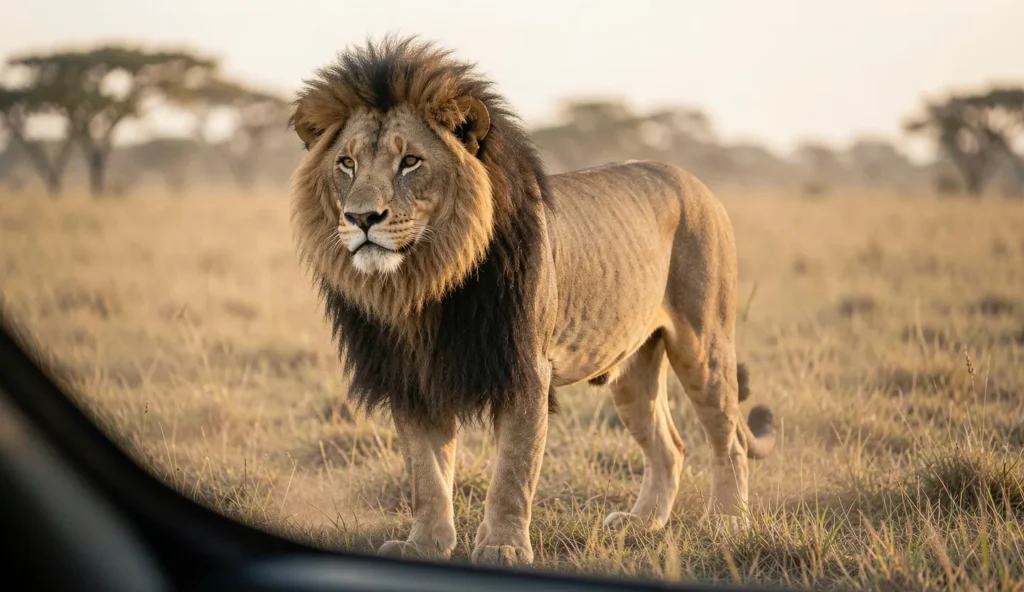
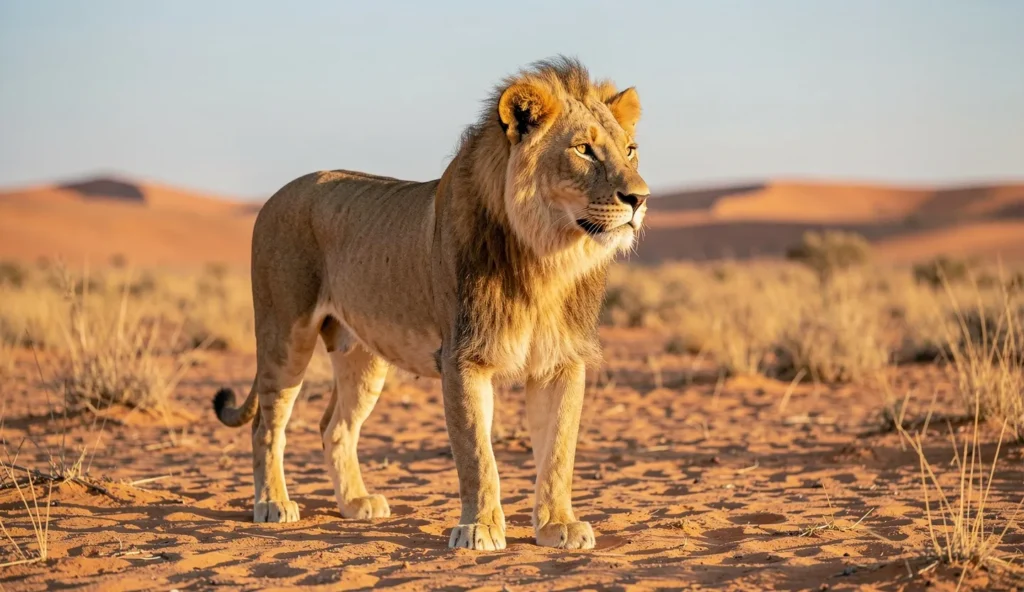
The Kalahari desert lion is a desert adapted lion population associated with the Kalahari region, especially in Botswana and Namibia. Observers often describe it as more compact and lighter coated than lions from wetter habitats. This arid adaptation supports survival in hot, dry conditions where water and prey availability can shift quickly. For wildlife enthusiasts and conservationists, understanding the Kalahari desert lion helps interpret behavior and habitat needs more accurately.
Many people use the term desert lion to group lions that show similar adjustments to arid environments. However, local conditions still influence appearance, body condition, and social structure. With small prides and seasonal movement, the Kalahari desert lion can look different from other regional lion types even when still within the same wider species. For pet breed collectors, it is also a reminder that “breed” language can mislead when talking about wild lion populations.
Where This Lion Lives In Southern Africa
Kalahari desert lions are primarily linked to the Kalahari region across Botswana and Namibia. The landscape includes open sandy areas, sparse vegetation, and seasonal patterns that affect both water access and hunting opportunities. Daily routines often revolve around the least stressful times of day and the most reliable prey patches. Because the desert ecology changes over seasons, movement routes can shift as conditions tighten or improve.
In practical terms, Kalahari lions depend on local water points and prey concentrations. When vegetation cover changes after rainfall, prey becomes easier to detect and access in certain areas. Those changes can also affect where lion activity increases and where it becomes quieter. This is one reason the same desert lion label may describe animals that behave slightly differently from one locality to another.
To compare regional lion variability, it can help to review other lion populations such as the African Lion and how their broader habitat range shapes behavior and group patterns. While that comparison is not a direct substitute for Kalahari ecology, it gives context for why “desert lion” traits can appear more pronounced in arid regions.
How It Is Typically Described Compared With Other Lions
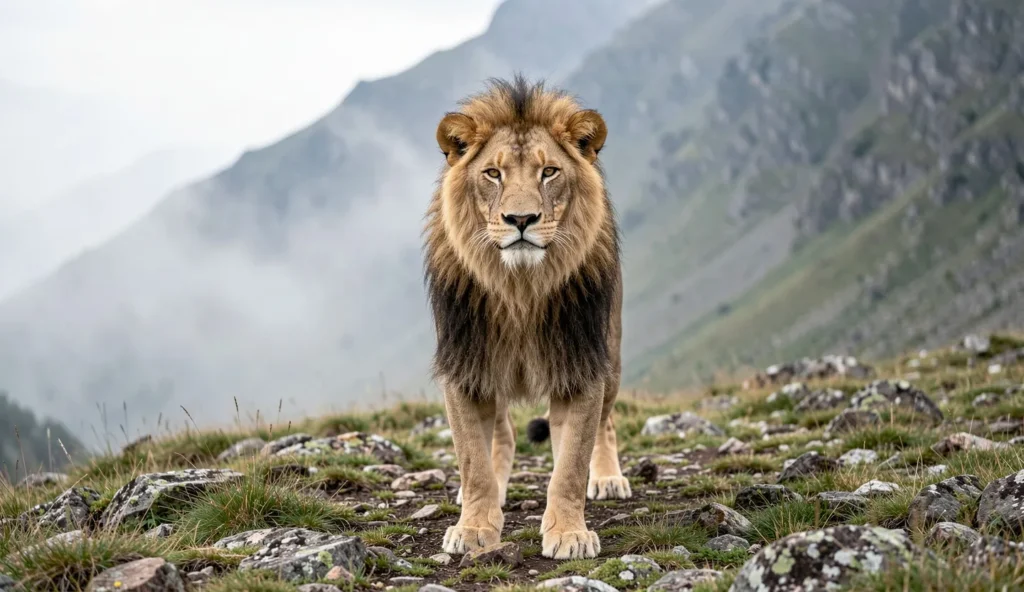
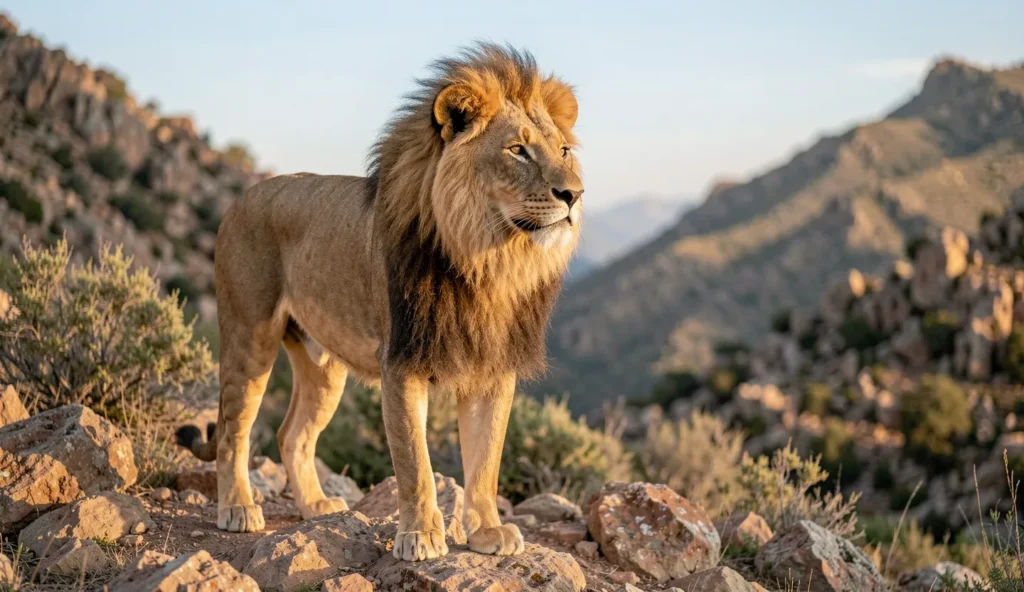
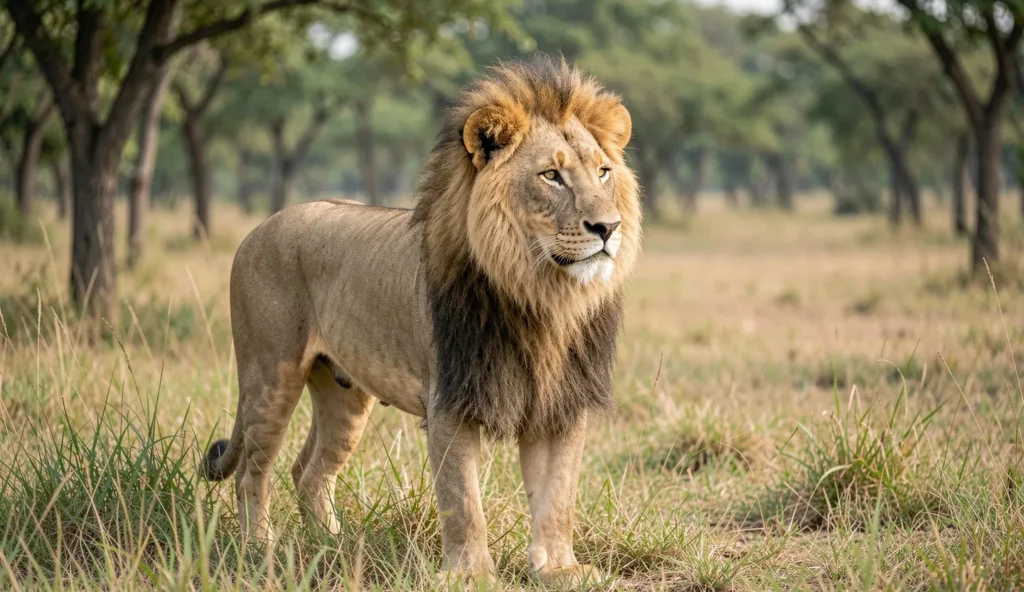
The Kalahari desert lion is often described as smaller in body size with a lighter coat appearance. Reports frequently connect these traits to heat tolerance and efficient movement across dry terrain. In the Kalahari, where temperatures can rise sharply and shade may be limited, body condition management matters. Small prides may also help reduce competition during periods when prey is scattered.
Compared with lions from more humid or dense environments, the lighter coat can blend with sandy tones and dry grasses. Coat density may also feel less heavy, which can matter during prolonged heat. Social structure can differ too, since patchy prey can favor smaller group sizes. As a result, some observers describe small pride formations instead of large group structures.
Regional differences can be complex, so it can also help to compare known lion subspecies summaries such as Asiatic Lion when learning how ecology shapes physical and behavioral traits. Each population faces different pressures, so the “one type fits all” idea rarely holds up in real desert conditions.
Appearance And Physical Features That Stand Out
The most visible cues tied to Kalahari desert lions include smaller overall size and a lighter coat look. These features do not mean every individual will match a single template. Instead, they reflect repeated adaptation to arid heat, sandy ground, and variable food access. When these traits appear together, they often make the desert lion label feel obvious to observers.
Appearance also connects to practical survival tasks like heat management and efficient movement. Even without specialized equipment, differences in coat tone and body mass can stand out in field observations. That said, measuring and confirming population traits should rely on accurate wildlife monitoring rather than casual descriptions. For conservation work, consistent data collection matters more than rumors or simplified “breed” claims.
Size And Body Shape Differences
Smaller body mass is commonly reported for desert adapted populations, including those associated with the Kalahari region. A compact build can support efficient movement across open, dry terrain. Movement efficiency matters when distances between shade, water, and prey opportunities increase. That pattern also helps explain why arid adaptation can show up as body shape trends rather than only coat changes.
Sexual dimorphism typically still occurs, but the contrast may appear less dramatic. In some cases, observers see fewer “extreme” body size differences than expected from other lion regions. This can relate to local prey types and the typical body condition range animals must maintain. Therefore, the Kalahari desert lion may look smaller even when each individual remains within healthy bounds for its environment.
For additional context on why regional size can vary, it can help to look at population descriptions across other lion ranges such as the Masai Lion. That comparison can show how habitat structure influences hunting distances, energy budgets, and visible body condition.
Coat Color And Texture For Hot Dry Conditions
Lighter coat coloration often aligns with sandy surroundings and dry grass tones. This matching effect does not “guarantee” camouflage in every situation, but it reduces visual contrast. Coat texture can also reflect arid adaptation through how hair behaves in dry air. In many cases, the coat looks less bulky than lions from more humid areas.
Coat density matters because heat stress builds quickly when the body absorbs energy from the environment. A lighter coat appearance can support heat management, particularly under strong sun. Dust exposure also affects how coats feel and how skin stays protected. For wildlife care programs, this is a reason dust and enclosure comfort need extra attention.
When comparing coat traits across regions, readers sometimes confuse “color” with “genetics.” In reality, environment can shape visible expression through wear, seasonal shedding, and body condition. That is why careful observation and recording are useful, especially in long term monitoring projects. It also explains why desert lion appearance can look different across Botswana and Namibia even within the same broader Kalahari association.
Mane, Tail, And Other Notable Traits
Mane appearance may look less dense in some individuals, though mane traits still vary naturally. Facial and body proportions generally follow the classic lion morphology, even when the overall build feels lighter. The tail and limb proportions often support quick bursts of movement followed by longer walking periods. These patterns fit the demands of open terrain.
Some observers also note that the tail supports balance when animals move over uneven sandy ground. Others describe limb proportions as supporting energy saving pacing during long scouting walks. While these features are not unique to the Kalahari desert lion, they can appear together with lighter coat cues. Therefore, the overall “arid adaptation” impression comes from multiple body traits working in the same direction.
Temperament And Social Structure In Small Prides
In the Kalahari, social structure often reflects resource limits, especially during hotter or drier seasons. The Kalahari desert lion is frequently associated with small prides rather than large group structures. Those smaller groups can reduce competition when prey is patchy. At the same time, group size can still change depending on local conditions and prey patterns.
Temperament is not a simple “desert lion personality” label. Lions still show individual variation and respond to stress, hunger, and safety cues. However, social structure influences daily routines like resting, cub care, and cooperative hunting opportunities. For conservationists, understanding small pride dynamics helps interpret behavior without assuming it matches lions from other habitats.
How Small Prides Affect Hunting And Care
Small prides can reduce direct competition when prey is scattered across large areas. With fewer adults, each individual may take a more flexible role depending on what prey becomes available. That flexibility can be useful when patrol needs change after rainfall or when water points shift. In cub care, shelter options and prey stability influence how often cubs can travel safely.
Reproductive and care behaviors also reflect local risks. If prey availability drops, nursing and rearing decisions may shift toward conserving energy and reducing unnecessary movement. That is why small pride formations can show different rhythms in drier months. Observations in Botswana and Namibia often reflect those same practical limits tied to desert ecology.
For a broader comparison of lion pride sizes across other environments, readers can review summaries such as West African Lion. While the habitats differ, it supports the larger idea that group structure responds to ecological pressure rather than a fixed “breed rule.”
Daily Activity Patterns In Arid Heat
Daily activity patterns for the Kalahari desert lion often favor cooler morning and evening windows. During peak heat, lions may rest more and reduce movement that increases overheating risk. Water seeking can also guide when and where animals move. As a result, routines can look uneven, with longer pauses followed by short active periods.
Rest locations often provide shade or wind exposure that helps lower body temperature. Movement corridors can connect safe resting spots to prey patches and water sources. Because desert ecology can vary with season, the same pride may change its preferred routes over time. This pattern shows that arid adaptation affects behavior not just appearance.
Communication And Territorial Behavior
Communication and spacing behaviors still matter for the Kalahari desert lion. Vocalizations and scent marking can help maintain boundaries and reduce conflicts when prides meet. Territories can reflect water access and prey routes rather than only vegetation cover. Seasonal changes can also affect how often interactions occur between nearby pride groups.
When water points become the main hubs during dry periods, territorial behavior can intensify around those areas. At other times, when prey is more evenly distributed after rainfall, movement can spread out and reduce direct overlap. These shifting patterns help explain why small prides still maintain order across changing conditions. They also guide monitoring practices for researchers mapping desert lion activity.
Exercise Requirements And Natural Movement Needs
Movement needs for a Kalahari desert lion connect to efficient walking and energy budgeting across open terrain. Arid landscapes require covering ground to find prey and locate water reliably. Even though lions are not “trained” like domestic animals, their routine movement supports hunting success and survival. For conservation minded care discussions, the goal is to translate these natural demands into safe, humane planning.
It is also essential to separate wildlife biology from pet keeping myths. Lions require specialized facilities and expert care, and the safest approach for welfare is through accredited programs. Still, understanding natural movement needs improves how zoos and sanctuaries design enrichment and habitat layouts. That understanding also reduces stress caused by inadequate space planning.
Why Long Distance Walking Matters
Long distance walking helps desert adapted lions search for prey across open terrain. When water sources and prey patches are separated, more ground must be covered to locate opportunities. Pacing and walking efficiency can help conserve energy during heat stress. Movement also supports situational awareness for where prey might appear next.
In arid adaptation scenarios, long walks can include slow scouting and short accelerations. Over time, this pattern builds familiarity with safe routes, shade options, and water corridors. Therefore, movement is not just activity for its own sake, it supports survival planning. Wildlife professionals translate these needs into enclosure layouts that allow pacing and retreat options.
For readers comparing desert adapted big cats, it can also help to consider how other lion populations manage wide ranging movement. The Cape Lion page provides another example of how regional ecology can shape movement and hunting context. That kind of cross reading supports more accurate mental models for wildlife behavior.
Typical Hunting Effort And Energy Use
Hunting effort often concentrates around moments when prey is more vulnerable or more available. Lions may spend time scouting, positioning, and waiting before committing to a short burst chase. After the attempt, energy conservation becomes a priority until the next opportunity. This energy budgeting affects when hunting happens during the day.
Because prey opportunities can cluster near water during dry periods, hunting effort may appear more intense around those hubs. During wetter seasons, prey can spread out, which changes how often and how far lions travel. Small prides can respond quickly to these shifts because their group size supports flexible roles. That is a key part of why the Kalahari desert lion is often described as adaptable in behavior.
Environmental Enrichment For Movement In Arid Conditions
Enrichment for desert lion conditions should support natural search behavior while reducing overheating risk. Space planning should include open movement areas plus shaded retreat zones. Thermal gradients can help animals cool down without needing to stay inactive all day. Scent and feeding strategies can encourage step by step searching instead of rushed movement.
Feeding placement also matters because it influences movement routes and pacing. If food is always in one spot, animals lose opportunities to practice natural scanning and route learning. When enrichment uses a range of safe locations, it supports more realistic movement patterns. It also reduces boredom related stress signals during hot periods.
For people focused on ethical animal management, these enrichment principles align with the same welfare logic discussed for other large carnivores, including Barbary Lion. Using multiple resources helps avoid “one size fits all” assumptions when planning care.
Training And Handling Considerations For Safety
Handling a Kalahari desert lion requires specialized experience and strict safety protocols. Training and conditioning should aim for predictable routines that reduce stress for both animal and staff. This section focuses on safety oriented principles for accredited facilities and trained professionals. Any attempt to manage lion handling without proper qualifications creates serious risk.
Because desert lion traits include arid adaptation, heat management still plays a major role during routine work. Lions may respond more strongly when discomfort rises quickly. For that reason, work schedules and cooling options often matter as much as the handling method itself. Proper planning helps keep routine sessions stable and humane.
Behavioral Conditioning For Protected Handling
Only qualified professionals should manage lion handling and any training routines. Conditioning should target predictable, repeatable stationing behaviors that keep animals calmer. When protocols use consistent cues, handling becomes more controlled and less stressful. Welfare goals focus on reducing fear responses rather than forcing compliance.
Training also supports safety by limiting sudden movements during procedure times. A safe routine often includes clear separation of steps, reliable timing, and sufficient distance. When animals can anticipate what comes next, stress can decrease. That matters strongly for the Kalahari desert lion, where heat discomfort can escalate quickly in outdoor settings.
Some readers compare captive management standards with other subspecies care discussions, including Ethiopian Lion. While environments differ, professional handling fundamentals still apply across lion populations. That comparison can reinforce why training must remain a specialist responsibility.
Managing Stress And Heat During Routine Work
Work sessions should align with cooler hours to reduce overheating and dehydration stress. Cooling options and shade access influence how well an animal tolerates routine handling. Clear protocols help staff prevent escalation if discomfort starts to rise. When discomfort increases, staff should follow predefined steps rather than improvising.
During hot spells, staff often adjust session timing and use environmental monitoring to guide decisions. Airflow and shade quality can affect skin condition and overall comfort. For desert lion care, even short changes in temperature can matter. Therefore, heat management needs to be planned as a routine part of handling procedures.
Legal And Ethical Requirements For Any Captive Work
Regulations vary by country and by the type of institution working with lions. Permits, accredited standards, and safe housing requirements are usually mandatory. Ethical management often involves conservation partnerships and evidence based welfare planning. This framework helps ensure captive lion work supports safety and responsible outcomes.
For people who are primarily wildlife enthusiasts, the key message is straightforward. Keeping lions as pets is usually restricted and highly unsafe without specialist facilities. Legal compliance matters because it also determines whether veterinary support and welfare housing standards meet minimum expectations.
Grooming And Care Tips Focused On Heat And Coat
Grooming for the Kalahari desert lion focuses on skin comfort, coat condition monitoring, and hygiene. The lighter coat and dry environment of arid adaptation can lead to unique grooming concerns compared with humid habitats. While lions are not groomed the same way as domestic pets, daily observation and environment management remain essential. Staff and caretakers can catch early issues before they become severe.
Care planning also includes how enclosure surfaces hold heat and dust. Dry conditions can irritate skin and stress animals during long resting periods. Therefore, grooming and care work should include both physical checks and environmental adjustments. Those adjustments support welfare and reduce preventable health issues.
Coat Care For Lighter Fur And Dry Environments
Monitoring skin condition helps catch dryness early, even when coat color appears lighter. Regular visual checks support early detection of irritation and localized hair loss. Dry air and dust exposure can increase the risk of skin problems, especially if airflow is weak. Therefore, caretakers should manage dust and prevent long exposure to harsh drying conditions.
Environmental humidity control may be limited in open outdoor areas, so dust management becomes more important. Cleaning routines and surface choices can reduce irritants that build up on fur and skin. If animals show changes in grooming habits or increased scratching, it should trigger a veterinary check. That proactive response supports better outcomes in desert lion care planning.
Health Monitoring Through Daily Observation
Daily monitoring should track appetite, hydration behavior, coat condition, and movement patterns. Changes in resting time can signal early discomfort or rising heat stress. When the Kalahari desert lion shows less activity during expected cooler periods, it can reflect health stress. Recording these changes supports faster decisions and more accurate veterinary follow ups.
Heat stress signs can include panting, lethargy, and reduced appetite during hot spells. Those signs matter because early intervention can prevent dehydration from worsening. Coat and skin changes can also indicate underlying issues such as parasites or irritation. Daily observation supports a pattern based approach rather than relying on isolated events.
Hygiene And Enclosure Comfort
Clean bedding and durable surfaces reduce irritants and support healthier resting areas. Shade and airflow help prevent overheating and skin stress during high temperatures. Parasite control requires consistent scheduling based on veterinary recommendations. Hygiene also reduces risk from secondary infections when skin becomes irritated.
Enclosure comfort includes managing how animals access water and how quickly they can cool down. If shade is too small or poorly placed, animals may overheat and spend too long exposed to the sun. Therefore, enclosure design needs to support both recovery and natural pacing. These comfort factors directly influence welfare in arid adaptation settings.
Diet And Nutrition For Arid Adaptation
Diet for the Kalahari desert lion depends on local prey availability and how hunting opportunities change with rainfall. In the wild, hunting success and food intake can shift based on the desert ecology of vegetation and prey behavior. In captive settings, nutrition planning should aim to match natural energy needs while accounting for arid adaptation. Because water access matters, feeding and hydration planning often work together.
Any diet plan for big cats must be managed under qualified veterinary guidance. Nutritional requirements can change with age, sex, activity level, and health status. Therefore, fixed feeding rules rarely fit every individual. Instead, portion planning and hydration monitoring should adjust as body condition changes over time.
Natural Prey Base And Hunting Drivers
Diet depends on local prey species and seasonal availability, especially in Botswana and Namibia. Hunting success often links to how easily prey can be detected within cover and how quickly lions can reach prey opportunities. Smaller prides can respond differently across seasons because their hunting roles must adapt to prey distribution. After rainfall, vegetation can change, and so can prey movement patterns.
Because water can concentrate prey during dry months, hunting near water points may become more frequent. However, the lion still must balance effort with reward. When prey is scarce, energy conservation becomes more important than chasing risky opportunities. This is a key reason arid adaptation influences not only survival, but also feeding rhythms.
For readers looking at broader lion ecology, comparisons can help avoid simplified assumptions. For example, the African Lion overview can provide a baseline on how diet and group behaviors change across habitats. That background can clarify why the Kalahari desert lion feeding drivers are strongly tied to desert ecology.
Feeding Frequency And Portion Planning In Captive Settings
Feeding frequency and portion sizes should reflect age, sex, and body condition targets. Portions often adjust to prevent weight loss during active periods or excessive weight gain during low activity. In desert adapted physiques, energy budgeting must reflect how much walking and hunting style movement animals actually perform. Therefore, portion planning should align with observed activity patterns rather than fixed schedules.
Hydration access should be treated as essential, not optional. Even with a balanced meal, poor water access can contribute to heat stress and digestive problems. Captive routines should include clean, monitored water sources that stay available during hot hours. If appetite changes, diet adjustments and health checks should follow veterinary guidance.
Water Management And Heat Related Hydration Needs
Water access influences movement and resting behavior, since lions often plan routes that connect resting sites to hydration points. Heat stress increases the need for reliable hydration and can reduce willingness to travel far from water. In arid adaptation conditions, water sources should remain clean and consistent. Dirty or inconsistent sources can increase health risks and encourage risky movement.
Monitoring water consumption helps caretakers notice problems early. If a lion drinks less than expected during hot periods, it may signal discomfort, illness, or equipment issues. Therefore, hydration monitoring supports both daily welfare and longer term health management. This approach is consistent with responsible captive management principles.
Common Health Issues In Desert Adapted Populations
Common health risks for the Kalahari desert lion often involve heat stress, dehydration, and skin or parasite problems linked to dry conditions. In open environments, overheating can develop quickly, especially when shade or water access becomes limited. Dry air and dust can also contribute to irritation and changes in coat or skin comfort. For conservation programs and accredited facilities, prevention and early detection are the most useful tools.
Mobility concerns can also occur, since dry terrain and hard ground may increase wear on paws and joints. Weight management and veterinary monitoring help protect long term movement. When health issues are treated early, the overall welfare outcome improves. That is why health monitoring should remain routine rather than event based.
Heat Stress And Dehydration Risks
Heat stress increases risk of overheating and dehydration during hot weather. Panting, lethargy, and reduced appetite can appear as early warning signs. Cooling support and careful routine timing reduce risk. Because desert lion arid adaptation does not mean animals can tolerate extreme heat indefinitely, heat management stays essential.
If an animal shows signs of heat stress, staff should follow emergency protocols used by the facility. Immediate environmental changes like shade access and water availability can help while veterinary evaluation continues. Monitoring temperature and animal behavior during high heat spells also guides whether additional safeguards are needed. This planning reduces the chance that mild stress becomes a crisis.
Skin Irritation And Parasites
Dry air and dust exposure can contribute to skin irritation, especially if the environment stays dusty or airflow remains poor. Parasites remain a concern in many lion care situations, and desert conditions do not eliminate them. Consistent prevention schedules reduce risk of infestations and secondary problems. Regular skin and coat checks can identify issues before they worsen.
If skin appears inflamed, if there is abnormal scratching, or if coat condition declines, veterinary review should happen promptly. Dust and minor irritation can also make animals more sensitive, which can influence behavior and resting patterns. Therefore, skin health is part of overall welfare monitoring. These steps also support long term comfort for lighter coat individuals.
Joint And Mobility Concerns On Dry Terrain
Hard ground can increase wear on paws and joints, especially if animals spend long hours on abrasive surfaces. Keeping body weight in a healthy range supports long term mobility. Veterinary monitoring helps detect early arthritis or injury before pain becomes severe. When movement declines, caretakers can also investigate whether the environment needs adjustment.
For arid adaptation settings, flooring choice and access to comfortable resting areas matter. If an animal rests only on hard surfaces, discomfort can accumulate. Adding appropriate bedding or changing surface areas can improve comfort. Over time, these changes support healthier movement and reduce repeated stress on joints.
Is A Kalahari Desert Lion Right For You?
The Kalahari desert lion can attract strong interest from wildlife enthusiasts, conservationists, and pet breed collectors. Still, realistic expectations must lead the decision process because lions are wild animals with serious welfare and safety needs. Most people cannot safely or legally keep large wild cats. The realistic route involves accredited facilities, conservation programs, and ethical viewing or research support.
When interest comes from a conservation perspective, support can look like funding habitat protection and backing monitoring work. When interest comes from care curiosity, learning through qualified resources can reduce harmful myths. Instead of “pet ownership,” the most responsible involvement often centers on education and conservation aligned actions. This keeps focus on welfare rather than fantasies about keeping desert lion populations at home.
What A Responsible Enthusiast Should Consider
Most people cannot safely or legally keep large wild cats, including lions associated with desert habitats. Accredited facilities and conservation programs provide the expertise and infrastructure required for welfare. Focus should stay on animal welfare, enrichment, and veterinary readiness rather than ownership fantasies. For pet breed collectors, it is also crucial to treat the “breed” term carefully and prioritize accurate species and population information.
If a person works with wildlife education, the best approach often involves supporting regulated experiences. That includes respecting boundaries and following facility rules during any viewing activity. Responsible behavior helps reduce stress for animals and reduces the chance of unsafe human interaction. These practical choices matter as much as general knowledge about arid adaptation.
Best Ways To Support Desert Lion Conservation
Supporting habitat protection in Botswana and Namibia supports the broader survival needs of lions living in Kalahari regions. Following ethical research and monitoring efforts helps improve understanding and reduces misinformation. Education that reduces harmful human lion conflict can also support coexistence. Conservation efforts need accurate data on small prides, movement patterns, and resource changes across seasons.
For readers who want to compare conservation contexts across lion types, exploring other regional profiles such as Asiatic Lion can show how habitat differences drive management approaches. That broader view helps people see that conservation is not one uniform plan. Each population faces different threats tied to its desert ecology or habitat structure.
Taking Care Of Reliable Information About Desert Lions
Reliable learning about the Kalahari desert lion matters because desert lion traits can vary by region and by individual body condition. Evidence based information helps prevent myths about fixed “breed differences” that do not match real ecological variation. Accurate data also supports better care planning in accredited settings. When information comes from qualified sources and monitoring efforts, it supports welfare based decisions.
Because desert lions face different pressures than lions from other regions, care strategies should stay aligned with credible professional guidance. When uncertain, qualified wildlife staff and veterinarians should guide decisions. That evidence focused approach improves both conservation work and public understanding.
Frequently Asked Questions
Are Kalahari Desert Lion Smaller Than Other Lions?
They are often reported as smaller in body size in Kalahari regions, but size varies by individual and local prey conditions.
Why Does The Kalahari Desert Lion Have A Lighter Coat?
Lighter coloration is commonly associated with arid habitats and sandy surroundings, and coat traits can vary among populations and individuals.
Do Kalahari Desert Lions Live In Small Prides?
Small pride structures are frequently described in the Kalahari environment, and group size can change with prey availability and season.
Where In Botswana And Namibia Are Kalahari Desert Lions Found?
They are associated with the Kalahari region across Botswana and Namibia, and exact locations depend on habitat and water routes.
What Survival Strategies Help A Desert Lion In Arid Conditions?
Heat aware activity patterns and efficient movement support survival, and water seeking and hunting around prey concentrations drive key behaviors.
Can Kalahari Desert Lions Be Kept As Pets Safely And Legally?
Keeping lions as pets is usually restricted and highly unsafe without specialist facilities, and legal requirements with expert veterinary care are typically mandatory.
Final Care Focus For Readers
Interest in the Kalahari desert lion becomes more useful when it stays grounded in arid ecology, welfare priorities, and verified wildlife information.