Barbary Lion – The Lost King of North Africa
Introduction
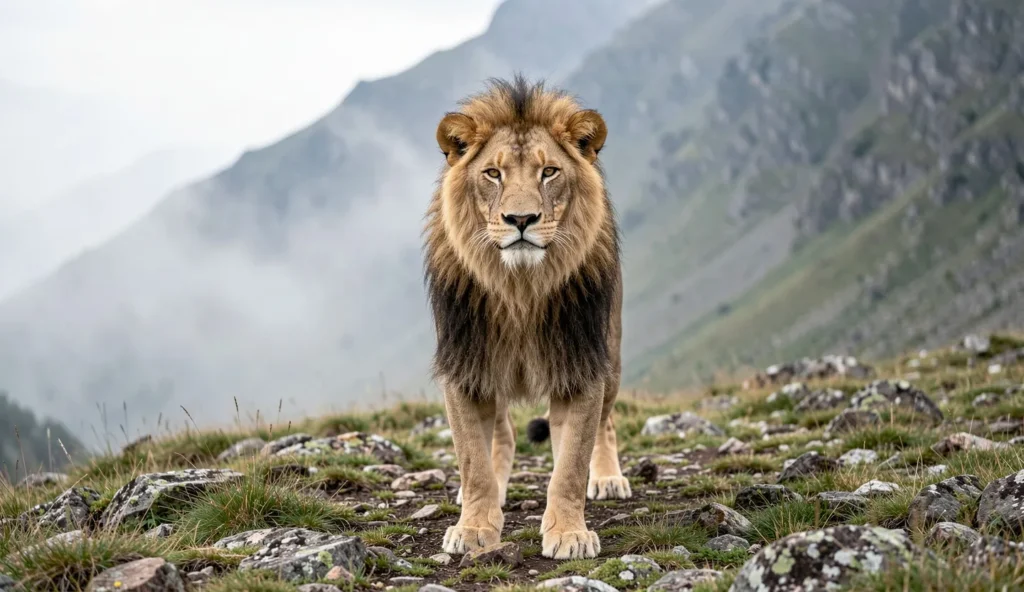
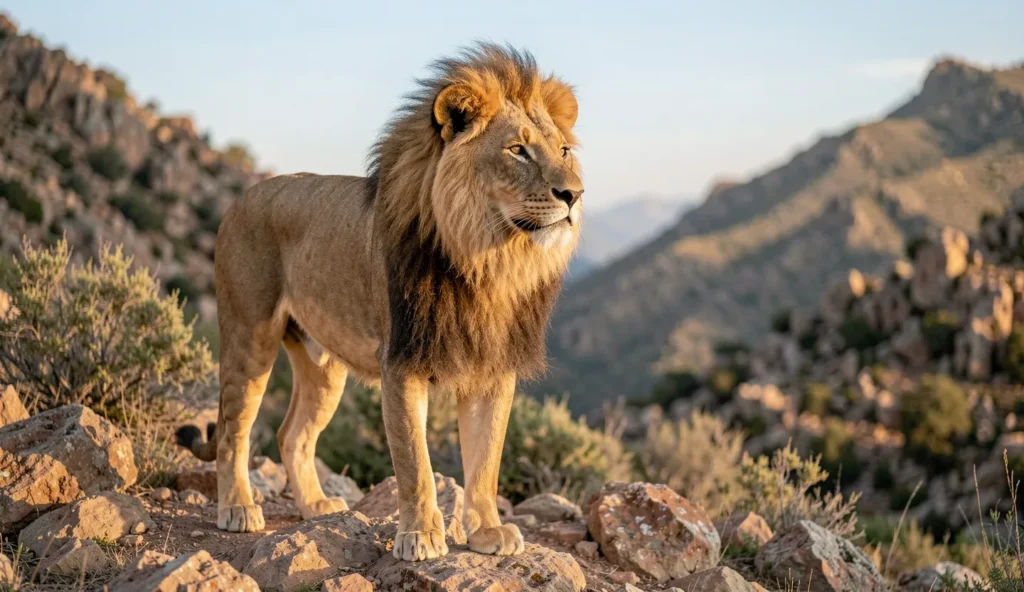
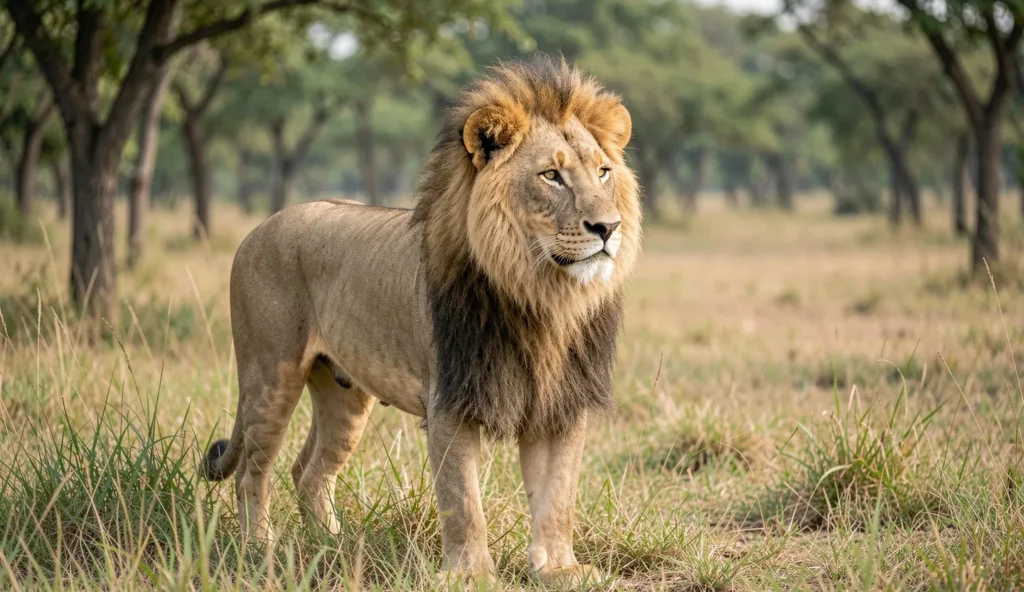
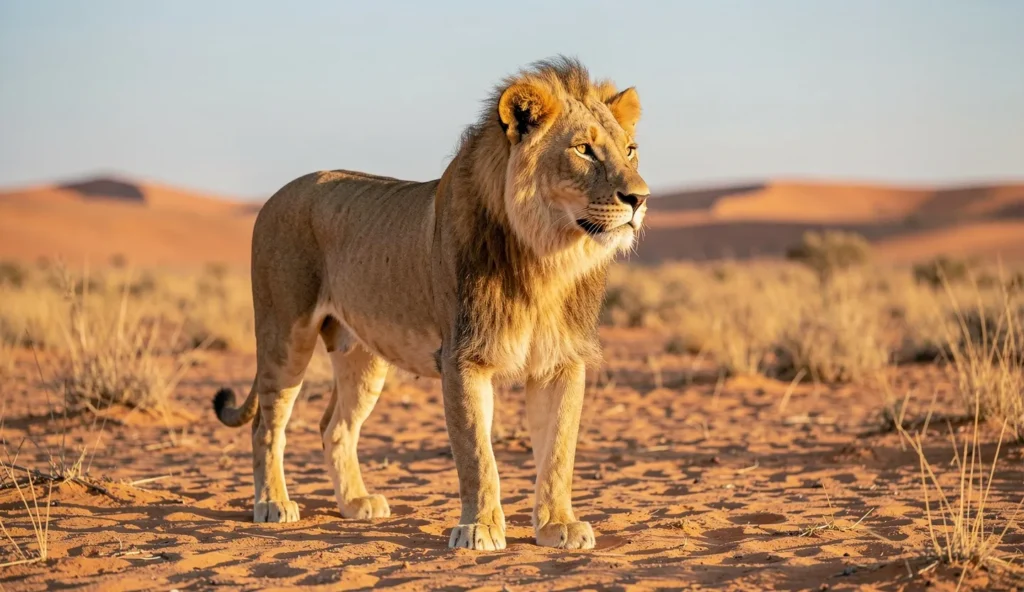
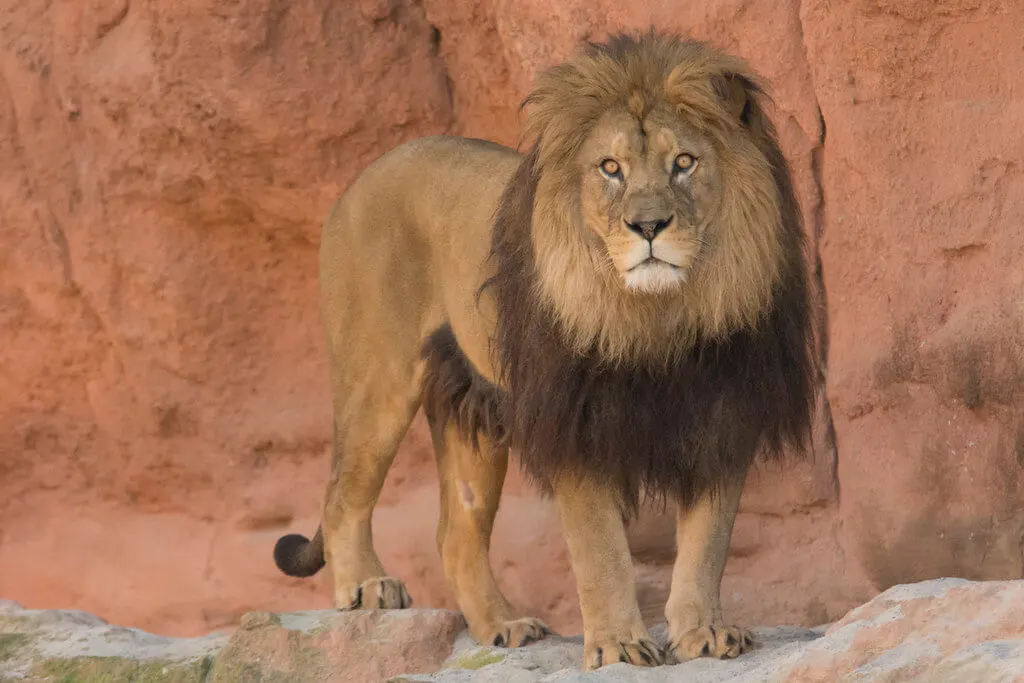
The Barbary Lion, also known as the Atlas Lion, was once the most majestic big cat of North Africa. Known for its thick, dark mane and robust build, this lion roamed the mountains and deserts from Morocco to Egypt. Though now extinct in the wild, the Barbary Lion remains a symbol of strength, resilience, and conservation hope. Its story offers a powerful lesson about the fragility of even the most dominant predators, especially when compared to the ongoing struggles of other lion subspecies like the West African Lion, which faces its own critical fight for survival.
Historical Habitat
Barbary lions (Panthera leo leo) once inhabited:
- The Atlas Mountains of Morocco and Algeria
- Arid and semi-arid regions across North Africa
- Remote desert fringes and forested valleys
Their range declined rapidly due to hunting and habitat destruction, leading to extinction in the wild by the mid-20th century. This loss of habitat mirrors the challenges faced by the Ethiopian Lion, a rare black-maned lion whose remaining population is confined to a shrinking territory in Ethiopia.
Physical Characteristics
The Barbary Lion was among the most distinctive lion subspecies:
- Size: Males often exceeded 500 pounds
- Mane: Thick, dark, and extended over the shoulders and belly
- Build: Stocky, muscular frame adapted to colder mountain climates
Their dramatic appearance contributed to their legendary status among ancient civilizations. In terms of sheer physical presence, they were comparable to the Cape Lion of South Africa, another extinct subspecies celebrated for its massive black mane and powerful build.
Cultural Significance
The Barbary Lion held a revered place in history:
- Symbol of royalty in the Moroccan and Roman empires
- Featured in coats of arms and sculptures
- Gifted to emperors and kings as symbols of power
These lions were often seen in Roman arenas and later in European menageries. Their cultural footprint remains visible today in heraldry and national symbols across North Africa and Europe.
Extinction in the Wild
By the early 1900s, Barbary lions were heavily targeted:
- Hunted for sport and the protection of livestock
- Habitat loss due to agriculture and urban expansion
- Low prey availability in isolated mountain regions
The last confirmed wild Barbary lion was reportedly killed in Morocco in the 1940s. This rapid decline serves as a stark warning for the conservation of remaining lion populations, such as the Asiatic Lion, which now clings to survival in a single forest in India.
Genetic Legacy and Captivity
Though extinct in the wild, descendants may survive in captivity:
- Some zoos in Europe and Morocco claim to house Barbary-type lions
- Genetic studies show a small percentage of Barbary ancestry in select lions
- Breeding programs aim to preserve their unique lineage
Efforts are ongoing to identify pure bloodlines and possibly reintroduce them in the future. The search for authentic Barbary ancestry has led researchers to examine lions in captivity that may carry genetic markers from the royal collections of Moroccan sultans.
Conservation Significance
The story of the Barbary Lion serves as a lesson in wildlife conservation:
- Highlights the dangers of overhunting and habitat neglect
- Promotes awareness and research in predator preservation
- Inspires the protection of existing lion populations across Africa
Preserving the memory of the Barbary Lion can help drive better conservation policies. By learning from its extinction, we can better protect the African Lion populations that still roam the savannahs today.
Fun Facts About Barbary Lions
- Barbary lions once guarded the gates of the Tower of London
- Roman emperors admired them for their fighting prowess
- Their mane gave rise to many artistic and mythical lion depictions
- May be closely related to lions that lived in the Middle East
Frequently Asked Questions
Q1: Are Barbary lions extinct?
A: Yes, they are extinct in the wild, but some descendants may survive in captivity with partial Barbary ancestry.
Q2: Where can I see a Barbary lion?
A: Select zoos in Europe and Morocco have lions believed to descend from royal Moroccan bloodlines.
Q3: What made Barbary lions unique?
A: Their size, muscular build, and thick dark mane made them one of the most impressive lion subspecies.
Q4: Can Barbary lions be brought back?
A: Efforts are ongoing to identify and selectively breed lions with Barbary traits, but true rewilding remains uncertain.
Q5: Why are Barbary lions important to conservation?
A: Their story raises awareness about extinction, inspiring action to protect remaining lion populations.
Conclusion
The Barbary Lion may no longer roam the wilds of North Africa, but its legacy continues to roar in our collective memory. From royal symbol to conservation icon, this subspecies remains a poignant reminder of nature’s fragility. Honoring its legacy can guide efforts to protect the lions that still walk Africa’s savannahs today, ensuring that other magnificent subspecies do not follow the same path into extinction.