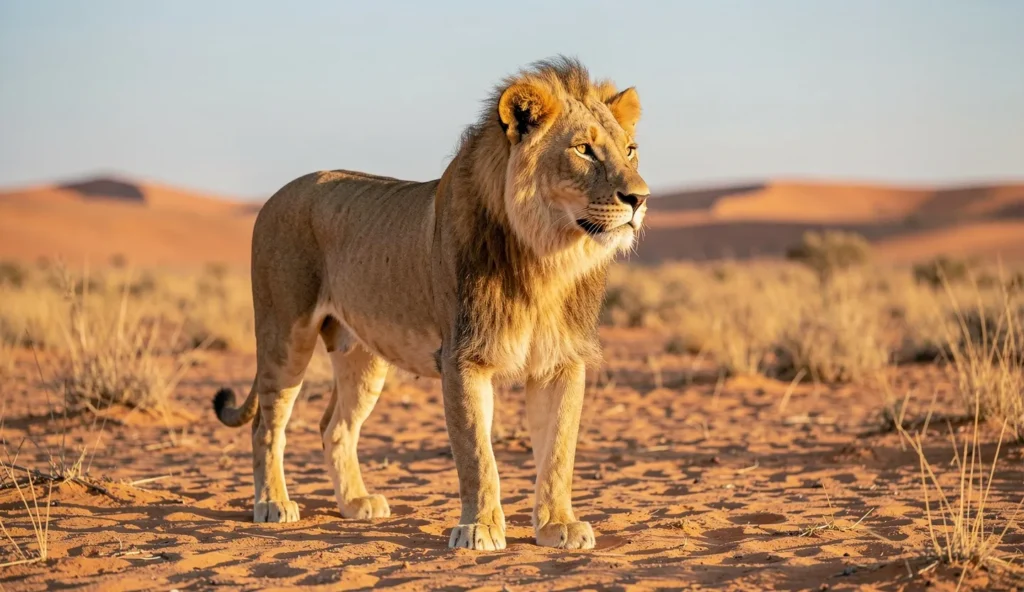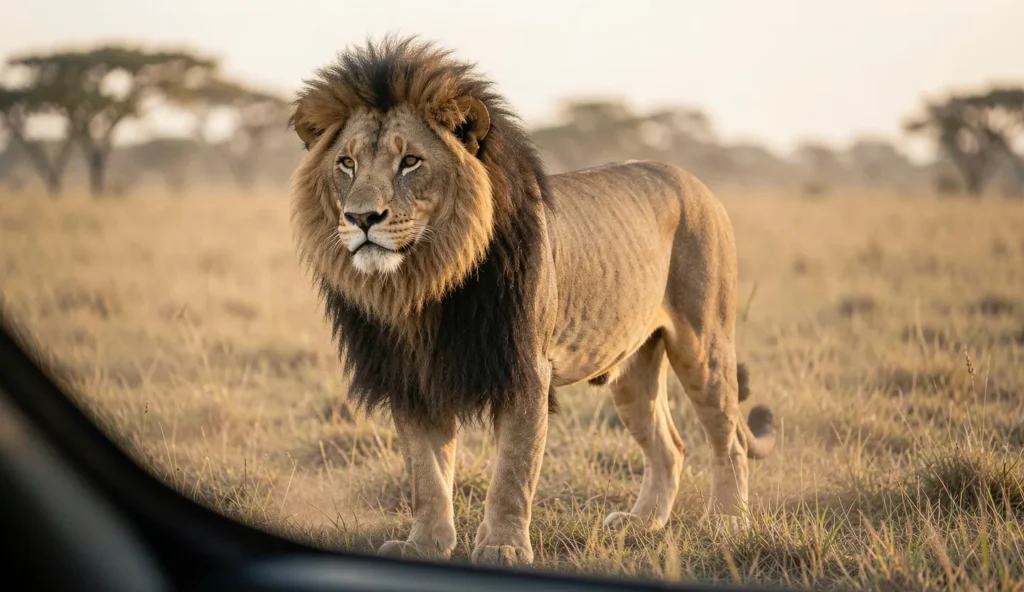
What Is A Black Maned Lion
Black-maned lion traits describe a pattern where male lions show unusually dark mane color within Panthera leo. Field observers often describe the dark look as a dark mane or near-black mane, especially around the neck and chest. These traits matter to wildlife enthusiasts because they connect appearance with how males may compete and attract mates.
Importantly, “black maned” does not mean a separate species. Instead, it describes a visible variation inside the same lion species, shaped by genetics, age, and environment. Some reports also use local labels such as Transvaal lion or Kruger lion based on where certain individuals appear.
Where Black Maned Lions Are Commonly Noted
Reports frequently mention regions associated with Transvaal lion and Kruger lion observations. These labels help people discuss where dark mane males get seen more often, not that they belong to a different breed.
In many areas, mane darkness can vary across seasons and ages. Lighting also affects perception, because dust, shade, and sun can shift a mane from deep brown to near-black in photographs.
How Wildlife Researchers Confirm What People See
Wildlife studies often rely on repeat sightings from known locations and consistent viewing angles. Observers also compare mane tone across multiple days, since a single moment can mislead due to weather and position.
“Black” in black-maned lion traits can include very dark brown through near-black tones. Researchers frequently pair mane assessment with basic body condition checks, since mane thickness and overall size change how contrast shows from a distance.
Appearance And Dark Mane Features To Look For
Dark mane is the most common visual cue linked to black-maned lion traits. When viewing from a vehicle at a safe distance, the goal is to evaluate color tone, mane spread, and how consistently the mane looks dark over repeated observations.
Because lion coats and lighting change constantly, a structured viewing approach helps. Safari planners and wildlife enthusiasts benefit from comparing what they see in open grass, shade, and brighter sun.
What The Mane Color Typically Looks Like
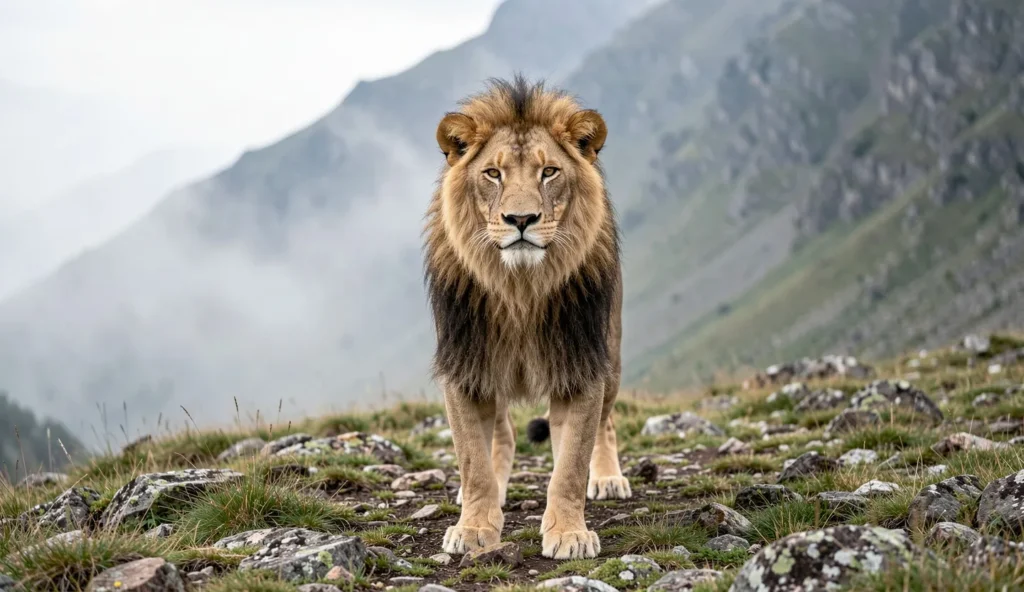
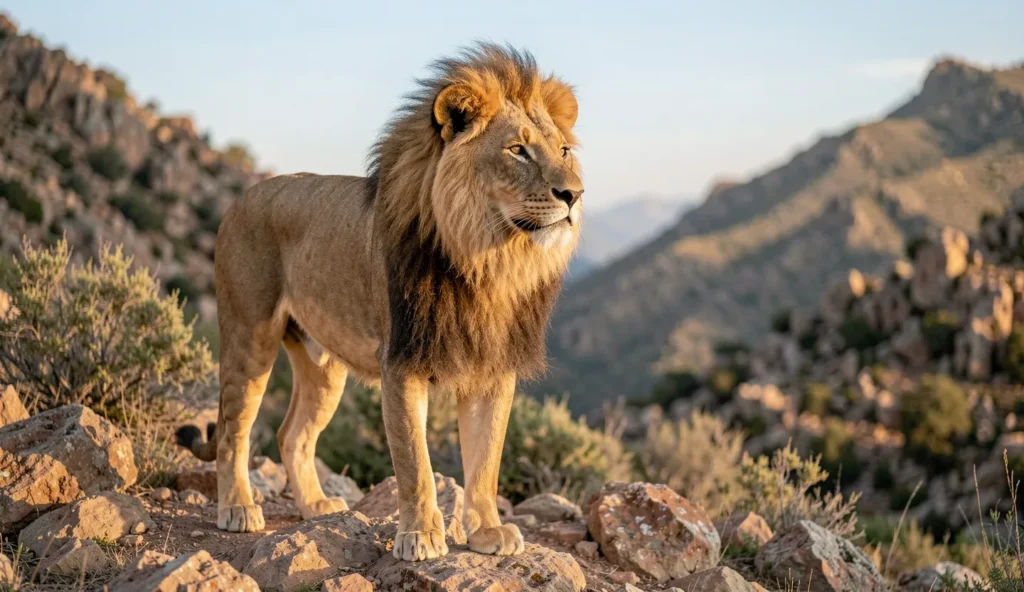
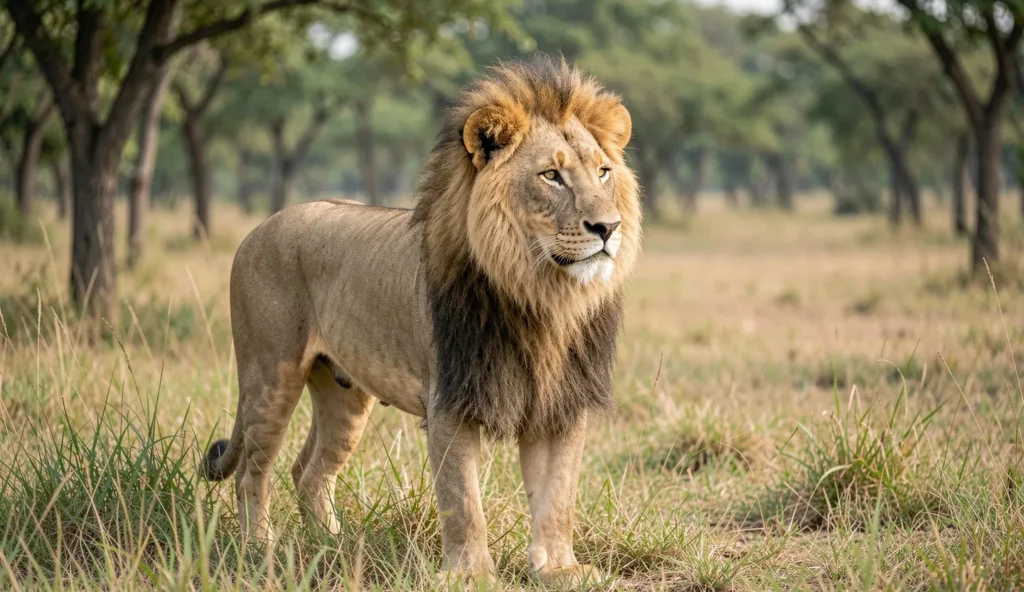
In lions described by black-maned lion traits, the mane often appears near-black or a very deep brown. The darkness is usually most noticeable at the neck and chest area where the mane is densest.
Sun angle affects the visible tone, so a mane can look warmer in direct light and cooler in shade. Dust and heat haze can also reduce detail in long-range viewing.
Other Visual Clues Often Paired With A Dark Mane
Observers often connect dark mane with mane density and how far the mane extends down the chest. A thicker mane can create a stronger dark outline, making the mane stand out more even when lighting is imperfect.
Body condition plays a role too. A male with strong condition often looks more “contrasted,” so the mane may appear darker relative to the coat on the body.
To avoid over-relying on one trait, multiple sightings help. Mane color should match across time, since juveniles and mid-aged males can show different appearance than older adults.
Age And Seasonal Variation In Mane Darkness
Males typically develop fuller mane as they mature. That means black-maned lion traits can become more obvious after the lion reaches a more adult stage.
Season can also influence coat thickness and how long hair appears. During dry periods, dust exposure and sun bleaching can shift the tone of both mane and body fur.
For Kruger lion and Transvaal lion type reports, the same individual may look different over weeks. Age and seasonal changes can also affect how a mane frames the face and neck.
Temperament And Social Role In Lion Groups
Lion social structure shapes what observers notice around dark mane males. In prides, male roles depend on whether the male is a resident lion, a coalition member, or a temporary outsider.
Because the pride affects movement, patrol routines, and access to resting and feeding areas, temperament-like behavior can look tied to appearance. However, black-maned lion traits do not automatically predict the behavior of a specific male.
Typical Lion Pride Structure And Where Males Fit
Most prides include multiple females with linked territories and one or more resident males. Coalition males may share defense and mating opportunities, and their roles can shift as tenure changes.
When conflicts occur, male dominance and coalition stability become central. These factors influence how often a male patrols, how he reacts to intruders, and how consistently he stays near the females.
For readers comparing regional populations, it can help to also review background on other lion forms such as African Lion. Regional comparisons support context, but black mane remains a descriptive trait rather than a separate formal classification.
Behavioral Signals That People May Observe
Common behaviors include patrolling, guarding resources, and staying close to areas where females rest or feed. Posture and vocalizations can accompany displays, especially when rival males appear.
Still, mane color alone cannot guarantee whether a male will be active, relaxed, or more vigilant. Some dark mane males may show calm resting, while other males with lighter or mixed manes may patrol frequently.
Male Competition And How Traits Influence Outcomes
Male competition centers on access to females and pride stability. Sexual selection can favor traits that help males signal fitness during mate choice and during rival encounters.
That signaling idea can connect with black-maned lion traits, because a bold-looking mane can create a strong visual presence. Yet field patterns can overlap, since coalition support, dominance rank, and the current threat level shape outcomes.
For additional regional context, some observers compare differences in male look and behavior across populations such as Ethiopian Lion. While those comparisons can guide expectations, each male still varies within local conditions.
Do Black Maned Lion Traits Affect Mating Success
This topic connects appearance with reproductive outcomes through sexual selection. Many people ask whether black-maned lion traits translate into measurable advantages for mating success, and research often explores links between visible traits and reproductive performance.
One key factor discussed in biology involves hormones, including testosterone. However, correlation does not mean every male with a dark mane will have identical hormone levels or guaranteed mating success.
Sexual Selection And Trait Signaling In Panthera leo
Sexual selection means that traits can affect mating success through mate choice and through competition between males. If females prefer certain displays, and if rivals respond to strong signals, those traits can become more common over time.
A darker mane can act as a visual signal during confrontations or courtship-related interactions. Still, mane color works alongside other cues such as body size, scent marking habits, and coalition status.
In practical field terms, observers may notice that mane prominence often appears alongside confident movement. Even so, researchers must measure reproductive outcomes over long periods, since short viewing windows cannot capture full mating patterns.
Correlation With Testosterone And Hormone Effects
Testosterone supports male reproductive behavior and can relate to aggressive or competitive tendencies. Because testosterone influences growth and overall reproductive state, it can be discussed in relation to mane development.
In some studies, higher testosterone levels may correlate with more developed mane traits. That correlation is best treated as a biological link, not a direct rule, because individual variation remains substantial.
Therefore, black-maned lion traits may associate with mating success through sexual selection and hormone effects, yet each lion’s actual reproductive results depend on many variables. This includes age, health, and whether the male holds access through a stable coalition.
Evidence Patterns From Field Observations
Field research often tracks males, identifies them over time, and monitors pride dynamics. Studies then look for relationships between traits such as mane color and reproductive outcomes such as offspring presence.
These projects require careful timing because males may change positions after tenure shifts or after coalition replacements. Environment and coalition status can also change how often a male mates.
For that reason, evidence patterns tend to show tendencies rather than guaranteed results. Mane darkness may appear associated with fitness-related factors, but reproductive success is rarely explained by color alone.
Key Factors That Can Change The Relationship
Dominance rank, tenure length, and coalition support can strongly affect mating success. A male with a dark mane may still lose reproductive access if he lacks coalition strength.
Age and health act as confounders too. Older males may show different mane features than younger males, and illness or injury can reduce both appearance and reproductive performance.
Habitat differences can alter both growth conditions and visibility. For example, mane may look more defined in certain lighting and concealment patterns, especially when comparing habitats tied to Kruger lion reporting versus other locales.
Habitat And Range Considerations For Dark Mane Males
Habitat influences lion life in ways that can indirectly shape what observers call black-maned lion traits. Mane growth depends on nutrition and overall health, while visibility depends on shade, dust, and the surrounding vegetation.
As a result, dark mane males may appear more prominent in some landscapes. Yet the underlying trait still belongs to the same species, Panthera leo.
Typical Habitat Types Where Lions Are Seen
Lions commonly occupy savanna and open woodland environments. In these areas, prey density influences pride stability and the time males spend in proximity to the pride.
Shade and dust can also change how mane color reads from a distance. In bright open grass, a dark mane may look almost solid black, while in shaded thickets it can look deep brown.
Safari planning benefits from understanding these visual constraints. A male described as a dark mane lion at one location may show a different tone when the lighting or dust conditions change.
Why Regional Terms Like Transvaal Lion Matter
Regional labels such as Transvaal lion refer to observation areas and local populations. Local ecology can affect prey availability, stress levels, and the timing of coat and mane development.
These terms do not define a separate breed or formal taxonomic division. For readers comparing other lion forms, looking at Barbary Lion can also help separate “regional label” from “separate species” thinking.
When regional terms are used carefully, they support field communication. When used incorrectly, they can imply breed-level differences that do not apply to mane color alone.
How Safari Timing Can Change What Is Seen
Lighting consistency often drives whether mane darkness looks obvious. Morning and late afternoon can improve clarity because shadows define hair boundaries and reduce harsh glare.
Resting behavior can also hide parts of the mane, especially if the lion faces away or tucks the head. Temperatures across the day can shift activity patterns too, which affects how often observers get stable viewing angles.
To improve reliability, repeated observations over a trip work better than one short stop. That practice helps connect what is seen with actual black-maned lion traits rather than a single lighting moment.
Safari Planning And Responsible Viewing For Black Maned Lions
Seeing dark mane lions clearly takes both good timing and safe behavior. Black-maned lion traits involve color perception, so stable viewing conditions matter more than casual glances.
Responsible viewing also protects the animals and keeps the encounter natural. Safari guides and park rules set the baseline distance and time limits that should be followed.
Best Ways To Identify Dark Mane Lions From The Vehicle
Start with a wide view, then check the mane spread around the neck and into the chest area. Confirm the dark look across multiple sightings rather than assuming one photo captures the true tone.
A mane that appears near-black in one shot can look brown in another. Avoid relying on a single camera angle when assessing black-maned lion traits, and look for consistent darkness across time.
For comparisons, some travelers look at multiple lion profiles such as Asiatic Lion to understand how background and subpopulation visuals differ. Those comparisons can improve recognition skills, but the trait itself remains a variation inside Panthera leo.
What Behaviors Suggest A Male Is Likely A Resident Or Coalition Member
Repeated patrol routes near pride territory can suggest a resident role. Guarding behaviors around resting and feeding sites can also indicate that the male holds ongoing responsibilities.
Coalition males may share duties and remain near each other without constant conflict. Because patrolling patterns can change daily, consistent routines over days matter more than one moment.
Even with a dark mane, it is best not to guess too quickly. Lion behavior patterns need context, so observation should include movement, proximity to females, and response to intruders.
Responsible Distance Guidelines For Wildlife Encounters
Follow park rules on vehicle distance and limit the time spent near lions. Minimize sudden movement and avoid actions that pressure the animals to change behavior.
Engine noise can disrupt natural routines, especially when lions are resting or guarding kills. Maintaining a steady, calm presence supports safer wildlife viewing.
Most importantly, never attempt to influence behavior for a closer view. Responsible distance keeps the interaction ethical and reduces stress on the pride.
Photo And Observation Tips That Match Real Field Conditions
Focus on mane color texture and extension, not only darkness. A mane can be dark but thin, or broad but slightly lighter, so both traits matter in black-maned lion traits assessments.
Use stable framing to reduce motion blur, especially in low light conditions. Recording date, location, and lighting conditions helps later comparison and can reduce memory errors.
Some observers label lions by appearance immediately and later regret it. A better approach is to document objective details first and revisit the conclusion after the trip.
Is A Black Maned Lion The Same As A Specific Lion Breed
Black maned lion traits raise a common question, because the wording sounds similar to breed naming used for domestic animals. In reality, black mane describes a visible trait within Panthera leo rather than a formal breed category.
When readers understand the difference, field observations become easier to interpret. This section also helps pet breed researchers avoid inaccurate comparisons with domesticated breeding concepts.
Why Mane Color Is A Trait, Not A Formal Breed Definition
Panthera leo does not classify black mane as a separate breed. Lion populations can show variation in appearance, but a trait label like “black maned” remains descriptive.
That means mane darkness can appear in males from different regions and different local conditions. It also means that the same lion can look different across age, season, and lighting.
For context on how regional lion labels work, comparing other named populations like West African Lion can clarify how observation-based naming differs from breed-level categories.
What Pet Breed Researchers Should Understand
Trait variation in wild lions does not map directly to domestic breeding lines. Wild conditions blend genetics and environmental influences, and coat traits can change with nutrition, stress, and maturity.
Therefore, black-maned lion traits should be interpreted as biology within a species. Genetics and ecology both matter, and the same visible trait can arise through multiple pathways.
When reporting observations, it helps to focus on documented features rather than assuming a fixed “type.” That approach supports more accurate comparisons between sightings and across localities.
Frequently Asked Questions
Are Black Maned Lion Traits A Different Species Than Other Lions?
No, black maned refers to a trait variation within Panthera leo.
Do Dark Mane Lions Always Have Higher Testosterone?
A correlation is discussed in studies, but individual hormone levels still vary.
Where Are Black Maned Lions Most Commonly Reported?
Reports often mention regions such as Transvaal and Kruger, with variation by locality.
Can Mane Color Change Over A Lion’s Lifetime?
Yes, age and seasonal coat changes can make mane darker or lighter.
Does A Dark Mane Guarantee Better Mating Success?
Mane darkness may relate to sexual selection, but dominance, age, and coalition status matter.
A Practical Way To Think About Dark Mane Lions
Black-maned lion traits provide a useful field description, especially when combined with careful observation of age, behavior, and pride context. With that approach, dark mane sightings stay grounded in Panthera leo biology rather than assumptions about breed-level categories.