What Is A White Lion Breed
The White lion breed refers to lions with unusually pale coat coloration. This trait stands out in the wild reports and in licensed captive settings, but it does not change the species or basic lion biology.
Many people hear the term while learning lion genetics, and that can lead to confusion. Clear definitions help avoid myths, especially when discussing breeding and white lion cubs.
White Lions Are A Color Morph Not A Different Subspecies
White lions show a coat color morph, meaning a visible variation in pigmentation. They remain Panthera leo, so the term “white” describes appearance rather than separate taxonomy.
Genetic traits can produce distinct coat tones within the same species. Accurate wording matters in breeding discussions because it affects how genetics and record keeping get interpreted.
Origin Terms Linked To Timbavati In South Africa
Reports about white coloration became widely known through attention linked to South Africa. The Timbavati region often gets mentioned because sightings and recordings brought the trait into public view.
That history can create the impression of a separate named population. In practice, the trait stays a coat variation associated with lion genetics, not a fully separate subgroup with guaranteed traits.
Why The Trait Is Rare In The Wild
Rarity usually follows inheritance patterns that do not show the pale coat in every generation. A rare genetic trait can persist through carriers that do not display the full pale phenotype.
Survival also matters, because lighter appearance can affect how well an animal blends into its environment. As a result, white lion sightings stay uncommon rather than “mythical.”
Appearance And Key Physical Traits Of White Lions
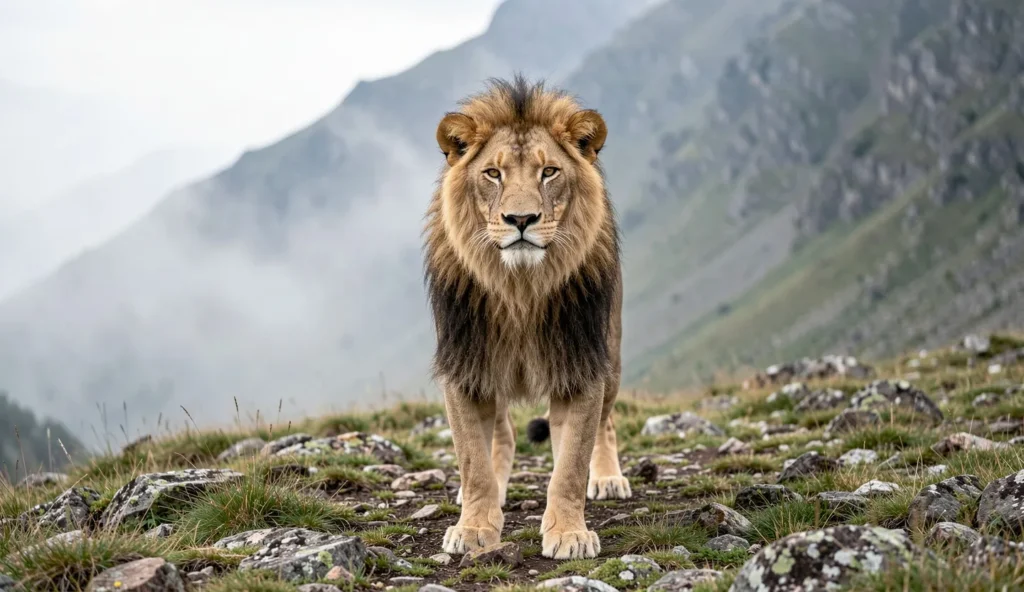
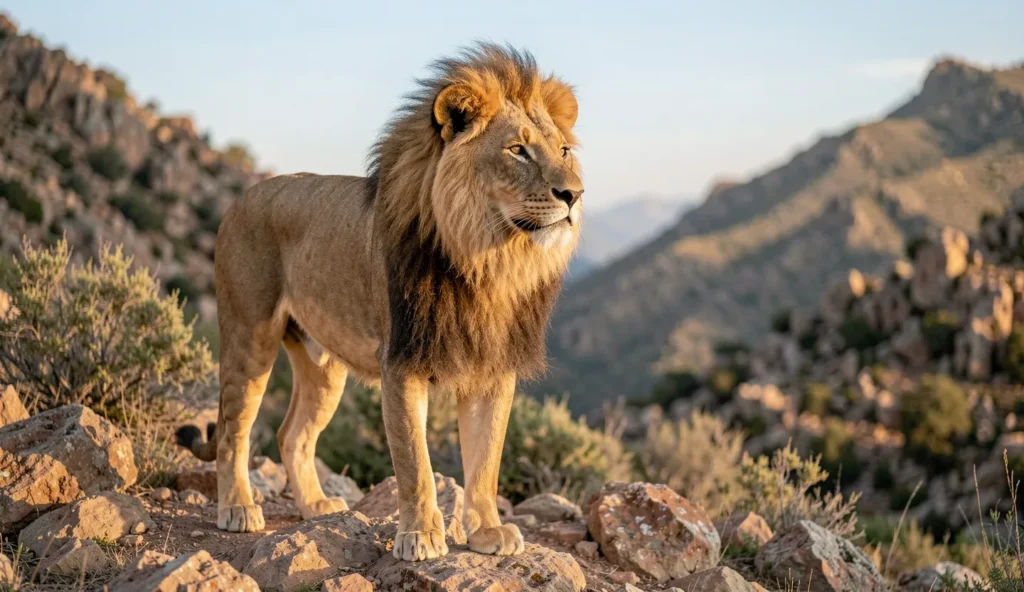
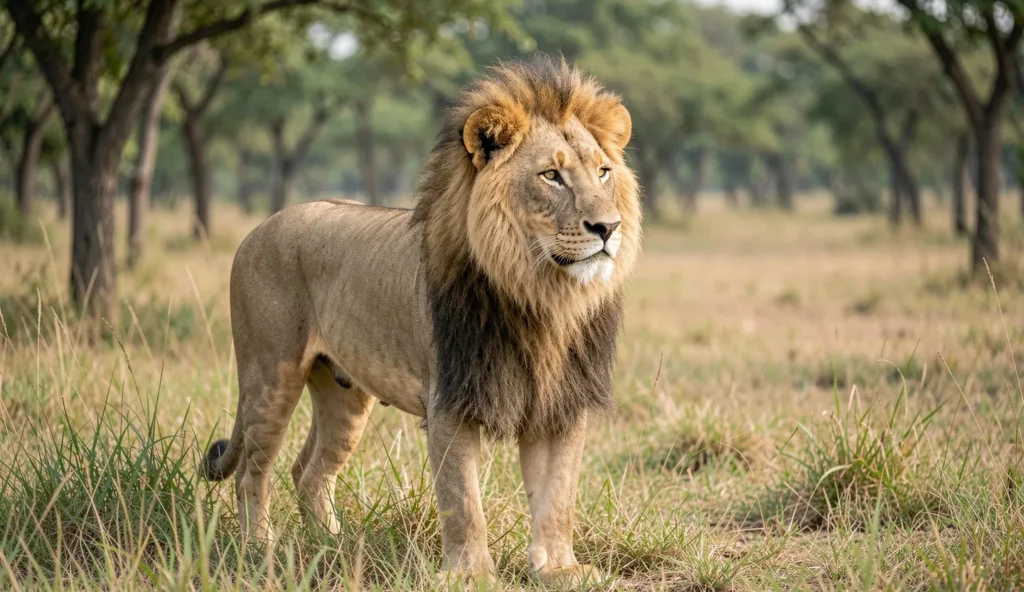
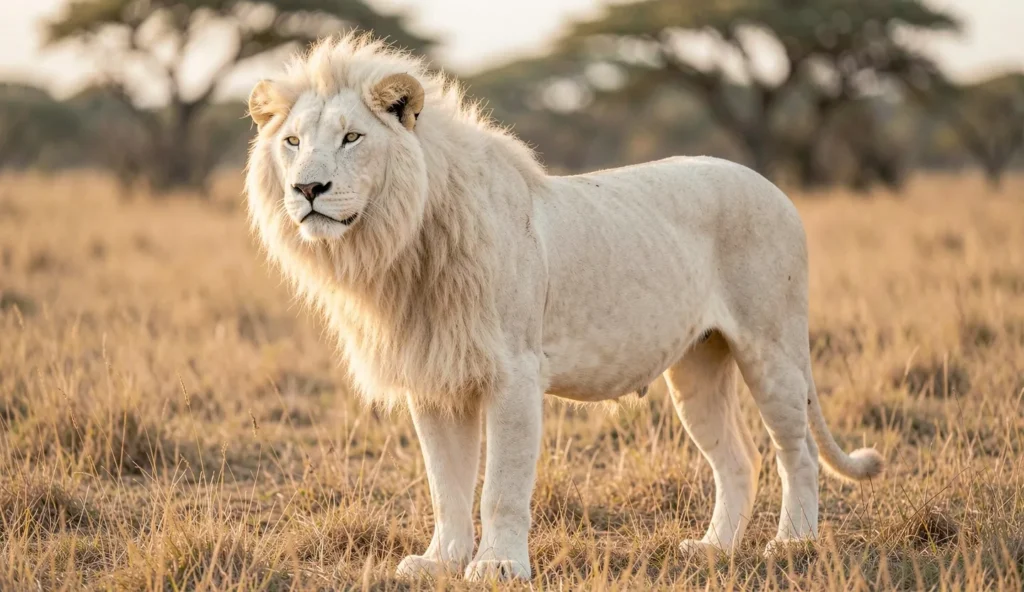
Most observers notice coat tone first, then mane color and eye color details. Even when the term is “white lion breed,” the coat often looks creamy rather than pure white.
Photographers also need to expect variation, since lighting and coat condition can change how pale the animal looks. Understanding common traits helps with field notes and consistent camera settings.
Coat Color Range From Cream To Pale White
White lions can display a spectrum of cream, pale gold, and near-white tones. The coat may include subtle shading, especially along the back, shoulders, and mane area.
Lighting can shift perception, so the same animal might look darker indoors or brighter under direct sun. Coat condition also changes tone, so healthy fur often looks more even.
Mane Color, Body Fur, And Skin Pigmentation
The mane often appears lighter than the rest of the body fur, but it still varies by individual. Some lions show a noticeably pale mane, while others look creamier with less contrast.
Skin pigmentation can differ from fur tone, since reduced pigment can affect visible coloration across tissues. That means “white” may show as pale fur over pigment rather than total absence.
Eye Color Differences And What Photographers Should Expect
Eye color can fall within typical lion ranges, though some individuals appear lighter or more striking due to overall contrast. Eye tone often becomes more noticeable when the coat is very pale.
For consistent photos, adjust exposure based on the lion’s coat brightness rather than guessing. Age and coat density can also influence what looks “lighter” in images.
Roar And Body Type Are Typical Lion Features
White lions still follow the usual lion body structure and movement patterns. The color morph does not create a different species, different size category, or a new anatomy.
Behavior also stays within typical lion ranges, including social signals for pride settings. That matters when interpreting videos, since people sometimes assume the color implies temperament changes.
Genetic Basis Of The White Lion Color Morph
The genetic basis behind the White lion breed involves reduced pigmentation. In many discussions, this gets described as leucism, which affects how much pigment appears in hair and skin.
Because the trait is linked to rare alleles, inheritance outcomes can look unpredictable at first. Still, the patterns can be understood in plain language without complex diagrams.
Leucism Explained In Simple Terms
Leucism refers to reduced pigment in fur and skin, which can produce a paler coat. It differs from albinism in how pigment gets reduced across systems, so the overall appearance and health considerations may not match.
In a leucism-linked coat color morph, some pigments may still exist, just at lower levels. That is why many white lions look cream to pale gold rather than fully lacking pigment.
How A Rare Genetic Trait Can Appear In Lions
A rare genetic trait can show up when the right alleles appear together in offspring. Not every animal carrying relevant alleles will display the full pale phenotype, which helps explain low rates in the wild.
Chance plays a role when breeding pairs have mixed genetic backgrounds. For breeders and observers, this means “carrier” animals can exist without obvious signs.
Why Two Different Colors Can Produce White Lion Cubs
White lion cubs can be born even when one or both parents do not look pale. This happens when both parents carry alleles linked to reduced pigmentation that combine in the offspring.
Because inheritance involves probability, litter outcomes can vary across pregnancies. In practice, responsible programs track lineage and outcomes rather than treating every pairing as a guaranteed result.
Genetic Testing And What It Can Tell Breeders
Genetic testing gets discussed in responsible breeding programs because it can help confirm or support pedigree records. Still, testing has limits when results do not fully predict visible outcomes in every individual.
Record keeping matters as much as lab work, since field observations and lineage documentation shape interpretation. That approach also reduces overpromising about future pale-coat offspring.
For readers interested in broader lion genetics comparisons, a reference point can help. Articles on African Lion provide useful context on baseline lion traits before focusing on color morphs like leucism.
Captivity Can Increase Visibility Of The Trait
Selective breeding can increase the frequency of a visible trait in captive populations. That does not mean the trait becomes common in the wild, since the genetic pool and environmental pressures differ.
Ethical breeding aims for welfare, genetic diversity, and careful planning rather than appearance alone. This is also where captive breeding records can become an important part of transparency.
Temperament And Behavior In White Lions
Color morph alone does not determine lion temperament, so expectations should stay grounded in typical lion behavior. The White lion breed label describes coat coloration, not personality.
Even so, temperament differs between individuals, facilities, and handling routines. That is why trained protocols matter more than coat appearance.
Typical Lion Temperament Traits
Lions show social and territorial behaviors that vary by environment and management. In group settings, familiar routines and social bonds influence calmness and activity.
In captive facilities, management focuses on stable boundaries, predictable cues, and controlled exposures. The pale coat does not remove instincts or change how animals respond to perceived threats.
Activity Patterns And Response To Handling
Lions often show bursts of activity followed by rest, which aligns with typical predator energy patterns. Captive schedules try to mirror natural rhythms with enrichment and feeding times.
Handling should remain limited and controlled, because close contact can increase stress and risk. Facilities use professional protocols that prioritize animal welfare and handler safety.
Training Readiness For Captive Settings
Many captive programs use low-stress training methods based on routine and positive reinforcement. The goal focuses on safer husbandry, such as voluntary participation in procedures.
Enrichment and predictable schedules often improve comfort and reduce stress behaviors. Even then, “easy taming” claims do not match real lion care requirements.
Housing Essentials For White Lions In Captivity
Housing requirements follow standard large cat welfare principles, with added attention to comfort for a pale coat. The White lion breed does not require a different housing blueprint, but skin exposure and shade matter.
Safety features also need careful design because strong animals can test barriers. A thoughtful setup reduces injuries and supports daily routines.
Space, Enclosure Design, And Safety Requirements
Secure enclosure design includes adequate space, strong barriers, and safe access procedures. Many facilities use double-entry systems so doors and gates remain controlled.
Staff safety depends on teamwork and clear protocols for any entry or maintenance work. That includes managed workflows that avoid sudden movements near enclosures.
Environmental Enrichment And Enclosure Features
Enrichment supports natural behaviors like foraging, exploration, and climbing or climbing-like movement. Scent-based enrichment can encourage controlled searching rather than pacing.
For repeat use, rotating items helps reduce habituation and keeps enrichment useful over time. Climbing-safe features and stable footing also reduce joint stress during active periods.
Lighting, Temperature, And Skin Protection Considerations
Paler coats can raise questions about sun exposure, because reduced pigment may affect skin comfort. Shade structures, misting options, and heat control improve welfare during warm periods.
Monitoring matters because any skin irritation should trigger prompt evaluation. Environmental adjustments typically work better than relying on assumptions.
Health Monitoring In A Daily Routine
Daily checks help catch changes early, such as reduced appetite or mobility shifts. Body condition scoring and coat condition observation often provide useful trends.
Abnormal signs need rapid vet review, especially if breathing, limping, or lethargy appears. Consistent routines also help keep stress levels lower for the animal.
Diet And Nutrition For White Lions
Diet stays a core part of lion welfare, and coat color does not replace good nutrition. The White lion breed still requires meat-based feeding that supports muscle and overall body condition.
Capable feeding plans often vary by age, health status, and activity levels. Nutrition choices also influence immunity, recovery, and long-term comfort.
Core Feeding Principles For Lions
Lions need meat-based nutrition that matches their natural diet composition. Feeding must support lean muscle maintenance and healthy organ function.
Diets usually differ by age and condition, so a growing animal may receive different portions than an older lion. Health issues can also require veterinary adjustments to prevent wasting or excess weight.
Common Food Components In Captive Diets
Captive diets often include whole carcasses or muscle meat to support chewing and natural feeding behaviors. Organ portions may appear periodically for micronutrient balance.
Supplementation decisions should come from veterinary guidance, since over- or under-supplementing can cause problems. Track feeding outcomes and body condition so adjustments stay evidence-based.
For readers comparing different big cat nutritional frameworks, a helpful baseline can appear through general cat diet discussions. A West African Lion breed profile can also help contextualize why large cat management aims at species-level needs.
Feeding Schedule And Portion Adjustments
Feeding schedules commonly combine scheduled meals with enrichment feeding to keep animals engaged. Portion sizes depend on weight, growth stage, and activity levels.
Overfeeding can lead to obesity, which increases health risks and reduces mobility. Adjustments should follow consistent monitoring rather than daily guesswork.
Hydration And Water Quality
Fresh water access supports normal kidney function and thermoregulation. Water hygiene also affects appetite, since stale water can reduce intake.
Intake monitoring during hot conditions helps detect dehydration early. Staff records often show trends that support better management decisions.
Common Health Issues And Breeding Risks
Health care for the White lion breed focuses on standard lion medicine plus careful skin monitoring. Pigment reduction may influence comfort, but it does not automatically predict disease outcomes for every individual.
Breeding risks also deserve attention, since color interest can push unethical choices. Welfare and genetics should guide decisions every time.
Potential Health Considerations Linked To Pigment Reduction
Reduced pigment may affect skin comfort and sensitivity to sunlight, though evidence can vary across individuals. Veterinary evaluation remains the best way to confirm what the animal needs.
Instead of relying on assumptions, facilities monitor for irritation, dryness, or changes in coat quality. Practical adjustments often include shade management and medical care when needed.
Injury Risk And Enclosure Related Issues
Captive risks can include abrasions, minor cuts, and joint stress from hard surfaces or unstable footing. These issues usually connect to enclosure design and daily movement patterns.
Improving footing, adding stable resting zones, and managing enrichment placement can reduce injury frequency. Training for safe operations also lowers the chance of accidents involving staff and equipment.
Breeding Ethics And Inbreeding Avoidance
Responsible breeding prioritizes genetic diversity, especially when a trait like leucism appears in a limited line. Inbreeding can increase the risk of inherited health issues and reduce overall resilience.
Popular interest can pressure breeding decisions toward visible results rather than welfare outcomes. Professional oversight and careful record keeping help protect both animals and long-term genetic health.
For context on how different lion types get discussed in public education, a comparison can help. Reading about Asiatic Lion provides a contrast in baseline history and conservation framing.
Veterinary Care And Parasite Prevention
Regular examinations and preventive medicine support long-term health. Parasite control often involves scheduled protocols based on the facility environment and veterinary recommendations.
Stress, diet consistency, and hygiene all influence immune function. A structured care plan helps keep health problems from spreading or going unnoticed.
Is A White Lion Breed Right For You
For exotic pet enthusiasts, wildlife photographers, and breeders, a key factor remains legality and facility capability. Lions require specialized environments, experienced staff, and secure infrastructure for safety.
The White lion breed label can attract interest, but ownership is not a casual decision. Understanding legal permits and welfare expectations often comes first.
Best Fit For Wildlife Photographers And Observers
Observation often works best through licensed facilities or permitted viewing programs. That approach reduces risk and improves the accuracy of recorded information.
Photographers can prepare for coat tone variability by reviewing lighting conditions and using consistent exposure settings. Respecting distance and facility rules keeps both animals and people safer.
Lions Need Professional Care And Secure Setups
Lion care requires professional handling protocols and secure barriers that limit unauthorized access. Even trained facilities face risks, so the bar for readiness stays high.
Legal requirements and permits vary by location, and they often demand documented facility design and staffing plans. Any plan should prioritize animal safety and human safety equally.
Breeders Should Focus On Welfare And Genetics
Breeding plans should focus on animal welfare first, then on genetic diversity and health outcomes. The goal should not be limited to the appearance of the color morph.
Tracking pedigrees, documenting health records, and planning responsibly support healthier captive lines. Consulting qualified lion genetics specialists can improve decision quality.
For those comparing captive rarity topics in lion discussions, a useful reference is African Lion background content. It helps place the White lion breed within broader lion care and management contexts.
Starter Checklist For Responsible White Lion Care
A responsible plan helps align facilities, staff, and animal needs before any decision moves forward. The White lion breed requires the same core lion care foundations, plus comfort monitoring related to pale coat coloration.
The following checklist organizes key priorities for breeders and caretakers. Each item supports welfare, safety, and accurate record keeping.
Pre-Ownership Checklist Of Key Requirements
- Legal permits and facility compliance requirements verified
- Secure enclosure plan with safety measures established
- Experienced staff or professional handlers arranged
- Veterinary access and emergency plan confirmed
- Diet plan designed for age and body condition
- Daily enrichment and monitoring routine prepared
- Transport plan with animal welfare safeguards
- Breeding records and genetics documentation set up
When these requirements align, the foundation for daily husbandry becomes much stronger. Tracking coat condition, appetite trends, and behavior keeps management proactive.
It also helps avoid confusion when discussing rare genetic trait outcomes. In public forums, people often mix up color morph expectations and real inheritance results.
Final Note On Learning And Responsible Care
The White lion breed stays a fascinating color morph within lion genetics, shaped by leucism and rare allele inheritance. Responsible care and accurate education keep the focus on welfare, safety, and transparent breeding records.
Frequently Asked Questions
Are White Lions A Separate Subspecies Or Just A Color Morph?
White lions are a coat color morph within Panthera leo and they are not classified as a separate subspecies.
What Genetic Trait Causes The White Lion Coat Color?
The trait links to leucism and reduced pigmentation, and carriers may not show the visible pale coat.
Where Did White Lions Become Well Known In South Africa?
Many reports are associated with the Timbavati region, where sightings helped bring attention to the color morph.
Do White Lions Have Different Health Needs Than Other Lions?
General lion health requirements still apply, with extra attention often needed for skin comfort monitoring.
Why Are White Lion Cubs Considered Rare?
The rare genetic trait does not produce the color morph in every pairing, so chance affects offspring outcomes.
Can Captivity Breeding Increase The Number Of White Lions?
Selective breeding can make the trait more common in captive populations, while ethical breeding and genetic diversity remain essential.
Similar Breeds
Automated internal module. Do not author manually.