What Is A Tsavo Maneless Lion
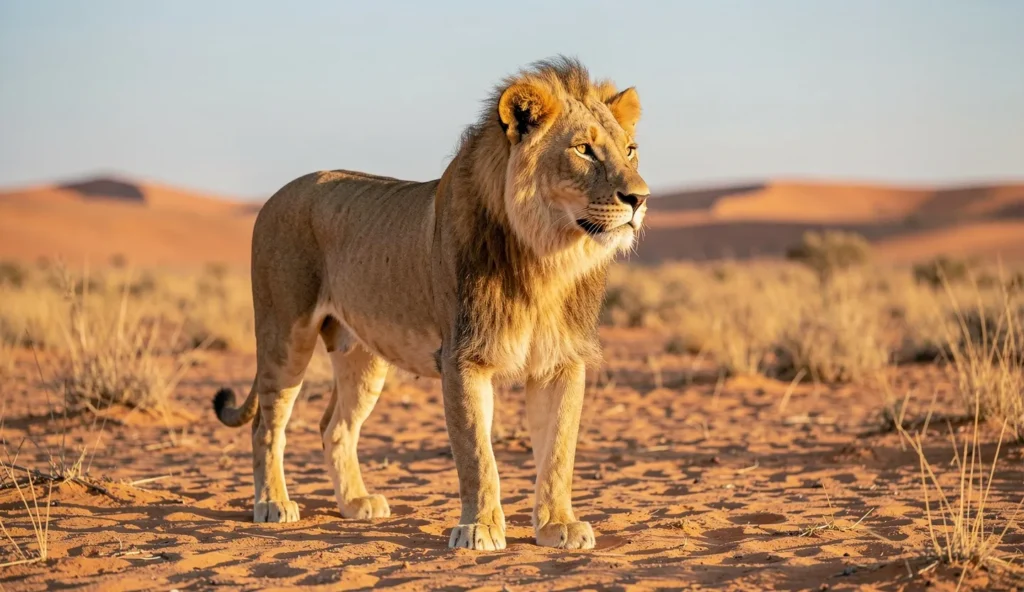
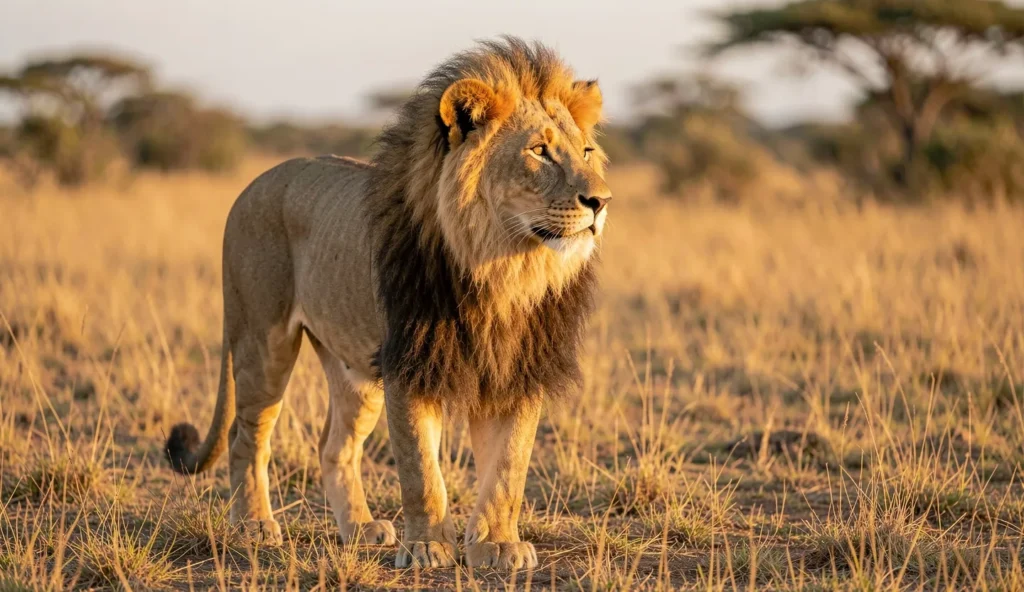
The Tsavo maneless lion refers to a lion population in Kenya known for a reduced or absent mane in adult males. The label focuses on an observable unique phenotype, not a new species or domesticated animal. This population connects to the wider classification Panthera leo, with maneless lion traits showing up in the Tsavo environment. The term also appears in wildlife safari planning materials and field notes from observers.
People sometimes assume “maneless” means every male lacks a mane completely, but that expectation often fails in real sightings. In practice, mane development can vary by age, individual genetics, and local conditions. For readers who want a broader context of African lion variation, it helps to compare with references such as African Lion.
Where The Tsavo Maneless Lion Is Commonly Reported
Reports often link maneless lion traits to Kenya and frequently to Tsavo National Park. Observers usually describe the phenotype as present across open and scrubby landscapes, where lions move between cover and open ground. Because sightings depend on where people position themselves, and on seasonal animal movement, the pattern can feel inconsistent. Still, Tsavo remains one of the most discussed areas for this trait within Panthera leo discussions.
For those comparing lion population genetics, comparing other regional descriptions can clarify how traits vary by environment. For example, some readers also explore Cape Lion for historical accounts of lion populations in South Africa, which helps frame how observers use “type” terms across continents. These comparisons should stay descriptive, since lions remain Panthera leo regardless of the mane pattern.
How Researchers Use The Term Maneless Lion
Researchers and field workers typically use maneless lion to describe reduced mane growth in males. The key detail stays visual and measurable, meaning the neck and shoulder fur coverage differs from typical maned males. Some adults show partial mane development, while others display a more noticeably reduced look. Even within the same region, males can show different degrees of mane reduction as they mature.
In wildlife research, the wording often reflects a trait category rather than a taxonomic claim. That means Tsavo maneless lions still fall under Panthera leo, and documentation focuses on phenotype frequency rather than species splitting. When readers check additional regional records, they often see similar language used for other lion patterns, such as Ethiopian Lion.
What Makes This Mane Pattern Different
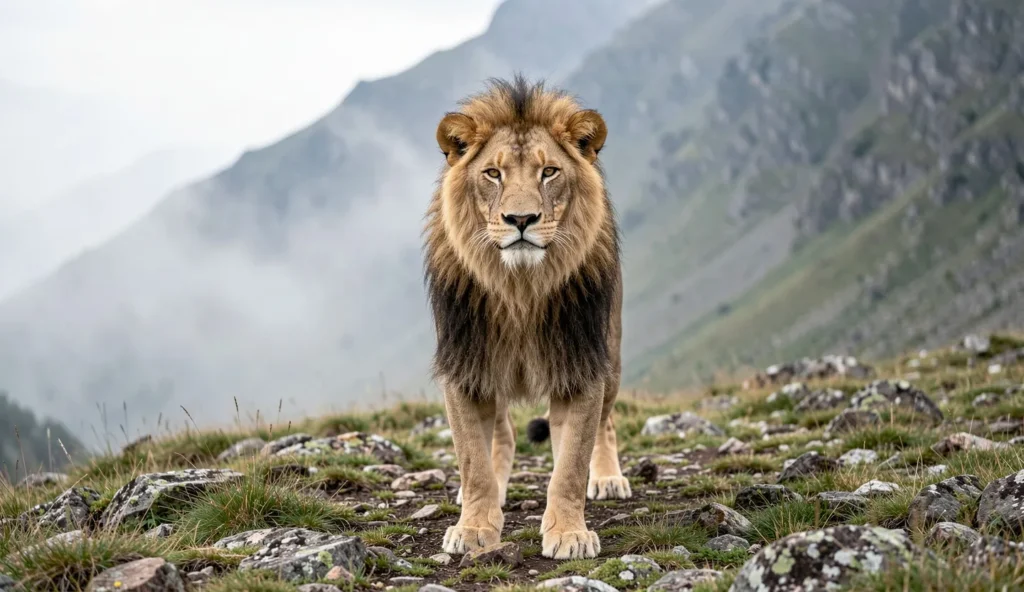
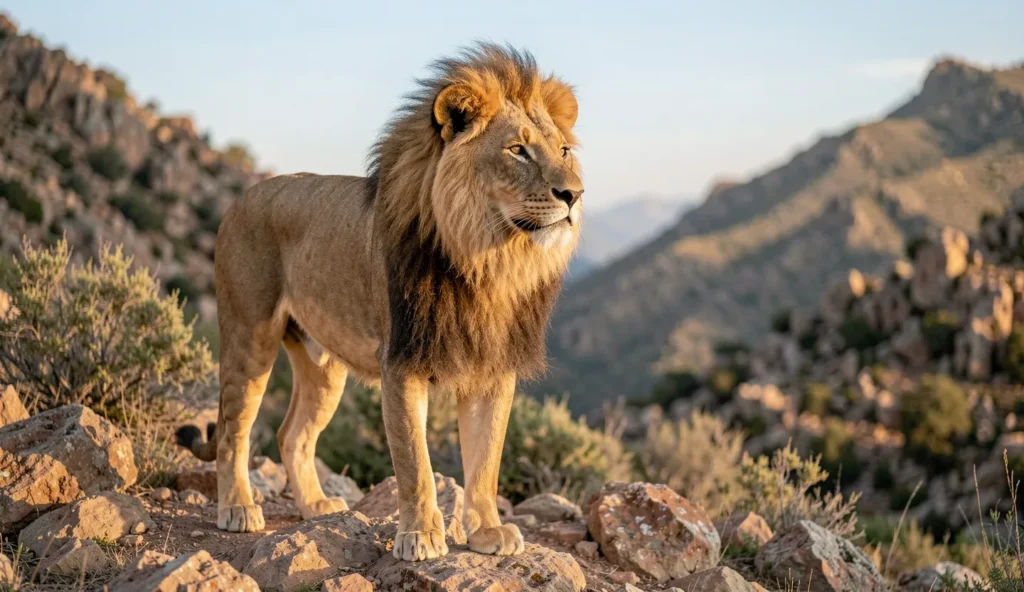
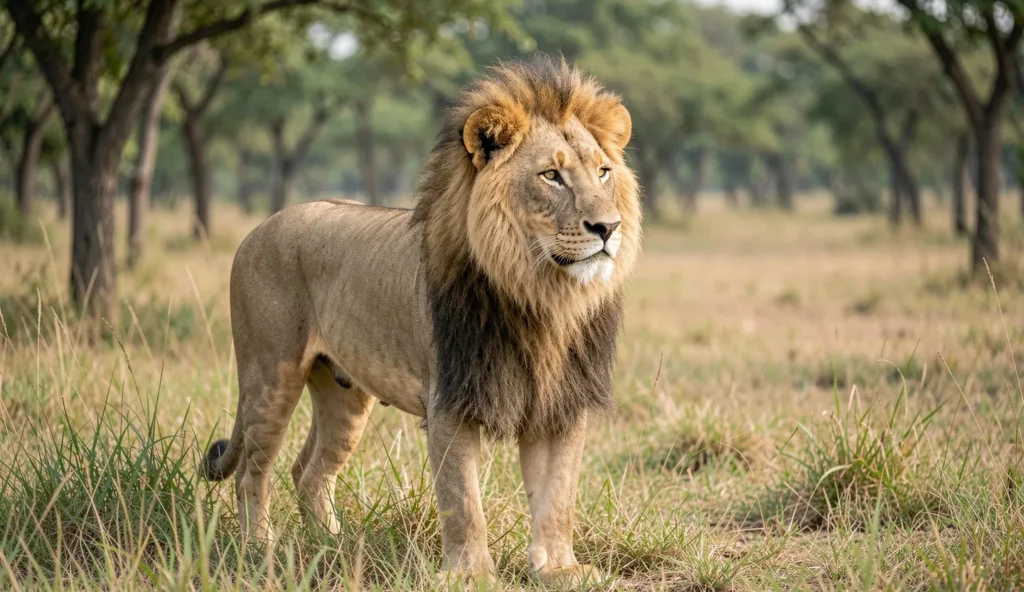
The most visible difference in the Tsavo maneless lion phenotype involves mane size and coverage around the neck and shoulder area. Adult males can appear more streamlined than heavily maned males, while the rest of the body may still look consistent with local lion builds. This unique phenotype can stand out at a distance, especially in bright sunlight. However, it requires careful observation because age changes how mane develops.
Thermoregulation also matters for understanding why mane reduction gets discussed alongside hot climate adaptation. When fur coverage differs, heat retention and comfort can change, which can influence survival and reproduction. As a result, the Tsavo maneless lion label often appears in discussions about how Panthera leo adapts to temperature. To connect phenotype with environment, it also helps to consider work linked to hot conditions in other regions, including Barbary Lion.
Typical Appearance Features In Adult Males
Reduced mane size usually shows up around the neck and the shoulder region in adult males. The head and facial proportions often still read as lion typical, so the overall shape remains familiar. Body size and coat color can resemble other males in the same area, which makes mane reduction the main identifier. In many cases, the less hair around the front neck helps the silhouette look leaner.
Field observers sometimes confuse mane reduction with lighting, angles, or temporary coat changes. The more reliable approach uses repeated sightings of multiple males across days. That method helps separate consistent phenotype traits from short-term appearance variation. For travelers comparing lions in different habitats, it helps to keep species framing in mind, such as when reviewing Asiatic Lion background materials.
Possible Reasons The Mane Is Reduced In Hot Areas
One commonly discussed explanation involves hot climate adaptation, where reduced fur may help lions cool more effectively. Natural selection can favor traits that support survival in high temperatures and dry conditions. That does not mean mane reduction automatically causes better cooling in every case, but it does offer a plausible link between environment and visible traits.
Genetic variation can also contribute, especially when local populations experience different allele frequencies. In this setting, environment and genetics may interact, producing a unique phenotype more often than in cooler regions. When comparing lion population genetics across landscapes, the goal stays descriptive, not speculative. Readers who want another example of genetic and regional framing often start with West African Lion.
Is It Only A Tsavo Phenomenon
Mane reduction gets reported in more than one lion population, so it is not exclusive to Tsavo. Still, Tsavo National Park stays one of the best known regions for this pattern, and it appears often in wildlife safari planning conversations. Habitat and temperature discussions frequently follow because they offer context for why observers might notice such traits more clearly there.
Even with broader reports, the Tsavo maneless lion label remains a useful shorthand for a recognizable phenotype pattern. It also helps keep documentation consistent across guides, reports, and safari logs. For readers who want a comparative baseline of how phenotypes get discussed by region, Ethiopia related descriptions in Ethiopian Lion can help show how “type” language gets used in species-level contexts.
Temperament And Typical Behavior In The Wild
Lions show behavior patterns driven by ecology, social structure, and daily thermoregulation rather than by mane appearance alone. The Tsavo maneless lion phenotype does not automatically imply a distinct temperament. Observers usually see the same broad lion behaviors such as resting, coordinated movement, hunting attempts, and territorial communication. Therefore, safari planning should focus on lion ecology, not on mane as a personality marker.
Also, behavior can shift with prey availability and pride structure, which means interpretation must stay evidence-based. If a safari vehicle spends more time watching one pride, behavior patterns become clearer. When lions remain active during cooler parts of the day, it supports the heat stress context mentioned for hot climate adaptation. That timing can be compared across lion populations described under African Lion materials.
Social Structure And Role Of Males
Lions live in social groups with complex dynamics between males, females, and related coalition patterns. Male behavior often connects to territory use and coalition stability, which affects where males spend time. Mane absence, by itself, does not predict a change in these roles. Field observations usually treat mane pattern as a visual trait, while social behavior follows the pride system.
Because prides vary in size and male composition, two sightings can look very different even when mane reduction is present. That helps explain why some observers remember “maneless” males as calm, while others describe more tension during territorial moments. The best approach stays focused on documented actions such as proximity, vocal response, and movement direction. Those same cues appear across lion population profiles, including those discussed in Masai Lion.
Hunting And Daily Activity Patterns
Lion activity often concentrates around cooler parts of the day, since heat influences movement and comfort. Hunting attempts frequently align with prey behavior, which depends on local food sources and seasonal water access. Thermoregulation can shape rest behavior, including longer pauses in shaded areas. In Tsavo-like settings, the environment can reinforce this timing because open ground warms quickly.
Prey choice stays local, so the Tsavo maneless lion phenotype still hunts using typical lion strategies such as stalking and ambush timing. Mane reduction might interact with comfort during heat, but hunting success depends on many factors including prey density and terrain. When readers compare behavior across regions, they often find patterns align more closely with ecology than with mane. That principle also applies when reviewing descriptions connected to lion habitats described under Cape Lion.
Communication Signals Used By Lions
Communication includes vocalizations that coordinate within prides and across territorial boundaries. Body posture and movement also communicate threat and readiness, including head position and forward motion. Scent marking supports territorial boundaries and helps reduce uncertainty about who occupies a space. Even if a male lion has reduced mane, these signals typically follow the standard lion communication toolkit.
In field settings, the most practical communication cues involve observing repeated patterns rather than single moments. For example, a sequence of vocal calls, followed by repositioning, can show coordination. Scent marking can appear indirectly through behaviors near boundaries and track areas. Those cues matter for safari planners who want to predict where attention should focus.
Habitat And Climate In Tsavo National Park
Tsavo National Park provides the environmental context that makes the Tsavo maneless lion phenotype more noticeable to observers. The area includes open zones and scrubby cover types that influence both movement and hunting approaches. Heat and water access shape where animals spend time, including predator resting sites. For this reason, hot climate adaptation often comes up when discussing mane reduction.
To interpret sightings correctly, habitat matters as much as appearance. A lion in shade may look differently than a lion under direct sun, and lions can change posture when cooling. When readers understand the park setting, they can better connect unique phenotype traits with daily survival needs. Those connections are also relevant when comparing lion regions across Africa, such as summaries associated with Asiatic Lion.
Vegetation, Ground Conditions, And Cover
Tsavo regions often include open areas and scrubby cover types that affect how lions approach prey. Cover availability can shape hunting success because it changes stalking distance and visibility. Ground conditions also influence movement, especially during rest periods when animals select comfortable surfaces. These environmental factors guide where a pride spends the most time.
Cover choices influence how mane reduction appears in photos and live viewing. For instance, a male resting in open ground may show more clear contrast between reduced and typical mane. In contrast, a male under brush can look less defined, even when the mane is still reduced. Therefore, habitat and lighting combine to affect field identification confidence.
Temperature, Heat Stress, And Cooling Options
High temperatures increase heat stress risk, which affects how often lions move and how long they rest. Lions cool through behavioral choices and breathing patterns, along with seeking airflow and shade when available. Fur coverage can influence how comfortable an animal feels in direct sun. As a result, reduced mane or different fur coverage can become more common or more noticeable in hot regions.
This does not mean lions avoid heat entirely, since prey movement forces activity at many hours. Instead, lions often adjust timing to reduce unnecessary exposure. Readers planning wildlife safari planning should expect more sightings near early hours or in zones with shade. That pattern supports the explanation that mane reduction connects to hot climate adaptation pressures.
Water Availability And Its Effect On Activity
Water access helps determine when animals move and feed, which then influences predator hunting opportunities. During drier periods, prey and predators often concentrate around remaining water sources. That concentration can increase encounters and improve sighting frequency for safari groups. Water availability can also affect how lions manage daily temperature exposure.
Mane reduction may interact with water-driven movement patterns, but the link remains indirect. In general, lions still rely on typical survival strategies, including rest breaks and coordinated movement. For readers who want to connect climate-driven behavior across other big cats, White Tiger articles can show how environmental factors shape daily routines. The key is to keep comparisons practical and focused on ecology.
How Tsavo Maneless Lions Compare To Other Lions
Comparison helps readers separate the Tsavo maneless lion phenotype from taxonomic misunderstandings. The mane trait represents variation within the lion species, not a separate domestic line or pet breed. With that framing, field interpretation becomes more accurate for wildlife enthusiasts and safari planners. It also supports research-oriented readers who focus on Panthera leo rather than on species splitting.
In real-world sightings, comparisons also help reduce misidentification. Age, coat grooming effects, and posture can make mane differences look smaller or larger. Therefore, comparison should use multiple cues such as mane coverage and overall build. When readers compare across regions such as Barbary Lion or African Lion, the emphasis stays on trait variation and habitat context.
Are They A Different Species
Tsavo maneless lions remain classified as Panthera leo. The trait gets described as a phenotype within lion populations, and it represents variation rather than a separate species identity. Many differences between lion groups reflect genetics and environment instead of species-level separation. Therefore, descriptions should focus on a unique phenotype seen in Kenya, especially around Tsavo National Park.
Taxonomy often stays stable even when traits vary, and that principle matters for readers who care about correct classification. When people discuss mane absence in lion populations, it should not be treated like a new species announcement. For more examples of how labels get used across lion history, Cape Lion provides useful context for non-technical readers.
How Field Identification Works For Safari Observers
Field identification usually starts with the neck and shoulder area to judge mane development. Age plays a role because males develop mane coverage as they mature, so a younger male may look less maned. Comparing multiple sightings helps avoid labeling juveniles as part of the mature Tsavo maneless lion phenotype. Observers should also confirm that the mane pattern appears consistently across days or within the same area.
Angles and lighting can alter how mane looks, especially when the mane lies flat or stays partly tucked. For that reason, a single snapshot should not become the only evidence. Instead, safari planning should include time for repeated views and different positions. This approach also reduces bias when searching for “maneless” animals in a landscape with mixed male appearances.
What Traits Are More Reliable Than Mane Alone
Reliance on mane alone can create errors, so other cues can strengthen identification. Face shape and overall body build provide additional context, especially when lions show typical lion proportions. Behavior and territorial patterns can also support ID because lions act according to social and ecological constraints. Finally, habitat and location help because the Tsavo National Park association guides expectations.
In practical terms, a good observation compares mane development and posture together. For example, a male standing upright in open ground shows a clearer neck line than a male crouched in shade. Observers can also look for repeated movement near boundaries, since territorial routines tend to recur. This method supports more accurate wildlife documentation for visitors and researchers.
Is The Tsavo Maneless Lion A Suitable Topic For Pet Breed Research
The Tsavo maneless lion is not a pet breed, and it cannot fit the domestic breed framework. Lions belong to wildlife, and maneless lion traits should be studied as a natural phenotype within Panthera leo. Some readers searching for pet breed research may expect a “care guide,” but the appropriate focus stays on wild ecology, behavior, and conservation ethics. That distinction matters for accurate learning.
Domestic breeding relies on controlled mating and selection, while wild phenotypes emerge from population genetics and environmental pressures. A mane trait in Kenya reflects natural variation, not a selectively bred cosmetic characteristic. For that reason, the topic belongs in field ecology and genetics discussions, not in home animal care research. Readers interested in “wild trait” comparisons can also explore Ethiopian Wolf, which highlights how endemism and habitat pressures shape real wildlife variation.
Why Lion Phenotypes Are Not Comparable To Domestic Breeds
Domestic breeding focuses on controlled reproduction and repeated selection, which drives predictable traits. Wild phenotypes arise from population genetics, gene flow, and environment over time. Mane reduction should therefore be treated as a wild trait category, not as a domestic feature. This framing keeps the Tsavo maneless lion discussion scientifically grounded and avoids misleading expectations.
In addition, lions need complex social structures and large territories, which do not translate to pet environments. Even with reduced mane, lions still show typical lion instincts such as territoriality and predatory behavior. Therefore, pet breed research should not treat Panthera leo traits like cat or dog coat patterns. Research that respects species biology stays more useful and accurate.
Ethical And Practical Limits Of Keeping Lions
Lions require large, secure habitats and specialized veterinary support, which private settings typically cannot provide. Their behavioral needs include hunting drive, social cues, and spatial movement patterns that stay difficult to replicate. Legal and ethical frameworks in many regions restrict private ownership of big cats. As a result, any “keeping” discussions should remain theoretical and conservation-focused.
This is also where confusion often appears for pet breed researchers who see a rare phenotype and assume rarity equals suitability. A unique phenotype can increase curiosity, but it does not change the fundamental wild species requirements. Staying realistic supports better research decisions and safer public understanding. Those wanting broader big cat welfare context can use African Lion summaries to see how ecology dominates needs.
What To Focus On Instead For Research And Learning
For readers studying the Tsavo maneless lion, the most useful topics include field ecology, genetics, and habitat adaptation studies. Climate effects on coat traits can also be studied through documentation of phenotype frequency across time. Researchers also track individuals, record sightings, and compare across pride groups rather than treating “maneless” as a single fixed label.
Wildlife safari planning can support learning when it prioritizes observation skills and accurate record-keeping. Visitors who compare sightings to location and age cues can reduce misidentification. That approach helps conservation-minded audiences understand why certain traits become visible in hot climates like Kenya’s Tsavo. When readers keep the Panthera leo classification central, the research remains accurate and grounded.
Final Note
The Tsavo maneless lion highlights how a unique phenotype can emerge and persist within Panthera leo in Kenya’s hot climate environments. When sightings are interpreted through habitat, age, and behavior, mane reduction becomes a clear and factual trait instead of a species claim.
Frequently Asked Questions
Is The Tsavo maneless lion A Different Species Than Panthera leo?
No, it is still classified as Panthera leo.
Why Do Tsavo maneless lions Lack A Mane?
Mane reduction is linked to genetics and hot climate adaptation.
Where Is The Tsavo maneless lion Most Often Reported?
It is commonly associated with Tsavo National Park in Kenya.
Do maneless Male Lions Behave Differently From Other Lions?
Behavior is shaped mainly by ecology and social structure, not mane alone.
Is Mane Development The Same In Every Male Lion In Tsavo?
No, individuals can show different levels of mane reduction.
Final Note
The Tsavo maneless lion phenotype remains a strong example of trait variation tied to local conditions in Kenya.