What Is An Elephantnose Fish
The elephantnose fish is Gnathonemus petersii, a mormyrid that uses weak electric pulses to explore its surroundings. This weakly electric behavior matters in aquariums because it depends on stable water, suitable substrate, and low disturbance during night activity.
Advanced hobbyists often choose this species for its sensing style rather than flashy colors, and correct setup supports both comfort and feeding reliability.
Species Overview And Common Names
Gnathonemus petersii is the scientific name most keepers rely on for accurate identification. The common name elephantnose fish matches the noticeable nose extension that gives the fish its look.
This mormyrid is also sold under local or store names, but the core needs stay tied to its weakly electric biology.
How Weak Electric Signals Support Daily Life
Weak electric pulses help the fish scan nearby objects and interpret changes in the environment. In low light, the sensing system supports consistent behavior even when vision plays a smaller role.
Stable water chemistry helps the fish keep normal scanning patterns and respond to feeding cues at night.
Appearance And Physical Traits To Look For
Correct identification starts with body form, movement style, and the shape of the snout. Elephantnose fish often look subdued during the day, but healthy individuals still show coordinated positioning and controlled scanning.
These traits matter because tank issues can change how the fish moves, especially when electric signals become unreliable.
Body Shape And Movement
The body typically stays streamlined, with swimming that looks slow and deliberate. Most individuals position near the bottom or mid-water depending on lighting and cover availability.
Movement may shift as electric scanning changes the fish’s immediate route, so abrupt listless hovering often signals stress.
Distinguishing Features And Size Range
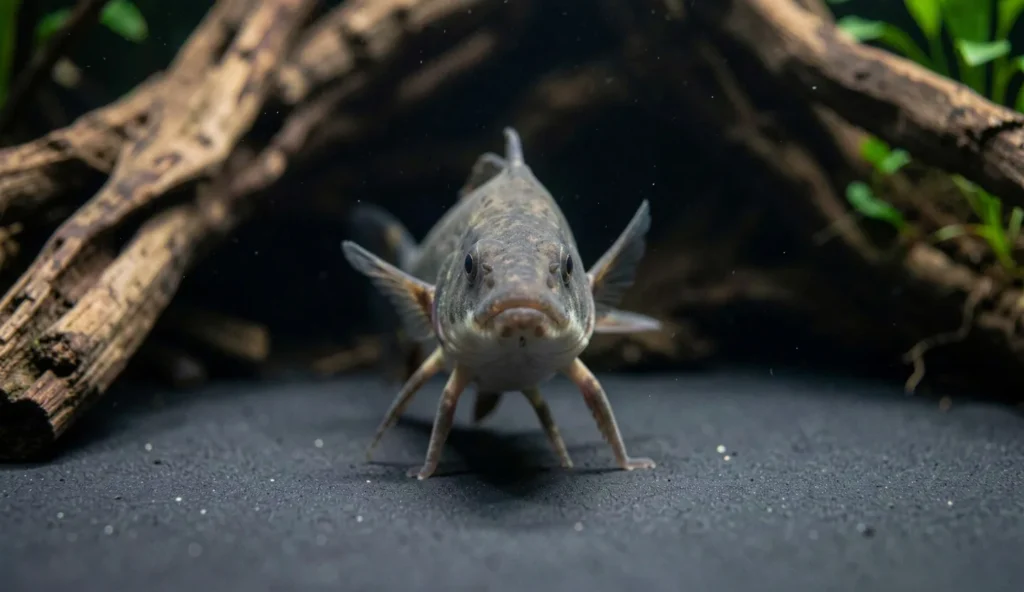
A prominent nose extension gives the species its recognizable elephantnose look. Adults usually reach a moderate size for aquarium groups, and size depends on maturity and diet consistency.
Healthy fish show smooth electric scanning with steady posture instead of constant clamping to one spot.
Temperament And Nocturnal Feeding Patterns
Elephantnose fish tend to prefer calm tank conditions and predictable routines. This nocturnal species often becomes active after lights dim, so feeding schedules and lighting control directly affect success.
Because it relies on weakly electric scanning, tankmate behavior can shape whether normal foraging happens.
Social Behavior And Stress Signals
Compatibility matters, and this fish generally does best with tankmates that leave space for scanning. Stress can appear as extra hiding, reduced evening movement, or delayed feeding response.
When aggressive fish block routes, normal electric exploration becomes harder, and feeding problems can follow.
Nocturnal Routine And Light Management
Elephantnose fish commonly shift activity after lights dim or when the room light drops. Dim, indirect lighting supports natural behavior, while bright tank conditions can suppress movement.
Feeding after lights dim often improves the chance that the fish will locate and eat food.
Feeding Response Linked To Electric Scanning
Foraging depends on reliable electric cues and a stable environment that supports normal scanning. Hand-feeding often underperforms because food may not sit in the fish’s chosen scanning zone.
If uneaten food builds after dark, water quality can decline and suppress future night activity.
Housing Essentials For Soft Water And Hiding Spots
A strong elephantnose fish setup uses soft water, gentle flow, and multiple hiding zones. These weakly electric mormyrids need space to scan, and they also need cover that supports comfort during their inactive hours.
When the environment stays predictable, electric signals translate into confident movement and steady feeding.
Tank Size And Layout For Electric Field Use
A larger footprint helps because electric scanning benefits from more usable space. Cramped layouts reduce foraging area and often increase competition for the few safe zones available.
Multiple safe zones let each fish choose a position that matches cover and travel routes.
Water Parameters For Stability And Weakly Electric Performance
Soft water typically supports the natural comfort needs of Gnathonemus petersii and helps avoid chronic stress. Temperature should remain stable, with minimal swings that can disrupt normal activity timing.
Filtration should keep water clear without creating strong direct blasts that push the fish away from safe scanning spots.
Substrate, Plants, And Cover Types
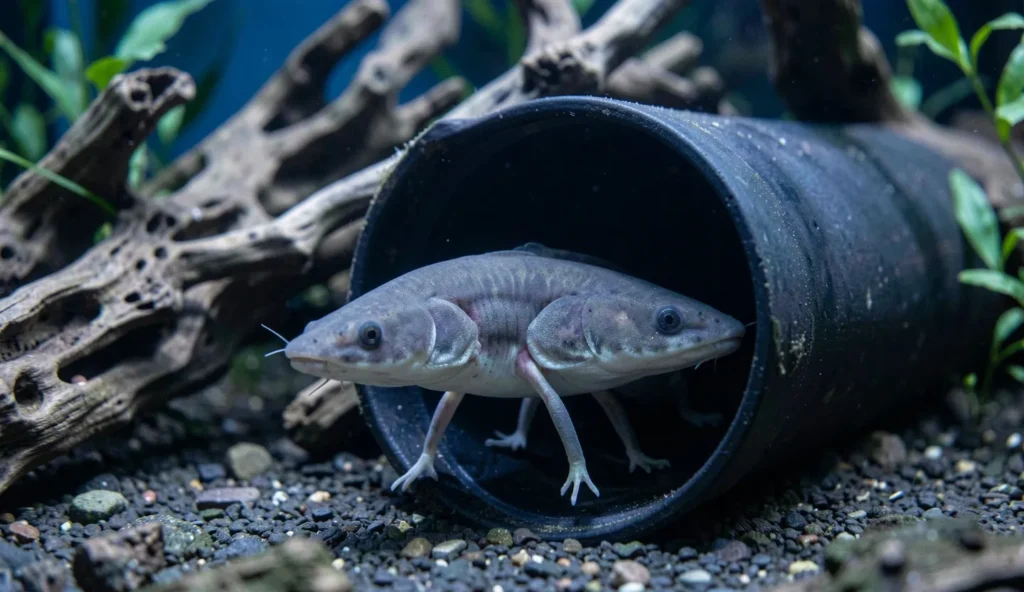
Smooth substrate reduces the risk of abrasion during probing and reduces stress when the fish moves close to the bottom. Cover such as driftwood, caves, and dense plants creates hiding options and supports normal nocturnal behavior.
Plant choices should tolerate the same water chemistry and lighting schedule to keep the tank stable.
Lighting Strategy And Feeding Windows
Low to dim lighting helps match activity timing, and feeding becomes more reliable after lights dim. Frequent rearranging interrupts established routes and can leave the fish uncertain about where food and cover are located.
To support weak electric scanning, keep routes and décor consistent for several weeks.
For keepers also managing other aquarium fish, matching schooling behavior can reduce overall tank stress; reading about neon tetra schooling behavior can help balance group-based dynamics when planning tankmates. Meanwhile, comparing a hardy substrate and routine like a zebra danio setup can help reduce water-quality swings that sometimes affect more sensitive species.
Diet And Nutrition For Nocturnal Foragers
Elephantnose fish eat best when food stays accessible in their night activity zones. A protein-rich diet supports growth and consistent electric scanning because the fish needs energy for nocturnal movement and foraging.
Diet planning also protects water quality, which directly affects weakly electric health and behavior.
Best Food Options And Feeding Methods
Meaty, protein-rich foods work well for nocturnal foragers, especially sinking options that reach the bottom cleanly. Feeding methods that target hiding zones can be more successful than open-water floating foods.
When consistent schedules exist, food placement becomes easier because the fish learns routes using weak electric pulses.
Feeding Frequency And Portion Control
Feeding on a consistent schedule reduces missed cues and supports a predictable night routine. Portions should match body condition and eating speed, since uneaten food can accumulate quickly in low-light conditions.
Leftovers should be removed promptly to protect water stability and reduce stress on the fish.
Signs Of Poor Diet Or Feeding Problems
Reduced evening activity can indicate inadequate nutrition or disrupted conditions that affect electric scanning. Weight loss or a long refusal to feed often follows prolonged diet mismatch or chronic water stress.
Cloudy water after feeding frequently suggests overfeeding, which can worsen health outcomes over time.
Some electric-fish keepers also explore other species and color genetics for broader knowledge, and learning about electric blue acara color genetics can clarify how diet and stability influence coloration. This kind of comparison supports better feeding decisions across multiple tank inhabitants.
Common Health Issues And How To Prevent Them
Elephantnose fish can be sensitive to unstable water conditions, especially when stress interferes with weak electric scanning. Preventive care focuses on stability, clean water, and minimizing disruptive handling.
Because the fish relies on consistent environmental cues, problems often show up as behavior changes before obvious physical signs appear.
Water Quality Problems That Affect Weakly Electric Fish
Sudden changes in chemistry can disrupt normal scanning behavior and increase disease risk. Poor stability can also reduce appetite, since the fish struggles to interpret its environment accurately.
Regular testing helps prevent gradual deterioration that may not be obvious during routine checks.
Stress Related Symptoms In Nocturnal Fish
Excessive hiding and reduced feeding may indicate chronic stress rather than a short-term disturbance. Aggressive tankmates can cause long-term behavioral suppression, especially during nighttime foraging.
Handling and rapid acclimation can also delay recovery, so acclimation should stay careful and unhurried.
Disease Prevention And Quarantine Practices
Quarantine new fish helps reduce parasite introduction and supports accurate observation before full tank placement. After quarantine, observing eating behavior after lights dim can reveal early problems tied to stress or nutrition.
A medication approach should avoid unnecessary swings in water chemistry unless truly required, since instability can add pressure to weakly electric systems.
When planning for species that use special respiratory or sensing systems, understanding paradise fish labyrinth organ basics can also highlight why oxygen availability and stress management matter across aquarium fish types. That knowledge supports stronger prevention habits even when species are not closely related.
Breeding Basics For Advanced Hobbyists
Breeding Gnathonemus petersii requires stable conditions and careful monitoring rather than quick attempts. For advanced hobbyists, success often depends on reducing stress and keeping routines consistent.
Electric fish keepers also watch behavior closely because nocturnal cues influence feeding and pairing decisions.
What Typically Matters For Breeding Attempts
Stable water conditions and low stress support natural reproductive behavior. Reliable cover and undisturbed nocturnal routines also help, since the fish depend on predictable routes and scanning patterns.
Pairing requires monitoring for aggression and consistent food access so both fish can maintain normal nighttime feeding.
Starter Checklist For New Owners Setup That Supports Weak Electric Signals
This checklist focuses on the specific needs of elephantnose fish and helps advanced hobbyists set up for stable, low-stress scanning. Each item supports weakly electric behavior, nocturnal feeding success, and safer long-term health.
Before adding the fish, verify the plan supports soft water stability, cover availability, and gentle flow throughout the day and night.
Core Setup Steps For A Stable Nocturnal Aquarium
- Target soft water values and keep them stable day to day.
- Use smooth substrate to reduce probing injury risk.
- Add caves and dense cover for hiding zones during day.
- Set low to dim lighting that matches night activity timing.
- Choose compatible tankmates that do not block foraging routes.
- Prepare protein-rich sinking foods for night feeding.
- Maintain gentle filtration with no strong direct jets.
- Plan quarantine for new arrivals to reduce disease introduction.
With these basics in place, elephantnose fish can maintain consistent scanning and a reliable evening routine.
FAQs: Elephantnose Fish And Weak Electric Care
How Does The Elephantnose Fish Use Weak Electric Signals In The Aquarium?
It generates weak pulses that help scan nearby objects, and stable conditions support consistent scanning and feeding behavior.
What Water Type Works Best For Elephantnose Fish?
Soft water typically supports the best comfort and stable behavior, while avoiding large chemistry swings reduces stress.
Why Do Elephantnose Fish Hide Most Of The Day?
They are nocturnal and prefer cover under dim lighting, but excessive hiding can also indicate stress or tankmate pressure.
What Should Elephantnose Fish Be Fed At Night?
Protein-rich, meaty sinking foods work well for evening feeding, and portions should prevent leftover buildup.
Do Elephantnose Fish Need A Specific Substrate Or Hiding Spots?
Yes, smooth substrate and hiding zones reduce stress during scanning and foraging, which supports reliable nocturnal activity.
How Can Health Problems Show Up In Weakly Electric Mormyrids?
Stress often appears as reduced activity and delayed feeding, while water quality instability can worsen condition over time.
A Stable Setup Helps Weakly Electric Mormyrids Thrive
Consistent water, gentle flow, and dependable hiding zones support normal weak electric scanning and calmer night feeding. When conditions stay predictable, elephantnose fish keep routines that make long-term care more manageable.