What Is A Red Belly Pacu And Why Diet Rumors Spread
The red belly pacu is a South American freshwater fish, often sold under aquarium labels that confuse it with meat-eating relatives. Rumors spread because pacu bodies look similar to piranhas, and some casual videos show fish biting food or tankmates.
Because many people search for piranha-like behavior, they assume a meat-based feeding plan is required. Over time, those assumptions turn into myths, even when the fish’s mouth and natural diet suggest otherwise.
Species Overview And Naming Confusion
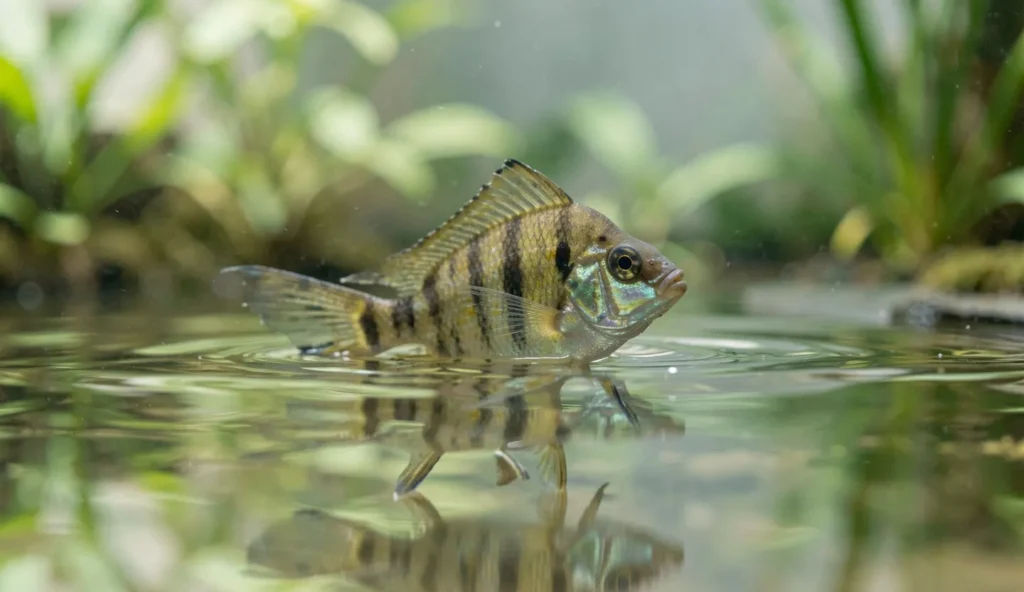
The red belly pacu is Piaractus brachypomus, a species frequently grouped with “piranha” discussions online. Its common name creates expectations that match piranha stereotypes, even though the feeding strategy is different.
In addition, the word “pacu” often appears in the same conversations as “vegetarian piranha.” That phrase can be shortened or repeated without context, which makes the diet story easy to misinterpret.
Key Trait That Affects Feeding Expectations
Pacu teeth and jaw shape support crushing and grinding, which fits plant and hard foods. This anatomy helps explain why the fish can process seeds, nuts, and fibrous material.
In the wild, red belly pacu behavior aligns with fruit and plant matter feeding rather than daily hunting. When aquarium keepers see nibbling, they often misread it as predation.
Why Nibbling Looks Like Meat Eating
Fish may nip at tankmates during exploratory feeding, especially in busy communities or during feeding rushes. Observers then interpret fast mouth movements as “meat time,” even when the fish is sampling.
Stress and hunger also change feeding behavior temporarily, which can make fish more aggressive around food. For accurate red belly pacu diet planning, the goal stays nutrient balance, not just what the mouth grabs.
Is A Red Belly Pacu Truly Vegetarian Or Mostly Omnivore
When keepers ask if a red belly pacu is vegetarian, the useful answer focuses on daily nutrition. Most successful diets stay plant-forward, with protein treated as optional and controlled.
This framing matters because aquarium diet errors show up quickly in waste output and water quality. A stable plant-based routine supports long-term digestion and cleaner filtration in a large tank.
Natural Diet Basics
Wild feeding relies on fruits, seeds, nuts, and plant material that provide fiber and crunchable nutrients. Insects and small invertebrates can appear occasionally, but they do not define the overall pattern.
As a result, the species functions as an herbivore that can opportunistically sample protein. In an aquarium, the diet plan should follow that majority pattern.
What Vegetarian Piranha Really Implies
The phrase “vegetarian piranha” signals plant-focused feeding needs rather than a strict ban on all animal matter. It also emphasizes that plant foods should lead the meal schedule.
While some keepers test meat products, success depends on whether the base diet stays plant-forward. That is where many myths fail, because acceptance does not automatically mean nutritional balance.
Why Occasional Meat Still Can Be Misleading
Some individuals may take meat quickly, particularly if the item smells strong or is offered alongside staples. However, the fish still needs the right fiber and plant nutrient profile for stable digestion.
Long-term feeding drift can also raise waste levels, forcing more frequent water changes. Diet mistakes often appear as cloudy water, higher nitrates, or inconsistent feeding.
Red Belly Pacu Diet Myths That Lead To Poor Health
Several myths push aquarists toward meat-heavy feeding, even when that approach conflicts with how the species typically eats. Those mistakes can impact digestion, reduce water quality, and increase cleaning demands in a large tank.
Myths also ignore that behavior alone does not prove a diet works. Proper feeding should match anatomy, natural patterns, and tank results.
Myth 1 They Need Meat To Stay Healthy
Meat-only or meat-heavy feeding is not required for a healthy red belly pacu diet. Plant-based foods should make up the majority of meals, especially as a daily staple.
Overfeeding protein can increase waste output, which then challenges filtration. If water quality declines, the fish often shows stress before keepers connect it to diet.
Myth 2 Any Meat Is Fine And Increases Growth
Different proteins digest differently, and that difference can affect how quickly waste builds up. High-fat or heavily processed meat can foul water faster than plant-based staples.
Growth depends on balanced nutrition and stable conditions, including temperature, filtration, and consistent feeding. When those basics fail, “more meat” rarely fixes the problem.
For similar tank-management thinking, aquarium keepers often compare feeding loads across species such as an oscar fish, where protein intensity changes waste levels. The same logic applies to maintaining reliable water quality.
Myth 3 Pacu Will Automatically Eat Vegetables
Some fish accept vegetables quickly, but others need gradual introduction. Texture, scent, and food presentation often determine whether the fish takes plant foods.
During acclimation, keepers should offer a consistent schedule and present vegetables at the right size. Sudden switches can reduce intake and increase uneaten leftovers.
Myth 4 Treats Like Shrimp Replace A Proper Diet
Small treats can support variety, but they should not replace plant-forward staple foods. Many keepers turn shrimp into a daily habit, then wonder why the tank starts collecting waste faster.
Treats should be occasional, while base foods do the heavy work for digestion and micronutrients. When the meal plan stays balanced, shrimp becomes an add-on instead of the core.
Myth 5 Feeding Meat Prevents Stress And Aggression
Stress and aggression usually relate to tank size, crowding, and social dynamics more than the protein type. Diet alone rarely fixes the root cause of poor behavior.
Stable feeding timing often reduces competition around food. If fish fight at mealtime, a more structured routine plus adequate space usually improves the outcome.
In large systems, feeding approaches also affect how algae and biofilm behave, and that is why some keepers evaluate cleaning helpers like plecostomus fish. Better planning supports the full tank ecosystem, not just one species.
What To Feed A Red Belly Pacu In A Large Tank
A correct red belly pacu diet plan centers on plant foods that match crushing behavior and provide steady nutrients. In a large tank, the feeding goal also includes keeping leftovers low to protect water quality.
High-quality staples should remain consistent, while produce and textures rotate to prevent boredom. That approach also supports reliable digestion over time.
Best Staple Foods For Herbivorous Diet
Use herbivore or omnivore pellets that list plant ingredients high on the formula. Pellets reduce mess compared with many fresh foods.
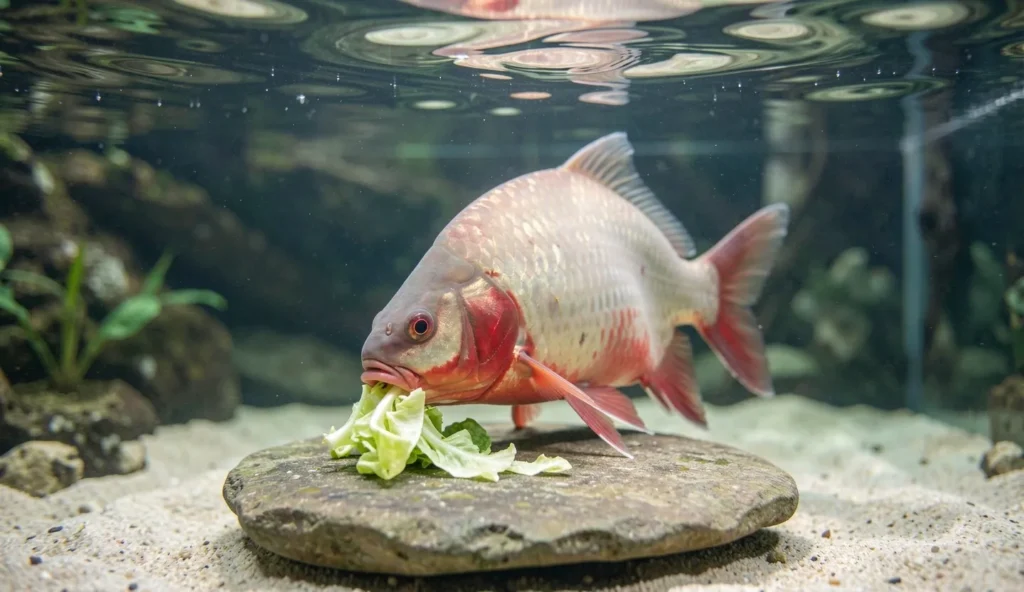
Leafy greens like spinach and lettuce can work in controlled portions, but they should be blanched and removed after feeding. Blanched vegetables such as zucchini and peas also offer variety without heavy sugar.
- Herbivore pellets with plant-based ingredients
- Blanched leafy greens in small measured portions
- Blanched zucchini or cucumber for chewing
- Blanched peas for a firmer texture
- Plant-based staple wafers for steady intake
Fruits And Hard Plant Foods For Natural Style Feeding
Offer fruit pieces like banana or apple occasionally, since sugars can spike waste if used too often. Keep portions small and track how quickly the fish finishes them.
Nuts or seeds can fit a natural style feeding routine, but they must stay limited. Hard foods also help satisfy crushing behavior, which supports normal feeding habits.
When planning hard foods, keep an eye on how other fruit eaters behave, because similar logic applies across aquarium diets such as cherry barb feeding patterns. Portion control still matters even when the food looks “natural.”
How To Introduce New Foods Without Triggering Waste
Introduce new items as small experiments, then observe acceptance and leftovers. Consistent timing helps fish learn feeding cues and reduces frantic scavenging.
Remove uneaten portions promptly to limit nutrient buildup. Rotating vegetables and pellet brands also helps avoid a narrow diet that later causes refusal.
Feeding Frequency And Portion Sizes
Young red belly pacu typically benefit from smaller, more frequent meals. Adults usually do better with fewer feedings based on appetite and stable growth.
The best target is quick consumption and minimal uneaten food. If uneaten pellets or produce remains, reduce the next portion and review whether the fish prefers the offered texture.
Feeding plans also connect to filtration planning, and that is why large-system keepers often cross-check tank capacity when managing feeding loads like those seen with arapaima fish. The principle stays the same even for different species.
How To Balance Plant Diet With Occasional Protein
Plant-forward feeding works best for a red belly pacu, but occasional protein can be included safely if it stays secondary. The key is preventing diet drift into the myths that push meat-heavy routines.
When protein appears too often, digestion can change and water quality may deteriorate. A controlled approach helps keep nutrition consistent without triggering unnecessary waste.
When Animal Protein Might Be Acceptable
Occasional protein can be a small supplement, especially when plant staples remain available every day. Treats work best when meals stay mostly herbivorous.
For most keepers, the safest routine keeps protein items limited and uses them only after the fish reliably eats staples. That way, protein never becomes the “main meal” by accident.
Safer Protein Options And What To Avoid
If animal protein is offered, use small portions of appropriate sources rather than fatty or heavily processed meats. Avoid salty or greasy items that can increase fouling and waste.
Protein should be skipped if waste and water quality decline after introduction. That monitoring step often prevents repeated mistakes.
Food compatibility also matters in mixed communities, and some keepers compare feeding demands with fish like corydoras catfish. Different species use different zones, so uneaten food can accumulate if portions are too large.
Signs The Diet Needs Adjustment
Loose stool, frequent regurgitation, or rapid decline in interest can indicate diet mismatch. Rapid water fouling also suggests the food type or portion size needs adjustment.
If interest in staple pellets drops, reintroduce the base diet slowly. Gradual changes usually work better than switching abruptly.
Starter Checklist For Red Belly Pacu Diet Planning
A strong feeding routine reduces diet confusion and supports stable water quality in a large tank. This checklist turns herbivorous feeding facts into a practical setup for everyday success.
Good planning also makes it easier to track what works for the specific fish, since individual preferences vary.
Daily Feeding Setup
Keep staple pellets or plant-based base foods ready so the fish always has a reliable option. Prepare blanched or chopped vegetables for portion control.
- Stock herbivore pellets as the daily base
- Blanch leafy greens before serving
- Chop vegetables into bite-size pieces
- Offer fruit only as an occasional add-on
- Remove leftovers within a reasonable time window
Weekly Food Rotation
Rotate leafy greens, vegetables, and plant-based pellets to keep intake steady. Small fruit portions can add variety without replacing staples.
Occasional protein can stay limited if tank conditions remain stable and digestion looks normal. If waste spikes, pause protein and return to a strict plant-forward routine.
Water Quality And Tank Support
Strong filtration helps handle plant and pellet waste loads, especially when feeding frequency is high. Maintain a consistent feeding schedule to avoid sudden waste spikes.
After diet changes, monitor ammonia and nitrates for early warning signs. In a large system, consistent testing usually prevents long-term problems before they become obvious.
If tank setup supports the fish, even high-waste feeders can be managed more predictably, which is why some keepers reference feeding compatibility when comparing other omnivore types like platy fish. Diet planning across species still follows the same water-quality logic.
Frequently Asked Questions
Do Red Belly Pacu Need Meat Every Day?
No, plant-based foods should be the daily staple.
Can A Red Belly Pacu Live On Vegetables Alone?
Yes, with a balanced mix of safe vegetables and plant-forward pellets.
What Vegetables Are Safest For Red Belly Pacu?
Blanched leafy greens and mild vegetables in controlled portions.
How Often Should Red Belly Pacu Be Fed?
Small frequent meals for younger fish and fewer feedings for adults.
Will Feeding Meat Make Red Belly Pacu Grow Faster?
Growth depends on overall nutrition and conditions, not meat-only feeding.
A Final Check On Red Belly Pacu Diet Choices
A plant-forward red belly pacu diet supports healthier digestion and steadier water quality in a large tank. When myths are avoided, feeding becomes predictable and easier to maintain.