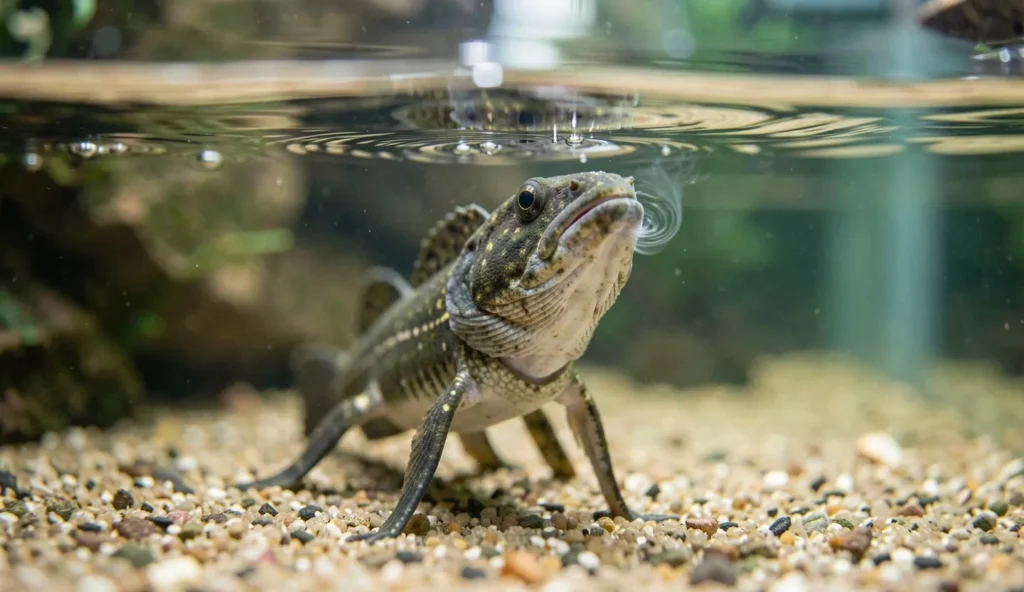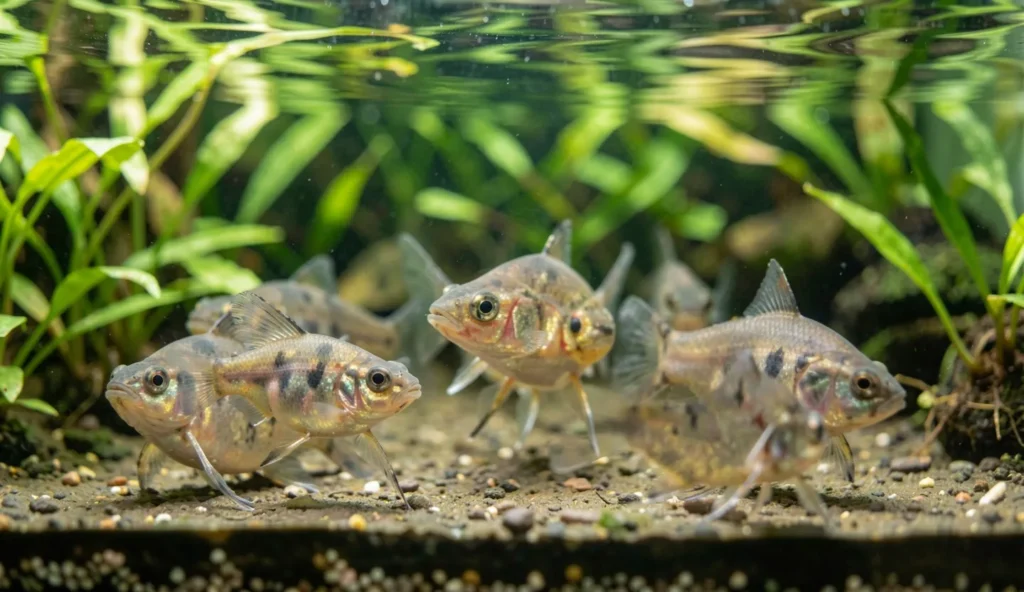
What Are Platy Fish and Why Their Colors Vary
Platy fish are popular livebearing fish known for bold livebearer colors and a wide range of platy color strains. Their Xiphophorus maculatus background and selective breeding explain why colors can look different from tank to tank.
Species Basics
Platy fish are livebearing livebearers related to guppies and swordtails. Their scientific name is Xiphophorus maculatus.
Colors can change across generations because breeders pick specific color lines to reproduce. Over time, those choices shape what hobbyists see as “strains.”
How Color Morphs Work in Simple Terms
Color morphs are inherited color patterns chosen by breeders. Some lines stay fairly consistent, while others show more variation as fish mature.
Crosses between different lines can also produce mixed livebearer colors in offspring. Because of that, strain names do not always predict exact results every time.
Where Platies Fit in a Community Tank
Platies often earn a reputation as easy fish for beginner fish keepers. Calm tank mates help reduce stress, which supports clearer and more stable color.
Good water quality also matters because weak conditions can dull coloration. When the tank stays clean, platies care becomes simpler and color tends to look stronger.
For color-focused stocking ideas, comparing similar livebearers can help, such as reading about Corn Snake patterns as an example of how traits can stay stable with the right line work.
Most Popular Platy Color Strains and What They Look Like
Platy color strains are usually grouped by visible pattern types and base color. While appearance differs, most strains share the same platies care needs and water requirements.
Below are common types found in hobby shops and online listings, along with the look beginners tend to notice first.
Solid Color Strains
Red and orange platies are common and often look bold against typical aquarium décor. Black platies can look nearly uniform depending on the strain.
Yellow platies often appear bright when diet and lighting stay consistent. When stress rises or water quality drops, yellow can look more muted.
Two Tone and Bi Color Patterns
Bicolor platies show two distinct color zones on the body. Some strains separate color by the dorsal area and belly area.
Fins may match the body color or show a contrasting shade. These differences can become clearer as juveniles mature into adult form.
Speckled and Marble Type Strains
Speckled platies display small dots or scattered spots. Marble type patterns create mottled patches across the body.
Pattern intensity can vary even inside the same strain label. That variation often becomes easier to spot after fry grow and settle into their adult pattern.
Dalmatian and High Spot Density Types
High spot density strains show more frequent dark markings. Line breeding can improve consistency of the look.
Color contrast depends on base body color and aquarium lighting. Cooler, dimmer setups can make spots look less defined.
Tuxedo and Dark Fin Types
Dark fin types often show color on dorsal and tail areas. Tuxedo patterns create a dark saddle or head-region effect.
Some tuxedo lines show sharper borders than others. Clear borders usually appear best in tanks with stable water and low aggression.
Caring for Color Across All Strains
All platies care practices support coloration in the same core way, by reducing stress and waste buildup. Clean water and steady temperature help livebearer colors stay visible.
Consistent feeding also supports stronger and clearer coloration. If feeding and maintenance slip, even a solid red strain can look washed out.
For another example of how pattern genetics can affect appearance, hobbyists sometimes compare expectations by reading Milk Snake Colors and Patterns Explained.
How Platy Color Genetics Affect Offspring
When platy fish color strains mix, offspring usually inherit traits from both parents. That inheritance explains why “same strain” purchases can still produce slightly different juvenile looks.
Understanding this makes it easier to plan breeding goals, especially for beginner fish keepers who want specific platy color strains.
Why Mixed Pairings Change the Next Generation
Offspring inherit pattern genes from both parents, so mixed pairings can produce new combinations. That process can lead to variation in base color, spot placement, and border sharpness.
A strain label helps describe the parent lines but does not guarantee identical offspring. Even when adults look similar, genetics can still split into different visible outcomes.
Line Breeding vs Random Mixing
Breeders often use line breeding to keep patterns consistent across generations. Random mixing increases variation and makes offspring outcomes less predictable.
Keeping records, even simple notes on which pair produced which fry group, helps track results. Over time, that routine reduces guesswork.
What Beginners Should Expect When Buying Color Strains
Juveniles may develop stronger pattern clarity as they mature. Color intensity can also change with age and diet quality.
Expect some variation even when parents appear identical. That normal variation helps explain why platies care quality affects the final look.
Tank Setup for Platy Fish Color and Health
A stable tank setup supports both health and color clarity in platy fish. Because livebearing fish reproduce readily, the setup should also handle growth for possible future fry.
Good housing keeps stress low and supports stable livebearer colors across the group.
Best Tank Size and Grouping
Use a tank sized for a group rather than one fish. A small group reduces stress and improves normal swimming behavior.
Keeping both sexes can lead to breeding, so grouping should match the owner’s goals. If breeding is not desired, plan stocking accordingly.
Water Parameters That Support Bright Colors
Stable temperature and clean water help colors stay vivid. A reliable heater and thermometer prevent sudden swings.
Regular partial water changes remove dissolved waste that can dull coloration. When water quality stays steady, platies care becomes more predictable.
Plants, Substrate, and Hiding Places
Live plants give cover and help fry and smaller platies feel secure. That security often reduces chasing and fin stress.
Fine substrate is optional, but it can look natural and tidy. A gentle flow usually works better for young and small fish.
Filtration and Cycling Basics
Filtration supports stable water quality by removing waste before it builds up. A cycled tank reduces harmful spikes that can stress fish.
Choose a flow rate that does not blast small platies. If fry keep hiding in corners, filter output may need adjustment.
Lighting for Natural Color Appearance
Moderate lighting shows colors clearly without stressing fish. Too much light for too long can cause constant hiding behavior.
Consistent lighting supports normal daily activity. When the light schedule is stable, coloration often looks more even across the body.
For keeping other small aquarium animals stable as a comparison, some owners find Axolotl care guidance useful for understanding why stable parameters matter.
Feeding Platy Fish for Strong Livebearer Colors
Feeding drives growth, health, and the visible strength of livebearer colors. For platy fish, a reliable daily base diet helps prevent nutrient gaps that can affect how color looks.
When feeding habits stay consistent, platies care becomes easier to maintain.
What to Feed Daily
Use a quality flake or micro pellet as the base food. Feed small amounts that fish finish quickly.
Rotating foods helps prevent picky eating and supports a more complete nutrient profile. Even easy fish benefit from variety within reason.
Protein and Color Support Foods
Offer frozen or live foods in moderation to add protein variety. Brine shrimp and daphnia are common options.
Vegetable matter can help balance the diet and improve digestion. A balanced diet supports better overall condition, which often makes color look cleaner.
Feeding Tips for Fry and Pregnant Females
Fry need smaller foods or crushed flakes to eat reliably. Pregnant females do well with steady feeding rather than large, irregular meals.
Remove uneaten food to keep water clean. Cleaner water protects both fry survival and the look of adult fish.
Common Feeding Mistakes That Dull Colors
Overfeeding increases waste, which quickly harms water quality. Poor water conditions often make platies look dull even if the diet seems “rich.”
Single food diets may reduce vibrancy over time. Irregular feeding can also raise stress in community tank platies.
If broader community planning matters, owners sometimes compare temperament expectations by reading about Ball Python care as a model of why stability reduces health issues.
Common Health Issues in Platy Fish and Color Related Red Flags
Platy fish are hardy, but common problems still show up, especially when tanks stay dirty or overcrowded. Color changes often act as an early warning sign before more obvious symptoms appear.
Routine checks help catch issues early and protect livebearer colors.
Routine Checks for Healthy Fish
Check appetite and swimming behavior, and confirm fins look intact. Clear eyes and steady movement usually indicate good condition.
Watch for rapid breathing near the surface. When breathing changes, water quality or oxygen levels often need attention.
Top Health Problems Beginners See
Ich can show as small white spots on the body and fins. Fin rot often appears as frayed or receding fin edges.
Bacterial infections can follow stress or poor water quality. Because stress reduces immune strength, preventing stress supports better long-term color.
When Colors Change for Reasons Beyond Genetics
Dull coloration often follows stress or unstable water parameters. Fading can also relate to a diet that lacks key nutrients.
Clamped fins can occur with illness or aggressive tank mates. When fin damage appears, the pattern often looks worse even if genes stay the same.
Beginner Friendly Prevention Steps
Quarantine new fish to reduce disease introduction risk. Maintain a cycled tank and do regular partial water changes.
Avoid sudden temperature shifts during water changes. Sudden changes can stress fish quickly, even in well-established tanks.
Starter Checklist for New Color Enthusiasts
- Choose a cycled tank and keep temperature stable.
- Start with a balanced group to reduce chasing.
- Feed quality base food daily and add occasional variety.
- Monitor water parameters and waste levels weekly.
- Separate pairs if maintaining a specific platy color strain matters.
To avoid surprises with color expectations, it helps to remember how genetics work, which makes reading Spotted Python Care and Breeding Tips a useful general reminder of line consistency.
Is a Platy Fish Right for Someone Who Loves Color
Platy fish fit hobbyists who want visible variety and relatively simple day-to-day care. Their easy fish reputation comes from hardiness when water quality stays stable.
Color enthusiasts also enjoy livebearing because fry grow and show developing patterns over time. Still, pattern variation can happen even within the same platy genetics label.
Best Reasons to Choose Platies
- They are generally easy fish to care for in a stable tank.
- Color strains create visible variety for beginner fish keepers.
- Livebearing adds interest as young fish show patterns.
Things to Plan Before Buying
Plan tank space for growth if breeding occurs. Choose compatible tank mates to prevent stress and color fading.
Expect some pattern variation even when parents look identical. That is part of how platy fish traits express across generations.
Frequently Asked Questions
What Are The Most Common Platy Fish Color Strains?
Solid red, orange, black, and yellow strains are common, and bicolor, speckled, marble, and high spot density types are popular.
Do Platy Fish Colors Stay The Same After Birth?
Juveniles can look different from adults as they mature, and diet and stress can also affect color clarity.
Will Breeding Different Platy Color Strains Create Mixed Colors?
Offspring inherit pattern traits from both parents, and mixed pairings can produce new combinations and more variation.
How Can Beginners Keep Platy Fish Colors Looking Bright?
Maintain stable water quality with regular partial water changes and feed a quality base diet with occasional protein variety.
Final Note
Platy fish reward steady care, clean water, and consistent feeding with stronger livebearer colors. With the right setup, platies care supports both health and the look of platy color strains.