What Is A Mudskipper Fish
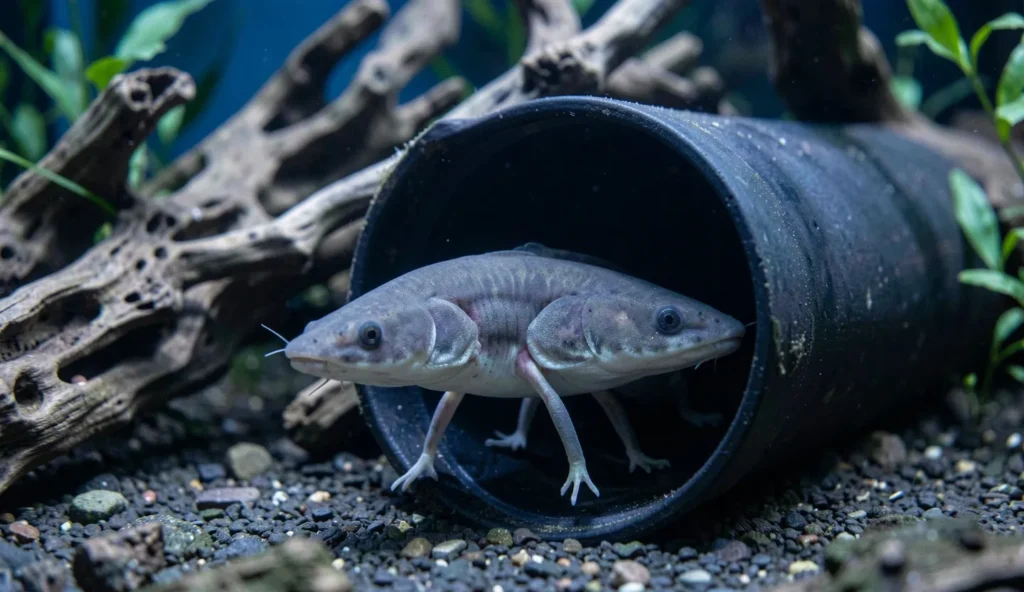
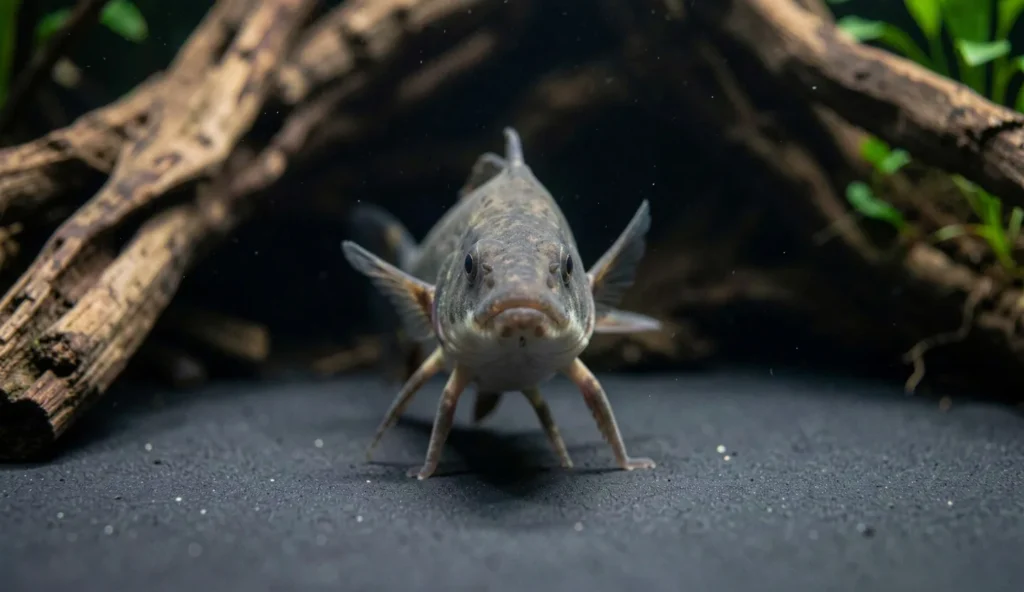
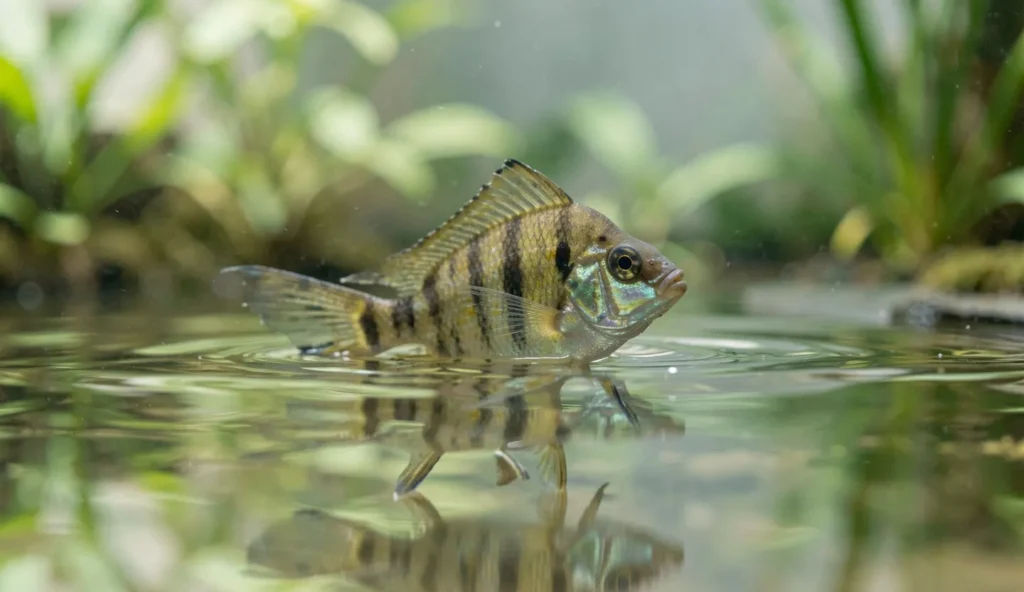
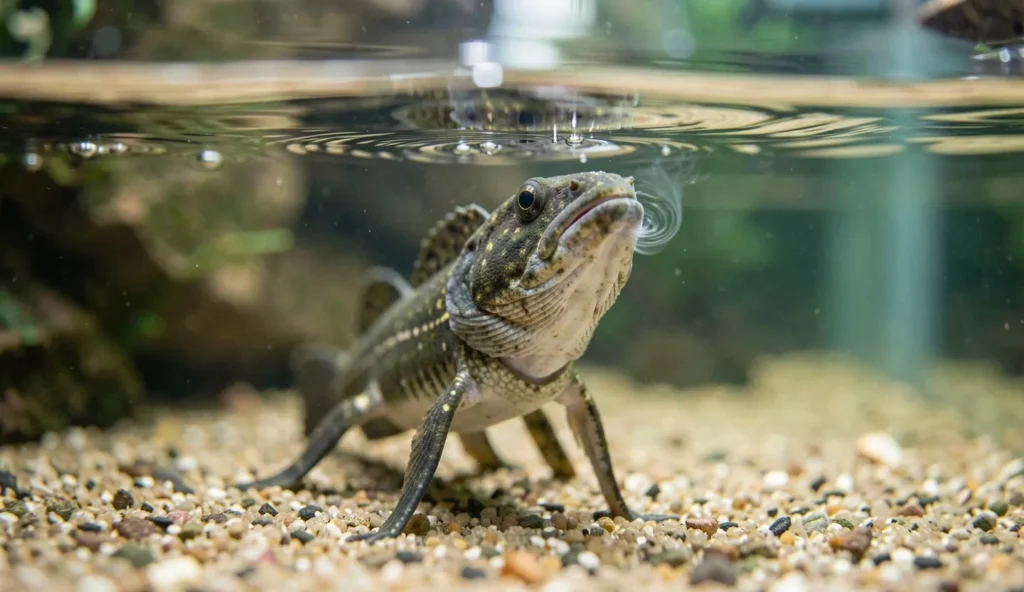
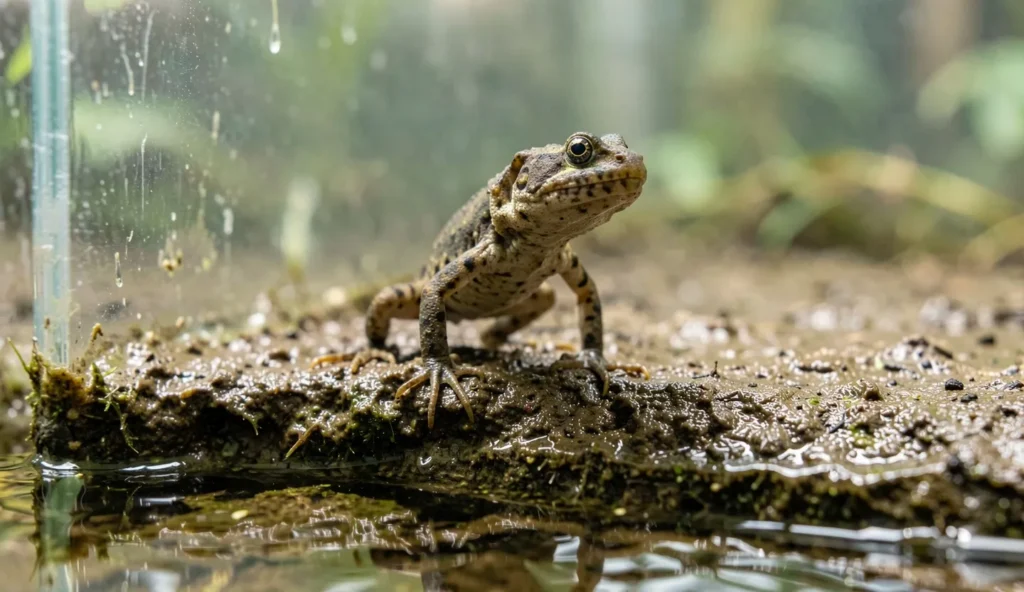
Mudskipper fish are amphibious brackish fish from coastal mud and tidal flats, known for leaving the water to breathe and rest. They belong to Oxudercinae and are often called walking fish because they can move across land.
Most species live where water levels change daily, so their bodies handle both wet and damp conditions. This makes them ideal for paludarium builders who can maintain a stable wet dry habitat.
Mudskippers Belong To The Oxudercinae Family
Mudskippers sit within the Oxudercinae group of amphibious fish. Their body traits support life in shallow coastal habitats, where mud and water overlap.
They often spend time near the waterline, then move onto land when the tide or conditions favor it. That behavior shapes daily care, especially when the dry zone must stay properly moist.
Why Mudskippers Need Land And Water Together
Mudskippers use land time to rest and maintain air-breathing cycles. For that reason, mudskipper fish care depends on both a wet zone and a dry zone.
A paludarium supports natural transitions, which lowers stress compared with setups that only mimic water. Builders who set up the waterline correctly usually see steadier activity and safer land movement.
What Makes Mudskipper Fish Breathe Air
Mudskipper fish breathe air through specialized surfaces that support gas exchange outside water. This breathing ability does not mean they can handle fully dry conditions.
Instead, the habitat must keep surfaces damp so oxygen intake stays efficient. When humidity drops too far, the fish usually becomes less active.
Air Breathing Using Modified Respiratory Surfaces
Mudskippers can take oxygen from air when exposed above the water surface. Moist areas help support normal breathing by keeping respiratory surfaces functioning.
Because dampness matters, builders often design the dry zone as a humid resting area. That design also supports the daily rhythm of out-of-water pauses.
How Gills And Skin Work Together During Low Water Activity
Gills help during surface pauses, while skin moisture supports respiration when the fish stays out longer. If surfaces dry out, oxygen intake becomes less reliable.
As a result, a stable wet dry transition matters more than just having a land platform. Even small shifts in humidity can change how often the fish returns to the waterline.
How Breathing Behavior Affects Habitat Requirements
Land area needs steady humidity for comfortable breathing, especially under strong lighting. Waterline stability also supports safe transitions between wet and dry zones.
At the same time, adequate aeration supports oxygen levels in the water zone. Proper balance reduces stress during active land periods.
How Mudskippers Move On Land
Mudskipper fish move on land using body motion and strong control to grip the substrate. Their ability to travel depends on traction and safe landing areas.
Builders who manage ramp angles and surface texture usually reduce slipping. That setup helps keep the fish stable while it searches for food.
Strong Lateral Movement And Gripping Surfaces
Mudskippers use lateral movement to propel themselves on land. Textured substrates provide traction and help the fish brace during turns and short climbs.
Ramps, platforms, and shore areas should avoid slick materials. If the surface stays too smooth, injuries and repeated failed grip attempts can follow.
Why Their Landing And Resting Spots Matter
Resting reduces stress and supports normal breathing cycles. Uneven edges and unstable platforms can increase injury risk during land movement.
Secure, textured resting spots help the fish perform consistent activity. Over time, stable spots often become the favorite anchor points near the waterline.
What A Mudskipper Paludarium Needs
A successful paludarium for mudskipper fish combines escape-proof design with stable brackish conditions. It also includes land surfaces that remain moist enough for air breathing.
These choices often determine whether the fish stays active or repeatedly hides. For rare fish collectors, a well-planned waterline usually saves time during troubleshooting.
Tank Shape And Escape Prevention
A tight-lidded setup prevents jumping and keeps the fish from drying out. The footprint should support both shallow swimming and easy access to dry platforms.
Plan viewing so the waterline area remains visible during routine checks. Escape prevention should be handled before adding decorations or ramps.
Water Zone Depth And Salinity Goals
Most species require brackish fish conditions instead of fully freshwater. Shallow water helps movement between the wet zone and the dry zone.
Keep salinity stable and clean, since fluctuating parameters stress gill tissues. When filtration and maintenance are consistent, breathing stays less strained.
For collectors comparing hardy brackish-focused fish options, reviews of similar setups can help with planning. The experience gained from housing tougher pond fish can also guide maintenance routines for a brackish paludarium.
Dry Zone Substrate And Humidity Control
The dry zone should stay moist enough to support respiration and reduce stress. Substrate should hold shape and support natural behaviors like digging or burrowing.
Avoid fully baked, fully dry areas because the fish cannot sustain safe breathing there. Many builders use layered materials so moisture reaches the top without pooling.
Filtration, Water Flow, And Aeration Balance
Strong flow can stress an amphibious fish, especially when it pushes water over the land. Use filtration that keeps water clean without blasting the resting platforms.
Aeration improves oxygen in the water zone, but it should not create a harsh surge. If the waterline becomes too turbulent, the fish usually avoids surface transitions.
Lighting, Temperature, And Cover Spots
Lighting supports day activity and helps maintain stable heating across the paludarium. Temperature should match the species from the supplier, since mudskippers differ by region.
Provide cover spots and visual breaks so the fish can rest securely. During feeding or maintenance, cover areas help reduce sudden stress reactions.
Plants, Driftwood, And Safe Surfaces
Plant choices should tolerate brackish conditions and repeated wet dry exposure. Surfaces must stay safe when the fish repeatedly rises, presses down, then returns to water.
Avoid sharp edges on rocks and hardscape because mudskippers brace with front limbs. Soft, stable materials reduce friction injuries during daily movement.
When planning hardscape, safe surface selection parallels the care used with other bottom grazers. For example, understanding how algae feeders use surfaces can guide rock placement in the same workflow as a plecostomus fish style tank layout.
How To Feed Mudskipper Fish
Feeding mudskipper fish requires food types that stay workable during out-of-water time. Diet also needs to match the species size and how quickly the fish grabs on land.
Because waste can foul damp substrates, feeding methods must limit leftovers. Proper feeding supports stable activity without creating odor or irritation.
Best Food Types For Brackish Amphibious Fish
Offer protein-rich live or frozen foods and use small pieces that the fish can grab on land. Removing leftovers quickly reduces waste and helps keep the dry zone cleaner.
Common feeder categories include brine shrimp, small crustaceans, and chopped frozen foods sized to mouth width. Many collectors also rotate foods to prevent picky refusal.
Feeding Schedule And Portion Size
Feed at times when the fish is actively out of water, since it usually targets food on the land side. Start with small portions and adjust based on appetite over several days.
Consistent feeding times can reduce stress during humidity changes. When feeding stays predictable, the fish typically returns to the same waterline routine.
Hydration And Waterline Feeding Tips
Keep transitions between zones easy so the fish does not struggle during short jumps. Avoid foods that cloud water or create heavy residue near the dry substrate.
Maintaining clean water supports regular health monitoring, since irritated gill tissue may appear quickly. Builders can also use structured water checks similar to those used for tough community species, which helps catch issues early.
For instance, feeding and waste control in livebearer tanks often shows how quickly leftovers impact water chemistry, a point seen with swordtail fish feeding and breeding routines. That same discipline helps keep brackish paludarium water stable between cleanings.
Common Health Issues And How To Prevent Them
Health problems in mudskipper fish setups usually connect to dry zone moisture, water quality, or substrate injury. Amphibious fish often show stress through behavior before visible symptoms appear.
Prevention depends on careful daily checks and fast parameter correction when anything shifts. Collectors who track humidity and salinity usually spot early changes sooner.
Stress From Incorrect Dry Zone Moisture
Overly dry land can reduce breathing efficiency and lead to weakness. Sudden habitat changes increase stress and can cause longer inactive periods.
Stable humidity helps reduce weakness and supports normal gripping behavior. If the fish spends long stretches avoiding the land, moisture levels usually deserve immediate review.
Water Quality Problems In Brackish Setups
Poor filtration increases toxins and can irritate breathing surfaces. High waste loads also raise the risk of gill stress in brackish conditions.
Regular maintenance keeps water parameters stable and reduces irritation. In practice, quick testing after each cleaning cycle helps confirm the system stays predictable.
Collectors who already manage hardy outdoor species may recognize the value of stable parameters learned from shubunkin goldfish pond care. That same stability thinking transfers well to brackish paludariums with daily humidity swings.
Skin Irritation And Substrate Injury
Rough or abrasive surfaces can cause sores and rubbing damage. Sharp hardscape also increases friction injuries during land movement and landings.
Soft, stable substrate supports safer movement and reduces repeated skin trauma. Regularly check platforms for rough spots created by erosion or mineral buildup.
Signs Of Illness That Need Fast Action
Reduced time out of water can indicate breathing stress or discomfort near the waterline. Clamped posture, lack of grip, or unusual stillness can signal illness rather than normal resting.
Immediate parameter checks help rule out water problems and confirm whether humidity or salinity needs adjustment. When stress causes rapid decline, acting quickly usually matters most.
Is A Mudskipper Fish Right For A Paludarium Builder
Mudskipper fish suit builders who can control land moisture and keep brackish water stable. The setup demands daily attention to the wet dry transition and escape prevention.
Collectors also need comfort with routine monitoring because amphibious fish reflect changes quickly. That makes them a better fit for prepared systems rather than temporary setups.
Best Fit For Builders With Habitat Control
A successful paludarium setup requires land moisture management plus consistent brackish water stability. Collectors should be comfortable with regular checks of salinity, temperature, and humidity.
If the habitat can be maintained without large swings, the fish usually adapts more steadily. Quiet maintenance routines also reduce daily disruption near the waterline.
Common Fit Issues To Consider Before Buying
Skipping escape-proof planning often leads to losses, since mudskippers can jump during active periods. Underpowered filtration can also trigger water quality crashes that harm gills.
Inadequate surfaces increase injury risk during land movement. For example, slick ramps or unstable platforms can cause slips that make breathing harder.
Starter Checklist For A New Mudskipper Setup
Use this checklist to confirm the core setup items before the fish arrives. Each item supports either escape prevention, safe breathing, or clean water control.
- Escape-proof lid and secure land access
- Shallow brackish water zone with stable salinity
- Dry zone substrate that stays properly moist
- Aeration and filtration sized for water volume
- Textured platforms and ramps for traction
- Protein-rich food plan using small bite sizes
- Quick maintenance routine for waste removal
When these items are ready, the paludarium aligns with mudskipper fish amphibious adaptations. That alignment makes daily care simpler and more consistent for rare fish collectors.
Frequently Asked Questions
Do Mudskipper Fish Need A Paludarium?
They require both land and water for normal behavior.
Can Mudskipper Fish Live In Freshwater?
Most species need brackish water conditions.
How Often Should Mudskipper Fish Be Fed?
Small frequent feedings help match active out of water behavior.
Why Is The Dry Zone Moisture Important?
Moist surfaces support air-breathing and reduce stress.
Final Note
Mudskipper fish thrive when a paludarium maintains humidity, brackish water stability, and safe land traction. With consistent setup and monitoring, amphibious behavior becomes easier to manage.