What Is Ghost Knifefish
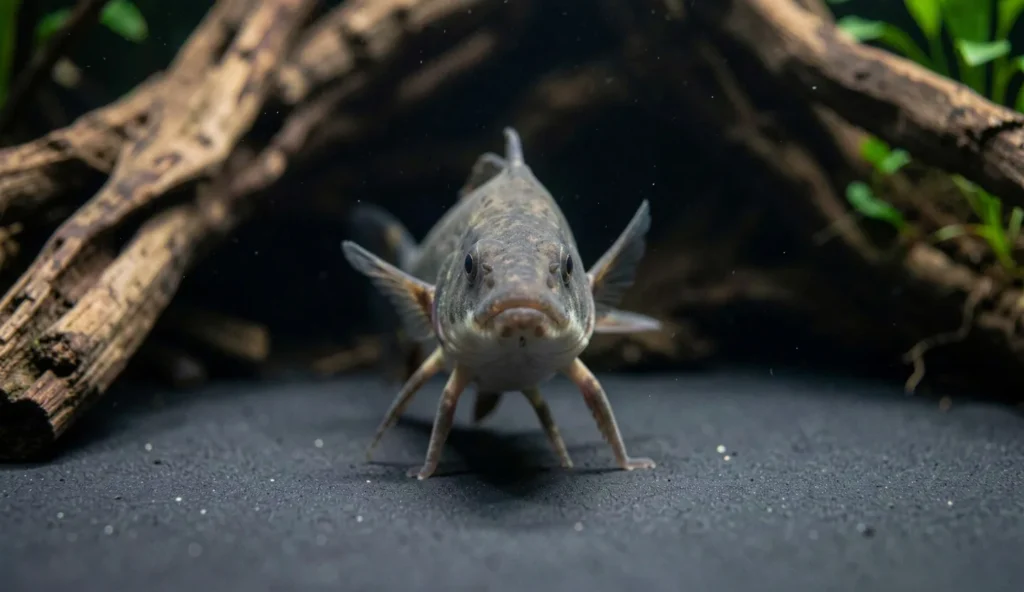
The ghost knifefish, scientifically known as Apteronotus albifrons, is a South American electric fish known for nocturnal activity. In the aquarium trade, it may also appear as the black ghost knife and it relies on weak electric signals for navigation.
Because this species prefers low-risk movement and quiet feeding, it often does best in advanced, well-planned setups. Many keepers focus on electric fish care first, then match the tank to the shy routine of this fish.
Species Identification and Common Names
Ghost knifefish are sold under two common names, including black ghost knife, and they belong to the electric fish group. The species is identified as Apteronotus albifrons and it shows a smooth, flattened, ribbon-like body shape.
Adult size varies based on diet, stable water, and long-term conditions. A mature ghost knifefish typically reaches a size that makes steady midwater space and tube hides necessary for calm movement.
Why Their Night Behavior Matters
Ghost knifefish are most active during dark hours and they use dim light periods to explore. When daytime light levels stay too bright, the fish may hide without eating, which can be mistaken for illness.
Feeding timing needs to match active periods so food reaches the hide exit area. Dim lighting reduces stress and it helps the fish complete normal foraging behaviors.
Appearance And Physical Features That Affect Care
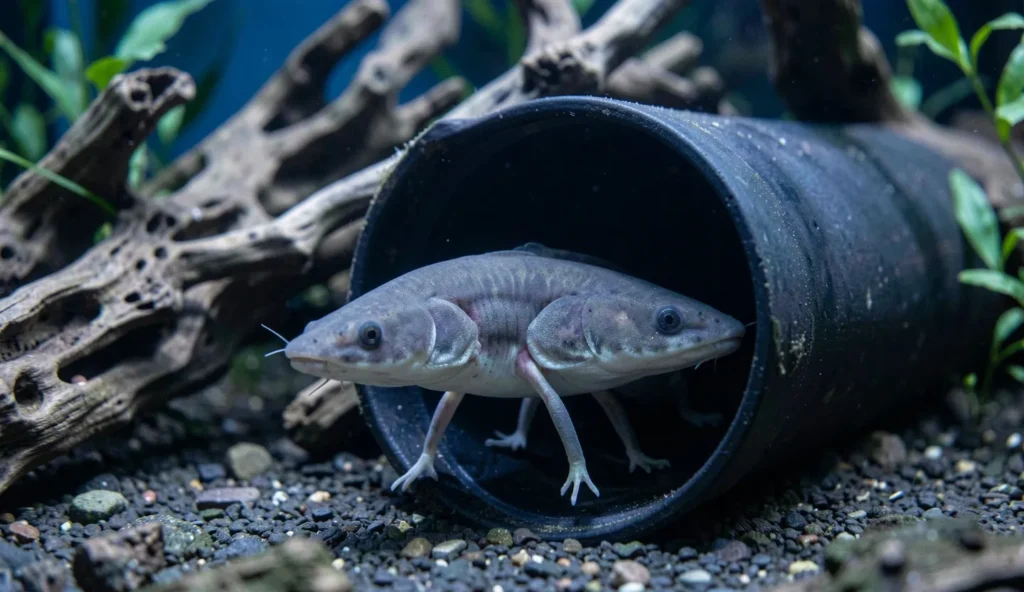
Several body traits directly shape ghost knifefish care, especially how it swims and how it uses tube hides. The flattened, knife-like profile supports slow, controlled gliding that works best with open space between cover points.
In addition, the electric fish lifestyle influences how stress affects behavior. When the fish feels unsafe, its normal exploratory movements often drop quickly.
Body Shape and Locomotion
Ghost knifefish use slow, controlled swimming along tank lanes rather than rapid bursts. Tube hides should be arranged with open routes so the fish can enter, exit, and hover comfortably.
In tight spaces, the fish may angle forward and retreat face-first when alarmed. If tankmates chase, the ghost knifefish can develop chronic hiding and it may stop feeding.
Color and Surface Texture
Dark body tones blend into dim environments, which supports camouflage during night activity. Lighting intensity can change perceived contrast, so stable lighting helps keep the fish calm.
Healthy skin should look intact with no ragged edges, torn areas, or persistent discoloration. When surface condition worsens, a setup review usually improves recovery faster than repeated handling.
Electric Fish Basics Without Misconceptions
Ghost knifefish use weak electric signals to map nearby objects and to detect feeding cues in the water. Electric signaling does not replace correct diet or water quality.
If oxygen drops or stress increases, normal exploration and feeding often slow down. No special substrate is required for electric function, but stable, clean conditions support normal behavior.
Nocturnal Behavior Patterns in a Home Aquarium
Reading ghost knifefish nocturnal behavior helps prevent incorrect assumptions about health. Proper observation focuses on light transitions, hide use, and whether food reaches the hide exit area.
At night, the fish typically shows smooth, steady movement that indicates confidence. During the day, safe hiding is not always a problem, but forced hiding can become one.
How Ghost Knifefish Behaves During Lights On
During bright periods, ghost knifefish often stay inside tube hides and may face inward or remain still. A brief hover near an intake or shaded plant area can happen, but repeated daytime darting usually signals poor security.
Refusing food during bright hours can be normal when feeding timing does not align with active behavior. When refusal persists into the early night window, stress or incompatible tankmates often explain the change.
What Healthy Night Activity Looks Like
When lights dim, healthy ghost knifefish typically explore from tube hides shortly after the light level drops. Slow gliding along tank edges and midwater often appears as the fish moves between cover options.
Feeding usually looks opportunistic, especially when sinking foods land close to the hide exit. Steady breathing and smooth posture usually reflect low stress rather than fighting or panic.
Common Behavior Problems and What They Usually Mean
If ghost knifefish hides all night, illness and aggressive neighbors both remain likely causes. Surface gasping is a water quality alarm and it should trigger oxygen, filtration, and ammonia checks right away.
Constant erratic swimming often points to stress or incompatible neighbors. Sudden lighting changes can also disrupt normal night response, so gradual acclimation supports stable behavior.
Housing Essentials for a Calm Dim Light Environment
A reliable ghost knifefish aquarium setup balances dim lighting, tube hides, and open swimming routes. This species stays calmer when the layout reduces risk and when the fish can choose low-pressure hiding spots.
Planning also includes filtration choices and maintenance timing because this fish may skip feeding during stressful water shifts. Clean water supports electric fish stability and consistent night activity.
Tank Size and Space Planning
A ghost knifefish needs enough midwater for slow movement between hide points. More hiding options reduce conflict and it also gives the fish choices when tankmates share the space.
Overcrowding increases competition and can lead to missed feeding opportunities. For best results, the tank should match the fish’s calm speed and shy foraging pattern.
Lighting Strategy for Nocturnal Comfort
Dim lighting should match active periods, with lower intensity during the hours when ghost knifefish typically feed. Shaded areas created by driftwood and plants help the fish feel secure without constant bright exposure.
A ramping schedule can mimic natural fading and it reduces sharp transitions. During acclimation, avoid frequent brightness changes since this can create repeated stress signals.
Tube Hides and Escape Routes
Tube hides should align openings with swimming lanes so ghost knifefish can enter and exit smoothly. Multiple tubes prevent a single bottleneck and they also allow low-risk repositioning.
Hides must remain stable because collapsing cover increases alarm behavior. Leave open space in front of preferred tube hides and ensure tubes do not trap the fish if it backs out.
Water Parameters and Filtration Demands
Consistent temperature supports stable metabolism and it reduces nighttime restlessness. Filtration should support strong oxygenation since nocturnal activity increases demand for dissolved oxygen.
Maintenance should avoid sudden parameter swings, especially during acclimation. Waste should stay low because shy fish may not feed well when stressed, and gentle circulation can prevent fatigue during night swimming.
For keepers who also house other sensitive fish, pairing the dim lighting plan with a compatible community can help, such as by following angelfish care approaches when selecting tankmates. That kind of focus supports calmer behavior across species.
Diet and Feeding for Electric Fish at Night
Feeding ghost knifefish requires timing and food form, not special electric additives. Since the fish stays near tube hides, sinking or slow-settling foods that land close to the exit area often work best.
When feeding matches the active window, appetite becomes easier to verify. When feeding happens too early, food may pass by and the fish can remain hidden without eating.
Best Foods for Ghost Knifefish
Ghost knifefish eat protein-rich foods that suit electric fish feeding habits. Frozen foods that sink or stay in place near hides usually help because the fish can approach at its own pace.
Variety supports a balanced nutrient profile, but portion size still matters. Large pieces can be hard for the mouth to take comfortably, so offering smaller items improves consistency.
Some keepers also compare feeding strategies across nocturnal species, like when reviewing fire eel feeding requirements for how sinking foods behave in low light. The main takeaway remains similar, food must reach the target area and not disappear before the fish can feed.
Feeding Schedule That Matches Nocturnal Activity
Feed after lights dim so ghost knifefish begins natural foraging from the hide entrance. Small portions reduce the chance of uneaten food fouling water and they also encourage faster consumption.
Observe whether food reaches the hide exit area rather than only drifting past. Stop feeding if uneaten food persists, because water quality decline can quickly disrupt electric fish behavior.
Handling Shyness During Acclimation
Acclimation should start with stable lighting and secure tube options already in place. Feeding should occur with minimal movement near the tank so ghost knifefish can learn that the hide remains safe.
If the fish does not eat, extend observation into the early night period since daytime refusal can be expected. Force-feeding should not occur unless a veterinarian guides it.
Tankmates and Compatibility Rules for Peaceful Fish
Tankmate choice determines whether ghost knifefish can feed, because the fish stays shy and often stays near tube hide exits. Peaceful fish only help when they do not chase, nip fins, or block access to the preferred hiding positions.
Compatibility also affects how well feeding happens at night. Even if water conditions are stable, aggressive neighbors can cause weight loss by preventing normal foraging.
Why Only Peaceful Fish Work Well
Ghost knifefish tends to remain hidden when harassment occurs and it needs consistent space to move. Aggressive tankmates can stop night feeding even when the tank has good filtration and oxygen levels.
Bullying usually shows up as constant hiding and repeated refusal of offered foods. When that pattern appears, removing the stress source often works better than changing food.
How To Choose Safe Companions
Select calm, non-territorial species with predictable routines and low conflict risk. Fish that occupy different tank areas can reduce direct competition and make ghost knifefish movement easier.
Avoid fast, fin-nipping, or high-activity predators because ghost knifefish rarely responds well to sudden chasing. Introduce compatible fish carefully and monitor feeding success at night, not just during the day.
When selecting schooling or midwater companions, understanding neon tetra schooling behavior can help assess whether a community stays calm after lights dim. That kind of behavioral match often supports steadier night activity for electric fish.
What Compatibility Issues Look Like at Night
At night, exploration should continue between hide routes, but blocked hide exits can stop movement. Food may be ignored when the fish avoids risk and cannot reach the feeding zone safely.
Repeated daytime stress can signal a community setup mismatch even if water tests look acceptable. That stress then carries into the night and reduces normal gliding and feeding.
Common Health Issues and When to Adjust the Setup
Health issues in ghost knifefish frequently connect to stress, oxygen, and water stability rather than a single isolated symptom. Early environmental adjustments often restore appetite if aggressive neighbors and water quality problems are corrected.
Because this fish may stay hidden, behavior-based monitoring matters more than quick visual checks. Track hide time, night feeding, and posture during active periods.
Stress Signs Specific to Nocturnal, Shy Fish
Prolonged hiding beyond expected light periods can indicate ongoing stress or illness. Refusal to feed during the night window after lights dim is another high-signal problem.
Jerky movement or unusual posture during activity also suggests discomfort. Visible weight loss from inadequate nighttime intake confirms that the setup needs adjustment.
Water Quality Problems That Show Up First
Low oxygen can reduce night swimming and slow feeding. Ammonia or nitrite spikes can cause rapid decline, especially when the fish cannot easily escape stress.
Accumulated organics can increase irritation and weaken appetite over time. When these issues appear, improving water stability usually restores normal behavior faster than other changes.
For advanced keepers who run communities, checking how other fish respond during stressful conditions can help, such as reviewing angelfish care tankmate considerations. That approach supports consistent routine and reduces surprise problems that harm shy species.
Infections and Skin Problems
External lesions require prompt isolation and diagnosis, because treatment may need tailored water conditions. Treatments must consider electric fish sensitivity so options should be verified before use.
Quarantine supports disease control across rare fish and helps keep the main tank stable. This step becomes even more important when multiple rare species share one system.
Breeding Basics and Realistic Expectations for Home Aquarists
Breeding ghost knifefish in home aquariums remains uncommon and often depends on mature specimens. Stable long-term conditions and consistent diet strongly influence readiness for spawning attempts.
Because electric fish may show subtle behavioral cues, confirming spawning requires careful observation during calm periods. Many attempts do not produce fry, so realistic planning helps avoid repeated disruptions.
Breeding Likelihood in Captivity
Ghost knifefish breeding can happen only under very specific conditions and it usually requires mature specimens. Stable water, careful feeding, and low disturbance all play roles in whether spawning cues appear.
Behavioral signals guide confirmation, but the cues can be subtle and easy to miss. A predictable environment supports clearer interpretation of activity patterns.
Environment Tweaks That Support Natural Spawning Behavior
Natural behavior improves when conditions stay calm, with low disturbance and suitable tube hides. Lighting stability reduces stress signals that can interfere with normal reproductive behavior.
Extremely consistent water quality should come before any breeding attempt. Sudden changes during pre-spawn phases can reduce readiness even when water tests look ideal.
Starter Checklist For New Ghost Knifefish Setups
A strong ghost knifefish setup starts with dim lighting, safe tube hides, and peaceful tankmates. The checklist below targets the main factors that control nocturnal activity and successful night feeding.
Daily and Setup Items To Get Right
- Dim lighting plan with smooth ramp to night
- Multiple tube hides with openings aligned to swimming lanes
- Open midwater space between hide exits and boundaries
- Calm peaceful tankmates that do not block hide entrances
- Protein-rich foods that sink or stay near tube exits
- Feeding timed after lights dim to match foraging
- Reliable filtration with stable oxygenation and parameters
- Observation plan for night movement and food intake
When comparing housing ideas across similar communities, observing how swordtail fish breeding behavior changes tank activity can also help gauge compatibility. That context matters because community behavior affects whether shy electric fish can feed.
Frequently Asked Questions
Why Does Ghost Knifefish Stay Hidden During The Day?
Ghost knifefish is naturally nocturnal and it feels safer using tube hides under dim conditions.
When Should Ghost Knifefish Be Fed At Night?
Ghost knifefish should be fed after lights dim so it can begin active foraging from the hide exit.
What Lighting Levels Help Ghost Knifefish Feel Secure?
Low, stable lighting with shaded areas helps reduce daytime stress and supports normal night behavior.
What Tankmates Are Compatible With Ghost Knifefish?
Ghost knifefish works best with peaceful, non-territorial fish that do not chase or block access to tube hides.
Do Ghost Knifefish Need Dim Lighting All The Time?
They handle dim conditions best, and consistent lighting changes during acclimation should be avoided.
A Reliable Setup Supports Steady Night Feeding
Ghost knifefish care succeeds when dim lighting, safe tube hides, and peaceful neighbors align with nocturnal routines.
When these factors stay stable, electric fish behavior tends to become easier to observe and manage.