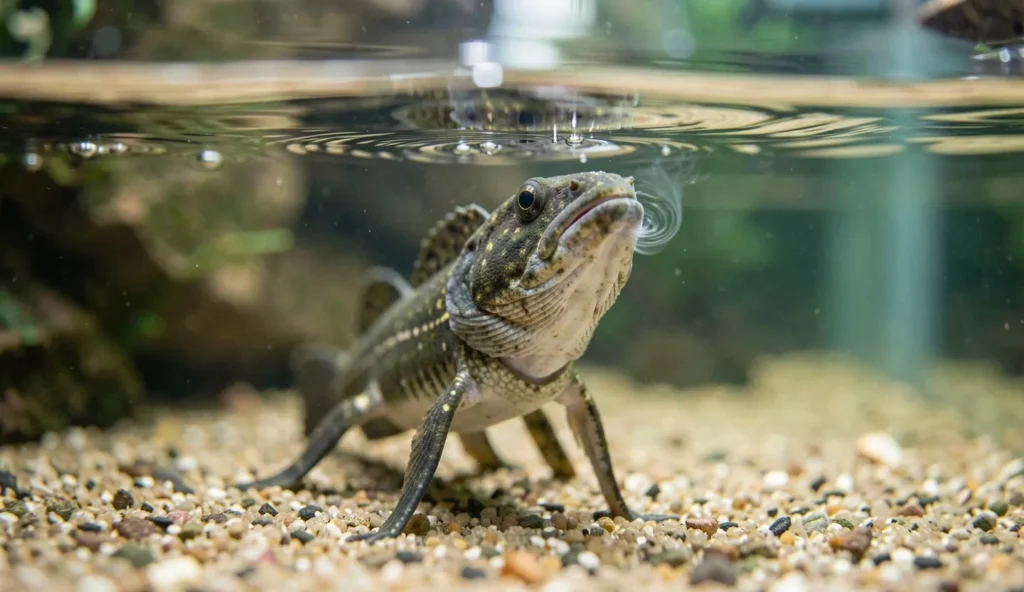
What Is A Bala Shark?
The bala shark is a freshwater fish known for active, coordinated group swimming. It originated in Southeast Asia rivers and reservoirs, where it spends much of its time moving through open water.
Despite the name, this fish does not behave or require care like a marine shark. Instead, it needs planning for schooling, space, and stable water conditions.
Species Identity And Common Names
The bala shark is Balantiocheilos melanopterus. Many hobbyists also call it the shark minnow because its body shape resembles a streamlined “shark-like” silhouette.
Because it is not a true shark, it does not need shark-specific parameters. It also does best when aquarium conditions support schooling fish rather than predator-style housing.
Why Schooling Is Central To Care
Schooling reduces stress by supporting a natural swimming rhythm. When kept alone, the fish can lose confidence and spend more time lingering than traveling.
For advanced aquarists, schooling also makes the tank easier to observe, since normal movement patterns become more consistent. Over time, the group often swims in a tighter pattern, especially in a mature, open-water layout.
Typical Growth And Activity Level
The bala shark grows beyond typical store size, so tank decisions must follow its adult needs. In a suitable setup, it stays active and often occupies mid to upper water.
Because it acts like an open swimmer, it uses length and uninterrupted space. A long tank typically supports more stable schooling than a short layout.
Appearance And Body Features That Affect Tank Planning
Physical traits explain why the fish uses open water lanes rather than hiding spaces. A streamlined body supports fast, continuous movement, which matters most in tank layout decisions.
At the same time, the silver look helps the whole group appear as a moving school of light. This effect often becomes stronger with a proper large school.
How The Body Shape Guides Swimming Space
The bala shark moves best when it can travel forward and turn smoothly. Tight rock gardens and clutter can reduce available lanes and force constant maneuvering.
Instead, leaving more open midwater encourages stable group behavior. That approach also supports less “stop and start” swimming during feedings.
Coloration And School Contrast
The silver sheen creates a reflective schooling effect that becomes more obvious with multiple fish. When a group swims together, movement patterns appear coordinated rather than scattered.
If only one fish is present, confidence often drops and spacing becomes uneven. In that situation, schooling behavior may not fully develop even in a large tank.
Size Expectations Over Time
Planning for adult size protects both fish health and water stability. Growth increases waste production and raises oxygen demand during active schooling.
For that reason, tank volume must support ongoing swimming behavior, not just short-term comfort. Filtration and maintenance routines should scale with the growing school.
How Many Bala Sharks Should Be Kept Together?
Schooling needs strongly affect stress levels, swimming time, and feeding competition. A bala shark kept with the right numbers often shows calmer pacing and more consistent movement.
By contrast, understocking can lead to drifting, hiding, or irregular schooling patterns that may worsen over time.
Minimum Group Size For Stability
The best baseline is to keep bala shark in groups of 4 or more. Smaller groups can show higher stress and less stable swimming patterns.
A larger school often behaves more naturally because the fish can spread out and still feel secure. When planning the group, the goal should be stability, not just adding more fish quickly.
Best Group Sizes For Large Tanks
Many aquarists aim for 5 to 8 fish in sufficiently large systems. More fish can increase schooling cohesion if space and filtration capacity support the extra bioload.
Stocking still needs careful calculation based on filtration, surface agitation, and feeding volume. The tank should remain clean enough for sustained activity, especially for an open swimmer.
For readers comparing stocking approaches with other schooling species, reviewing schooling behavior like neon tetra can help with expectations about group dynamics in community aquariums.
Signs The Group Setup Needs Adjustment
Constant bottom resting or hiding often signals stress or inadequate space. Bullying and persistent chasing can also indicate uneven group structure.
If the school appears fragmented with frequent drifting, the tank may not provide enough room for normal turning and lane changes. In that case, increasing group size or extending the tank length typically helps.
If fin damage appears after introductions, fin nipping can sometimes be mistaken for unrelated issues. Checking similar community problems like tiger barb fin nipping can clarify whether aggression is a role in the tank.
Acclimation And Introducing New Fish
Introducing new bala sharks works best when additions happen in a planned batch when possible. Quarantine reduces the risk of introducing illness into an established school.
During the first weeks, aggression can appear even in large tanks. Careful monitoring helps catch problems early and improves survival chances after stress events.
What Tank Size And Layout Supports An Open Swimmer?
Tank size matters more for bala shark than height or decor complexity. A long tank gives more distance for continuous swimming, which supports normal school behavior.
Once the environment matches that need, feeding and activity also tend to look more natural.
Minimum Tank Length For Long-Distance Swimming
A long tank supports more natural roaming and turning, which suits the fish’s streamlined movement. In most setups, length should receive priority over vertical space.
A cramped layout forces frequent turning and can increase stress during schooling. For bala shark, uninterrupted lane access often matters more than a high level of decoration.
Aquascaping Tips For Open Water Lanes
Keep hardscape lower and spaced so the center remains open for group movement. Using fewer, larger features instead of dense clutter preserves midwater routes.
Low rocks and drift plants on the sides can protect open lanes while still adding structure. That design also helps new fish blend in because the school has clear travel space.
When aquascaping for active swimmers, it helps to look at how other fast-moving fish use open lanes, such as a zebra danio style movement profile in appropriate tanks.
Current Filtration And Oxygen Needs
Strong filtration supports higher bioload from active schooling fish. A steady flow helps maintain clean water, but it should not blast directly into the school’s main travel area.
Because the bala shark remains active, oxygen availability influences stamina and feeding. High dissolved oxygen combined with good surface movement usually keeps energy levels steadier.
Water Parameters That Help Schooling Behavior
Stable water conditions matter more than constant small adjustments. Clean water with low waste accumulation supports normal swimming patterns and reduces irritation risk.
Sudden swings during acclimation and maintenance can disrupt schooling behavior. If testing is available, using consistent values over time typically supports calmer group movement.
High-quality stocking also depends on matching waste output across species, and other schooling fish planning can guide expectations for stable systems like an harlequin rasbora community setup.
Diet And Feeding For A Healthy School
Feeding supports both energy for open-water swimming and consistent body condition. A balanced approach helps the bala shark compete calmly while staying active.
Because schooling fish feed together, portion control and food visibility can strongly reduce stress.
What To Feed Bala Shark In A Large Tank
Use a high-quality staple diet made for omnivorous freshwater fish as the base. Add meaty foods as supplements to improve variety and support muscle growth during active periods.
Foods that stay visible help the group feed together. That pattern reduces chasing and improves feeding efficiency.
Feeding Schedule And Portion Control
Small meals multiple times per day can work well for monitoring and reduces uneaten food. Where possible, remove uneaten pieces quickly to protect water quality.
Portions should adjust as growth changes body condition and appetite. Regular observation helps avoid overfeeding and keeps the school traveling normally.
Common Feeding Mistakes That Cause Stress
Overfeeding increases ammonia production and can trigger stress that shows up as reduced swimming. Underfeeding can cause weak energy levels, making the fish less willing to school.
Inconsistent feeding times can also create uneven competition inside the school. A regular schedule reduces that friction and helps all fish access food.
Common Health Issues And How To Prevent Them
Most health problems connect to stress, water quality, and introduction practices. For advanced aquarists, prevention often starts before the first fish enters the tank.
When schooling needs are met, the fish typically resists issues better and recovers more predictably.
Stress Related Problems From Poor School Setup
Lonely housing can lead to chronic stress and slower recovery after setbacks. If tank length is insufficient, normal roaming becomes limited and the fish may pace instead of school.
Aggression during introductions can also cause skin damage, which increases the chance of secondary infections. Reducing stress through proper group size and planned additions lowers risk.
Water Quality Issues That Show Up First
High waste often appears first as fin or skin irritation because sensitive tissue gets exposed longer. Low dissolved oxygen can reduce stamina and make feeding less consistent.
Watch for rapid breathing, clamped fins, or sudden changes in swimming position. Early detection supports faster corrective steps.
Parasites And Quarantine Practices
Quarantine reduces parasite introductions into an established school. Treating after diagnosis can limit unnecessary stress from blanket medication.
After any changes, the whole bala shark group should be monitored closely since schooling hides early symptoms. Keeping observation steady helps catch problems before they spread.
Is A Bala Shark Right For You?
The bala shark fits best when a long tank and an ability to keep a group are available. It also suits aquarists who can manage filtration and careful feeding for active fish.
In small tanks or solo setups, the fish often struggles to show normal schooling behavior.
Fit Requirements Checklist
- Long tank layout with open midwater swimming lanes
- Group size of 4 or more for stable schooling
- Filtration capacity for growing bioload and waste
- Consistent water testing to prevent parameter swings
- Feeding routine that prevents uneaten food buildup
If these needs align, the species can become a strong centerpiece school in a large aquarium. If not, choosing another species with different space needs often prevents stress.
Final Note
Meeting schooling needs helps the bala shark show its healthiest, most natural open-water behavior. When the tank provides length, group stability, and clean water, long-term care becomes far more predictable.
Frequently Asked Questions
How Many Bala Shark Should Be Kept Together?
Keep bala shark in groups of 4 or more.
Do Bala Shark Need A Long Tank Or A Tall Tank?
A long tank supports more natural open-water swimming.
Is A Bala Shark A True Shark?
No, it is a freshwater fish and not a true shark.
What Happens If Bala Shark Are Kept Alone?
They can become stressed and swim less normally.
What Is The Best Water Quality Approach For An Active Schooling Fish?
Maintain stable, clean water using strong filtration and careful feeding.