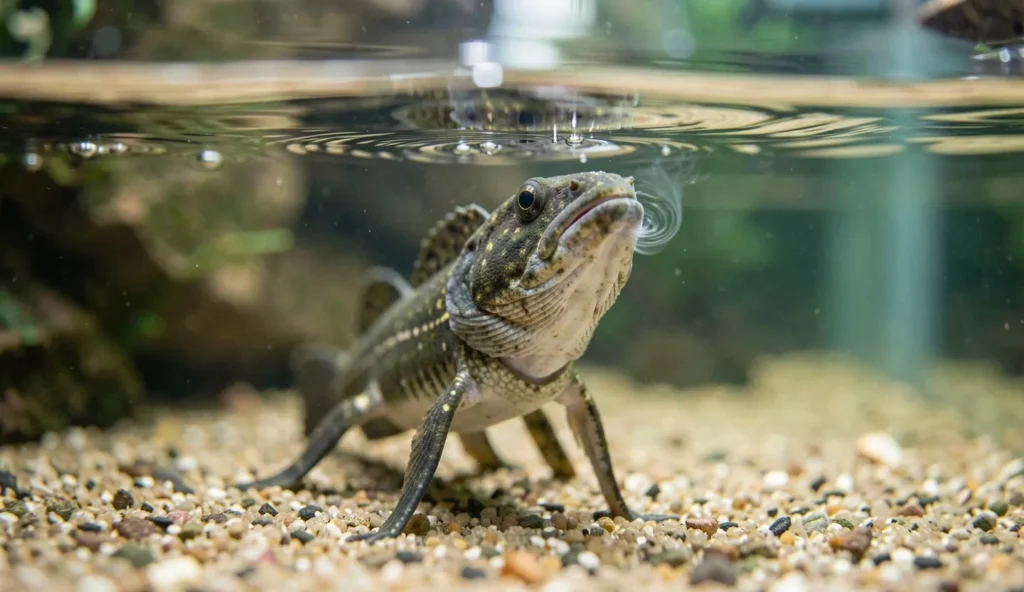
What Is A Goldfish
Goldfish are domesticated freshwater pond fish and aquarium fish prized for their color and manageable care. Many goldfish breeds look similar at first, but body shape and fins change how they swim and how much care they need.
Common goldfish often handle routine setups better, while fancy goldfish can require smoother tank choices. For deeper breed comparisons, the resource on Best Pet Breeds in the World can help when matching personalities to care time, even though it is not goldfish specific.
Common Goldfish Versus Fancy Goldfish
Common goldfish usually have a long-bodied shape and they often swim with quick, efficient movements. Fancy goldfish typically have more rounded bodies and distinctive head growths or eye and tail traits.
Body shape affects waste output, swimming ability, and tank requirements, especially in smaller aquariums. Fancy varieties may also show more skin and fin stress when water flow is too strong.
Origins And Domestication In Simple Terms
Goldfish trace back to domesticated forms of crucian carp found across parts of Asia. Selective breeding over many generations created the modern patterns, shapes, and fin types seen today.
Even with visible differences, most goldfish breeds still fall within the same general domesticated species group. That common background explains why water quality remains the main health driver for both types.
Lifespan And Growth Expectations
Goldfish can live many years when water quality stays stable and feeding stays sensible. Growth depends on space, temperature, and how clean the water remains.
Some varieties grow large enough to outgrow small tanks, even if they start as juveniles. If pond plans are possible, it often becomes easier to manage long-term space.
Common Goldfish Types You Will See Most Often
Several goldfish varieties show up in most shops and many home ponds. These common types tend to be hardy and they can tolerate routine maintenance when tank requirements are met.
When choosing a first goldfish, a steady routine helps more than trying to chase rare traits. That matters for both beginners and busy pond owners.
Comet Goldfish
Comet goldfish feature a streamlined body and a long, flowing tail. They often act as active swimmers and they can fit well as pond fish when filtration is strong.
Because they generate waste quickly, comet goldfish need reliable mechanical and biological filtration. This also reduces the risk of ammonia spikes.
Shubunkin Goldfish
Shubunkin goldfish show a clear speckled pattern with flowing fins. They are often considered hardy and many keepers succeed with outdoor ponds.
Color can change as fish mature, so younger individuals may look different from older ones. Stable water and consistent feeding help color develop in a predictable way.
Single Tail And Double Tail Basics
Single tail types usually swim with greater agility and they often handle typical tank setups better. Double tail types can swim slower and they may prefer gentler setups to avoid fin damage.
Tail form also affects how fish move water past their bodies and fins. That difference can influence the best choice of substrate and décor.
Fancy Goldfish Types Like Oranda Ranchu And More
Fancy goldfish are the group most people picture when they think of rounded bodies and distinctive features. These goldfish breeds can look dramatic, but the same traits often raise care complexity.
With the right tank requirements, fancy goldfish can thrive, yet they usually need smoother surfaces and calmer water. In particular, soft and predictable conditions reduce injury and stress.
Oranda Goldfish
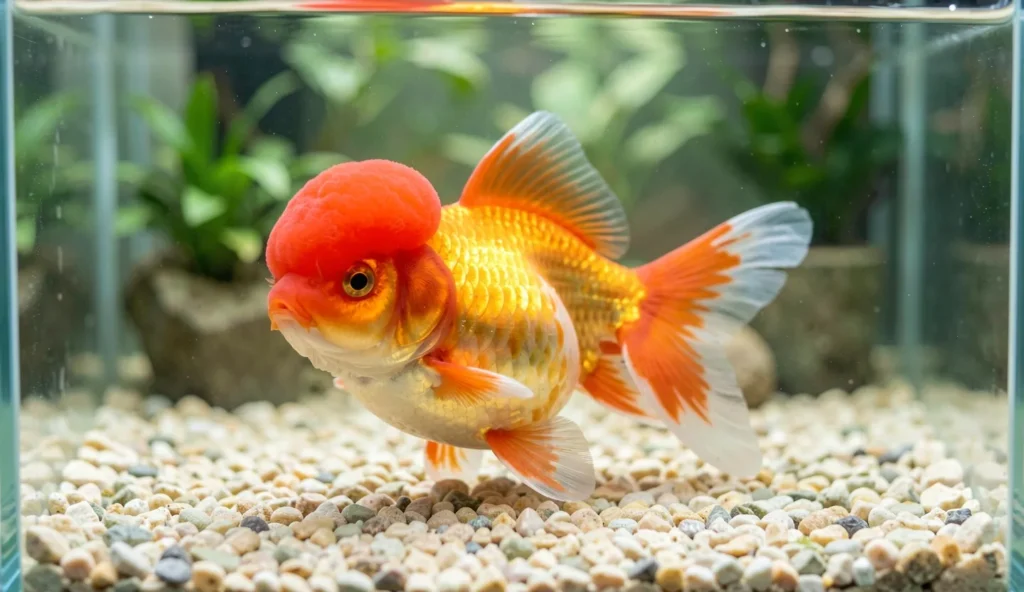
Oranda goldfish have a rounded body with a head growth called wen. Compared with long-bodied types, Oranda goldfish tend to move more slowly and they may rest more.
Soft surfaces matter because wen growth can scrape or swell if décor is rough. If a setup includes decorations, smooth materials reduce injury risk.
Ranchu Goldfish
Ranchu goldfish are deep-bodied fancy fish and many lack a dorsal fin. They often prefer calm water and stable footing with predictable substrate.
Ranchu goldfish can be slower at feeding, so competition during mealtime can affect growth. Care works best when food delivery supports gentle, steady eating.
Other Popular Fancy Varieties
Black Moor and similar types need careful eye protection because the eyes sit prominently on the head. Bubble Eye types require very gentle feeding and water flow to avoid damaging eye structures.
Lionhead types focus on head growth and their grooming needs increase when waste collects near the body. Many owners succeed by using smoother gravel or bare-bottom setups.
How Body Shape Changes Care Needs
Round bodies often produce more waste per body size, so filtration and cleaning must keep up. Fancier fins can also tangle or tear if currents are too strong.
Head growth can make stress and cleaning more important, especially during routine maintenance. When water stays clean, fancy goldfish usually tolerate typical schedules better.
For a helpful companion comparison about another popular pet, see how the Golden Retriever manages daily activity needs. The exact care differs, but the lesson about matching behavior to routine applies to goldfish too.
Housing Essentials And Tank Requirements For Goldfish
Housing supports every other part of goldfish care, because water quality drives growth and health. For goldfish breeds, tank requirements change most when fish are fancy, because slow swimmers cannot handle weak setups.
Whether keeping in a tank or pond, stable filtration and oxygenation matter more than decorations. Overcrowding also causes fast shifts in ammonia and nitrite.
Tank Size And Space Planning
Larger tanks stabilize water quality more easily than small containers. Overcrowding raises ammonia and nitrite risk and it can stress both common goldfish and fancy goldfish.
Fancy goldfish often need more floor space than height, since rounded bodies and tails still require room to turn. A wider base also supports calmer feeding.
Filtration That Handles High Waste
Use a filter rated for the system, not for a “label size” that assumes lighter waste. Goldfish produce heavy waste, so biofiltration must keep pace with feeding.
Mechanical filtration helps control fine particles and keeps water clearer. Adding a pre-filter sponge can reduce clogging and keep flow consistent.
Water Parameters That Keep Goldfish Healthy
Ammonia should stay at zero and nitrite should also stay at zero. Nitrate can build over time, so partial water changes reduce long-term stress.
Temperature stability matters, especially when fish are moving between indoor and outdoor spaces. Gradual changes reduce shock during seasonal transitions.
Substrate Plants And Aquascape Choices
Smooth gravel and sand reduce fin and skin damage, which matters most for fancy goldfish. Avoid sharp décor pieces that can snag delicate fins or rub head growth.
Bare-bottom setups simplify cleaning and allow easy monitoring of waste. When plants are used, they still need careful selection because goldfish may uproot softer growth.
Pond Requirements For Pond Owners
Ponds still need filtration and oxygenation to manage waste. Stocking density should match filtration capacity, since warm water speeds metabolism and waste production.
Season changes can impact water chemistry, so planning for winter temperature swings helps. Depth and safe oxygen levels reduce winter-related stress for pond fish.
When kids are part of the household, selecting compatible animals may matter, and the guide to Best Pets for Kids can support that planning. Goldfish care remains the same, but handling rules and supervision become more important.
Diet And Feeding For Common And Fancy Goldfish
Goldfish diet affects water quality as much as it affects growth. For goldfish breeds, feeding correctly prevents overfeeding and supports healthier digestion.
Small adjustments often produce better results than changing foods every day. Over time, consistent feeding helps fish adjust and waste becomes easier to manage.
Best Food Types For Goldfish
Use quality pellets or flakes made for goldfish and select sizes that fish can eat easily. For fancy varieties, sinking foods often work better because slow swimmers can struggle with floating meals.
Occasional fresh foods can add variety, but they should never replace complete nutrition. Variety helps prevent boredom-like feeding behavior and improves acceptance of staple foods.
How Much To Feed And How Often
Feed small amounts that fish finish quickly, then observe how fast the food is eaten. Overfeeding is a top cause of poor water quality and it can overwhelm the biofilter.
Portions should adjust with temperature because goldfish eat differently in warm and cool water. During cooler periods, digestive speed often drops, so feeding should also reduce.
Feeding Tips For Oranda And Ranchu
Oranda goldfish and Ranchu goldfish may need sinking options so food reaches them without intense chasing. Multiple feeding points can reduce competition among slower fish.
After meals, floating food matters most for slow-bodied types. If floating debris collects, it can push waste into the filter faster than the tank can process it.
Foods To Avoid
Avoid foods that cloud water, because that often signals poor ingredient quality or rapid breakdown. Also avoid very high-fat treats as a daily staple.
Live foods from unknown sources can introduce parasites, especially in fresh pond fish collections. Safer handling and quarantine reduce the risk of new infections spreading.
For examples of color and pattern keeping in another aquatic group, the overview on Milk Snake shows how species details guide feeding and care. Goldfish are different, yet the same principle applies, which is matching care to the organism’s biology.
Common Health Issues And How To Prevent Them
Most goldfish health problems start with water quality, stress, or diet. With the right routines, many issues can be prevented, especially in tanks where water testing is consistent.
When problems show up, acting quickly matters because goldfish can deteriorate faster than many people expect. Prevention remains the safest approach for both common goldfish and fancy goldfish.
Water Quality Related Problems
Ammonia and nitrite stress can cause rapid deterioration, including clamped fins and reduced appetite. Poor filtration can also irritate gills and skin.
Regular testing prevents long-term damage by catching problems before symptoms become severe. If readings rise, immediate corrections reduce harm.
Parasites And Common Infections
Ich and flukes can appear when fish are stressed or when new fish enter a system. Quarantine helps prevent spread and it reduces the risk of introducing illness to pond fish.
Prompt action matters during early cases because parasites multiply quickly under stable warm temperatures. Basic quarantine setups also make observation easier.
Swim Bladder And Digestive Care
Constipation can affect swimming and buoyancy, which then leads to awkward floating or sinking. Reducing feeding and using gentle fasting for mild cases can relieve pressure in the digestive system.
Sinking foods can reduce air intake when fish scoop food at the surface. That difference may help buoyancy issues improve over time.
Injuries And Fin Damage In Fancy Goldfish
Sharp decor can cause nips, which then increase the chance of infection. Strong currents can also tear delicate fins, especially for Ranchu goldfish and Oranda goldfish.
Soft, smooth surfaces help prevent repeated injuries and repeated injuries often cause chronic problems. If fin damage occurs, reducing stress and improving water quality supports regrowth.
For another example of how care needs vary by breed traits, golden jackal facts demonstrates how behavior and biology affect daily handling. Goldfish follow the same pattern, even though the care methods differ.
Is This The Right Goldfish For You
Choosing goldfish breeds depends on the available setup and the time available for maintenance. Both common goldfish and fancy goldfish can succeed, but each group fits different living conditions.
When the setup matches the fish, health outcomes improve quickly. Mismatch between body type and environment tends to cause repeat problems.
Choose Common Goldfish If
Common goldfish fit best when outdoor pond keeping is the main plan. Their longer bodies also often handle standard pond movement and routine feeding better.
More active swimming may appeal when the goal is visibility and steady movement. Simpler body types usually reduce injury risk from sharp décor.
Choose Fancy Goldfish If
Fancy goldfish work best when extra attention to soft surfaces and gentle water flow is available. Feeding watch and monitoring also become part of daily care.
Tank maintenance time matters, because stable conditions reduce cleaning stress. With that time, fancy goldfish usually respond well to consistent routines.
Quick Starter Checklist For Any Goldfish Setup
Reliable filter capacity supports waste and it reduces ammonia and nitrite risk. A water testing kit helps confirm progress after changes.
Stable temperature, dechlorinated water, and smooth substrate or bare-bottom choices support safer daily living. Sinking food options can also protect slow feeders and reduce floating leftovers.
To see another breed that needs calm handling and stable conditions, the overview on blue swedish highlights how environment affects wellbeing. The lesson transfers well to goldfish, because calm conditions reduce stress across species.
FAQs: Goldfish Breeds And Basic Care
What Are The Main Differences Between Common Goldfish And Fancy Goldfish?
Common goldfish are usually long-bodied and hardier, while fancy goldfish are more rounded with specialized features.
Are Oranda And Ranchu Goldfish Harder To Keep Than Comet Goldfish?
Fancy types often need gentler water and softer surfaces because their body forms are more injury-prone.
What Tank Requirements Matter Most For Goldfish?
Tank size, strong filtration, stable water parameters, and avoiding overfeeding are the most important factors.
How Often Should Goldfish Be Fed?
Feed small amounts that are finished quickly, typically once or twice daily, and adjust for temperature.
Why Is Water Testing Required For Goldfish?
Goldfish produce waste that can quickly raise ammonia and nitrite, so testing helps prevent sudden illness.
What Are Common Health Problems In Fancy Goldfish?
Poor water quality, parasites, digestive constipation, and fin or skin injuries are among the most common issues.
Final Note On Goldfish Care
Goldfish breeds thrive when tank requirements match their body type and feeding stays controlled. Consistent water testing and gentle housing support long-term health for both common and fancy goldfish.