What Is a Kenyan Sand Boa
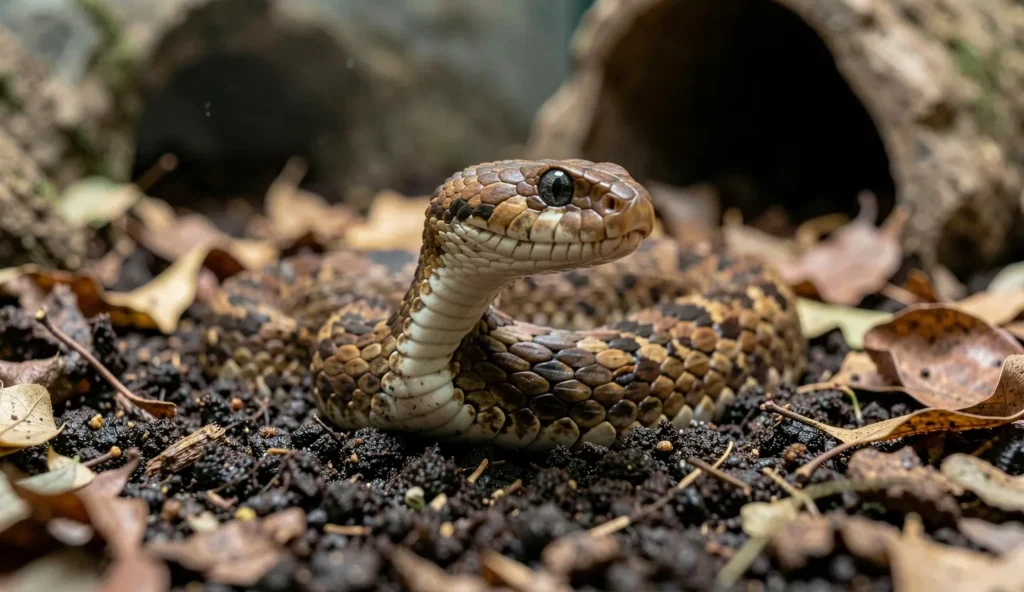
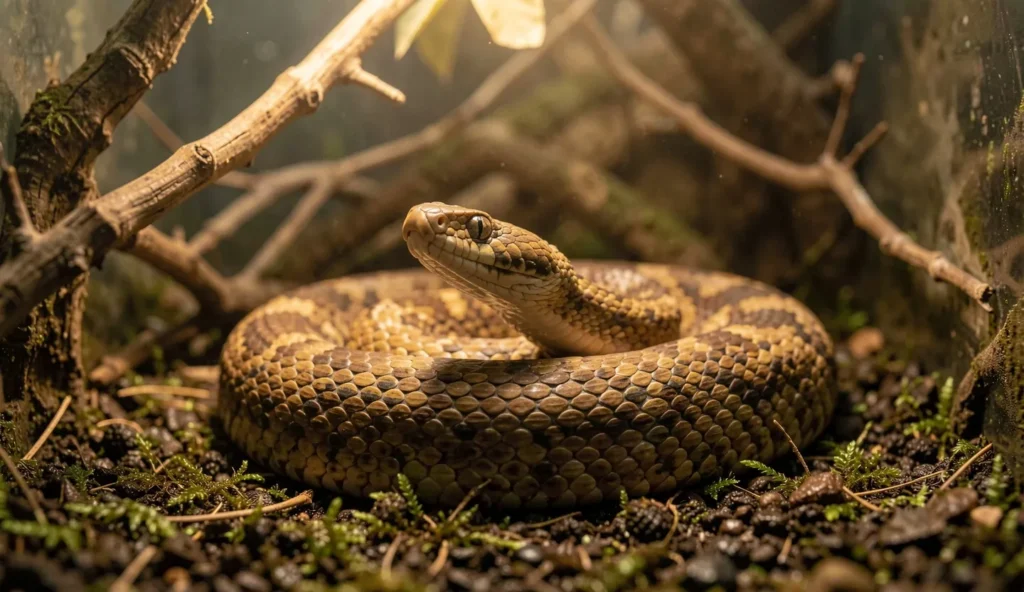
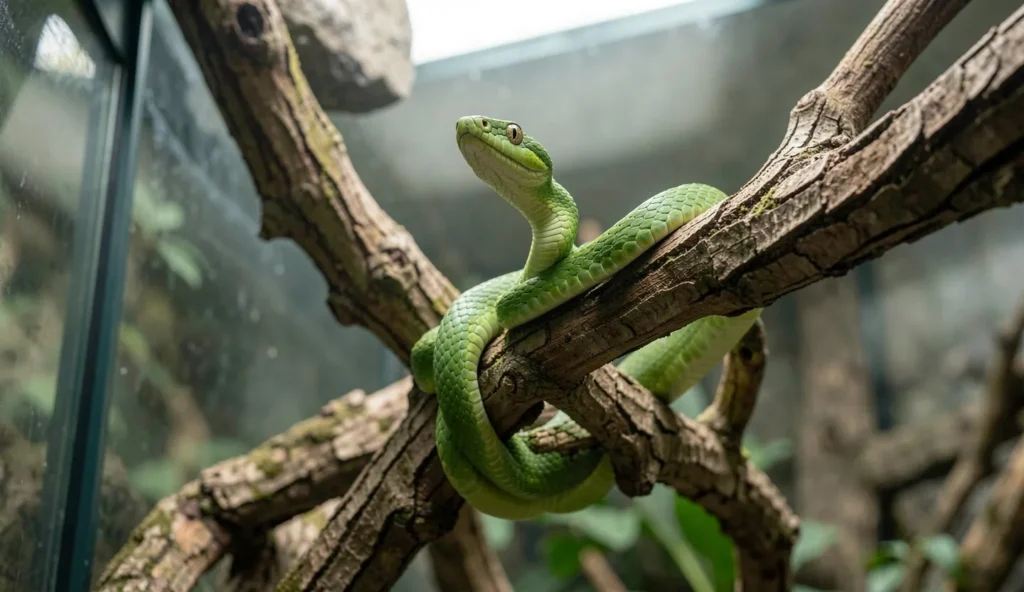
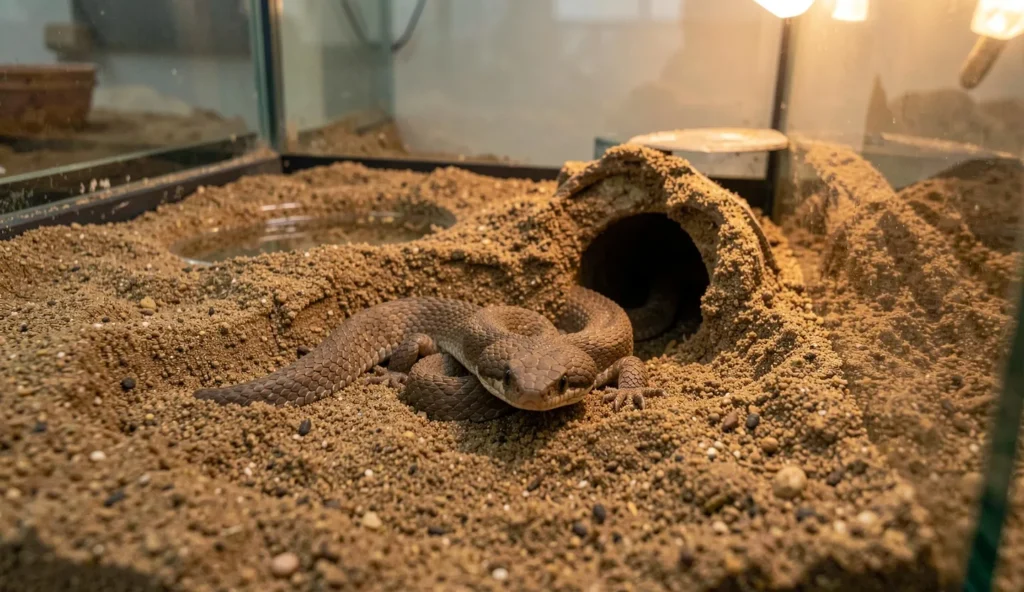
The Kenyan Sand Boa is a fossorial python that spends most of its time underground in sandy, dry habitat. It stays low and tight in tunnels, then rises briefly to hunt and move. A well planned Kenyan Sand Boa enclosure setup supports the natural burrowing behavior that defines this species.
Because this snake lives in tunnels, typical surface focused setups often fail. Deep substrate setup lets the snake rest safely and reduces stress during daily routines. When the enclosure matches the animal’s style of living, sand boa care becomes easier and more consistent.
Native Range and Why It Burrows
This species comes from arid and sandy regions in and around Kenya. It burrows to avoid heat swings and to hunt using vibrations and scent cues. As tunnels form, the snake can retreat quickly and stay concealed.
Deep tunnels also support stable resting places that the snake trusts. For that reason, deep substrate setup acts as a primary security feature in a Kenyan Sand Boa enclosure. Burrowing helps the snake regulate stress better than frequent exposure.
Typical Size and Adult Needs
Kenyan Sand Boas are relatively compact compared with many other python species. Still, adults require space for depth, girth, and a stable tunnel system. Floor area alone does not solve the needs of a burrowing snake.
In practice, the enclosure should allow the snake to dig and rest without collapsing the tunnel zone. Deep substrate prevents constant contact with the surface that can stress a fossorial python. Adult planning also helps when choosing hides and heating placement.
Behavior and Handling Expectations
Kenyan Sand Boas prefer minimal handling and frequent hiding. Burrowing behavior is normal and does not mean the snake is attempting escape. It usually needs time to settle after enclosure changes.
When the snake seems inactive, it may simply be resting inside its tunnel. During sand boa care, routine disturbances should stay low. A predictable environment supports safer feeding and smoother shedding.
For keepers comparing enclosure designs across species, an approach used for other burrowing snakes can help. For example, enclosure thinking in a Ball Python care plan can guide temperature stability habits, even though the setup differs.
Choosing The Right Enclosure Size and Shape
Choosing the right enclosure supports how the snake moves, digs, and rests. For a fossorial species, depth matters more than vertical height. A Kenyan Sand Boa enclosure also needs strong escape proofing because the snake can exploit tiny gaps.
With the correct layout, sand boa temperature control stays easier and more stable under substrate. Meanwhile, proper airflow helps prevent mold when moisture levels rise during shedding. These choices reduce daily workload.
Glass Terrarium Versus Tubs
Both glass terrariums and plastic tubs can work, but tubs often simplify deep kenyan sand boa substrate management. Front access openings can reduce handling stress during routine checks. Either way, ventilation must prevent stagnant air while keeping humidity stable enough for shedding.
Glass enclosures can look clean, but deep layers sometimes shift or trap moisture if monitoring is inconsistent. With tubs, heat distribution can become steadier under controlled setup. Choose whichever matches the keeper’s ability to verify sand boa temperature and humidity.
Minimum Floor Space and Depth Priorities
The enclosure should prioritize substrate depth so the snake can form safe tunnel routes. A deeper bed supports long resting areas and reduces surface time. It also helps stabilize the micro climate the snake prefers.
Surface area still matters for feeding and occasional surface resting. When surface space is too small, the snake may avoid feeding locations and struggle to use hides. A balanced design supports both burrow zones and brief activity areas.
Lid, Escape Proofing, and Safety Checks
A secure lid prevents escapes during feeding and when the snake becomes active at night. Tight fitting clamps, locks, or well designed ventilation grilles reduce gap risk. Every gap around cables, probes, and openings should get checked before the snake moves in.
Also remove sharp edges and loose mesh that can injure the snake. Stability matters even inside the substrate zone because burrowing can move items over time. A careful safety check prevents problems that may not show up for days.
Some keepers already manage enclosure safety for other snakes, such as using secure systems with a Corn Snake setup. That habit carries over well, even though a fossorial species needs deeper substrate and different heat placement.
Kenyan Sand Boa Substrate and Deep Burrowing Setup
Substrate choices control how safely the snake can tunnel and how clean the enclosure stays. For a Kenyan Sand Boa, kenyan sand boa substrate should support digging, resting, and stable tunnel structure. Many issues with sand boa care begin when substrate cannot hold shape.
Since this snake lives underground, deep substrate setup becomes the main design feature. Moisture also needs careful balance so tunnels hold without turning muddy. When these conditions align, the snake uses the enclosure instead of fighting it.
Best Substrate Options for Fossorial Digging
Use a sand and soil mix designed to hold tunnels and reduce dust. Avoid dusty materials because airborne particles can irritate airways and increase irritation risk. A stable substrate also makes it easier to spot-clean and maintain hygiene.
Look for options that allow digging without collapsing immediately. The material should remain workable after day to day burrow cycles. Also choose substrates that let the keeper spot soiled areas quickly.
Other sand tuned enclosure ideas can help with material comparisons. For instance, a Leopard Gecko care plan can highlight why substrate selection affects hygiene, even though this species uses different bedding depth and burrowing behavior.
How Deep Should the Substrate Be
Deep substrate is a requirement for natural tunnel behavior in Kenyan Sand Boa care. The snake should be able to dig and rest without quickly reaching the enclosure floor. More depth reduces surface stress and supports longer, calmer tunnel zones.
Depth targets should match the enclosure’s footprint and the expected adult size. After setup, the snake’s activity will reveal whether more depth is needed. If tunnels keep collapsing, the substrate bed is often too shallow.
Substrate Moisture and Humidity Balance
Moisture must support shedding without creating wet, soiled conditions. A light amount of moisture helps tunnels hold shape, while excessive moisture can cause pooling and hygiene problems. Stable humidity improves shedding progress because the skin can separate smoothly.
During sand boa care, monitor substrate after feeding and after any spot-cleaning. Moisture shifts can happen where the snake burrows most. Keep moisture even so the enclosure does not swing between too dry and too damp.
Avoiding Wet Spots, Collapse, and Mold
Wet spots often form near heat sources, water areas, or places where the snake digs and compresses the bed. Pooling leads to poor air quality and can worsen odor. Improve airflow if damp smells persist, and adjust moisture at the next spot-check.
Remove soiled material promptly to prevent moisture trapped in waste zones. If one corner stays damp, reduce water access in that area or reposition the dish. A Kenyan Sand Boa enclosure stays healthiest when moisture stays controlled rather than high all the time.
Burying Obstacles and How to Reduce Risk
Hides should anchor into the substrate zone so they do not shift during digging. Avoid hard items that could block natural tunnel paths. Rounded edges and safe weighted decor reduce the chance of injury when tunnels expand.
Also keep the design simple so the snake can create predictable routes. If the enclosure contains many obstacles, burrows can collapse around them. For safe sand boa care, fewer but better anchored items work best.
Where to Place Hides, Water Dish, and Clutter
Proper positioning supports burrowing, hydration, and low stress. Hides should sit near the preferred digging area so the snake can feel secure quickly. With correct placement, the snake spends less time searching and more time resting.
Meanwhile, water dish placement affects evaporation and overall cleanliness. Clutter should not block tunnel formation, and objects must not shift under digging pressure. A clean, stable arrangement supports consistent sand boa temperature use and safer feeding.
Deep Hides That Support Tunnel Use
Provide at least one hide close to the zone where the snake naturally rests. Partially burying a hide lets the entrance feel familiar and reduces surface exposure. Adding a second hide helps when the enclosure has multiple activity areas.
Choose hides with stable bases and surfaces that resist sliding. During enclosure setup, test how the hide sits when the substrate is compressed. If it tips or sinks unevenly, secure it more firmly before adding the snake.
Water Dish Placement and Cleaning Routine
Use a shallow dish so the snake can access water during brief surface time. Place it away from direct heat to reduce rapid evaporation and prevent overly damp surrounding substrate. A consistent cleaning routine also supports good water quality.
Regularly remove waste or substrate from the dish area. If the snake uses the dish as a digging site, reposition it and adjust substrate moisture around it. This keeps the enclosure clean while supporting reliable hydration.
Decor and Substrate Anchors That Do Not Trap the Snake
Decor should remain low profile and stable so tunnel routes do not get blocked. Avoid tall rocks or unstable structures that can shift when the snake digs nearby. Secure items so they stay put even if the substrate compresses over time.
Every item placed in a Kenyan Sand Boa enclosure must survive normal digging pressure. If an object can fall into a burrow, it can trap the snake. A safe setup uses secure, simple anchor points and minimal stacking.
Enclosure clutter rules also matter when planning for other species with different habits. For example, many keepers adapt containment habits from a Boa Constrictor setup, especially around safe hides, but still keep the sand boa environment focused on depth.
Sand Boa Temperature and Heating That Works Under Substrate
Heating needs special planning because Kenyan Sand Boas often rest inside deep substrate. Sand boa temperature should create a stable warm zone and a cooler zone so the snake can choose its comfort level. If heat stays inconsistent, feeding and shedding can decline.
Because heat spreads into substrate slowly, temperature checks should include the locations where the snake rests. Also confirm readings after the substrate settles. A reliable heat plan supports long term sand boa care.
Heat Sources That Support Fossorial Heat Gradients
Under-tank heaters can warm substrate and encourage natural resting behavior. Heating elements must run through thermostats rated for the heater type. This prevents overheating and supports a safe temperature curve within the enclosure.
Use a design that creates a gradient across the enclosure. The warm side should feel reliably warm, while the cool side remains cooler enough for thermoregulation. This approach helps the snake avoid staying in an overly warm area.
Different python species use heat in different ways, yet thermostat safety matters everywhere. For example, a Reticulated Python care plan often emphasizes thermostats for safety, which aligns with the same principle for a Kenyan Sand Boa enclosure.
Thermostats, Probes, and Accurate Temperature Reading
Thermostats control heat output based on probe readings, so probe placement affects accuracy. Place the probe where the snake actually rests, not only against the glass wall. That placement should reflect the deeper microclimate inside the substrate.
After setup, check temperatures after the substrate compacts and after spot-cleaning. Any changes to substrate height can alter heat transfer. Keep reliable thermometers in both warm and cool zones for easy monitoring.
Target Ranges for Sand Boa Temperature Setup
Maintain appropriate warm and cool areas for thermoregulation rather than one constant temperature. Because deep substrate adds thermal mass, the warm zone often stabilizes slower than surface heating. Avoid pushing warm temperatures too high in the deeper layers.
Specific target numbers vary by keeper and room conditions, but the method should stay consistent. Maintain a warm area that supports normal activity and digestion, with a cooler area for rest and recovery. Use stable readings and adjust slowly over multiple checks.
Night Temperature Changes and Seasonal Adjustment
A modest nighttime drop supports natural rhythms, but large swings cause repeated stress. Adjust temperatures gradually and monitor behavior and feeding response. Seasonal changes can shift ambient room temperature, which then shifts enclosure performance.
When room temperatures change, confirm both warm and cool zone readings again. Do not rely on yesterday’s thermometer values. Sand boa temperature control should stay predictable, especially after enclosure cleaning.
Kenyan Sand Boa Feeding Schedule and Prey Choices
Kenyan sand boa feeding works best when prey size and timing match the snake’s body condition and temperature stability. In a burrow environment, food access matters because prey can hide or dig. When the enclosure setup supports calm feeding, sand boa care becomes simpler.
Feeding routines also interact with shedding cycles. A snake that just shed or a snake that is about to shed should not get forced to feed. Instead, monitor readiness and adjust prey size and schedule.
What to Feed and How Often
Most keepers feed appropriately sized rodents suited to the snake’s size. Feeding frequency depends on age, metabolism, and body condition. The goal stays steady growth without overfeeding.
Use consistent portion sizes so changes in appetite reflect real needs rather than random variation. If the body condition increases too quickly, reduce frequency. If the snake loses condition, review sand boa temperature and feeding size before adding more food.
How to Feed Safely in a Substrate Burrow Environment
Feeding in deep substrate can lead to prey hiding, so the approach should reduce that risk. Offer food in a predictable area when possible, such as where the snake commonly surfaces. Watch closely during the feeding window to confirm the prey gets found quickly.
Remove uneaten prey promptly to prevent stress and prevent prey from burrowing into the substrate. Uneaten rodents can also damage the enclosure’s cleanliness and increase odor. A Kenyan Sand Boa enclosure becomes safer when feeding sessions stay short and controlled.
Feeding After Shed and Feeding During Settling
Wait for complete shedding before routine feedings. During shedding, the snake may reduce activity and show less interest in prey. Feeding too early can lead to refusal or stress.
Also allow time after enclosure changes before expecting full feeding response. When a new Kenyan Sand Boa enclosure is set up, the snake may spend days adjusting and only then begin regular feeding. Monitor appetite rather than following rigid schedules.
Signs the Setup Is Affecting Feeding
Poor appetite can correlate with incorrect sand boa temperature or inconsistent heat gradients. It may also reflect stress from layout issues, such as unstable hides or frequent disturbances. Persistent refusal should trigger a review of conditions before increasing prey variety.
Body condition changes should guide feeding adjustments more than guessing. If weight declines, check temperatures, humidity balance, and substrate hygiene first. Then adjust prey size and schedule based on response.
Feeding safety and enclosure stability also apply to other snakes. For example, a Ball Python feeding routine often highlights the link between stress and refusal, which parallels the burrowing stress risk in a Kenyan Sand Boa setup.
Common Health Issues and Preventive Care for Burrowing Boas
Health problems in Kenyan Sand Boa care often trace back to enclosure setup mistakes. Two common categories include air quality issues from dusty or overly wet substrate and shedding problems from unstable humidity. Early adjustments prevent most problems from becoming severe.
Preventive care also includes inspection habits and clean routine spot-checks. Burrowing snakes can hide early symptoms inside the substrate. A keeper should watch feeding response, body condition, and shed quality.
Respiratory Problems Linked to Humidity and Dust
Dusty substrates can irritate airways and increase risk for respiratory issues. Excess moisture without airflow can worsen air quality and support bacterial growth. For sand boa care, moisture should stay controlled and substrate should stay low dust.
During routine maintenance, inspect whether the substrate sheds dust when disturbed. If fine dust rises, switch substrate materials. Also ensure airflow stays adequate while humidity remains supportive for shedding.
Shedding Difficulties and How Enclosure Conditions Affect Them
Low humidity can cause stuck shed and prolonged skin retention. Overly wet substrate can also cause hygiene issues and reduce overall comfort. Both extremes can disrupt shedding cycles.
Provide stable moisture that supports shedding rather than constant soaking. When the snake sheds, monitor progress during normal checks. If shedding regularly fails, review humidity balance and remove damp spots.
Skin Injuries From Sharp Decor or Unstable Hides
Skin injuries can occur if decor shifts or if hides shift during burrowing. Unanchored hides may move and scrape the snake as tunnels collapse. Sharp edges increase injury risk during normal digging behavior.
Inspect enclosure items regularly for wear and stability. If a hide no longer anchors securely, replace it or re-secure it. For safety, use rounded items and stable, partially buried hides.
Parasites and When to Seek Veterinary Care
Parasites can appear with poor hygiene or when new animals enter a shared setup. Watch for unexplained weight loss, poor appetite, or abnormal stool. If symptoms appear, veterinary guidance helps confirm causes and determine treatment.
Quarantine new snakes when possible, even if only a short period is available. Regular observation supports early detection, especially for burrowing species that hide symptoms in tunnels. A Kenyan Sand Boa enclosure stays healthier when hygiene stays consistent.
Some keepers also research broader snake disease patterns when planning care routines. If venomous species knowledge comes into play during research, it can be safer to review non-venomous care first, such as with a Black Mamba comparison for general awareness, while still focusing setup effort on sand boa temperature and substrate.
Starter Checklist for a Kenyan Sand Boa Enclosure
A reliable setup checklist reduces mistakes before the snake arrives. Focus on deep substrate depth, safe heating control, and functional hides. When those pieces work together, sand boa care becomes predictable.
Use this checklist as a pre move in validation and as a maintenance baseline. After setup, test conditions for at least a day so temperatures stabilize and moisture settles. Then adjust based on real readings.
Before Setting Up the Tank
- Choose an enclosure that supports deep substrate depth
- Buy a thermostat and at least two reliable thermometers
- Select low dust substrate that holds tunnel shape
What to Install in the Enclosure
- Add deep kenyan sand boa substrate for tunneling stability
- Place a partially buryable hide near the burrow zone
- Provide a shallow water dish away from direct heat
How to Test Before the Snake Moves In
- Verify sand boa temperature on warm and cool zones
- Confirm humidity supports shedding without constant dampness
- Spot-clean after a test day to find pooling spots
After the setup passes the test, feeding and handling become easier because conditions remain stable. That stability supports consistent digestion and better shedding. It also helps the snake settle quickly into its tunnels.
Frequently Asked Questions
How Deep Should The Kenyan Sand Boa Substrate Be?
Use deep substrate to support natural tunnel digging and reduce surface stress and collapse.
What Sand Boa Temperature Range Is Safest For A Burrowing Enclosure?
Maintain warm and cool zones for thermoregulation, and use a thermostat with probe readings where the snake rests.
How Often Should A Kenyan Sand Boa Be Fed?
Feed based on age and body condition, and use consistent prey size while adjusting frequency to maintain weight.
What Humidity Level Helps Kenyan Sand Boas Shed Properly?
Provide stable moisture that supports shedding, while avoiding constant wet substrate and checking shed progress.
Is It Okay To Feed Kenyan Sand Boas Outside Their Burrow Hides?
Food should be offered in a predictable area so prey cannot easily hide, and uneaten prey should be removed quickly.
Final Care Balance For A Healthy Enclosure
A Kenyan Sand Boa enclosure works best when deep substrate, safe sand boa temperature control, and secure hiding places align. With stable conditions and low disturbance, burrowing behavior becomes the foundation of long term sand boa care.