What Is an English Shortface Tumbler
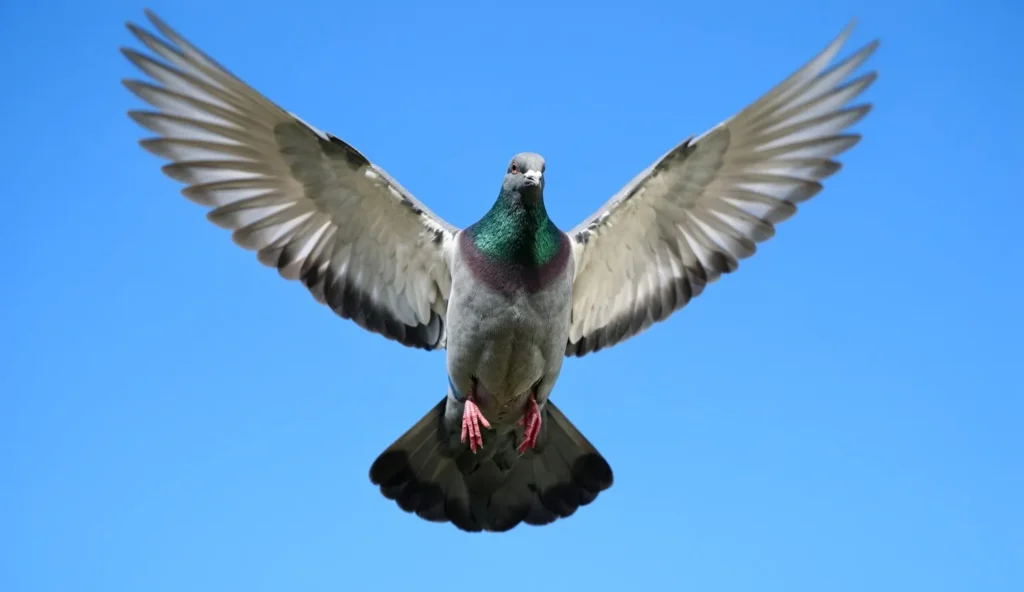
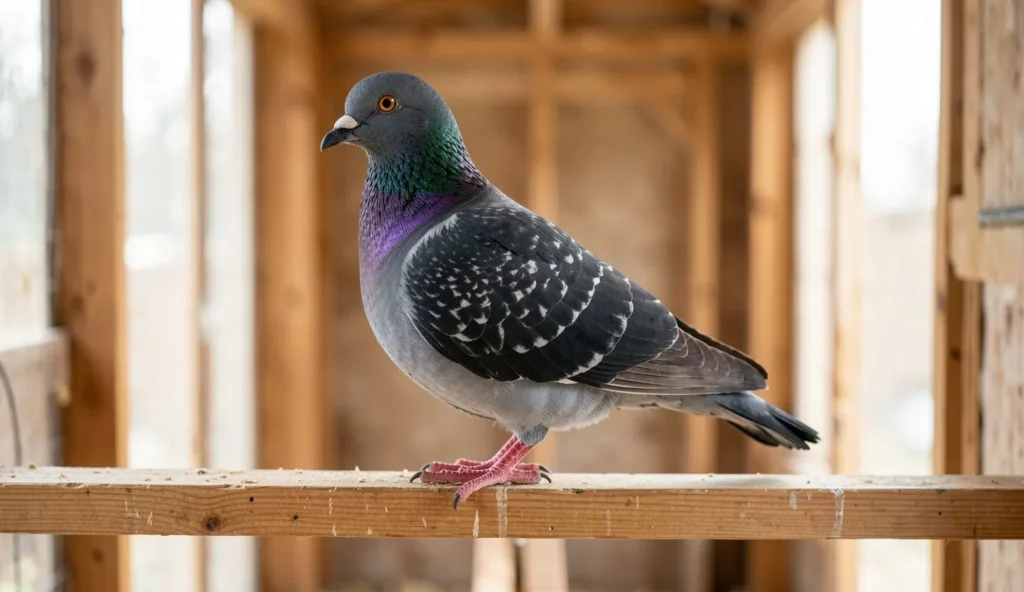
The English Shortface Tumbler is a compact, short-headed pigeon breed developed in England for exhibition. This breed stands out for its rounded head, stout beak, and cobby body. Show breeders value the English Shortface Tumbler for its unique appearance and flying ability.
History and Origin of the Breed
The breed was developed in England from old tumbler stock. Breeders selected for a short, rounded head and compact frame. The English Shortface Tumbler is recognized by major pigeon fancy associations. Its ancestry includes contributions from other fancy breeds such as the Turbit pigeon.
Breed Purpose in Modern Times
Today, the English Shortface Tumbler is primarily a show pigeon. It participates in exhibition classes where judges evaluate head shape, body conformation, and feather quality. Despite its compact build, the bird remains an agile flier. This dual purpose makes it popular among tumbler pigeon show enthusiasts.
Appearance and Breed Standards
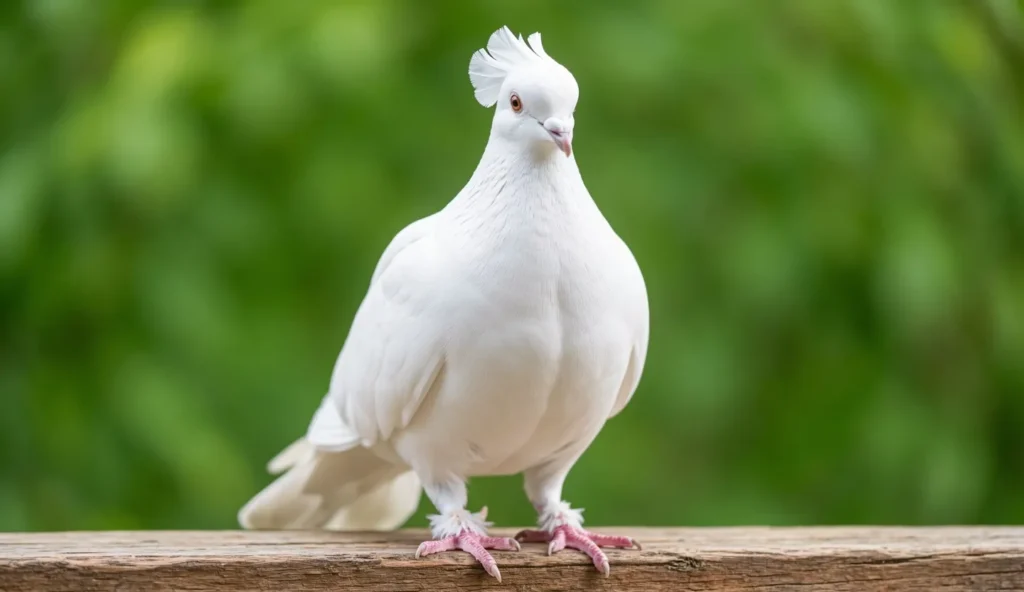
The breed standard demands a short, rounded head with a prominent forehead. The beak is short and stout, proportional to the head. The wattle is small and neat.
Head and Beak Structure
The head is the defining feature of the English Shortface Tumbler. It must be short and rounded, with a distinct stop. The beak is short and thick, matching the head width. Judges penalize long or narrow heads.
Body and Feathering
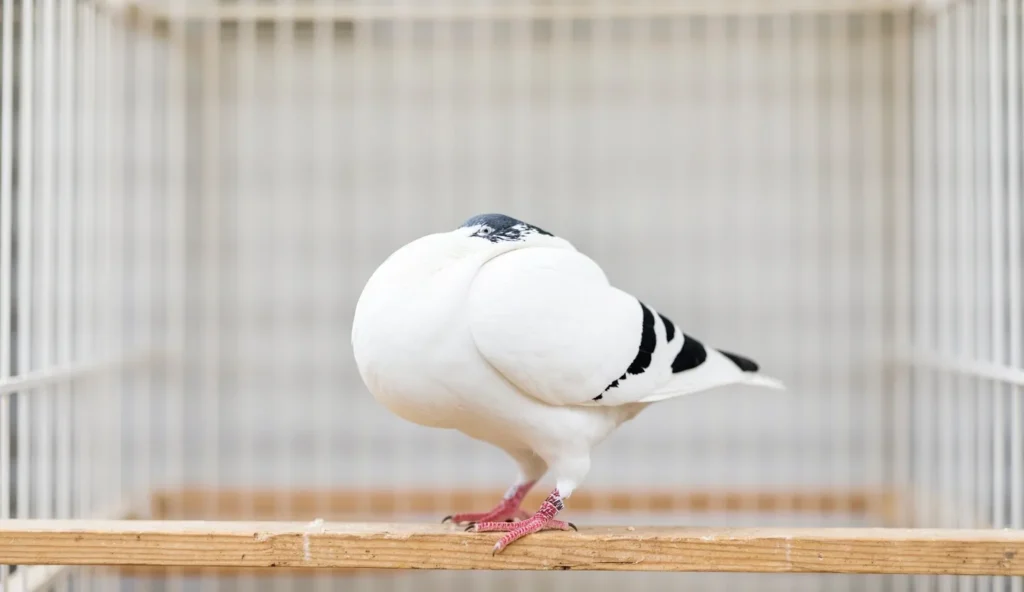
The body is compact and cobby, with a broad chest and short back. The wings are well-carried and do not droop. Feathers are tight and glossy, presenting a healthy appearance. This conformation is similar to that of the Saddleback pigeon.
Color Varieties and Markings
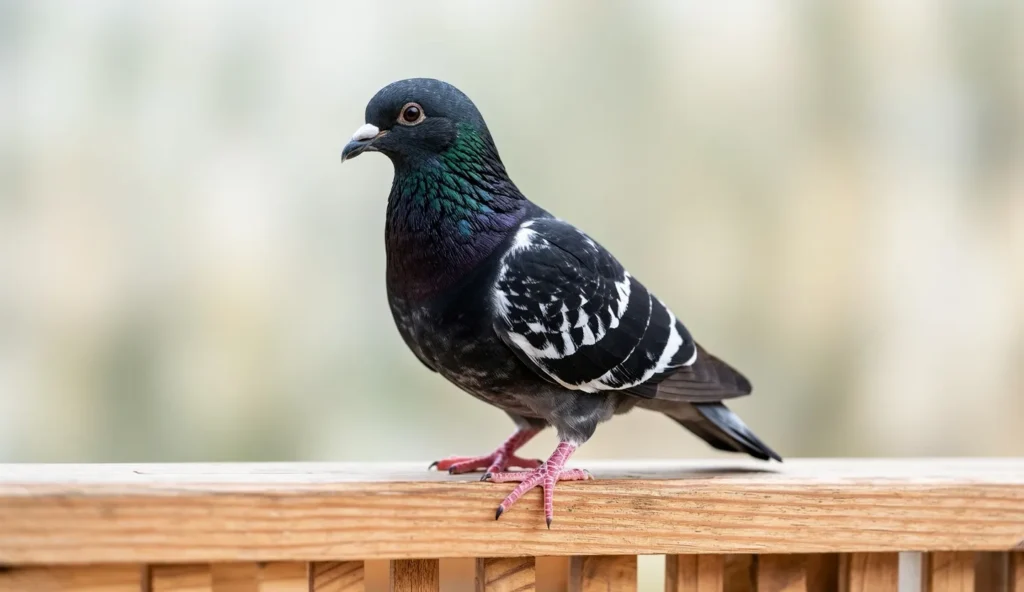
The breed appears in self colors such as black, red, yellow, and white. Patterned varieties include grizzle and splash. Eyes are bright, and cere color varies with the variety. Show standards specify exact color requirements for each class.
Temperament and Personality
Behavior Traits for Show Management
English Shortface Tumblers are generally calm and docile, which suits show handling. They are not aggressive toward other pigeons. Regular gentle interaction from a young age builds trust. This breed responds well to consistent handling.
Exercise Requirements for Show Birds
Daily Flight Routine
Show birds require at least one hour of free flight daily to maintain muscle tone and cardiovascular health. A flight pen or aviary provides safe space for exercise. Overexertion should be avoided in the days leading up to a show. Controlled flight helps condition the bird for competition.
Training an English Shortface Tumbler for Shows
Hand Training and Taming
Training begins with regular gentle handling from a young age. Rewarding with small treats builds trust and cooperation. The bird learns to stand calmly on a perch. This training reduces stress during judging.
Show Preparation and Grooming
A bathing schedule two to three times per week cleans feathers and enhances gloss. The beak, cere, and feet must be kept clean. Practice posing in the required show stance daily. Conditioning for shows also involves adjusting diet and exercise. Similar preparation is needed for breeds like the Old German Owl.
Grooming and Care Tips
Housing and Loft Conditions
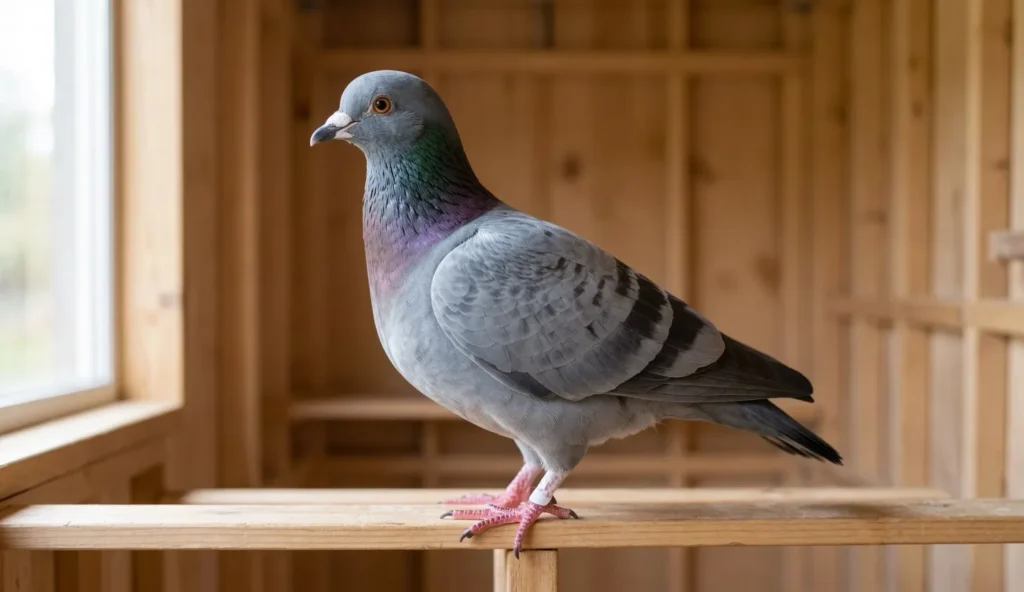
The loft must be clean, dry, and well-ventilated. Provide perches at different heights and nest boxes for breeding pairs. Good hygiene prevents respiratory issues.
Feather and Skin Health
Birds bathe two to three times per week to maintain feather quality. Check for parasites regularly. Provide grit and mineral supplements to support skin and feather health.
Nail and Beak Maintenance
Nails may need trimming every few weeks. Beak trimming is rarely necessary in healthy birds. Calcium supplements support beak strength.
Diet and Nutrition for Show Tumbler Pigeons
Seed Mix and Grains
A high-quality commercial pigeon mix containing corn, peas, wheat, and milo is recommended. Avoid high-fat seeds like sunflower during the off-season. Adjust grain ratios based on activity level.
Supplements and Grit
Grit aids digestion. Vitamin supplements are beneficial during molt and show preparation. Calcium is essential for breeding hens. Proper nutrition is also key for breeds like the Maltese pigeon.
Common Health Issues in English Shortface Tumblers
Respiratory Infections
Poor ventilation often causes respiratory infections. Symptoms include sneezing and nasal discharge. Quarantine new birds and treat with antibiotics when necessary.
Parasites and Mites
Feather mites cause dull plumage. Scaly leg mites affect the feet. Regular dust baths and mite treatments prevent infestations.
Obesity and Metabolic Disorders
Overfeeding leads to obesity and liver problems. Monitor weight before shows. Adjust feeding during rest periods.
Is an English Shortface Tumbler Right for You
Suitability for Show Breeders
This breed is ideal for dedicated show breeders who appreciate fine head structure and flying ability. It requires consistent care, training, and space for flight. The English Shortface Tumbler is not recommended for casual keepers without exhibition goals. Compare with the English Pouter if considering a different show breed.
Frequently Asked Questions
What are the ideal head proportions for an English Shortface Tumbler?
The head should be short and rounded with a prominent forehead. The beak is short and stout, proportional to the head.
How do you condition an English Shortface Tumbler for a show?
Provide daily flight exercise, bathe two to three times weekly, and practice posing to keep the bird calm on the judging table.
What is the best diet for an English Shortface Tumbler?
A high-quality pigeon seed mix with corn, peas, and wheat, supplemented with grit and vitamins, supports optimal health and condition.
Can English Shortface Tumblers fly well despite their compact build?
Yes, they are agile fliers with good endurance thanks to their compact body. Regular flight is essential for health and show condition.
How often should English Shortface Tumblers be bathed?
Two to three times per week in shallow, lukewarm water keeps feathers clean and glossy.
What are common health problems in English Shortface Tumblers?
Common issues include respiratory infections from poor ventilation, feather mites, scaly leg mites, and obesity from overfeeding.
Final Note
The English Shortface Tumbler is a rewarding breed for show enthusiasts who value precise conformation and flying skill. With proper care and training, this pigeon can excel in the exhibition ring.