What Is a Bengal Goat?
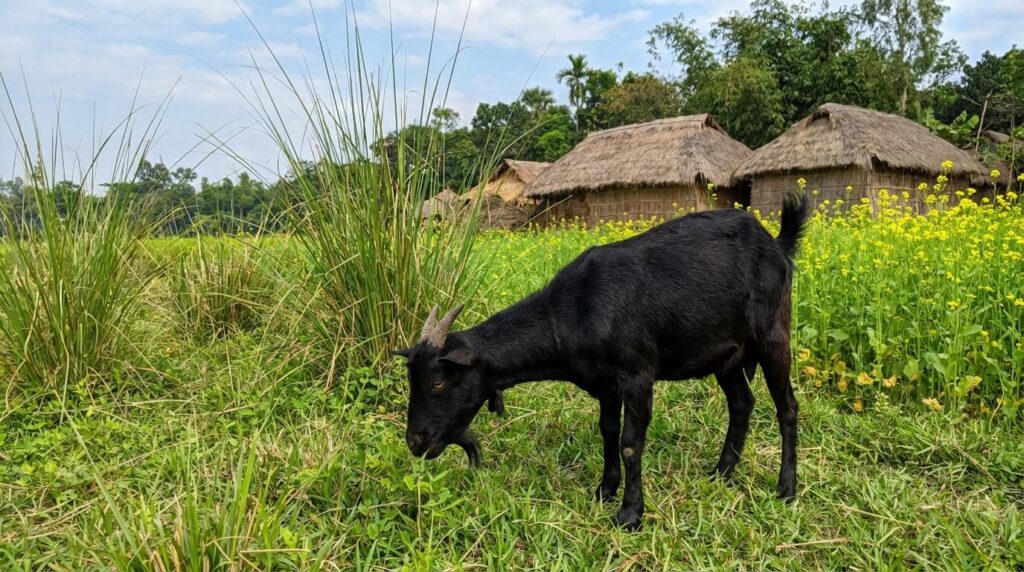
The Bengal Goat is a South Asian goat breed that originates from the eastern regions of the Indian subcontinent, particularly present-day Bangladesh and West Bengal. This breed is primarily raised for meat production and serves as a reliable source of livestock income for smallholder farms. The Bengal goat is also valued for its adaptability to local climate conditions and feeding resources.
Breed Background and Origin Region
The Bengal goat belongs to a group of regional breeds found across South Asia. These animals have been shaped by generations of local farming practices and environmental pressures. In many villages, the term “breed” refers to a landrace population rather than a formally standardized breed.
Primary Uses and Typical Production Goals
Most farmers keep Bengal goats for meat production. The breed grows at a moderate rate and produces lean, flavorful meat. Some owners also use them for dung production or as a low-input livestock option. Performance varies with feed quality and management.
Appearance and Physical Features
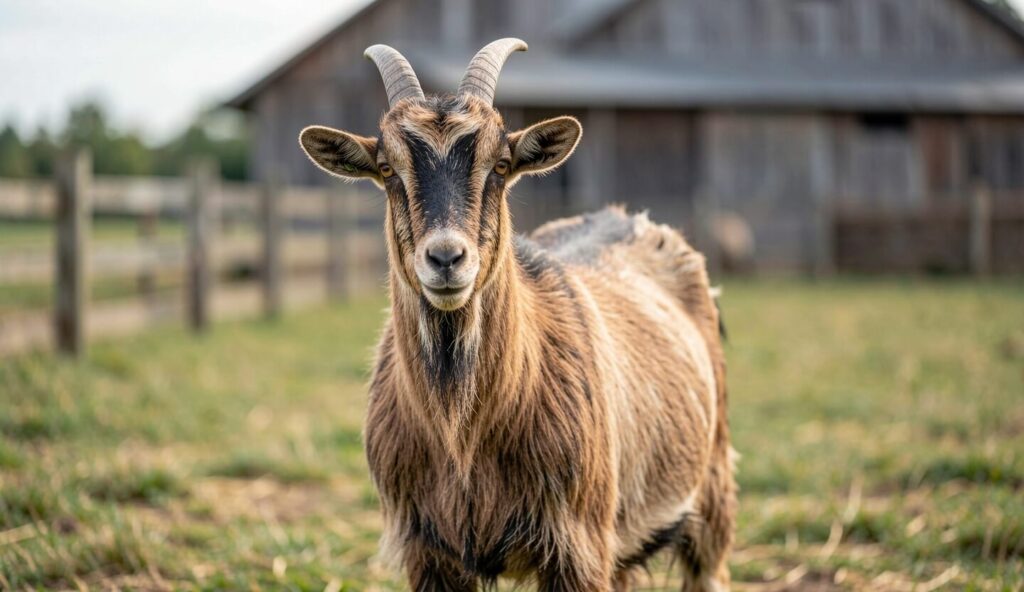
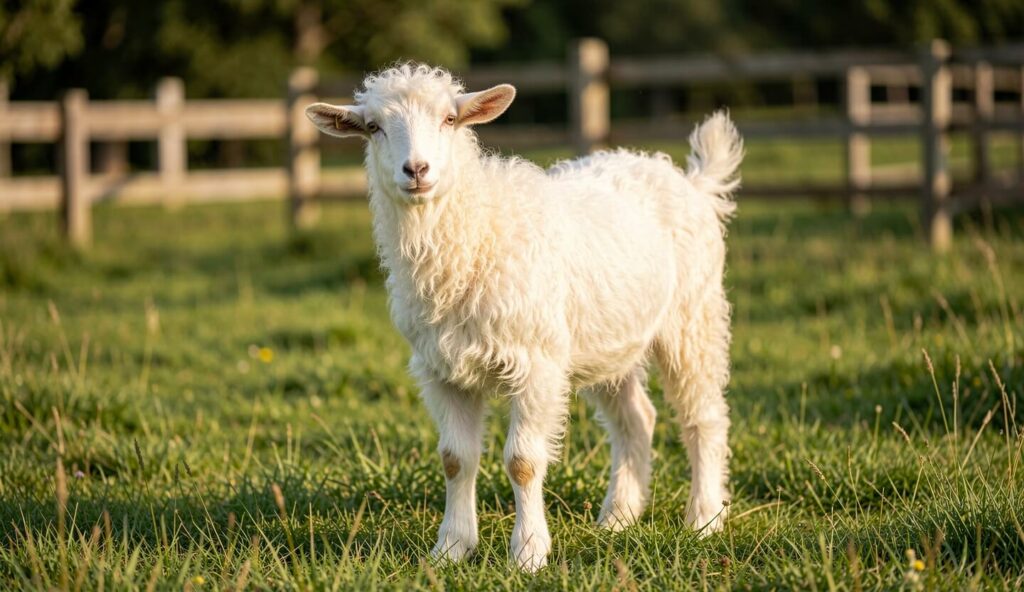
Bengal goats display a compact, muscular body suited for meat production. Their coat comes in a range of solid and mixed colors, and they typically have short hair. The breed is easy to recognize once the common traits are understood.
Coat Color Patterns and Common Markings
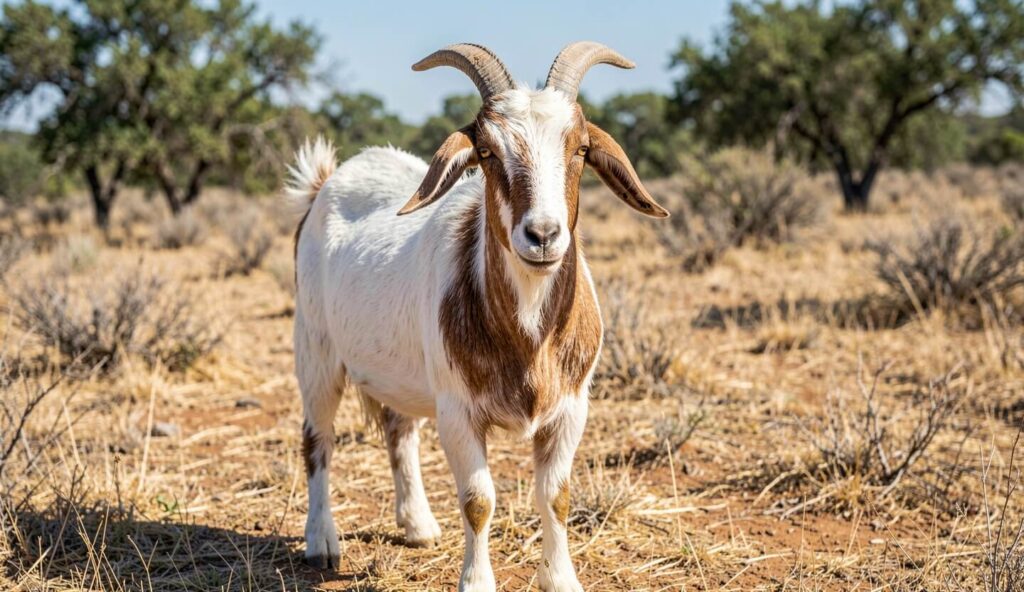
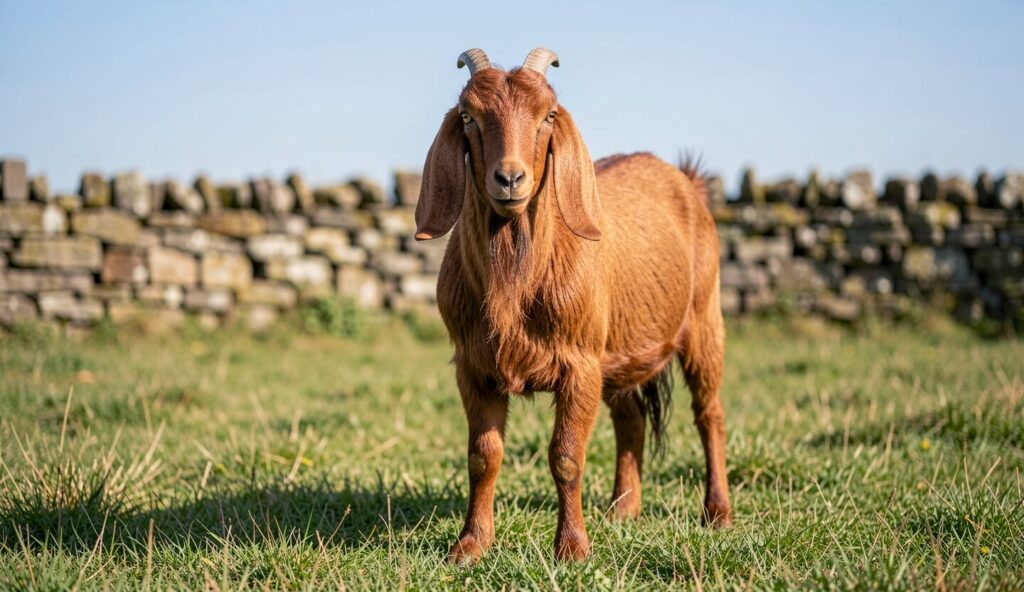
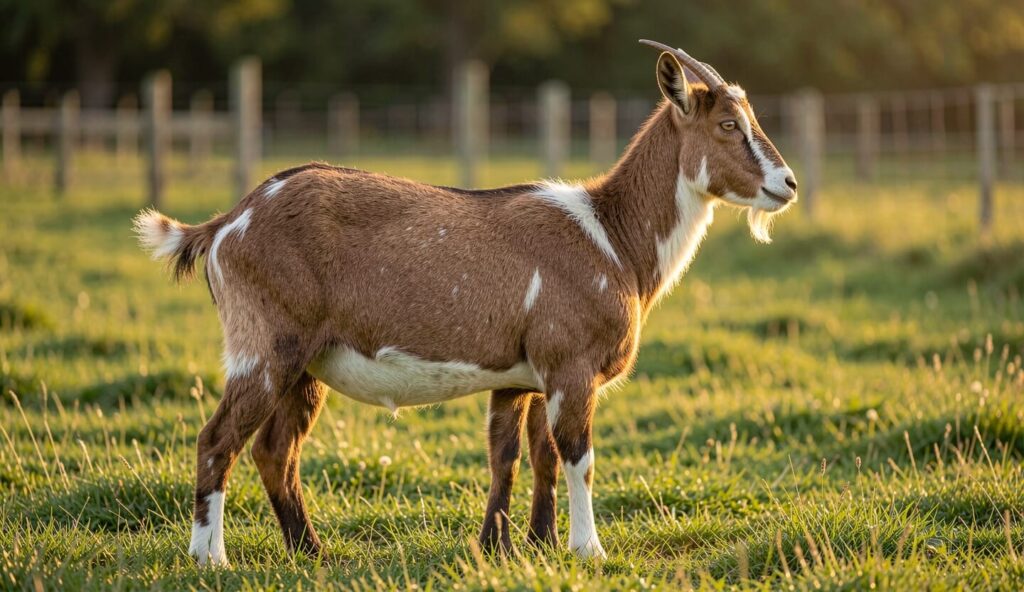
Common coat colors include white, brown, black, and various combinations. Some individuals have white patches on the face or legs. Color variation occurs even within the same herd.
Body Shape, Size, and Weight Range
Mature Bengal goats are medium-sized. Bucks typically weigh 30–45 kg, while does weigh 25–35 kg. Body length and height depend on nutrition and local strain.
Horns, Ears, and General Conformation
Most Bengal goats have horns, though the shape and size vary. The ears are medium-length and drooping. Good conformation — straight legs, broad chest, and strong back — supports overall health and mobility.
Temperament and Behavior on the Farm
Bengal goats are generally calm and manageable. Their temperament makes them suitable for owners with basic handling experience. Social structure and environment influence their behavior significantly.
How Bengal Goats Usually Act With People
These goats tolerate handling well when approached calmly. Regular feeding routines build trust and reduce stress. Individual temperament can vary, so gentle handling is always recommended.
Herding, Social Needs, and Space
Bengal goats are social animals that prefer living in groups. Solitary goats often become stressed and lose appetite. Provide at least two goats per pen to maintain herd stability.
Activity Level and Pasture Use Patterns
These goats are moderately active. They browse and graze for several hours each day. Access to open pasture encourages natural movement and reduces boredom.
Housing Essentials for Bengal Goats
Proper housing keeps Bengal goats dry, safe, and healthy. Shelter design should prioritize ventilation, drainage, and cleanliness. Adequate space prevents respiratory and hoof problems.
Shelter Requirements and Weather Protection
A simple three-sided shed with a sloping roof works well. Ensure good airflow to reduce moisture buildup. Provide shade in hot climates to prevent heat stress.
Bedding, Drainage, and Cleanliness Routine
Use straw or wood shavings for bedding. Replace wet bedding daily to avoid ammonia buildup. Scrape out manure and soiled bedding every week.
Fencing, Pen Setup, and Safety Points
Woven wire fencing at least 1.2 meters high is recommended. Gates must latch securely. Remove sharp objects and loose wires that could cause injury.
Diet and Feeding for Healthy Growth
Feeding Bengal goats correctly supports growth, reproduction, and disease resistance. Forage should form the base of the diet, supplemented with minerals and clean water. Many regional goat breeds thrive on local roughage.
What Bengal Goats Eat Most of the Time
Good quality hay, fresh grass, and tree leaves form the main diet. Provide roughage free-choice to maintain rumen health. Avoid sudden changes in forage type.
Minerals, Salt, and Water Needs
Offer a loose mineral mix designed for goats. Provide free access to salt blocks. Fresh, clean water must be available at all times, especially in hot weather.
Supplement Options and Feeding Schedules
Concentrates like grain or pellets can be offered to growing kids or lactating does. Introduce supplements gradually over one week. Feed twice daily, morning and evening, in consistent amounts.
Handling, Training, and Daily Care Tips
Regular handling makes management easier and reduces stress. Owners should learn basic restraint and health check techniques. Consistent daily routines build trust.
How to Handle Bengal Goats Safely
Approach from the side, not directly in front. Use one hand under the chin and the other on the back for restraint. Watch for signs of fear such as trembling or vocalizing.
Grooming and Hoof Care Basics
Brush the coat occasionally to remove loose hair and dirt. Inspect hooves every 4–6 weeks. Trim overgrown hooves with sharp shears to prevent lameness.
Routine Health Checks Owners Can Do
Monitor body condition score weekly. Check for dull coat, runny eyes, or nasal discharge. Early detection of problems reduces treatment costs.
Common Health Issues in Bengal Goats
Like all livestock, Bengal goats face specific health risks. Preventive management is more effective than treatment. Awareness of common problems helps owners act quickly.
Parasites and Internal Worm Prevention
Internal parasites are a major concern. Practice rotational grazing to break worm cycles. Follow local deworming schedules and perform fecal egg counts when possible. For another hardy regional breed with similar parasite management, see the beetal goat.
Respiratory Problems From Damp Housing
Pneumonia occurs when goats are kept in damp, drafty shelters. Symptoms include coughing, nasal discharge, and lethargy. Improve ventilation and keep bedding dry to reduce risk.
Foot Rot and Hoof Problems
Foot rot develops in wet, muddy conditions. Look for limping, swollen joints, or foul odor. Trim hooves regularly and keep pens dry. The balkan goat also requires diligent hoof care in similar environments.
Breeding Basics and Raising Kids
Breeding Bengal goats is straightforward when basic principles are followed. Careful planning improves kid survival and herd quality. Novice owners can succeed with simple management.
Breeding Planning and Doe Buck Management
Select a healthy, unrelated buck for breeding. Separate bucks from does except during planned breeding. Observe does for signs of heat such as tail wagging and restlessness.
Kid Care From Birth to Weaning
Ensure kids receive colostrum within the first six hours. Provide a warm, dry, draft-free area for newborns. Begin weaning at 8–12 weeks by gradually reducing milk access. The boer goat has similar kid-rearing requirements that new owners can learn from.
Starter Checklist for New Owners
Before bringing Bengal goats home, complete the following preparations. Consistent daily and weekly tasks keep the herd healthy. Use this checklist as a planning guide.
Before Bringing Home Bengal Goats
- Build a dry, ventilated shelter with clean flooring
- Install sturdy fencing and secure all gates
- Stock hay, browse, or pasture for roughage
- Set up mineral feeders and salt blocks
- Prepare a basic veterinary health plan
Daily and Weekly Tasks to Stay Consistent
- Check water freshness and clean water troughs
- Inspect body condition and appetite at feeding
- Observe coat and skin for parasites or injury
- Perform quick hoof checks for overgrowth
- Remove wet bedding and maintain dry drainage
Is the Bengal Goat Right for You?
This breed suits smallholdings and regional farms that prioritize meat production. Its adaptability to local feed and climate reduces management complexity. Beginners who commit to routine care will find Bengal goats a practical choice.
Best Fit for Smallholdings and Regional Farming
Regional breeds often perform better than imported stock because they are already adapted to local conditions. The Bengal goat fits well in mixed farming systems. Many owners also keep other hardy breeds like the nubian goat for dairy or the barbari goat for its small size and meat quality.
Management Requirements to Consider
Owners must commit to housing cleanliness, forage availability, and regular health checks. Hoof trimming and parasite control are non-negotiable. Time investment of 15–30 minutes daily per small herd is typical.
Frequently Asked Questions
What is the typical purpose of the Bengal goat breed?
The Bengal goat is primarily raised for meat production and general farm utility. Exact purposes depend on local farming goals.
What should Bengal goats eat every day?
They need forage and roughage as the main diet, plus fresh water and free access to minerals and salt.
How much housing do Bengal goats need per animal?
Each goat requires about 1.5–2 square meters of dry, well-ventilated shelter space. Avoid overcrowding to reduce disease risk.
What are the most common health problems in Bengal goats?
Parasites and respiratory issues from damp housing are most common. Foot problems including foot rot can also occur.
How can beginners reduce the risk of parasites?
Follow local deworming guidance and maintain clean grazing and hygiene routines. Rotational grazing helps break parasite cycles.
Are Bengal goats good for beginners raising goats?
Yes, they are often suited to smallholdings with consistent routines. Success depends on forage access, housing cleanliness, and regular care.
Final Note
The Bengal goat is a productive, low-maintenance breed that fits well into small-scale livestock systems. With proper housing, feeding, and health care, these goats can serve as a reliable resource for meat and farm utility.