What Is a Banker Goat?
The Banker Goat is a feral goat breed that developed in isolation on the coastal islands of the southeastern United States. These goats adapted to harsh, windy, sandy environments, developing remarkable hardiness and self-sufficiency. The Banker Goat represents an important piece of heritage livestock and conservation genetic resources.
Origin And Where the Breed Is Found
Banker goats are feral goats tied to the coastal islands of the Southeastern US. They developed in isolation and adapted to harsh, windy, sandy environments. The breed is often discussed in conservation and heritage livestock contexts.
How a Feral Breed Typically Behaves Around People
Early-life socialization affects how trusting goats become. Feral history can mean cautious responses to handling at first. Consistent routine helps reduce stress and improve cooperation.
Appearance And Physical Features
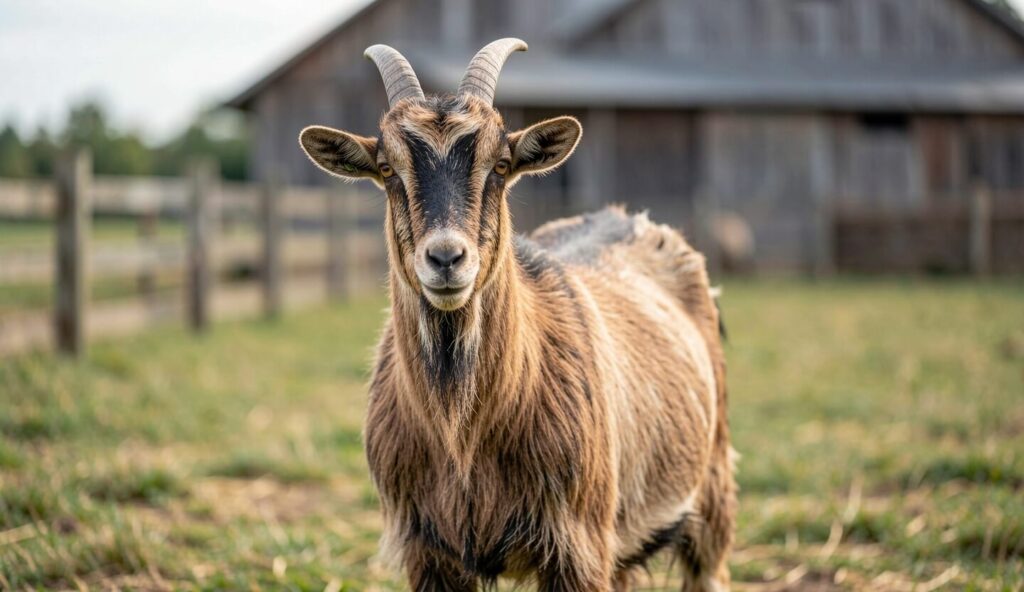
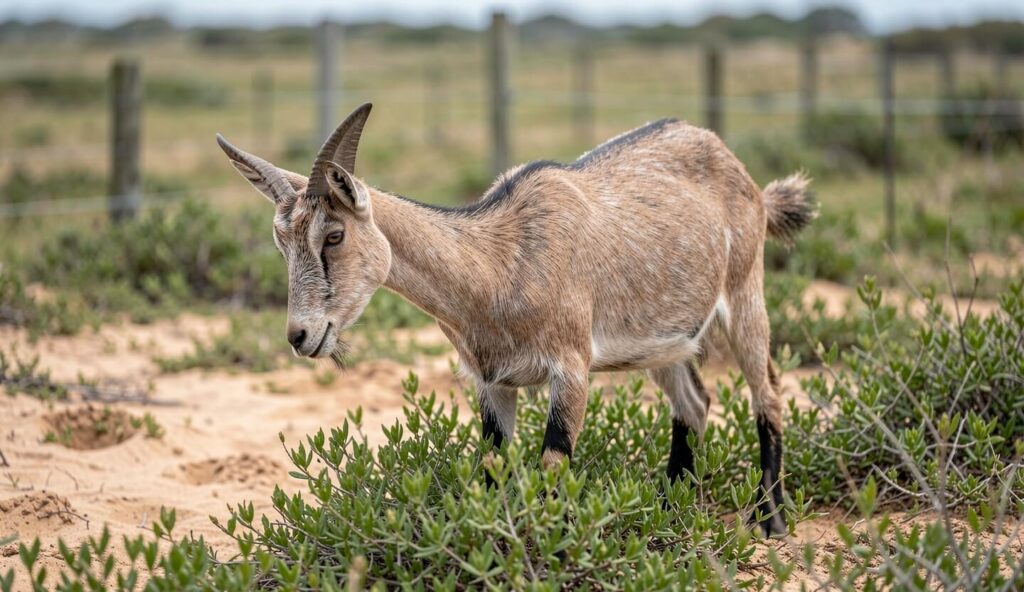
The Banker Goat has a compact, practical build suited for rough island terrain. Banker goat characteristics include a lean condition that is normal when grazing is limited. Their appearance reflects centuries of natural selection.
Coat Color And Common Markings
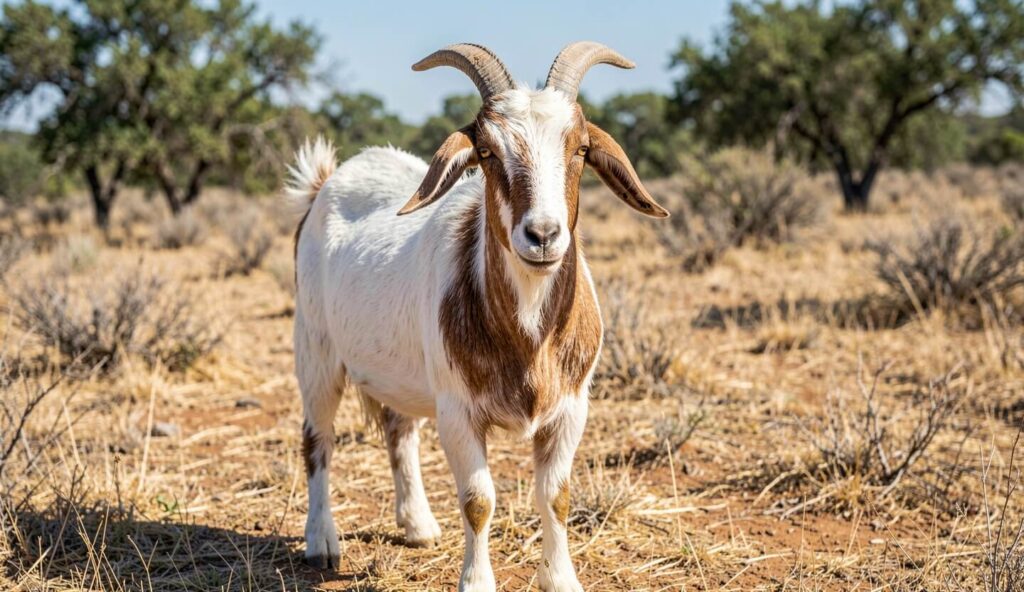
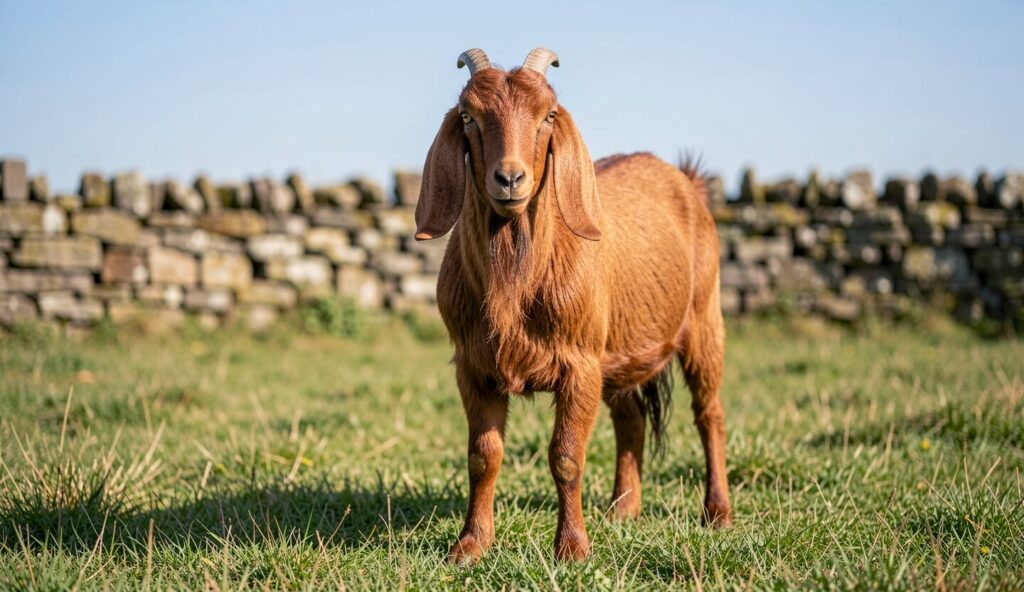
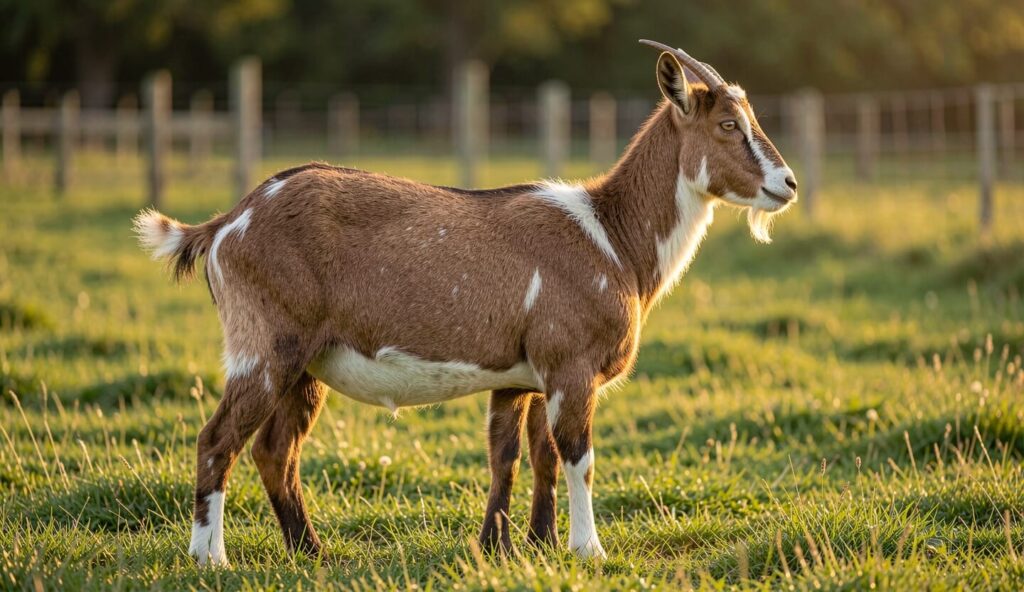
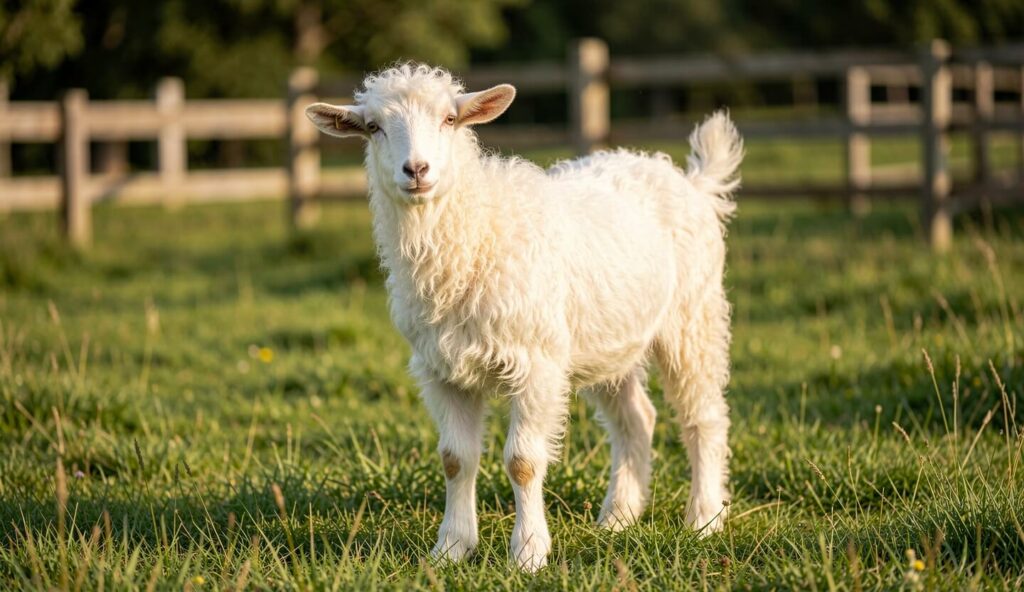
Coat colors can vary widely in feral populations. Some goats show multi-color patterns and uneven spotting. Seasonal coat thickness can change with temperature.
Body Shape And Size Expectations
Typically hardy with a compact, practical build. Legs support travel over uneven, sandy terrain. Horn presence and horn shape can vary among individuals.
Distinctive Hardiness Traits
Good hoof function supports rough ground movement. Lean condition can be normal when grazing is limited. Thickening winter coat helps with cold and wind.
Temperament And Personality
The Banker Goat temperament is generally cautious but can become trusting with consistent handling. Feral ancestry creates initial wariness. Owners should plan for patient trust-building.
Herd Behavior And Social Needs
Goats are social and often do best with compatible herd mates. Isolated goats can show stress or overeating behaviors. Introducing new goats requires gradual, supervised acclimation.
Handling Response And Trainability
Feral ancestry may create initial caution toward humans. Gentle, repeatable handling improves comfort with grooming and hoof care. Short daily sessions are more effective than occasional long sessions.
Activity Level And Foraging Drive
Banker goats often show strong browsing and foraging instincts. They may roam when bored or when fencing is uncertain. Environmental enrichment reduces stress behaviors.
Exercise Requirements And Activity Planning
Exercise needs for this feral goat breed revolve around natural movement across varied terrain. Providing adequate space supports physical and mental health. Rotational grazing mimics their native island conditions.
Space And Range Needs
Adequate grazing space supports natural feeding behavior. Rotational grazing helps prevent overuse of specific areas. Weather shelter is important during storms and high heat.
Environmental Enrichment Ideas
Provide browse options like shrubs within safe fencing. Use feeding stations that encourage movement rather than crowding. Keep water access reliable across the day.
Training And Daily Management Basics
Training a Banker Goat requires a calm, consistent approach. This heritage livestock reward patient handling with improved cooperation. Establish routines early for best results.
Establishing A Calm Routine
Feed and chores at consistent times to reduce stress. Approach slowly and avoid sudden movements. Use calm body positioning when entering pens.
Teaching Basic Behaviors
Practice quiet feeding from a consistent spot. Train for standing during grooming and hoof checks. Reward calm behavior with small, safe treats.
Fencing And Escape Prevention
Feral genetics can mean persistent exploration and testing boundaries. Use secure fencing designed for goats, not just small animals. Inspect gates and latches daily for weak points.
Grooming And Care Tips
Regular grooming supports Banker goat care by keeping the coat and hooves healthy. This breed requires less intensive grooming than many domestic goats but still needs routine attention.
Coat Care And Seasonal Shedding
Brush as needed, especially during heavy shedding seasons. Check coat for dirt mats after rainy or sandy conditions. Watch for skin irritation or unusual bare patches.
Hoof Health And Foot Checks
Schedule routine hoof inspections to catch issues early. Keep walking surfaces as dry as possible to reduce problems. Trim hooves as advised by a goat-experienced professional.
Health Monitoring During Grooming
Look for lumps, coat changes, or breathing differences. Check eyes and nose for discharge or crusting. Track appetite, water intake, and stool consistency.
Diet And Nutrition For A Banker Goat
The Banker goat diet is based on forage such as hay and pasture browse. These goats are efficient browsers and thrive on a high-fiber, low-concentrate diet. Proper nutrition supports their natural hardiness.
Core Diet Components
Base the diet on forage such as hay and pasture browse. Provide minerals appropriate for goats and local forage conditions. Fresh, clean water must be available at all times.
Forage Quality And Grazing Management
Use good quality hay when pasture growth is limited. Avoid sudden feed changes that can affect digestion. Rotate grazing to reduce parasite load and overgrazing.
Safe Treats And Common Feeding Mistakes
Treats should be small and limited to avoid excess calories. Do not rely on grains as the main diet source. Remove moldy feed immediately to prevent serious illness.
Minerals And Supplements
Use a goat mineral mix rather than guessing mineral needs. Consider local soil differences that affect forage mineral content. Pregnant and nursing does often have higher requirements.
Common Health Issues In Banker Goats
Banker goat health issues are similar to other breeds but their feral background can mask early symptoms. Regular monitoring and preventive care are essential. Understanding common problems helps owners act quickly.
Parasites And Internal Worm Risks
Grazing goats can develop internal parasite problems over time. Fecal testing helps determine actual parasite levels. Rotational grazing and manure management reduce exposure.
Hoof Problems And Lameness Signs
Wet, muddy conditions increase hoof risk. Watch for limping, swelling, or reluctance to walk. Treat quickly to reduce complications and pain.
Respiratory Stress During Weather Extremes
Wind, dampness, and poor ventilation can stress goats. Shelter and dry bedding support recovery and comfort. Seek veterinary input for persistent coughing or nasal discharge.
Digestive Upset From Feed Changes Or Too Little Forage
Sudden diet shifts can cause reduced appetite or digestive issues. Low forage availability can contribute to unhealthy rumen conditions. Contact a veterinarian for severe diarrhea or lethargy.
Breeding Basics For Heritage Goat Owners
Breeding Banker goats requires understanding their seasonal cycles and natural behaviors. This heritage livestock benefits from careful planning and minimal intervention. Kidding should be a low-stress event.
Mating And Doe Readiness
Females typically cycle seasonally, with exact timing varying by region. Provide balanced nutrition before and during breeding. Separate breeding groups to reduce stress and injuries.
Kidding Preparation Checklist
Prepare a clean, dry kidding area with safe bedding. Plan a plan for monitoring during labor hours. Have a veterinarian number ready for urgent situations.
Starter Checklist For New Owners
New owners of a Banker Goat need a practical setup that matches the breed’s needs. Secure fencing and a forage-based diet are priorities. This checklist covers daily and weekly essentials.
Daily And Weekly Setup
Secure fencing with daily inspection. Fresh water checks multiple times daily. Forage and hay supply stored to avoid moisture and mold.
Health And Handling Supplies
Goat-safe grooming tools and hoof check supplies. Scale for monitoring weight changes if available. Fecal testing schedule for parasite management.
Biosecurity And Quarantine Steps
Quarantine new goats before mixing with the herd. Use clean tools and avoid shared feed equipment between groups. Observe appetite, stool, and behavior for early signs of illness.
Is a Banker Goat Right For You?
This feral goat breed suits owners committed to conservation and patient handling. Banker goat characteristics demand secure fencing and consistent health monitoring. Assess your space, time, and experience level before acquiring one.
Good Fit Situations
Owners who can provide secure fencing and daily routine management. Those interested in heritage livestock and conservation-minded practices. People prepared for forage-focused feeding and regular hoof checks.
Challenges To Plan For
Feral ancestry can require more time to build trust. Parasite control needs consistent planning and monitoring. Weather extremes require appropriate shelter and dry bedding.
For those interested in other heritage goat breeds, the Bagot Goat offers a similar feral background with distinct markings. The Boer Goat is a meat breed with a more docile temperament, useful for comparison.
Frequently Asked Questions
How big do Banker goats get?
Adult size can vary by individual and local lines. Diet and body condition influence how large a goat appears.
What do Banker goats eat day to day?
Forage like hay and pasture browse should form the base of the diet. Mineral access and clean water are required daily.
Are Banker goats good for beginner owners?
They can be manageable with routine handling and secure fencing. Consistent health monitoring and hoof care are important.
Do Banker goats need special fencing?
Secure goat fencing is important due to exploration behavior. Inspect gates and latches regularly to prevent escape.
What health problems are most common in Banker goats?
Parasites, hoof issues, and digestive upset are common concerns in goats. Early veterinary guidance helps when symptoms appear.
How should hooves be cared for?
Check hooves regularly and address lameness early. Trim hooves as recommended by a goat-experienced professional.
Final Note
The Banker Goat is a resilient heritage breed that rewards careful management with robust health and low input costs. Owners who provide secure fencing, forage-based feeding, and consistent handling will find this feral breed a fascinating addition to a conservation-minded homestead.