What Is a Verata Goat
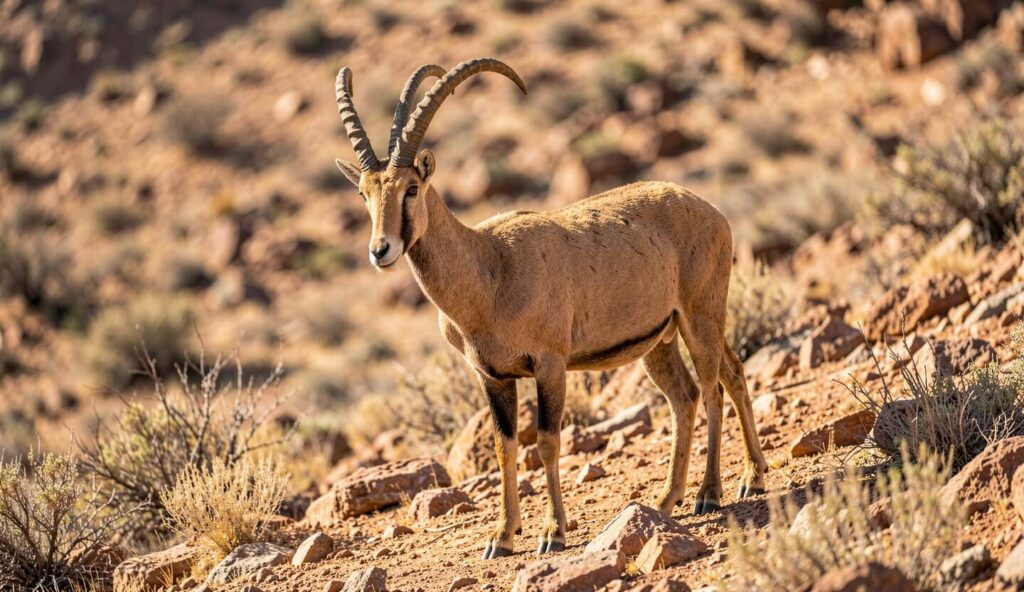
The Verata Goat is a Spanish heritage breed that originates from the Vera region of Extremadura. This breed has a long history in Iberian livestock farming and is valued for its hardiness in rugged terrain. It is a dual-purpose animal raised for both milk and meat production.
As a traditional Spanish goat breed, the Verata shares traits with other indigenous goats like the Murciana Goat, but it remains distinct in its adaptation to dry, mountainous areas. Breed researchers often study this breed for its resilience and genetic diversity.
Appearance and Physical Characteristics
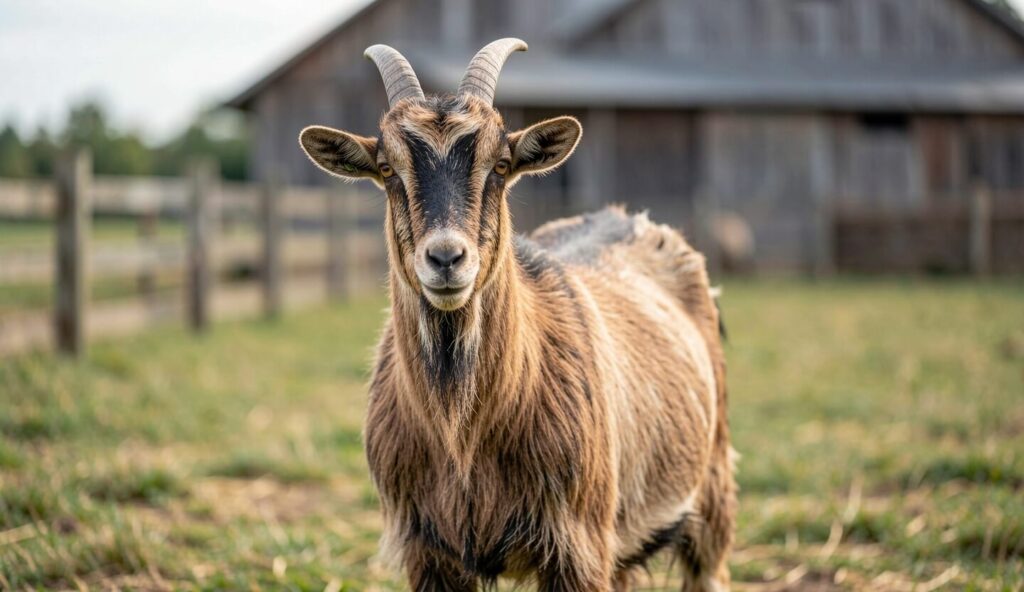
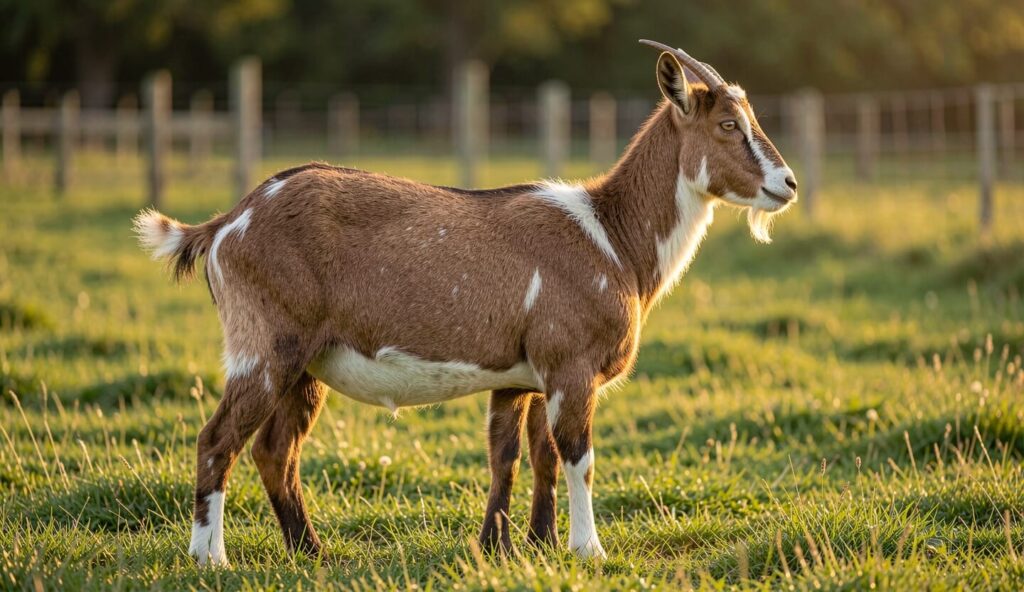
The Verata goat has a robust and rustic appearance that reflects its mountainous origins. Its body is well-proportioned with a deep chest and strong legs.
Size and Weight
Does typically weigh between 40 and 50 kilograms, while bucks can reach 60 to 75 kilograms. Height at the withers ranges from 70 to 80 centimeters. This size makes them medium-sized compared to other dairy breeds.
Coat Color and Texture
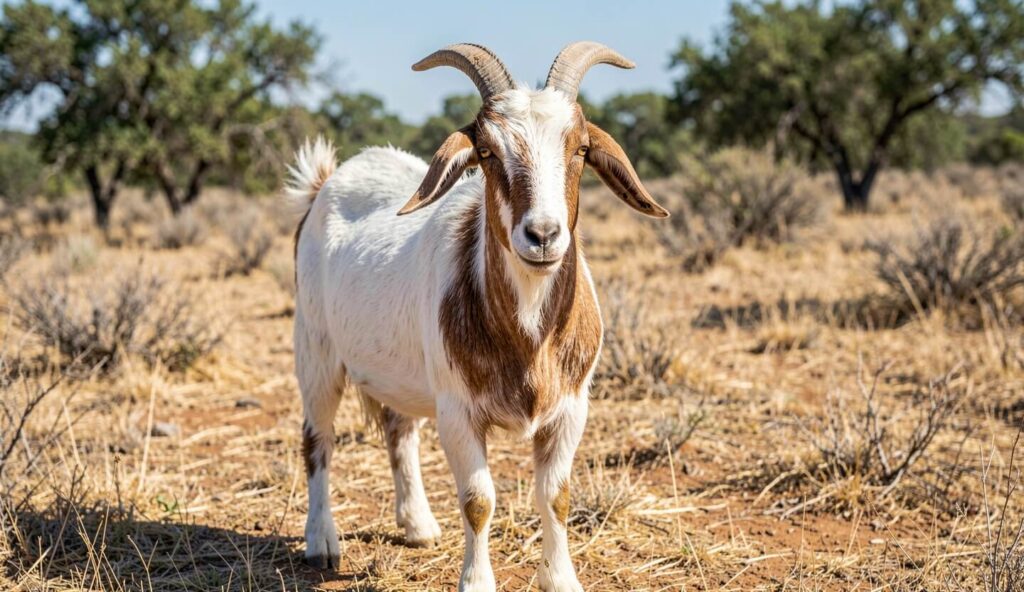
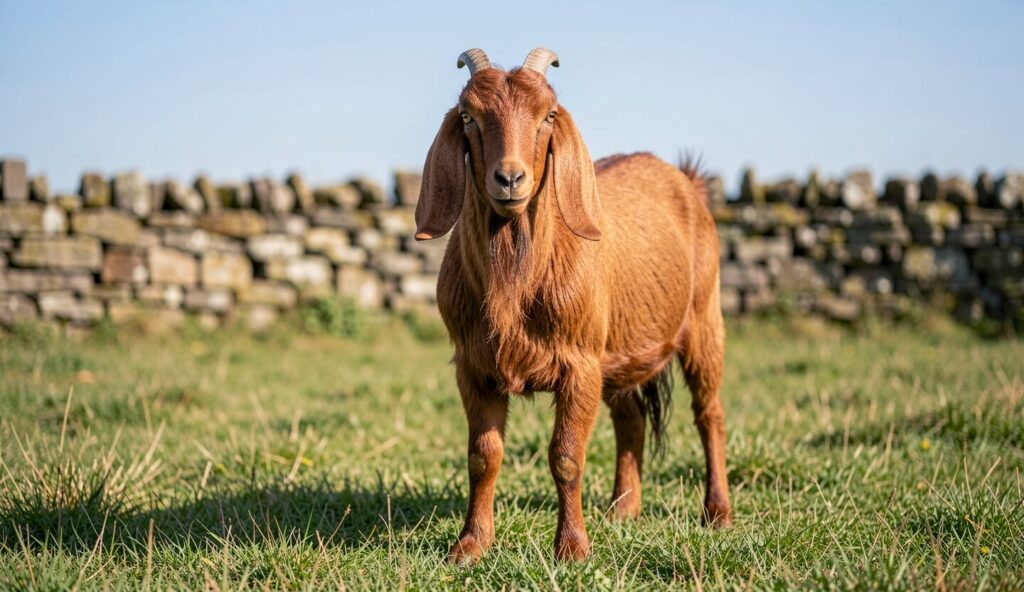
Coat colors vary widely, including red, brown, black, and mixed patterns. The hair is short to medium in length and often coarser along the back. Some individuals display lighter patches on the belly and face.
Distinctive Facial Features
The Verata goat has a Roman nose profile, long drooping ears, and a beard present in both sexes. These facial characteristics make the breed easily recognizable. The eyes are alert and expressive.
Temperament and Behavior
This breed is known for a calm and docile disposition, making it suitable for small farms and hobby operations. Verata goats are curious but not aggressive toward humans or other animals.
General Disposition
They interact well with other livestock, including sheep and cattle. Their gentle nature reduces stress during handling and milking. Trust builds quickly with consistent, patient care.
Social Needs
Verata goats thrive in herds and become stressed when isolated. They prefer the company of at least one other goat or compatible ruminant. Owners should plan for multiple goats to ensure emotional well-being.
Caring for a Verata Goat
Proper care keeps Verata goats healthy and productive. Attention to housing, nutrition, and grooming is essential for this hardy Spanish goat breed.
Housing and Space Requirements
Provide a dry, draft-free shelter with good ventilation. Minimum indoor space is 2.5 square meters per goat. Access to pasture or a large exercise yard allows natural foraging behavior.
Feeding and Nutrition
The main diet consists of hay, grass, and browse from shrubs. Lactating does benefit from supplemental grain to support milk production. Always offer fresh water and mineral blocks formulated for goats.
Grooming and Hoof Care
Brush the coat weekly during shedding seasons to remove loose hair. Trim hooves every six to eight weeks to prevent overgrowth and lameness. Check for external parasites like lice and mites regularly.
Common Health Issues
Verata goats are generally robust, but they face typical caprine health challenges. Preventive management reduces the risk of serious problems.
Internal Parasites
Stomach worms are a common concern, especially in wet conditions. Regular fecal testing helps monitor parasite loads. Rotating pastures and using targeted deworming protocols maintain herd health.
Respiratory Infections
Damp, poorly ventilated housing encourages respiratory infections. Signs include coughing, nasal discharge, and lethargy. Keep shelters clean and dry to minimize this risk.
Foot Rot
Bacteria thrive in wet bedding and muddy yards, leading to foot rot. Dry bedding and routine hoof trimming prevent infection. Treat affected hooves with topical disinfectants and separate infected animals.
Raising Verata Goats for Milk and Meat
This breed serves dual-purpose roles effectively. Its milk and meat qualities appeal to traditional Spanish producers and modern homesteaders alike.
Milk Production
Does produce an average of 1.5 to 2.5 liters of milk per day with a butterfat content around 4%. The milk is rich in protein and carries a pleasant flavor, ideal for cheese making.
Meat Quality
The meat is lean and tender with a mild taste. Kids reach market weight at four to six months of age. This meat suits traditional Spanish dishes such as cabrito asado.
Breeding Verata Goats
Breeding programs should respect the breed’s natural cycles and heritage genetics. Proper management ensures healthy kids and sustainable milk or meat production.
Reproductive Cycle
Verata goats are seasonally polyestrous, typically breeding in the fall. Gestation lasts about 150 days. Does usually bear single kids, though twins occur occasionally.
Kidding and Care
Provide a clean, warm kidding pen for the birth. Colostrum must be available within the first six hours. Monitor for dystocia, as difficult births require prompt veterinary assistance.
Is the Verata Goat Right for You
This breed suits experienced goat keepers and dedicated beginners who understand the needs of heritage livestock. It requires consistent care and ample space for grazing.
The Verata goat thrives in dry climates and rugged terrain, making it an excellent choice for farms with rocky or hilly pastures. Its calm temperament makes handling manageable for families. However, the breed’s need for social companionship means you cannot keep a single goat alone.
Breed researchers value the Verata for its genetic contribution to rare goat populations. For those interested in preserving Spanish goat breeds, this animal offers a rewarding project. Consider your local climate, herd size goals, and time commitment before acquiring one.
Frequently Asked Questions
What is the origin of the Verata goat?
The Verata goat originated from the Vera region of Extremadura, Spain. It is a traditional Spanish breed with a long history in Iberian livestock farming.
How big does a Verata goat get?
Does weigh 40–50 kg and bucks 60–75 kg. Height at withers ranges from 70 to 80 cm.
Are Verata goats good for milk production?
Yes, they produce 1.5–2.5 liters of milk daily with around 4% butterfat. The milk is rich and suitable for cheese making.
What is the temperament of a Verata goat?
They are calm, docile, and easy to handle. They enjoy herd life and can be kept with other livestock.
What health problems are common in Verata goats?
Internal parasites, respiratory infections, and foot rot are the most common issues. Good management and preventive care reduce these risks.
How long do Verata goats live?
With proper care, they live 10–14 years on average. Some individuals have been known to live up to 16 years.
Final Note
The Verata goat is a resilient and productive heritage breed that deserves wider recognition. Whether kept for milk, meat, or conservation, it rewards attentive owners with reliable performance and a gentle nature.