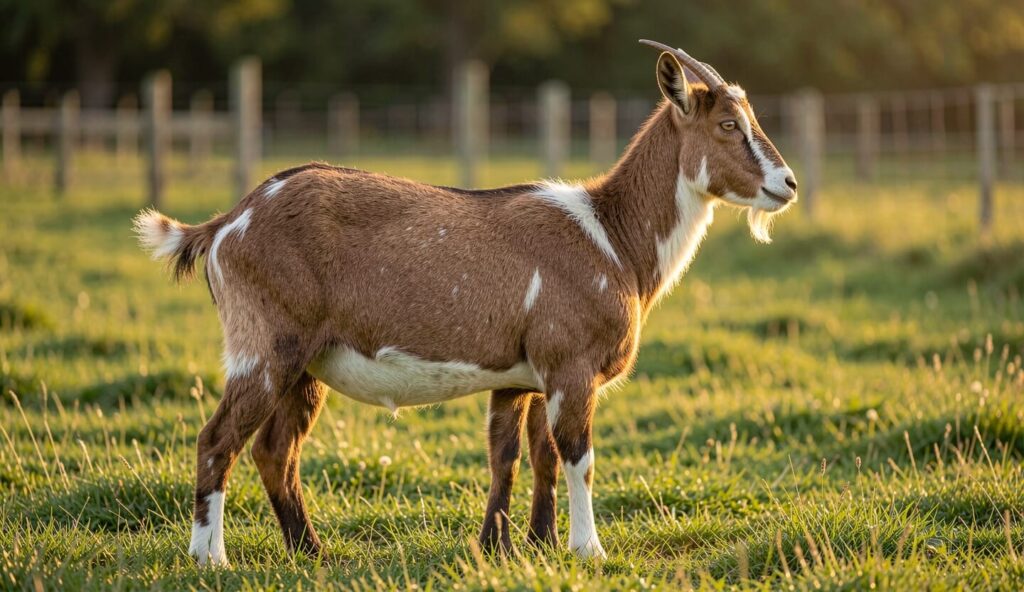
What Is a Myotonic Goat
The Myotonic Goat is a domestic goat breed carrying a hereditary condition known as myotonia congenita. This condition affects the skeletal muscles, causing them to contract for several seconds when the goat is startled. The goat remains fully conscious throughout the episode and recovers within seconds without injury. Breeders originally valued this trait because the stiffening made the goats easier to handle and less likely to jump fences.
Today, the Myotonic Goat is prized as a pet, a show animal, and a meat breed. Its calm nature and manageable size make it suitable for beginners. The breed is also recognized by the American Livestock Breeds Conservancy as a recovering heritage breed.
Appearance and Physical Traits
The Myotonic Goat has a distinct, sturdy build that reflects its meat-type heritage. Its body is compact and muscular, with a broad chest and strong legs. Both males and females have a short to medium-length coat that lies flat against the body.
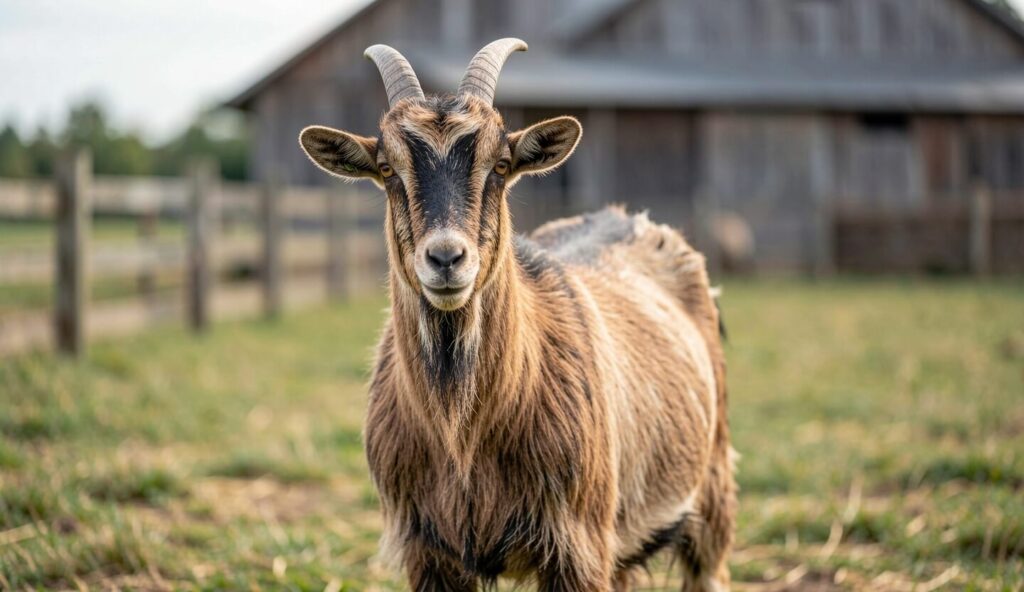
One of the breed’s most recognizable features is its Roman nose profile, which gives the face a slightly convex shape. The ears are medium-length and point forward, adding to an alert expression. Eye color is typically brown, and the eyes are large and expressive.
Size and Weight
Myotonic Goats are medium-sized. Adult males typically weigh between 60 and 80 kilograms, while females range from 45 to 60 kilograms. Shoulder height for both sexes falls between 45 and 60 centimeters. The breed has a lower body fat percentage compared to many other meat goats, giving it a lean, athletic appearance.
Coat and Color Variations
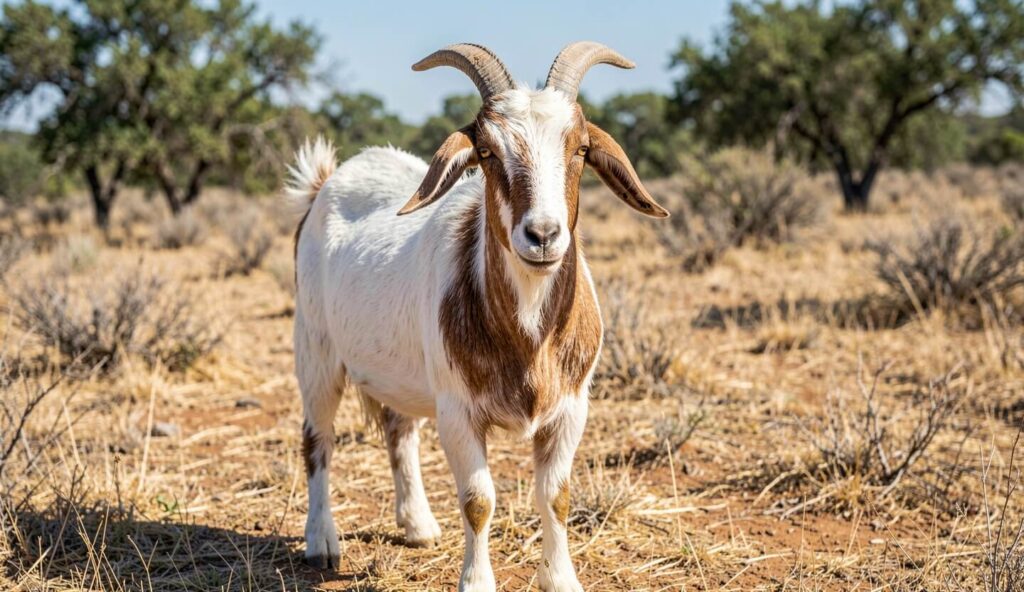
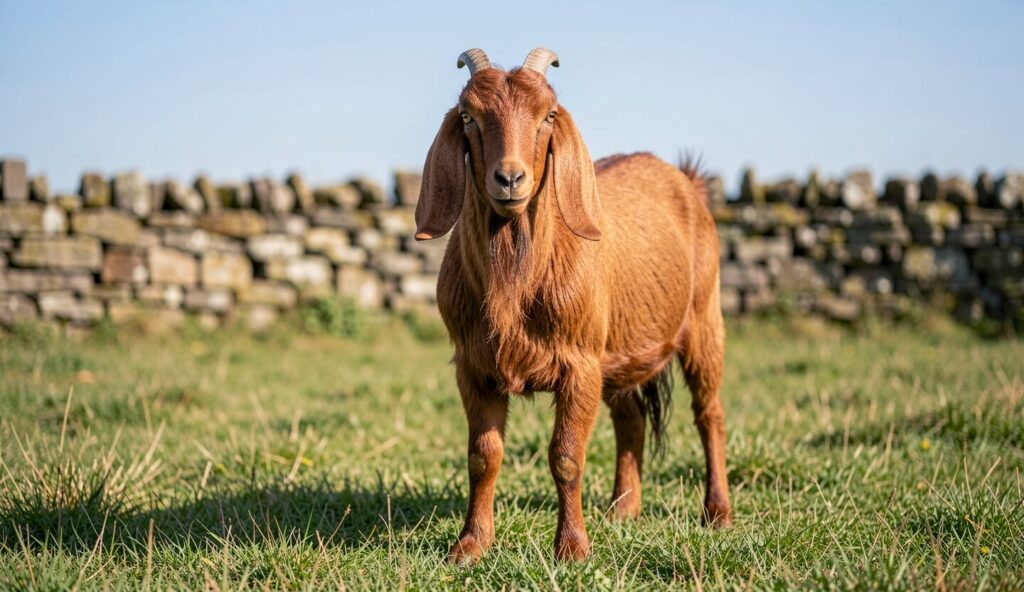
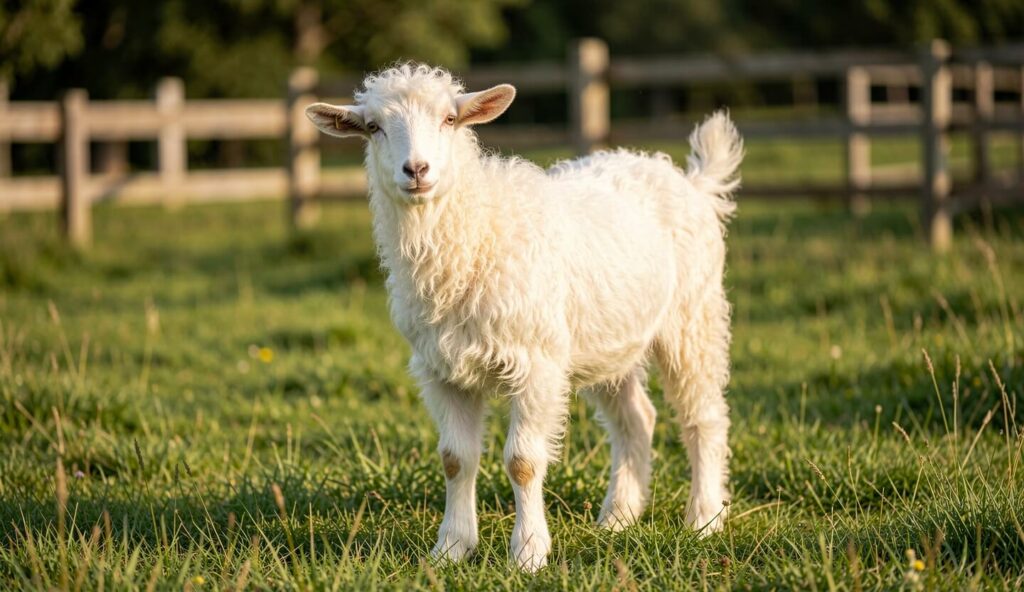
The coat of a Myotonic Goat is short to medium length and can be either smooth or slightly coarse. A wide variety of colors and patterns appear in the breed. Common solid colors include black, white, brown, and gray. Patterned goats may show facial stripes, white markings on the legs or belly, and patches of contrasting color. Some individuals have a roan or mottled appearance.
Because the breed is not a color breed, registration associations accept all coat colors. This diversity makes each goat visually unique.
Distinctive Facial Features
The Myotonic Goat’s face is one of its most charming attributes. The Roman nose is a prominent curve from forehead to muzzle. The ears are medium-sized and set horizontally, with the tips curving slightly forward. The eyes are set wide apart and are known for their gentle, calm expression.
These facial traits, combined with a stocky body, give the Myotonic Goat an appearance that is both endearing and robust.
Temperament and Personality
Myotonic Goats are widely praised for their quiet and easygoing demeanor. They are not aggressive or skittish, making them an ideal pet goat breed for families with children. These goats form strong bonds with their owners and respond well to gentle handling.
Their natural calmness also makes them easier to manage than many other goat breeds. Owners often describe them as curious but not pushy, and they tend to be less vocal than dairy goats. The breed’s docile nature is one of the primary reasons people choose it as a first goat.
Calm and Gentle Nature
Myotonic Goats are among the most placid of all goat breeds. They rarely show signs of aggression toward humans or other livestock. Even during handling or veterinary procedures, they remain cooperative.
This temperament makes them particularly suitable for petting zoos, therapy programs, and small homesteads. Children can safely interact with them under supervision. The goats are also known to be curious about new objects and people without becoming overly anxious.
The Fainting Response Explained
The fainting response is not a seizure or a loss of consciousness. When a Myotonic Goat is startled by a loud noise, sudden movement, or excitement, its muscles contract and stiffen. This stiffening can cause the goat to topple over if it is standing, but it remains fully awake and aware.
The episode lasts only a few seconds. After the muscles relax, the goat stands up and resumes its normal activity. The condition is non-progressive and does not cause pain. Over time, goats often learn to avoid situations that trigger the response, so adults may faint less frequently than kids.
Social Behavior and Bonding
Myotonic Goats are highly social animals that thrive in herds. They should never be kept alone. A single goat will become lonely and stressed, which can lead to health problems. Ideally, owners should provide at least one companion goat, preferably of a similar size and disposition.
These goats bond closely with their human caregivers. They will often approach owners for attention, treats, or scratching. They are moderately vocal, using soft bleats to communicate with herd mates and people. When bonded with another goat breed such as the Pygmy Goat or the Nigerian Dwarf Goat, they form a stable social group.
Exercise and Space Requirements
Myotonic Goats are not high-energy animals, but they require space to graze and explore. A minimum of one-quarter acre of pasture per goat is recommended. The area should include browse plants such as bushes or low trees, as goats are natural browsers.
Daily exercise helps maintain muscle tone and prevents obesity. Even with limited space, a large pen with climbing structures or stumps can suffice if the goats have time to roam.
Daily Activity Needs
An hour or two of free-range grazing each day meets most of their activity requirements. During colder months, they can be kept in a larger pen or paddock with hay feeders and toys. Bored goats may develop destructive behaviors like chewing fences, so enrichment items are important.
Providing fresh tree branches, salt licks, and climbing platforms keeps them engaged. Myotonic Goats are not as athletic as some breeds, so they do not require elaborate obstacle courses.
Fencing and Shelter
Secure fencing is critical for Myotonic Goats. Standard woven wire fencing at least four feet high is effective. Due to their stiffening reflex, they are less likely to jump or climb than other goats, but a determined individual might still escape.
Shelter must be dry and draft-free. A three-sided shed with a sloped roof is adequate. Bedding of straw or wood shavings should be changed regularly. In hot climates, shade and ventilation are equally important.
Training and Handling
Training a Myotonic Goat is straightforward because of its trusting nature. Most learn to lead on a halter within a few sessions. Positive reinforcement methods, such as treats and gentle praise, work best.
These goats respond poorly to harsh handling. Patience and consistency produce the best results. Halter training is easiest when started with young kids.
Halter Training Basics
Begin by letting the goat wear the halter without the lead rope for short periods. Offer a treat each time the halter is placed on the head. Once the goat is comfortable, attach the lead rope and practice walking in a confined area.
Myotonic Goats are quick learners. They associate the halter with food and attention, so training progresses quickly. Always use a properly fitted halter to avoid discomfort.
Managing the Fainting Response
Owners should avoid deliberately startling the goat to see it faint. Frequent startling can cause stress. Instead, reduce triggers by moving slowly and speaking softly around the goat. Over time, the goat becomes desensitized to common sounds and movements.
If a fainting episode occurs, simply wait calmly for the goat to recover. Do not try to lift or force the goat to stand. The episode lasts only a few seconds, and the goat will get up on its own.
Grooming and Care Tips
Routine grooming for a Myotonic Goat is minimal. Their short coats require only occasional brushing. However, regular hoof trims and parasite checks are essential for health.
A weekly grooming session is also a good opportunity to inspect the goat’s body for cuts, lumps, or signs of illness. Early detection of problems leads to better outcomes.
Hoof Trimming Schedule
Hooves must be trimmed every six to eight weeks. Overgrown hooves can cause lameness, joint pain, and infection. Use a sharp pair of hoof shears and a rasp.
Restrain the goat securely, either against a wall or in a stanchion. Trim each hoof to match the natural angle of the pastern. Be careful not to cut into the quick, which bleeds and causes pain.
Coat Brushing and Bathing
A soft-bristled brush used once a week removes dirt, loose hair, and external parasites. Myotonic Goats generally do not need baths. If bathing is required, use a mild goat-specific shampoo and rinse thoroughly.
During grooming, check for lice or mite infestations, especially around the ears, neck, and tail. Treat with an appropriate livestock insecticide if needed.
Seasonal Care Considerations
In summer, provide ample shade and fresh water. Goats can suffer from heat stress quickly. In winter, ensure the shelter is dry and free from drafts. Extra bedding helps insulate against cold ground.
Farmers in cold climates should watch for frostbite on the ears of goats with thinner coats. A heat lamp or heated water bucket may be necessary during extreme weather.
Diet and Nutrition
Myotonic Goats are efficient foragers and thrive on a diet based on good-quality hay and pasture. Their nutritional needs change with age, pregnancy, and lactation. Providing a balanced diet prevents obesity and supports overall health.
Forage and Hay
Grass hay, such as timothy or orchard grass, should be available free-choice. Alfalfa hay is higher in protein and calcium, making it suitable for pregnant or lactating does. Pasture grazing provides natural foraging behavior and additional nutrients.
In winter or during drought, hay becomes the primary feed source. Always offer fresh, mold-free hay to avoid respiratory issues.
Grain and Concentrates
Grain is not necessary for most adult Myotonic Goats that have access to good forage. Exceptions include pregnant does in the last trimester, lactating mothers, and growing kids. A commercial goat feed with 14 to 16 percent protein is appropriate.
Overfeeding grain can lead to rumen acidosis and obesity. Measure portions carefully and introduce changes gradually.
Supplements and Minerals
A loose goat mineral mix must be available at all times. These minerals are specially formulated for goats and contain essential trace elements like selenium and copper. Deficiencies in these minerals are common in certain geographic regions.
Fresh, clean water should be changed daily. In cold weather, heated buckets prevent freezing. Dehydration is a leading cause of urinary calculi in male goats, so water access is critical.
Common Health Issues
While Myotonic Goats are generally healthy, they are susceptible to the same parasites and diseases as other goats. Preventative care is the most effective strategy. Knowing the typical health challenges helps owners manage them proactively.
Myotonia Congenita and Its Effects
Myotonia congenita is the defining condition of the breed. It affects skeletal muscles but does not affect the heart or internal organs. The condition is non-progressive, and most goats live full lives without complications.
Rarely, a severe episode may cause the goat to fall awkwardly and injure a leg. Keeping the environment free of sharp objects and obstacles reduces this risk.
Parasite Management
Internal parasites, such as barber pole worm and coccidia, are a primary health concern. Regular fecal exams help determine parasite loads. Deworming should be targeted, not routine, to avoid drug resistance.
External parasites like lice and mites cause itching and hair loss. Treat with ivermectin or permethrin-based products as directed. Quarantine new goats before introducing them to the herd to prevent parasite spread.
Hoof and Joint Problems
Overgrown hooves can lead to lameness and arthritis in older goats. Trim hooves on schedule and keep bedding dry to reduce foot rot risk. Arthritis may develop in senior goats; pain management and soft bedding improve quality of life.
Regular observation for limping or reluctance to move is important. Early intervention prevents chronic pain.
Vaccination and Vet Care
Annual vaccination with CDT (Clostridium perfringens types C and D plus tetanus) is essential. This vaccine protects against enterotoxemia and tetanus. Kids should receive the first shot at four weeks of age, with a booster two to four weeks later.
Build a relationship with a livestock veterinarian before emergencies arise. Well-goat checkups and blood tests for diseases like CAE (caprine arthritis encephalitis) are recommended.
Is a Myotonic Goat Right for You
Deciding whether a Myotonic Goat fits a household depends on space, time, and commitment. These goats are not high-maintenance but do require daily care and social companionship. Families with children, first-time owners, and hobby farmers often find them a rewarding choice.
Ideal Home Environment
A rural or suburban property with at least a quarter acre of pasture per goat is ideal. The enclosure must be predator-proof, especially against dogs and coyotes. Myotonic Goats are not climbers, but they can squeeze through gaps in loose fencing.
At least one companion goat is mandatory. Many owners pair Myotonic Goats with Boer Goat or Alpine Goat as herd mates, as these breeds share similar size and temperament.
Commitment and Care Level
Daily tasks include feeding, watering, and observing the goats for any signs of illness. Weekly hoof checks and grooming add about 30 minutes of work per goat. Moderate veterinary expenses, including vaccinations and occasional deworming, should be budgeted.
Myotonic Goats live 10 to 15 years, so owners must plan for a long-term relationship. They are not disposable pets.
Benefits of Fainting Goats as Pets
Their unique fainting behavior makes them a conversation starter and an educational animal for children. Their calm temperament reduces the risk of injury during handling. They also require less space and feed than larger livestock, making them accessible to people with smaller properties.
For those seeking a low-stress entry into goat ownership, the Myotonic Goat is an excellent choice. Many owners find that these goats quickly become beloved family members.
A Final Note on Myotonic Goat Ownership
Owning a Myotonic Goat is a straightforward and enjoyable experience for those prepared to meet its basic needs. The breed’s gentle nature and fascinating myotonic response offer endless opportunities for learning and companionship. With proper care, a Myotonic Goat will thrive and bring years of pleasure to its keepers.
Frequently Asked Questions
Why do myotonic goats faint?
They have a genetic condition called myotonia congenita that causes muscles to stiffen when startled. The goat remains conscious and fully recovers within seconds.
Are myotonic goats good pets for beginners?
Yes, they are calm, docile, and easy to handle. They require standard goat care and companionship from another goat.
How much space does a myotonic goat need?
A minimum of one-quarter acre per goat for grazing and exercise is recommended. Secure fencing at least 4 feet tall is essential.
Do myotonic goats get along with other animals?
They typically coexist peacefully with other goats, sheep, and larger livestock. Supervision is needed around dogs or aggressive animals.
What do myotonic goats eat?
Their diet consists mainly of good quality hay and pasture grass. Supplement with a balanced goat feed and free-choice minerals.
How long do myotonic goats live?
They have an average lifespan of 10 to 15 years with proper care. Good nutrition and veterinary checkups can increase longevity.