What Is a Pygora Goat
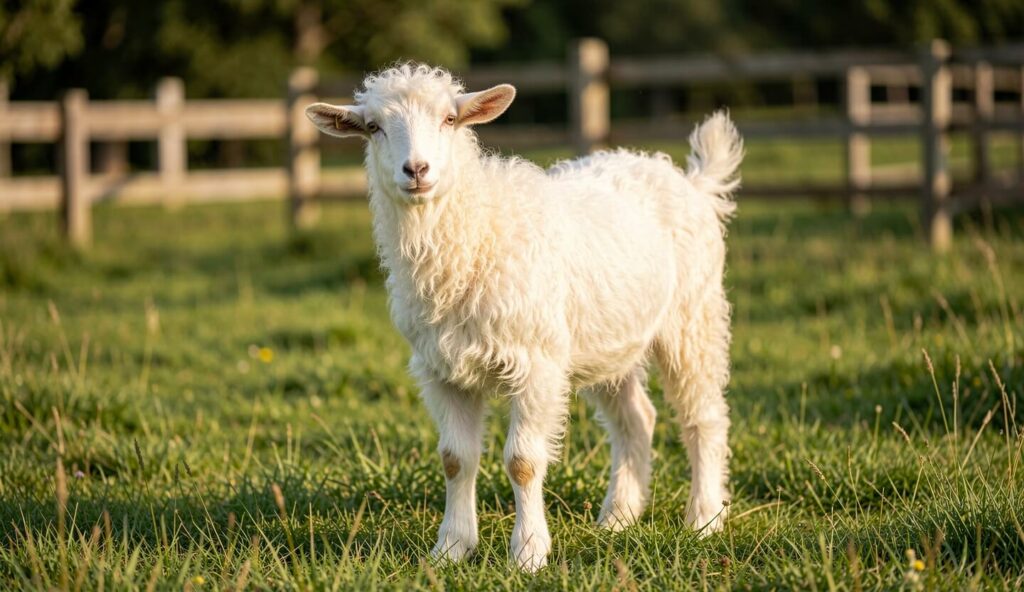
The Pygora Goat is a unique hybrid breed developed in the United States during the 1980s. It results from crossing a Pygmy Goat with an Angora Goat, combining the compact size of the former with the high-quality fiber of the latter. This crossbreeding aimed to produce a manageable, fiber-producing goat suitable for small farms and hobbyists. The Pygora Goat stands out as a versatile fiber goat that also makes a charming pet goat breed.
Understanding the Pygora goat characteristics helps potential owners appreciate its dual-purpose nature. Unlike many larger fiber breeds, the Pygora remains easy to handle and requires less space. These goats offer both a luxurious cashmere-type fleece and a gentle temperament. For fiber artists and small-farm owners, the Pygora Goat delivers practical benefits without the demands of a full-sized livestock animal.
The breed’s development involved careful selection for consistent fiber traits. Breeders aimed to stabilize the three distinct fiber types that now define the Pygora. Today, these goats are recognized by the American Goat Society and the Pygora Breeders Association. Their reputation as easy keepers continues to grow among hobby farmers seeking a manageable fiber goat.
Appearance and Fiber Types
Size and Body Structure
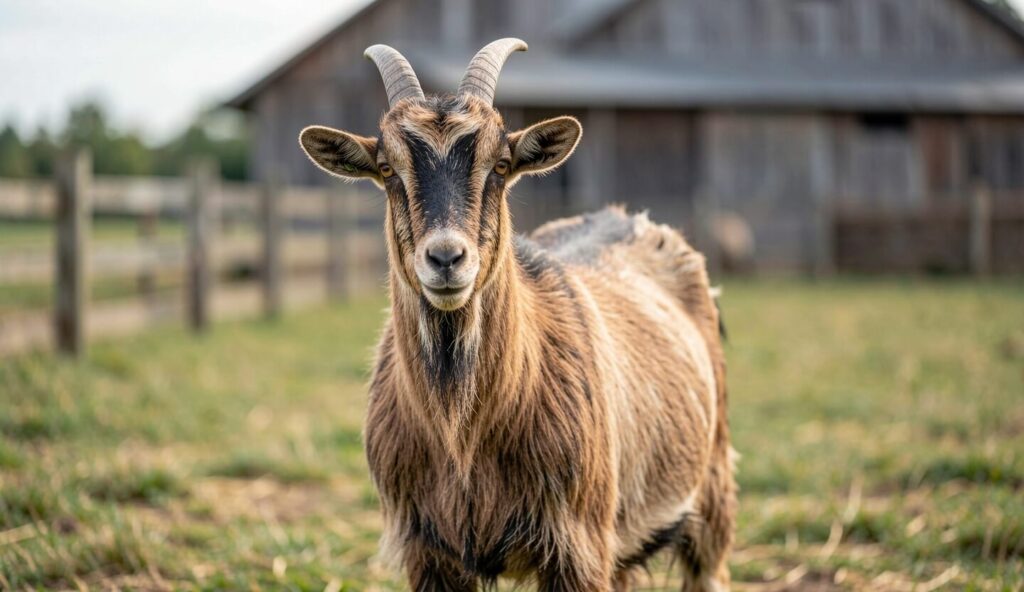
The Pygora Goat stands 18 to 22 inches tall at the withers and weighs between 60 and 95 pounds. This compact size makes it one of the most manageable miniature goat breeds for small acreages. The body is well-proportioned with a straight back, strong legs, and a deep chest. Their small frame reduces feed costs and simplifies handling during shearing and veterinary care.
Males typically weigh more than females, but both sexes maintain a sturdy, balanced build. The breed’s conformation contributes to its agility and ability to navigate rocky terrain. Owners appreciate that these goats do not require the heavy-duty infrastructure needed for larger livestock. Their size also makes them a favorite for fiber hobbyists who lack extensive pasture.
Coat Colors and Patterns
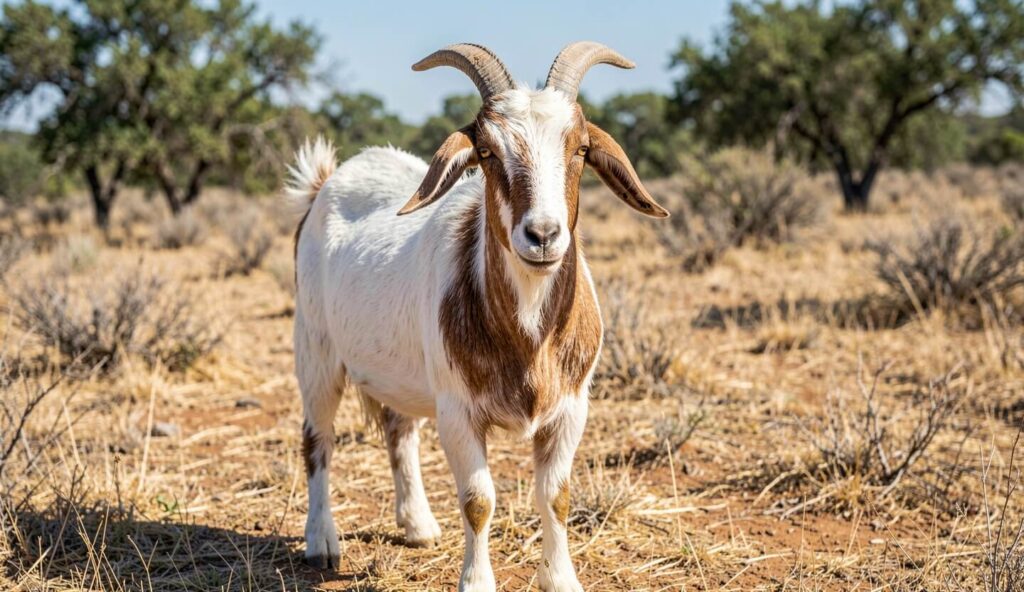
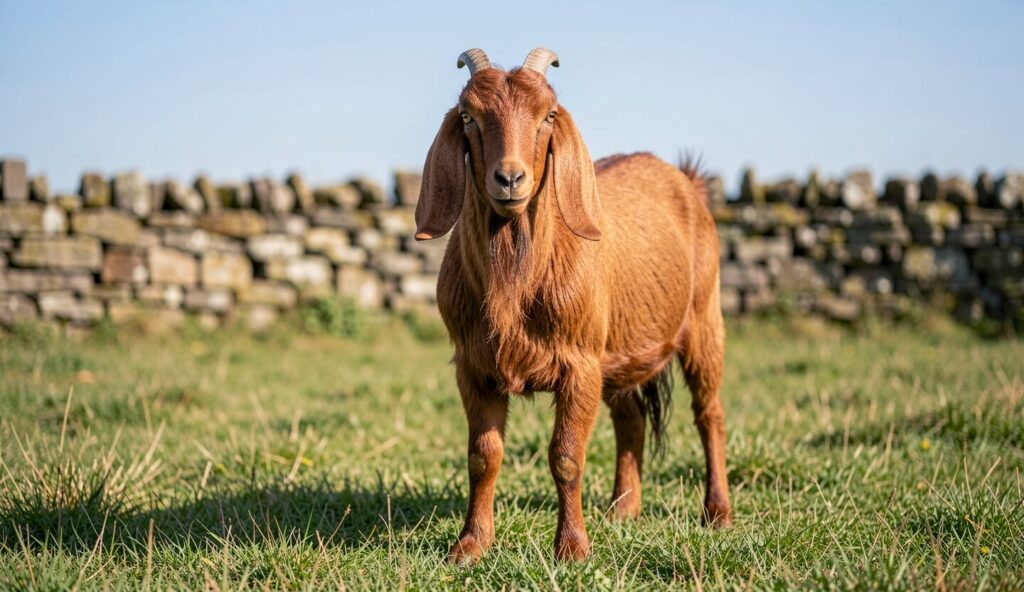
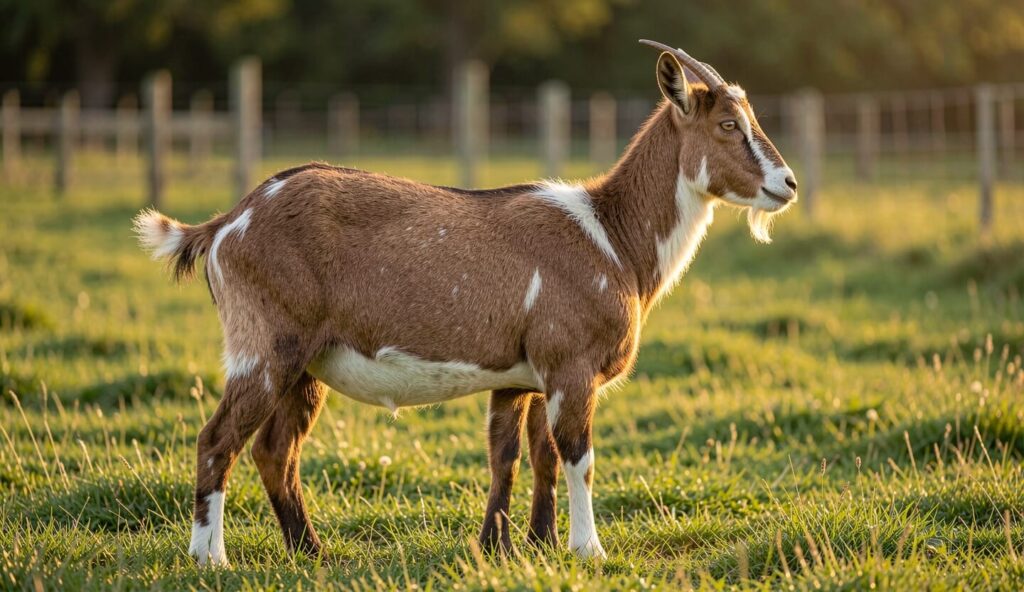
Pygora goats display a wide range of colors including white, black, brown, red, cream, and gray. Many individuals exhibit spots, patches, or multi-colored patterns. Common markings include badgerface, moonspot, and chamoisee patterns. This variety adds visual appeal and helps owners identify individual animals quickly.
The coat’s color can affect the final dyed fiber, but the base fleece often remains light enough for natural colors. Breeders often select for consistent color patterns within their herds. The diversity in coat appearance does not alter fiber quality, which remains the primary focus for most owners. Solid-colored Pygoras are common, but patterned goats are equally sought after by fiber artisans.
Fiber Types Explained
The Pygora Goat produces one of three distinct fiber types, labeled A, B, and C. Type A fiber resembles mohair from the Angora Goat, being long, fine, and silky with a distinct luster, Type B combines the fineness of cashmere with the waviness of mohair, creating a soft, crimped fleece ideal for spinning, and Type C is a coarser, guard-hair dominant fiber suitable for rugs, outerwear, or felting projects.
Each fiber type requires different processing techniques. Type A is often carded and combed for smooth yarns, while Type B handles well on drop spindles. Type C benefits from blending with softer fibers to improve comfort against the skin. The Pygora Breeders Association provides detailed guidelines for classifying and marketing these fibers. Understanding the fiber type helps owners maximize the value of each clip.
Temperament and Personality
Social Behavior with Humans
The Pygora Goat possesses a gentle, curious, and affectionate personality when raised with regular human contact. These goats form strong bonds with their owners and often seek attention and interaction. Their curious nature leads them to explore their surroundings and investigate new objects. Hand-raised kids become particularly tame and enjoy being petted or brushed.
Consistent handling from a young age reinforces their friendly disposition. Pygoras are generally not aggressive, though intact males may exhibit mild dominance behaviors during breeding season. Their calm demeanor makes them an excellent pet goat breed for families. Owners often describe them as social and easy to work with during fiber collection or daily care.
Behavior with Other Animals
Pygora goats thrive in the company of other goats and integrate well with other livestock such as sheep or chickens. They are herd animals and should never live alone, as isolation leads to stress and health problems. A single Pygora requires at least one goat companion, ideally another Pygora or a compatible breed like the Alpine Goat or the Boer Goat. Their playful nature makes them entertaining companions in mixed-species settings.
When introduced properly, Pygoras coexist peacefully with horses, cattle, and even llamas. They are generally non-aggressive but may engage in head-butting games during play. Their small size means they can be vulnerable to aggressive livestock, so supervision is advised. Providing adequate space and multiple feeding stations reduces competition.
Exercise and Enrichment Needs
Pygora goats require daily exercise to maintain physical health and prevent obesity. A minimum of half an acre of pasture or a securely fenced yard allows for adequate movement. They enjoy climbing on rocks, logs, or playground structures designed for goats. Without enrichment, these curious animals may become destructive or develop stereotypic behaviors.
Providing climbing platforms, tunnels, and hanging toys encourages natural exploration. Rotating enrichment items every few days maintains interest and engagement. Exercise also supports healthy hoof wear and digestive function. Owners should ensure the exercise area is free of toxic plants and sharp objects.
Training Basics
Training a Pygora Goat focuses on practical tasks such as leading on a collar, standing still for shearing, and responding to simple cues. These goats are intelligent and learn quickly when food rewards are used. Short, consistent training sessions of five to ten minutes are most effective. Positive reinforcement builds trust and makes future handling easier.
Teaching a goat to follow on a lead prevents stress during vet visits or shows. Desensitizing them to the sound of clippers and the feel of a brush simplifies fiber collection. Many owners train their goats to climb onto a stand for grooming or hoof trimming. Basic obedience training also strengthens the human-animal bond.
Grooming and Fiber Care
Daily and Weekly Grooming
Weekly brushing removes debris, burrs, and loose hair from the Pygora’s coat. This routine also helps owners detect skin issues, parasites, or early signs of illness. Hoof trimming every four to six weeks prevents overgrowth and lameness. Check ears, eyes, and fleece periodically for signs of mites or lice.
Regular grooming sessions acclimate the goat to handling and reduce stress during shearing. Use a soft brush for Type A fiber and a wider comb for Type C. Keep a record of each goat’s grooming schedule to stay consistent. A clean goat produces cleaner fiber at shearing time.
Shearing Schedule
Pygora goats require shearing twice a year, typically in early spring and late fall. Spring shearing removes the winter coat before warmer weather arrives, while fall shearing prepares the goat for winter. Using electric clippers or hand shears, experienced owners can clip a goat in 15 to 30 minutes. Unshorn fiber becomes matted and uncomfortable, so shearing is mandatory for their well-being.
Collect the fleece in clean bags, separating fiber types if crossbred. Dirty or damp fleece should be dried thoroughly before storage. Many fiber hobbyists send raw fleece to a local mill for processing. Shearing also provides an opportunity to inspect the goat’s skin and overall condition.
Fiber Processing Tips
Wash raw Pygora fiber in warm water with a mild soap, avoiding agitation that causes felting. Carding or combing aligns the fibers for spinning into yarn. Type B fiber benefits from gentle handling to preserve its natural crimp. Store raw fiber in breathable containers such as cotton bags or mesh bins to prevent mildew.
Blending Pygora fiber with wool or alpaca creates unique yarn textures. Many fiber artists spin the fleece directly from the lock to maintain its natural character. Keep a sample card of each goat’s fiber to track quality over time. Proper processing maximizes the value and enjoyment of this specialty fiber.
Diet and Nutrition
Hay and Forage Requirements
Unlimited grass hay forms the foundation of a Pygora goat’s diet. Alfalfa hay provides extra protein for growing kids and lactating does. Rotate pastures regularly to prevent overgrazing and parasite buildup. Avoid moldy or dusty hay, which can cause respiratory issues.
During winter or dry seasons, supplement hay with quality haylage if available. Always provide a salt or mineral block specifically formulated for goats. Introduce new forages gradually to avoid digestive upset. Good hay keeps the goat’s fiber in prime condition.
Grain and Supplements
Limit grain to small amounts for pregnant or heavy-milking does; most Pygoras do fine on forage alone. Free-choice goat mineral blocks provide essential trace minerals like copper and selenium. Copper supplementation is especially important for fiber quality and coat health. Overfeeding grain can lead to obesity, bloat, or enterotoxemia.
Offer grain only as a training aid or during winter when forage quality declines. Always store grain in rodent-proof containers to prevent contamination. Consult a veterinarian for specific mineral recommendations based on local soil deficiencies. Balanced nutrition directly affects fiber production and overall vitality.
Fresh Water Access
Clean, fresh water must be available at all times, especially during hot weather or lactation. Use heavy rubber buckets or automatic waterers to prevent tipping. In freezing climates, check water daily and provide heated bowls or tank heaters. Dehydration reduces appetite and worsens fiber quality.
Place water sources in shaded areas to keep water cool. Scrub buckets weekly to prevent algae growth. Add a small amount of apple cider vinegar occasionally to maintain digestive health. Monitoring water intake helps detect early signs of illness.
Common Health Issues
Parasite Management
Internal parasites like coccidia and barber pole worm are common in goats with pasture access. Regular fecal testing helps identify infestations before they cause weight loss or anemia. Rotational deworming, combined with pasture rotation, reduces resistance. External parasites such as lice and mites can be managed with appropriate topical treatments.
Keep housing clean and dry to minimize parasite loads. Quarantine new goats for at least two weeks to prevent introducing parasites. Using the FAMACHA scoring system helps monitor anemia in barber pole worm cases. Effective parasite control is essential for maintaining a healthy fiber goat.
Hoof and Joint Problems
Overgrown hooves are the most preventable health issue in Pygora goats. Regular trimming every four to six weeks prevents lameness and joint strain. Arthritis can develop in older goats, especially those kept on hard surfaces. Provide soft bedding and low platforms to ease joint stress.
Watch for signs of limping or reluctance to move. Trim hooves on a clean, dry surface with proper hoof shears. Consult a veterinarian for severe cases or if an abscess is suspected. Healthy hooves contribute to the goat’s ability to exercise and forage.
Respiratory and Digestive Issues
Pneumonia often results from drafty, damp housing or sudden temperature changes. Ensure shelter is well-ventilated but free of direct drafts. Bloat occurs when goats gorge on grain or lush legumes too quickly. Prevent bloat by introducing dietary changes over a week.
Enterotoxemia, caused by Clostridium bacteria, is a risk when goats overeat grain. Vaccination against clostridial diseases is recommended, especially for animals on high-energy diets. Observe for symptoms like lethargy, reduced appetite, or abnormal breathing. Early veterinary intervention improves outcomes for respiratory or digestive problems.
Is a Pygora Goat Right for You
Ideal Owner Profile
The best owner for a Pygora Goat is a hobby farmer with one to two acres of secure pasture. Fiber enthusiasts who spin or felt their own fleece will particularly appreciate this breed. Families seeking a gentle, manageable pet goat breed also find Pygoras rewarding. Their small size and docile nature make them suitable for older children and adults alike.
Potential owners should have time for regular grooming and shearing. Those interested in breeding can join Pygora associations and participate in fleece shows. The breed’s adaptability makes it a good choice for first-time goat owners willing to learn. The Pygora Goat fits best into a lifestyle that values both fiber craft and animal companionship.
Potential Challenges
The need for biannual shearing is a commitment that cannot be skipped; unshorn goats suffer. Owners must also provide a companion goat, as Pygoras cannot live alone. Fencing must be climb-proof and four feet tall to contain these agile jumpers. Woven wire or welded wire works well, but barbed wire should be avoided as it can injure them.
Regular hoof trimming and parasite management require ongoing effort. Some Pygoras develop stubborn personalities if not handled consistently. Fiber production may vary between individuals, so research bloodlines before purchasing. Despite these challenges, most owners find the rewards far outweigh the work.
Frequently Asked Questions
How much does a Pygora goat cost?
Prices typically range from 200 to 500 USD. Registered bloodlines and show-quality animals may cost more.
Do Pygora goats need to be shorn?
Yes, they require shearing twice a year. Fiber will mat and cause discomfort if left unshorn.
Are Pygora goats good pets for children?
Yes, they are gentle and enjoy human interaction. Supervision is still needed with young children.
How long do Pygora goats live?
The average lifespan is 10 to 12 years. Good care can extend that to 15 years.
What kind of fencing is best for Pygora goats?
Woven wire or welded wire fencing at least 4 feet tall is ideal. Barbed wire should be avoided as it can injure them.
Can Pygora goats live alone?
No, they are very social and need at least one companion. Solitary goats become stressed and unhealthy.
Final Note
The Pygora Goat offers a rewarding blend of fiber production, manageable size, and friendly temperament. With proper care, this miniature goat breed can thrive on small farms and provide years of fiber craft enjoyment.