What Is a Maltese Goat
The Maltese Goat is a dairy breed that originates from the Mediterranean island of Malta. It is one of the oldest dairy goat breeds in the region, valued for its rich milk and calm demeanor. This breed is a reliable milk goat for small farms and families seeking a manageable dairy animal.
Like many Mediterranean goats, the Maltese Goat has adapted to hot, dry climates. Similar to the Damascus Goat, it thrives in arid conditions and produces milk with high butterfat content.
Appearance and Physical Features
Size and Weight
Does weigh 45 to 55 kilograms, while bucks range from 60 to 75 kilograms. Height at the withers reaches 70 to 80 centimeters for females and 80 to 90 centimeters for males.
Coat and Color
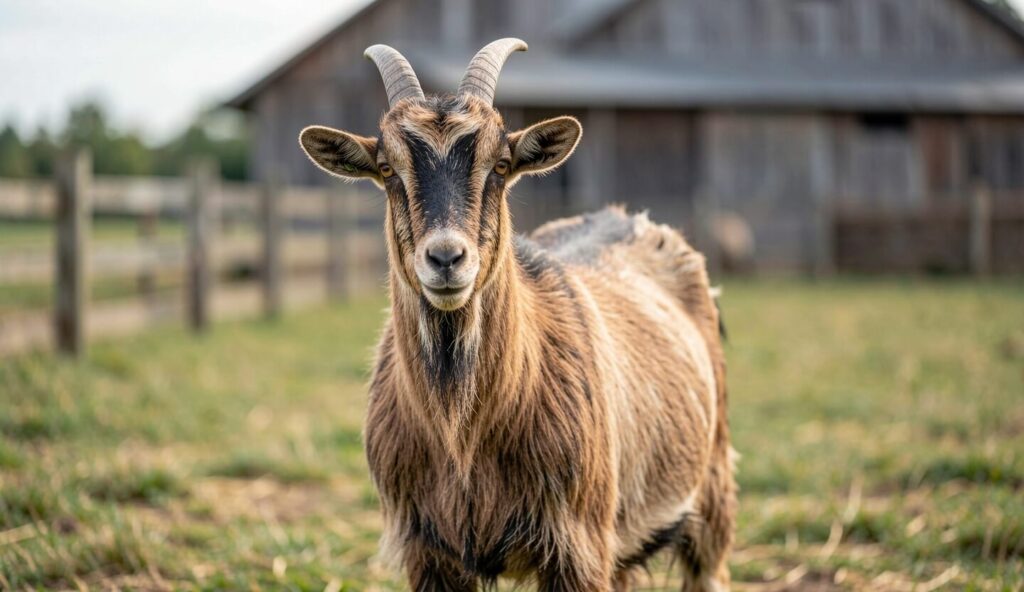
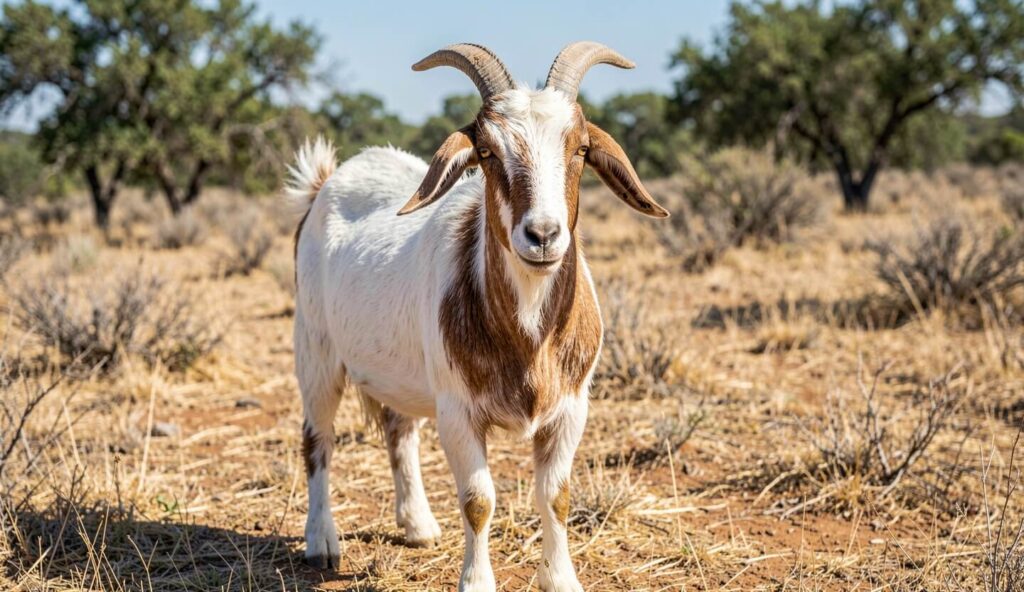
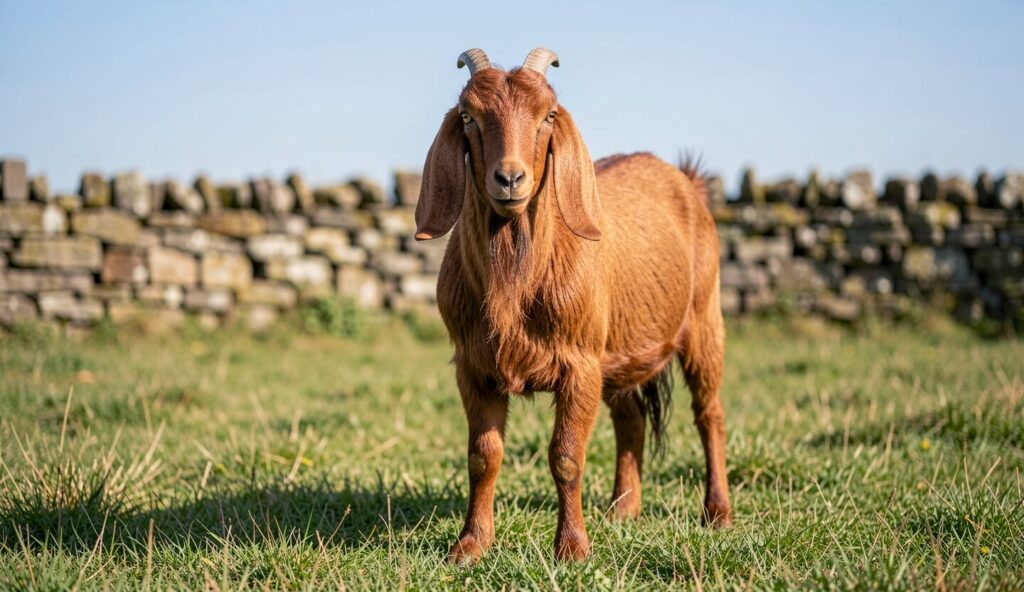
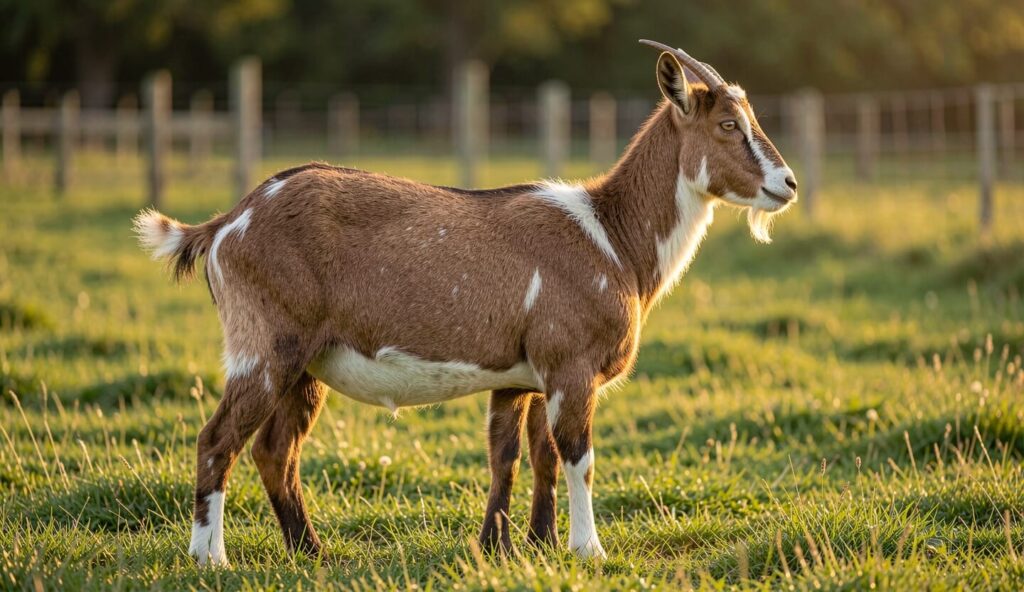
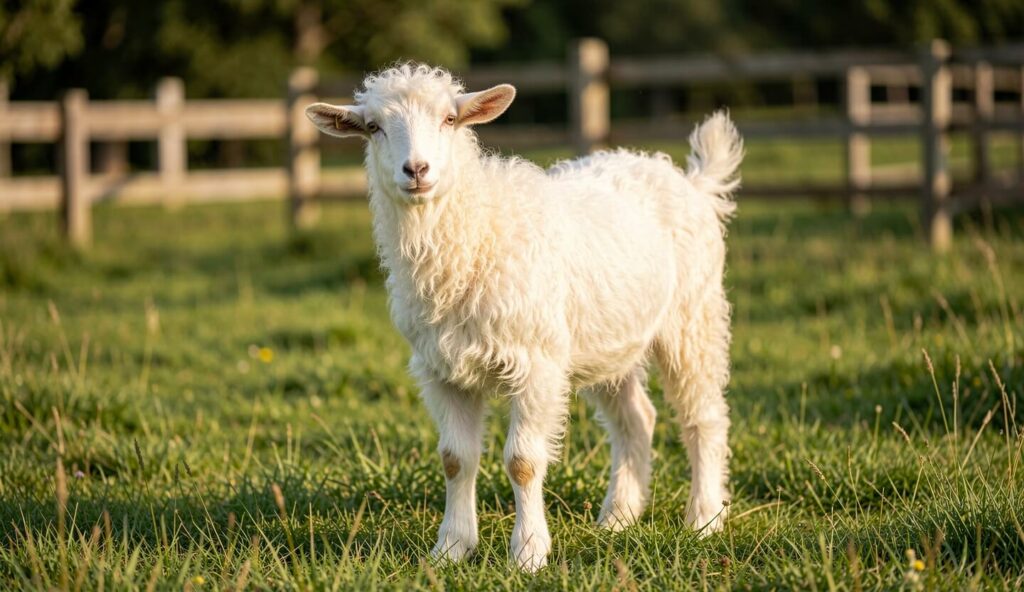
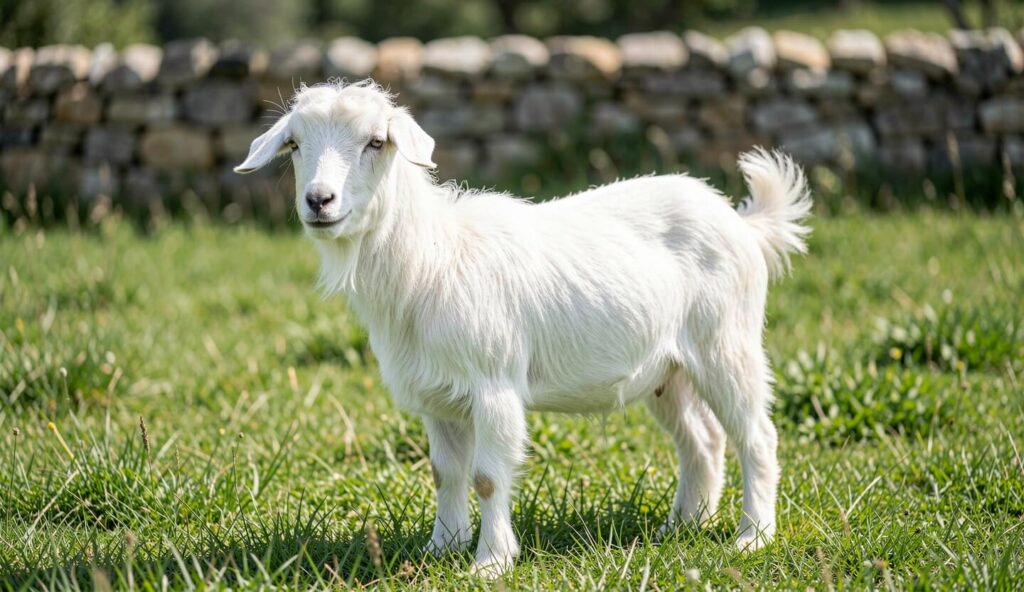
The coat is short to medium in length and typically white or cream. Red or brown patches sometimes appear on the body or head.
Distinctive Traits
- Long, floppy ears typical of Mediterranean breeds
- Both sexes may have horns, often curved backwards
- Straight facial profile and strong legs
The long ears resemble those of the Chamois Goat, another Mediterranean breed with similar ear shape.
Temperament and Personality
The Maltese Goat is calm, friendly, and docile. This temperament makes it suitable for families and small farms. The breed is easy to handle and rarely shows aggression.
Beginners find the Maltese Goat particularly manageable due to its steady nature. The goat forms strong bonds with caretakers and adapts well to daily routines.
Milk Production and Quality
Average Milk Yield
The Maltese Goat produces 2 to 3 liters of milk per day over a lactation period of 200 to 250 days. Peak lactation occurs four to six weeks after kidding. This yield is moderate compared to high-producing breeds like the Alpine Goat.
Butterfat and Protein Content
Butterfat content ranges from 4.5 to 5.5 percent, while protein content sits around 3.5 to 4 percent. These levels make the milk ideal for cheese and yogurt production.
Milk Flavor and Uses
The milk has a mild, sweet taste that works well for fresh consumption. Many keepers use it for drinking and soft cheese making. The rich flavor also suits cultured dairy products.
Housing and Shelter Requirements
The Maltese Goat needs a dry, draft-free barn with good ventilation. Provide at least 1.5 square meters of floor space per adult goat. Bedding should be kept dry to prevent respiratory issues and foot problems.
Outdoor access is important for exercise and browsing. A secure fence at least 1.2 meters high keeps the goats contained. Shade and fresh water must be available in the pasture.
Diet and Nutrition
Forage and Hay
High-quality grass hay or alfalfa forms the main diet. Fresh pasture rotation is beneficial in Mediterranean climates. Goats should have constant access to forage.
Concentrates and Supplements
Lactating does need 0.5 to 1 kilogram of grain mix per day. Free-choice mineral salt containing copper and selenium should always be available. Adjust concentrates based on milk production and body condition.
Water Needs
Clean, fresh water must be available at all times. Dairy goats drink 5 to 10 liters daily depending on milk yield and ambient temperature. Water intake increases during hot weather.
Health and Common Issues
Parasite Control
Regular fecal egg counts and strategic deworming keep internal parasites under control. Rotational grazing reduces parasite load in the pasture. This practice is also recommended for the Pygmy Goat.
Mastitis Prevention
Clean milking techniques and teat dipping prevent mastitis. Monitor udder for swelling, heat, or abnormal milk consistency. Isolate affected animals promptly.
Hoof Care and Foot Rot
Trim hooves every 6 to 8 weeks to prevent overgrowth and lameness. Keep bedding dry and clean to reduce the risk of foot rot. Inspect hooves regularly for signs of infection.
Breeding Basics
The Breeding season typically occurs in the fall. Gestation length averages 150 days. Kidding is usually unassisted, but supervision helps prevent complications.
Select breeding stock with good milk production, sound conformation, and calm temperament. Does can be bred at 7 to 9 months of age if they have reached adequate size. Bucks should be rotated to avoid inbreeding.
Is the Maltese Goat Right for You
This breed suits warm Mediterranean climates and requires moderate space and time for daily milking. The calm nature makes it ideal for beginners and families. For those who prefer a smaller dairy goat, the Nigerian Dwarf Goat is another option.
The Maltese Goat fits well on small farms where a steady milk supply and easy handling are priorities. Prospective owners should plan for routine hoof care, parasite control, and proper nutrition.
Frequently Asked Questions
What is the origin of the Maltese Goat breed?
The Maltese Goat originates from the Mediterranean island of Malta. It is one of the oldest dairy goat breeds in the region.
How much milk does a Maltese Goat produce per day?
A Maltese Goat produces 2 to 3 liters of milk per day. The lactation period lasts about 200 to 250 days.
What color is a Maltese Goat?
The breed is typically white or cream. Some individuals have red or brown patches on the coat.
Are Maltese Goats good for beginners?
Yes, they have a calm and docile temperament. They are easy to handle and adapt well to small farms.
What health problems are common in Maltese Goats?
Internal parasites and mastitis are the most common issues. Regular hoof trimming and good hygiene prevent foot rot.
How long do Maltese Goats live?
Their average lifespan is 10 to 14 years. Proper care and nutrition can extend their life.
Final Note
The Maltese Goat is a rewarding dairy breed for those prepared to meet its basic needs. With proper care, this Mediterranean goat provides excellent milk and companionship.