What Is a Chamois Goat?
The Chamois Goat is a type of goat known for its distinctive chamois-colored coat pattern rather than a single standardized breed. This pattern appears in several Swiss goat breed lines and other European dairy populations. The name comes from the resemblance to the chamois antelope’s coloring.
Origin And Geographic Background
The chamois coloring pattern has roots in European goat breeding, particularly in Switzerland and neighboring Alpine regions. Regional selection over centuries influenced body type and productivity in these lines. Availability and naming conventions vary by country and by the registering association.
Color Pattern That Defines The Chamois Type
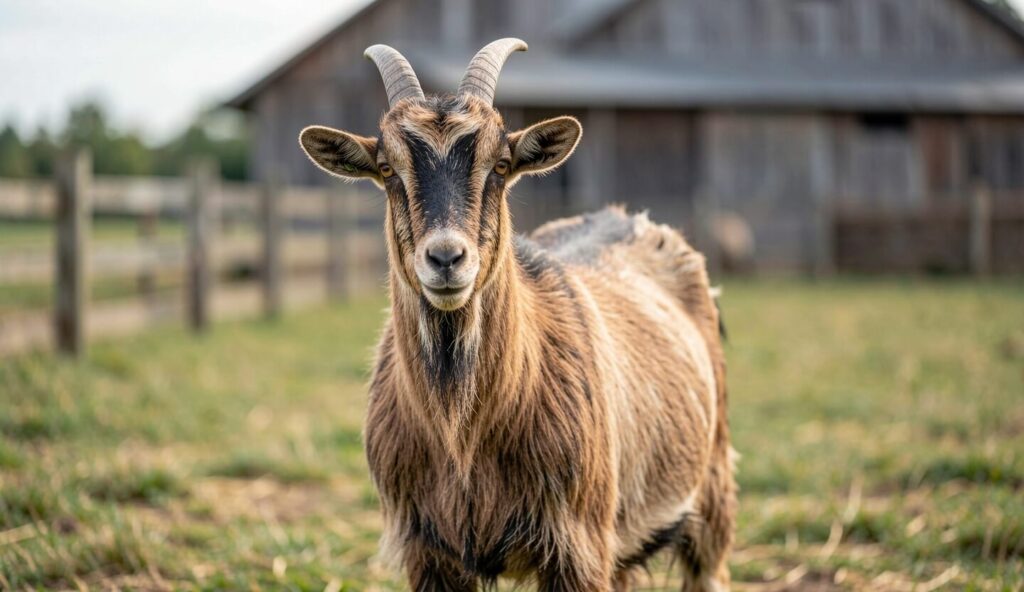
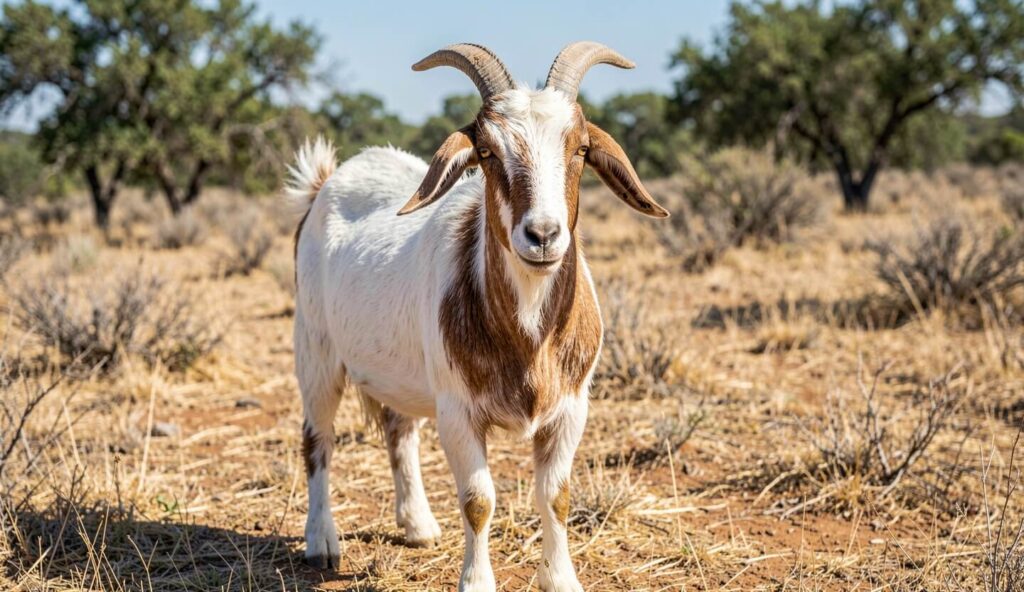
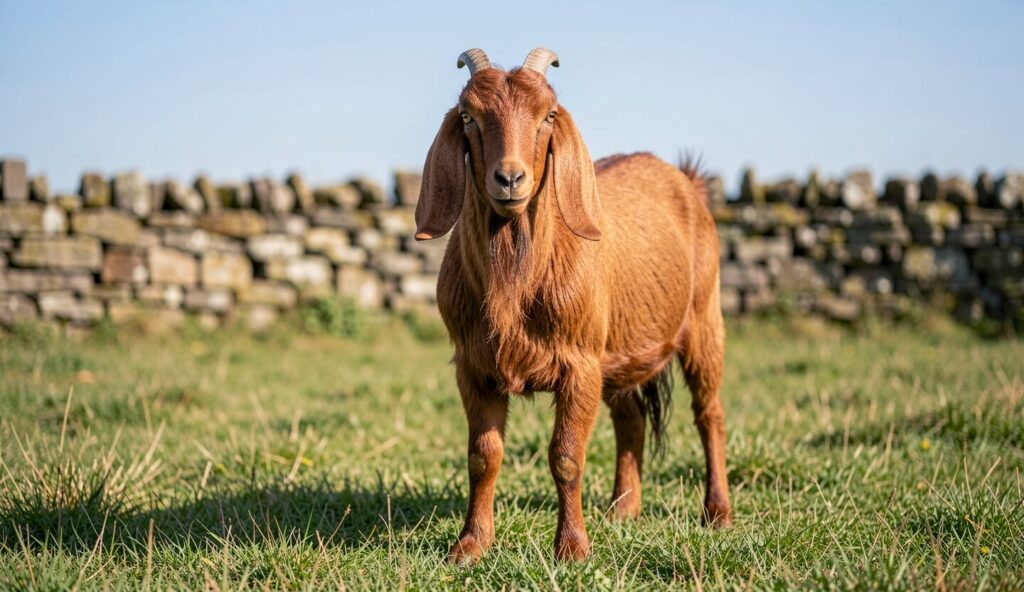
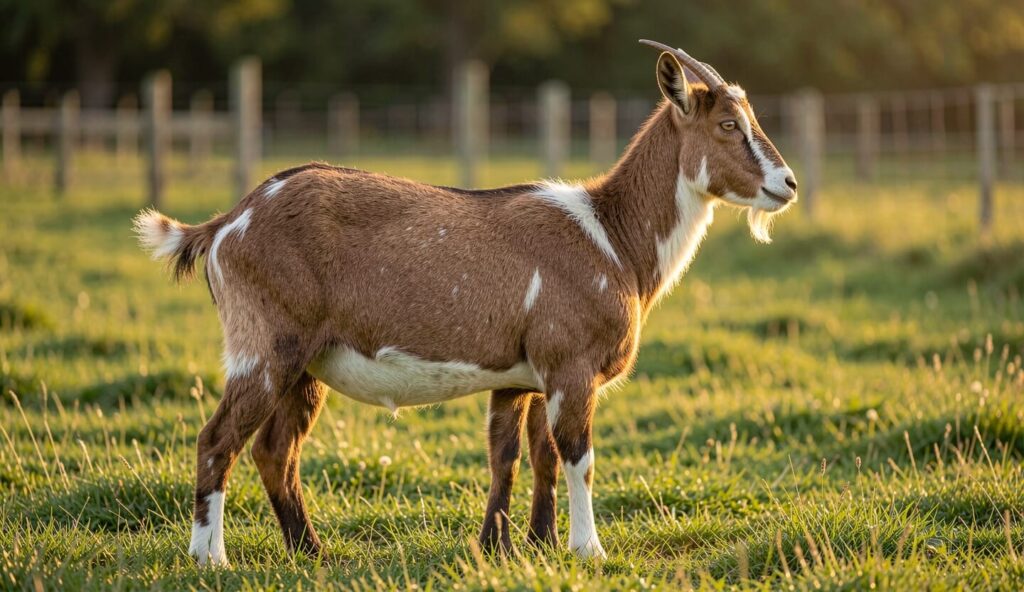
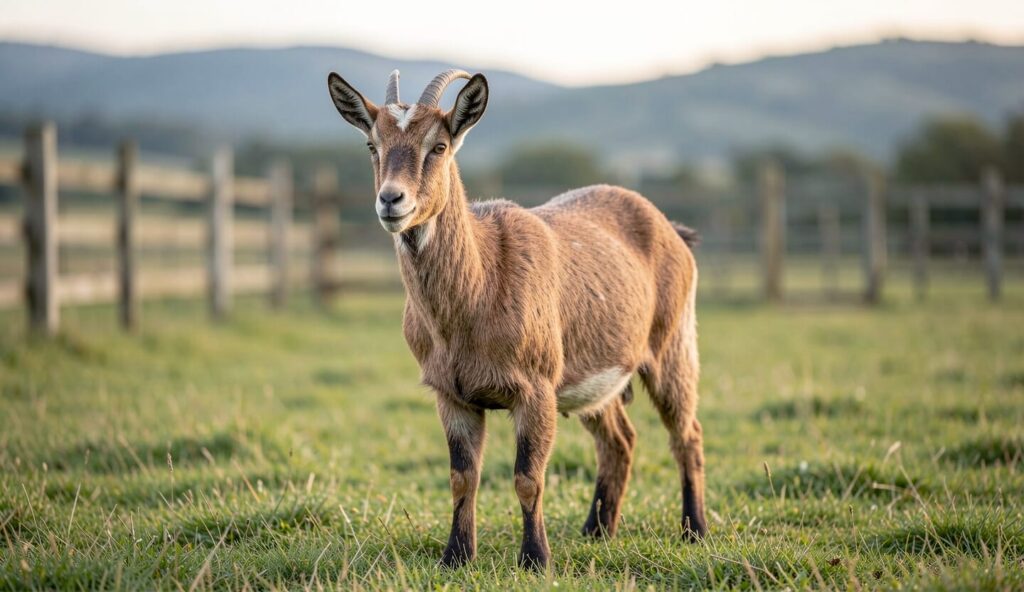
The chamois coat effect ranges from light tan to warm brown, often with a darker muzzle and facial striping. A dorsal stripe and leg banding are common pattern traits. These markings make the Chamois Goat easily recognizable among other dairy breeds.
Common Breed Registrations And Naming Confusion
Some sellers describe a color type as a breed, which can cause confusion. Always check the animal’s pedigree and registration papers before purchase. Verifying lineage ensures you know exactly what genetic background and production potential the goat carries.
Appearance And Physical Features
The Chamois Goat presents a balanced dairy conformation with a medium-sized frame and alert posture. Its coat and markings provide clear visual cues for identification.
Coat Color And Markings To Look For
The base tone ranges from light tan to rich brown, often appearing different in various lighting. Typical facial markings include a darker muzzle, cheek stripes, and a dorsal stripe down the spine. Kids may darken or lighten as they mature, so observe adult goats for the final pattern.
Body Size And Conformation
This goat typically exhibits dairy-friendly conformation traits: a long, deep body, level topline, and well-attached udder. Common measurements for does fall around 28–32 inches at the withers. Udder shape features prominently in animals bred for milk production.
Temperament Clues From Body Language
An alert posture with ears forward and a calm stance indicate good temperament. Stress cues include a clamped tail, high head carriage, and tense muscles. Observe herd behavior before purchase to gauge individual disposition.
Temperament And Personality
The Chamois Goat is generally calm and responsive to routine handling, making it suitable for hobbyists and dairy enthusiasts. Personality varies by breeding line.
General Temperament Expectations
These goats respond well to consistent, gentle handling. Herd structure influences confidence and calmness, with goats from well-managed groups being easier to manage. Individual personality varies by line, so spend time with the animal before buying.
Social Needs And Compatibility
Chamois Goats do best in pairs or small groups. They are compatible with other goat breeds when introduced gradually. Introducing unfamiliar animals without a proper quarantine plan risks stress and disease spread.
Handling Tips For New Owners
Use quiet approaches during feeding and grooming sessions. Short, frequent handling builds trust quickly. If the goat shows signs of stress, slow down and reassess the approach.
Exercise And Activity Requirements
Regular movement supports healthy legs, digestion, and body condition in dairy goats. A Chamois Goat needs daily opportunity to exercise.
Daily Movement Basics
Daily turnout or pasture access is ideal. Consistent movement promotes hoof health and prevents stiffness. Signs of too little activity include weight gain, lethargy, and overgrown hooves.
Safe Pasture And Enrichment Options
Use secure fencing and provide footing that drains well. Enrichment ideas include browse areas, climbing structures, and shelter access. Manage mud and wet ground to prevent hoof problems.
Training And Building A Routine
Baseline training for milking readiness and lead familiarity makes daily care easier. A reliable routine benefits both goat and owner.
Milking Station Familiarity
Condition calm behavior at the milking area by using consistent steps and times. Keep the surface clean and dry for hygiene. This routine reduces stress during milking.
Lead And Hoof Handling
Use gentle lead training with positive reinforcement. Accustom the goat to hoof inspection by touching legs regularly. Safety steps prevent kicking or sudden pulling.
Feeding Response Training
Teach the goat to come at feeding time using consistent sounds or cues. Avoid over-treating, which can disrupt balanced nutrition. This training aids in daily management.
Housing Essentials For A Dairy Style Goat Setup
Proper housing protects milk quality and prevents common health problems. A Chamois Goat needs clean, dry, and well-ventilated shelter.
Shelter, Ventilation, And Bedding
Dry bedding prevents skin issues and reduces mastitis risk. Provide airflow without direct drafts. Common bedding choices include straw, wood shavings, or sand.
Fencing And Pen Layout
Stable fencing and secure gates are essential. Have separate pens for bucks, does, and kids. Layout should allow easy access for cleaning and feeding.
Water Access And Stall Cleanliness
Steady, clean water supports digestion. Remove soiled bedding daily to reduce ammonia and odors. Establish spot-cleaning routines and full clean schedules.
Diet And Nutrition For Chamois Goat Health
A fiber-rich diet is the foundation of goat health. Balance forage with concentrates to support dairy production.
Core Feeding Principles
Goats need consistent fiber for rumen health. Forage should form the bulk of the diet, with concentrates used sparingly. Adjust rations based on age, lactation, and body condition.
Suggested Daily Diet Components
Forage options include pasture, hay, and browse. Concentrate options such as grain or commercial goat feed support dairy needs. Safe treats include small amounts of fruits and vegetables.
Minerals, Salt, And Fresh Water
A balanced mineral mix supports bone health and milk production. Key minerals to discuss with a vet include calcium, phosphorus, and selenium. Keep fresh water available at all times and test quality when possible.
Weight Condition And Body Scoring
Body condition scoring helps monitor nutritional status. Adjust feed when goats are too thin or too heavy. Avoid sudden diet changes to prevent digestive upset.
Grooming And Care Tips That Keep Coats Healthy
Regular grooming maintains coat condition and allows early detection of skin issues. Udder hygiene is critical for milk quality.
Coat And Skin Care For Chamois Coloured Goats
Brush regularly to remove loose hair and dirt. Check skin for sores, lumps, or parasites. Keep the coat dry to prevent matting and dampness.
Hoof Care And Foot Checks
Routine hoof inspection prevents lameness. Signs of early problems include flaring, cracking, or odor. Trim every 4–8 weeks depending on growth and footing.
Udder And Teat Hygiene Basics
Clean teats before each milking to ensure milk quality. Dry udder thoroughly. Report redness, swelling, or change in milk consistency to a veterinarian promptly.
Common Health Issues To Watch For
Dairy goats face specific health challenges. Preventive care reduces risk.
Parasites And Worm Management
Goats are susceptible to internal parasites. Monitor for weight loss, poor coat, or diarrhea. Work with a vet for fecal testing and control timing.
Mastitis And Udder Inflammation
Mastitis risk increases during lactation. Early symptoms include udder heat, swelling, or abnormal milk. Maintain hygiene and contact a vet immediately.
Foot Problems And Overgrowth
Wet or uneven footing increases foot problems. Look for limping, swelling, or reluctance to walk. Preventative hoof trimming and dry bedding help.
Digestive Problems From Diet Changes
Sudden feed changes can cause bloat or diarrhea. Signs include reduced appetite and abnormal stool. Transition feeds gradually and maintain consistent forage supply.
Breeding Basics And Kid Rearing Considerations
Breeding planning ensures healthy does and kids. Focus on health and temperament.
Choosing Breeding Stock
Select for health first, then temperament. Confirm registration and lineage when relevant. Look for dairy-relevant traits such as udder structure and teat placement.
Gestation Feeding And Care
Maintain stable body condition through pregnancy. Ensure forage quality and provide mineral support. Adjust feed in late pregnancy as the kid grows.
Kid Rearing Basics
Colostrum intake within the first hours is critical. Provide clean, dry housing for newborns. Monitor growth and transition to solid feed gradually.
Starter Checklist For New Chamois Goat Owners
Before bringing a goat home, gather necessary supplies and plan health care.
Supplies And Equipment To Gather
- Clean buckets or automatic water system
- Hay feeder and mineral feeder for steady access
- Brush and safe grooming tools
- Hoof handling supplies and a trimming plan
- Milking basics if milking is part of the plan
Health And Vet Planning
- Local vet contact for urgent symptoms
- Vaccination and parasite plan based on region
- Recordkeeping for weights and body condition
- A plan for quarantine when adding new animals
First Week Observation Checklist
- Monitor appetite and rumen activity
- Check coat condition and skin for irritation
- Observe gait and hooves while moving
- Watch stool consistency and hydration
Is A Chamois Goat Right For You?
This goat fits well for small-scale dairy care, but success requires daily commitment.
Good Fit If The Goal Is Small-Scale Dairy Care
Lactating does need daily milking and routine hygiene tasks. Daily care includes feeding, udder cleaning, and health checks. Owners must plan for consistent management.
Needs Extra Planning If Housing Or Forage Is Limited
Fiber availability and clean bedding are non-negotiable. Wet, muddy environments lead to hoof and skin problems. Plan for shelter that handles heat, cold, and rainfall.
For more information on goat breeds, read about the Alpine Goat and the Saanen Goat, two other popular Swiss breeds. The Toggenburg Goat also shares Alpine origins. If you are interested in rare varieties, explore the rarest goat breeds 2 list. The Brown Swiss Cow is another dairy animal with similar environmental needs.
Frequently Asked Questions
Is The Chamois Goat A Separate Breed Or A Color Type?
The term often describes a chamois-colored pattern rather than a single breed. Check pedigree and registration for true breed identification as naming varies by country and seller.
What Do Chamois Coloured Goats Look Like?
They have a warm tan to brown base coat with darker facial striping and muzzle coloring. A dorsal stripe and leg banding are common pattern traits.
Are Chamois Goats Good Dairy Goats?
Dairy performance depends on the specific breeding line. Look for udder and conformation features that indicate dairy suitability, and evaluate health records and prior milk history when available.
How Should Chamois Goat Housing Be Set Up?
Use dry bedding and good ventilation. Control mud and wet floors to prevent health issues. Provide separate pens for safe handling and breeding management.
What Health Problems Are Most Common In Dairy Goats?
Mastitis is a risk in lactating does, along with parasites and hoof problems. Seek veterinary help promptly for changes in milk or appetite.
How Often Should Hooves Be Checked And Trimmed?
Timing depends on growth and footing conditions. Routine inspections prevent severe issues. Work with an experienced trimmer for safe trimming every 4–8 weeks.
Final Note
Owning a Chamois Goat brings the rewarding experience of small-scale dairy management. With proper housing, feeding, and routine care, this goat thrives and provides reliable milk production for dedicated owners.