What Is an Oberhasli Goat
The Oberhasli Goat is a Swiss dairy goat breed that originates from the Oberhasli region of the Bernese Oberland in Switzerland. This medium-sized goat is known for its distinctive bay coat with black markings and its calm, friendly disposition. Dairy goat keepers value the Oberhasli for its moderate milk production and excellent temperament, making it a practical choice for both hobby farms and small homesteads.
Historically, the breed was developed in the Swiss Alps and later imported to the United States in the early 20th century. Today, the Oberhasli is recognized as a rare breed by the American Livestock Breeds Conservancy. Its hardiness and adaptability stem from its mountainous origins.
For those comparing dairy goat breeds, the Oberhasli offers a balance of milk quality and ease of handling. It is often crossbred with other Swiss goats to improve herd temperament.
Oberhasli Goat Appearance and Physical Features
The Oberhasli goat has a refined, elegant appearance with a straight profile and erect ears. Its body is well-proportioned and muscular, typical of a dual-purpose dairy goat.
Size and Weight
- Does weigh 120 to 150 pounds
- Bucks weigh 150 to 200 pounds
- Height at withers ranges from 30 to 32 inches
Coat Color and Patterns
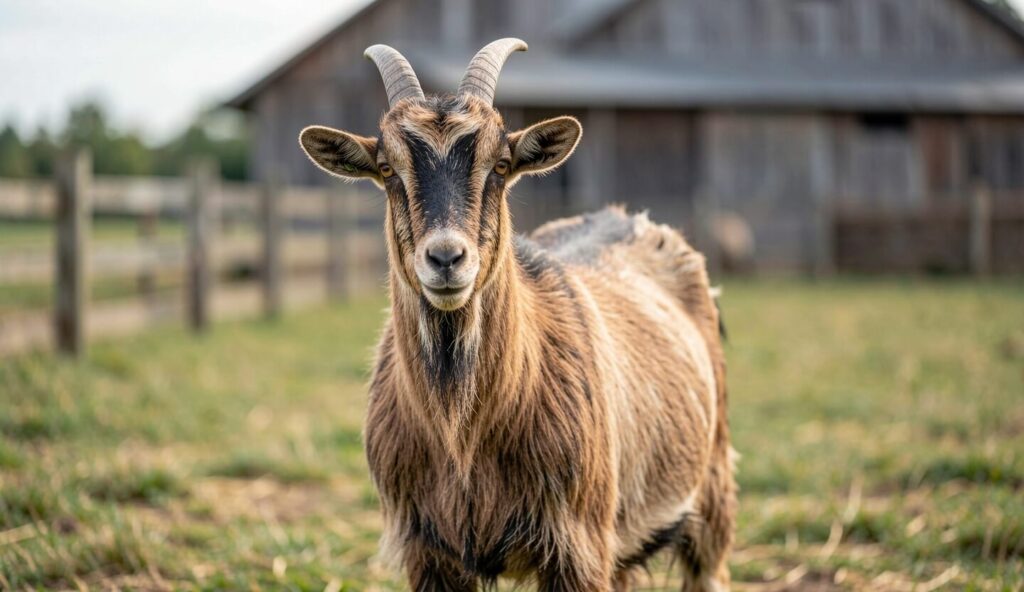
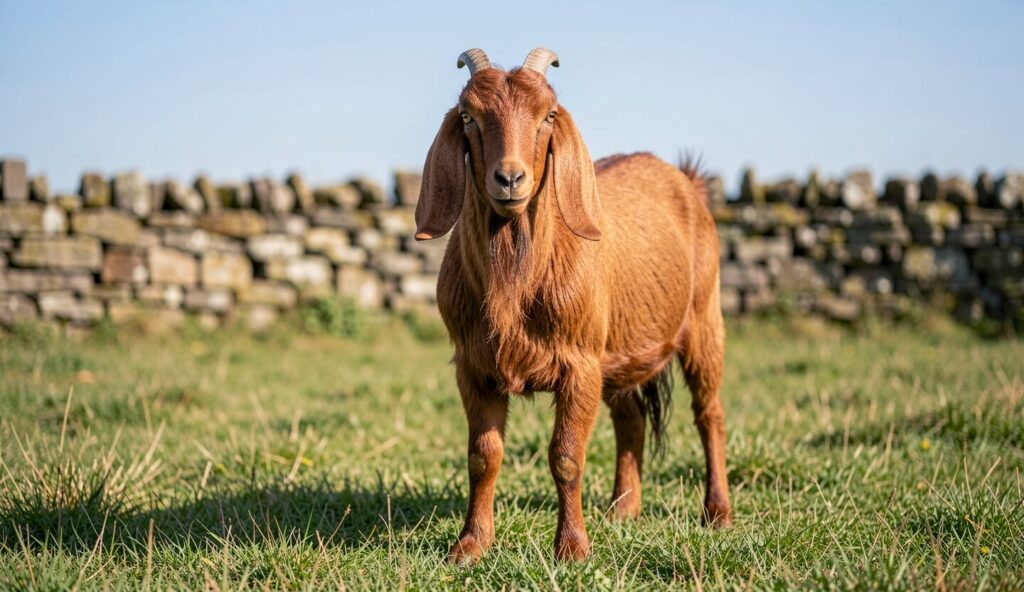
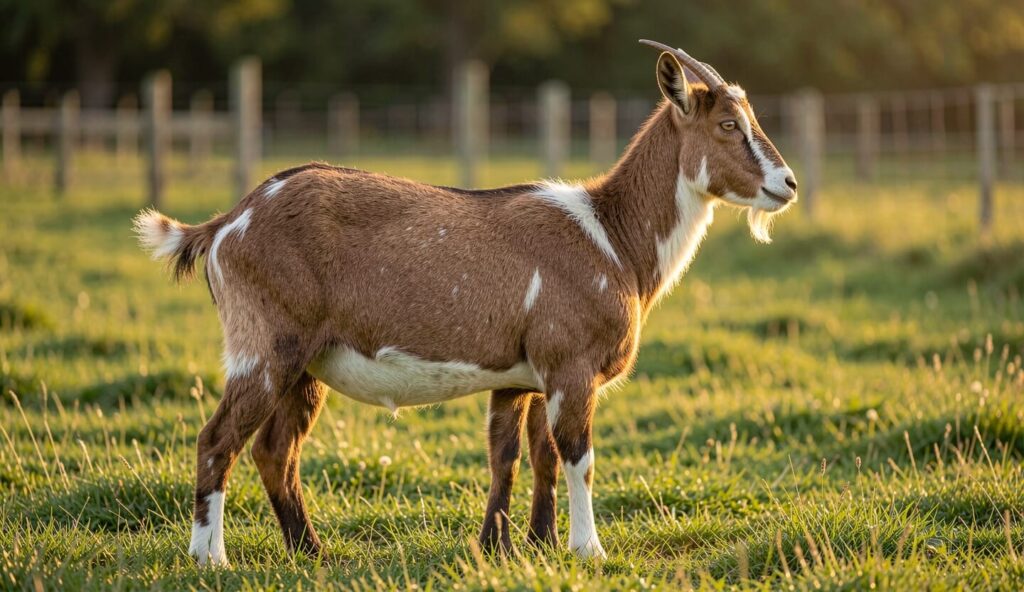
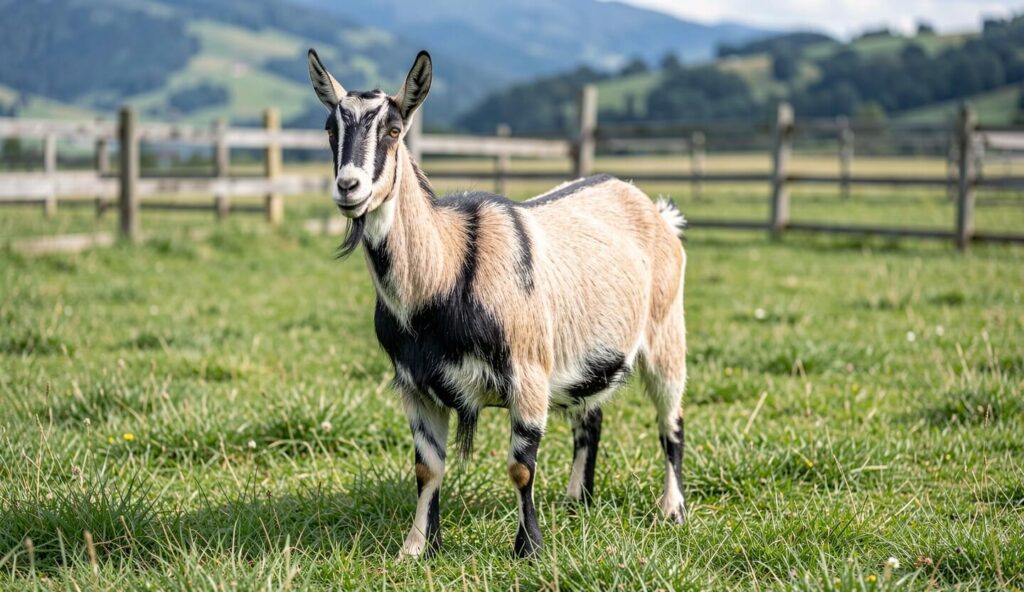
The classic Oberhasli coat is bay or chamois with black markings. These markings include black stripes on the face, a black dorsal stripe, and a black belly. Some goats display a solid red or solid black coat, though these are less common.
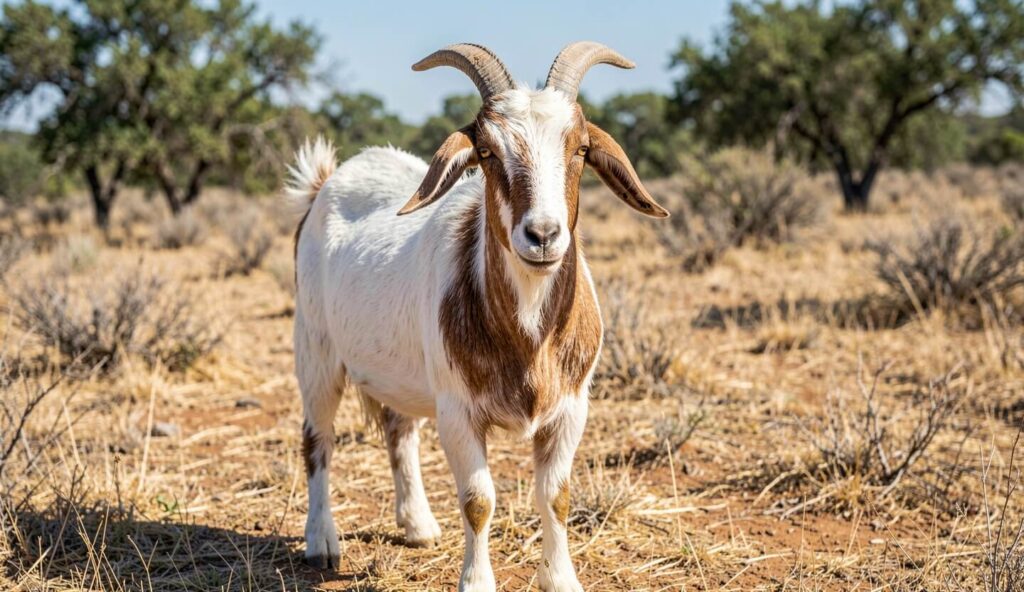
The breed standard prefers the bay color with distinct black accents. White patches are considered a fault in show animals. The chamois color pattern is also seen in the Chamois Goat, but the Oberhasli is a separate breed with its own registry.
Oberhasli Goat Temperament and Personality
The Oberhasli goat is known for its calm, gentle, and curious nature. Unlike some high-strung dairy breeds, Oberhasli goats are easy to handle and respond well to routine handling. They are social animals that thrive in herds.
Does are particularly docile and make excellent mothers. Bucks can be more assertive, but with proper socialization they remain manageable. This temperament makes the Oberhasli a good choice for families with children or first-time goat owners.
Compared to the Nubian Goat, known for its vocal personality, the Oberhasli is quieter and less demanding. Their even disposition is one of the standout Oberhasli goat characteristics.
Milk Production and Dairy Qualities
The Oberhasli is a moderate milk producer, yielding about 1 to 2 gallons per day during a lactation period of 8 to 10 months. The milk has a butterfat content of 3.5% to 4%, making it suitable for cheese, yogurt, and drinking.
While the Saanen Goat produces higher volumes, the Oberhasli offers a richer milk with a pleasant flavor. Many dairy keepers appreciate the breed’s consistent production without the extreme peaks seen in other breeds.
The milk quality remains stable throughout lactation, and the does are easy to milk due to their calm demeanor. This reliability makes the Oberhasli a favored dairy goat breed for small-scale operations.
Housing and Fencing for Oberhasli Goats
Oberhasli goats require a dry, draft-free shelter that protects them from rain, wind, and snow. A three-sided shed or a well-ventilated barn works well. Provide 15 to 20 square feet of indoor space per goat.
Fencing must be secure, as goats are agile escape artists. Use woven wire or electric netting with posts no more than 10 feet apart. A height of 4 to 5 feet is sufficient for this medium-sized breed.
Pasture space should offer at least 200 square feet per goat. Rotational grazing helps maintain pasture quality and reduces parasite loads. Like the Alpine Goat, Oberhasli goats thrive in temperate climates but can adapt to colder regions if provided with adequate shelter.
Feeding and Nutrition for Oberhasli Goats
Proper nutrition is essential for health and milk production. The diet should be balanced with forage, grain, minerals, and clean water.
Forage and Hay Requirements
- High-quality grass hay forms the main diet year-round
- Alfalfa hay is recommended for lactating does
- Provide free-choice goat minerals with copper
Grain and Concentrates
Feed grain to does during milking to support energy needs. Wethers and dry does require little to no grain. Use a balanced goat ration with 14% to 16% protein.
Avoid overfeeding grain, as it can lead to obesity and urinary calculi in males. Fresh water must be available at all times, especially for lactating does.
Grooming and Hoof Care
Routine grooming keeps the Oberhasli coat clean and helps detect health issues early. Brush the coat weekly, more often during shedding season. Trim hooves every 4 to 6 weeks to prevent overgrowth and lameness.
Check for lice, mites, and external parasites during grooming. Implement a regular deworming program based on fecal egg counts. Keep the living area clean to reduce fly and parasite problems.
Hoof care is critical in wet climates. The Toggenburg Goat has similar hoof maintenance needs, and owners can apply the same trimming schedule.
Common Health Issues in Oberhasli Goats
Oberhasli goats are generally hardy, but they face common caprine health problems. Internal parasites, especially barber pole worm, are a primary concern. Practice rotational grazing and use targeted deworming.
Other issues include enterotoxemia (overeating disease), pneumonia, and urinary calculi. Vaccinate against clostridial diseases and provide proper mineral balance. Caprine arthritis encephalitis (CAE) can affect the herd, so test new animals before introduction.
Dairy does may develop mastitis, so monitor udder health daily. Keeping records and working with a veterinarian helps maintain a healthy herd.
Is an Oberhasli Goat Right for You
The Oberhasli goat suits small-scale dairy keepers who prioritize temperament over maximum milk volume. It does well in temperate regions and requires standard goat management skills. Beginners can handle this breed with proper preparation.
If you are looking for a high-volume producer, consider the Saanen Goat or a cross. If you prefer a very rich milk, the Nubian Goat may be a better fit. The Oberhasli offers a middle ground with excellent disposition and good milk quality.
This breed is also suitable for showing, as its striking appearance stands out in the ring. Evaluate your space, time, and climate before committing to any dairy goat breed.
Final Note on the Oberhasli Goat
The Oberhasli goat is a dependable, attractive, and gentle Swiss goat that brings both utility and pleasure to a small farm. With proper care, it will reward its keeper with years of milk and companionship. Consider adding this rare breed to your herd.
Frequently Asked Questions
How much milk does an Oberhasli goat produce per day?
Does produce about 1 to 2 gallons per day, with a butterfat content of around 3.5% to 4%. Lactation lasts 8 to 10 months.
Are Oberhasli goats good for beginners?
Yes, they are calm, friendly, and easy to handle. They require standard goat care knowledge and are suitable for first-time owners with proper preparation.
What is the lifespan of an Oberhasli goat?
The average lifespan is 8 to 12 years. With excellent care, some individuals live up to 15 years.
Do Oberhasli goats get along with other animals?
They are social and do well with other goats. They can coexist with horses, cattle, and dogs if introduced properly and given enough space.
How much space does an Oberhasli goat need?
A minimum of 200 square feet per goat in a pasture is recommended. The shelter should provide 15 to 20 square feet per animal.
What colors are Oberhasli goats?
The standard color is bay or chamois with black markings. Rare colors include solid red or black. White patches are not preferred in shows.