What Is a Moxoto Goat
The Moxoto goat is a rare Brazilian breed developed in the semi-arid region of northeastern Brazil. This breed is named after the Moxoto River, a tributary of the Sao Francisco River, where local farmers first selected these hardy animals for their resilience and productivity. As a dual-purpose goat, the Moxoto provides both meat and milk, making it a valuable asset for smallholders and conservation breeders interested in preserving genetic diversity.
Unlike many commercial breeds, the Moxoto goat thrives under harsh conditions with minimal inputs. Its ability to forage on sparse vegetation and resist common parasites makes it a standout among Brazilian goat breeds. For those seeking local livestock adapted to challenging environments, the Moxoto offers an excellent choice.
Defining the Breed
The Moxoto goat is classified as a medium-sized, dual-purpose animal with a compact body and strong legs. It belongs to the group of local livestock breeds that have evolved over centuries through natural selection in the dry inland region known as the Sertao. Recognized for its hardiness, the breed is now gaining attention outside Brazil as a genetic resource for crossbreeding programs.
History and Origin of the Moxoto Goat
The history of the Moxoto goat traces back to the early Portuguese colonization of Brazil. Goats brought by settlers interbred with feral populations, and over generations, a distinct type emerged along the Moxoto River basin. Farmers in the states of Pernambuco, Bahia, and Alagoas selected animals that could endure prolonged droughts and poor forage.
By the mid-20th century, the Moxoto goat had become a cornerstone of subsistence agriculture in the region. However, as commercial breeds like the Boer Goat gained popularity, the Moxoto population declined. Today it is considered rare, with conservation efforts underway to preserve the breed’s unique genetics.
Geographic and Cultural Significance
The breed’s name reflects its close association with the Moxoto River area. Local herders traditionally kept Moxoto goats for milk, meat, and hide, using them in small-scale farming systems. The breed also plays a role in sustaining the livelihoods of rural communities in one of Brazil’s poorest regions.
Appearance and Physical Features
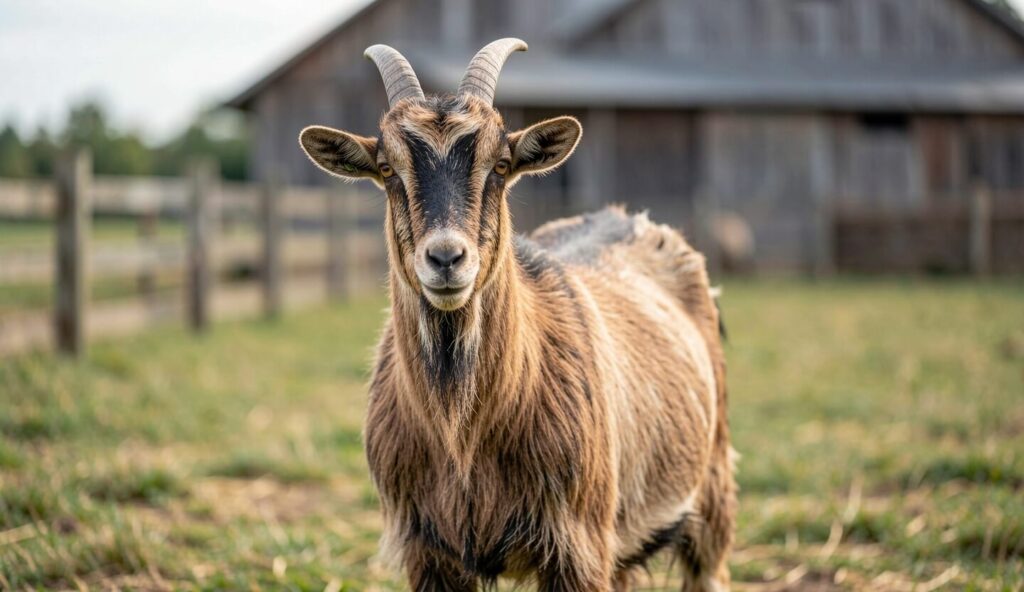
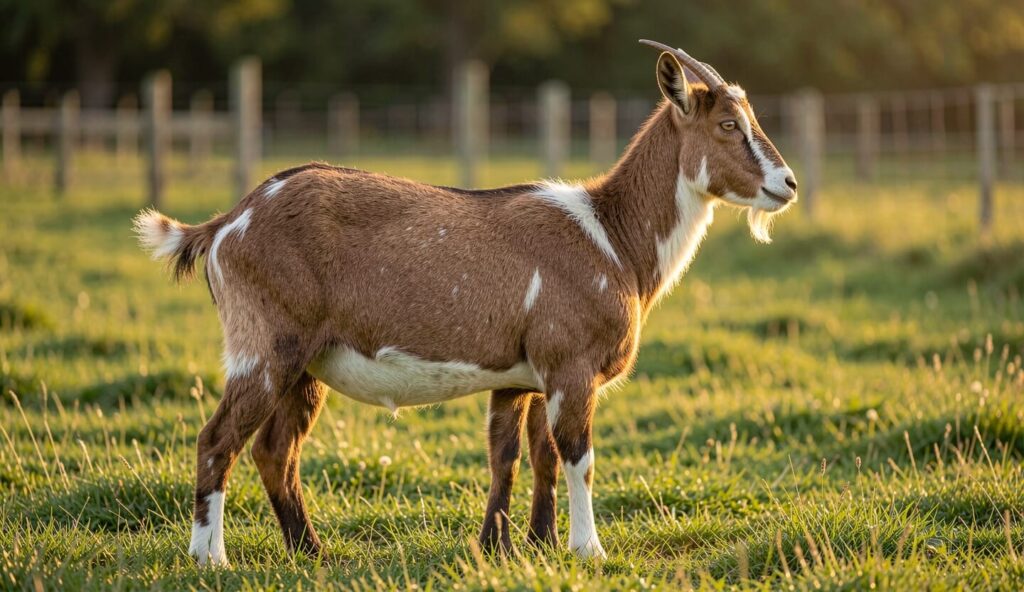
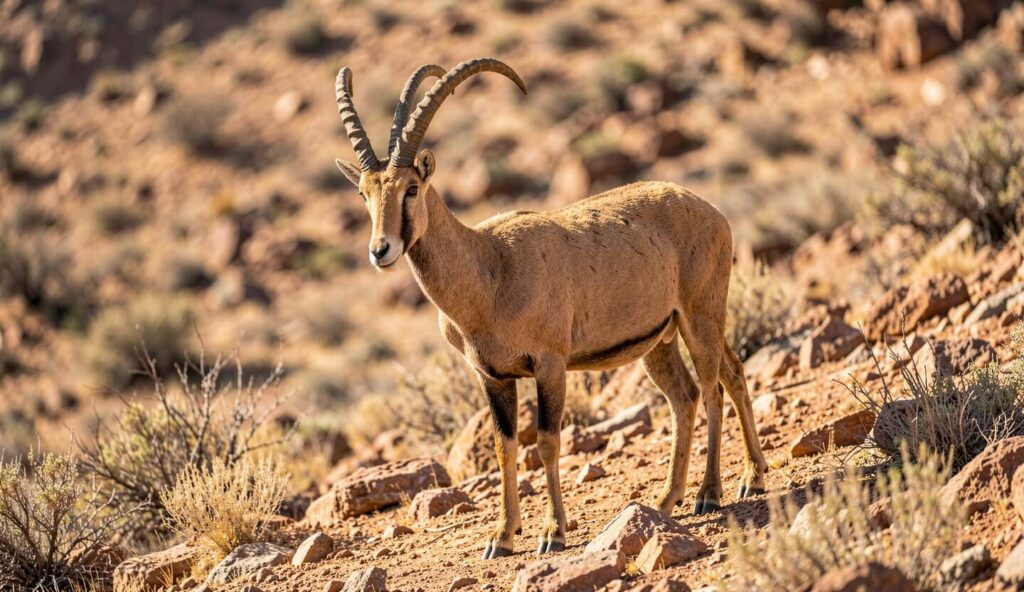
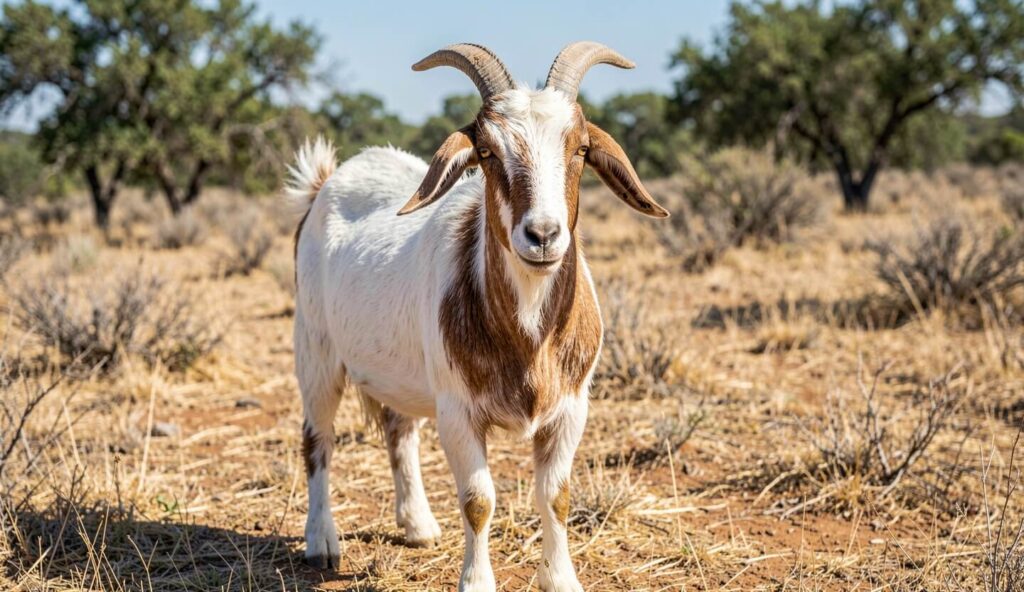
The Moxoto goat has a well-proportioned body with a straight profile and alert expression. Its coat is short and smooth, offering protection against sun and insects. Common colors include white, black, brown, and mixed patterns, often with a darker dorsal stripe and lighter belly.
Size and Weight
- Does weigh 30 to 40 kg (66 to 88 lb)
- Bucks weigh 45 to 55 kg (99 to 121 lb)
- Height at withers around 65 to 75 cm (26 to 30 inches)
- Compact body with strong legs built for rocky terrain
Coat and Color Patterns
- Short, smooth coat that sheds dirt easily
- Common colors: white, black, brown, or mixed patterns
- Often have a dorsal stripe and lighter belly
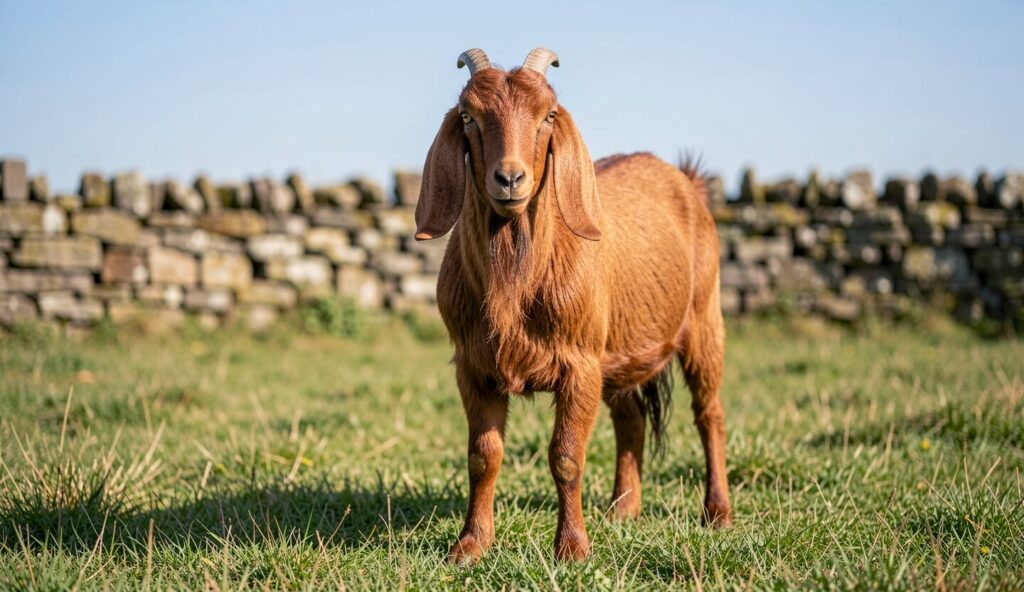
- Some individuals show red or tan patches
Horns and Ears
- Both sexes usually have horns
- Horns grow backward and slightly twisted
- Ears are medium-sized and drooping, typical of many tropical breeds
Temperament and Personality
Moxoto goats are generally calm and docile when handled regularly. They are social animals that thrive in herd settings and display a curious nature. Unlike some high-strung dairy breeds, the Moxoto adapts well to close human contact.
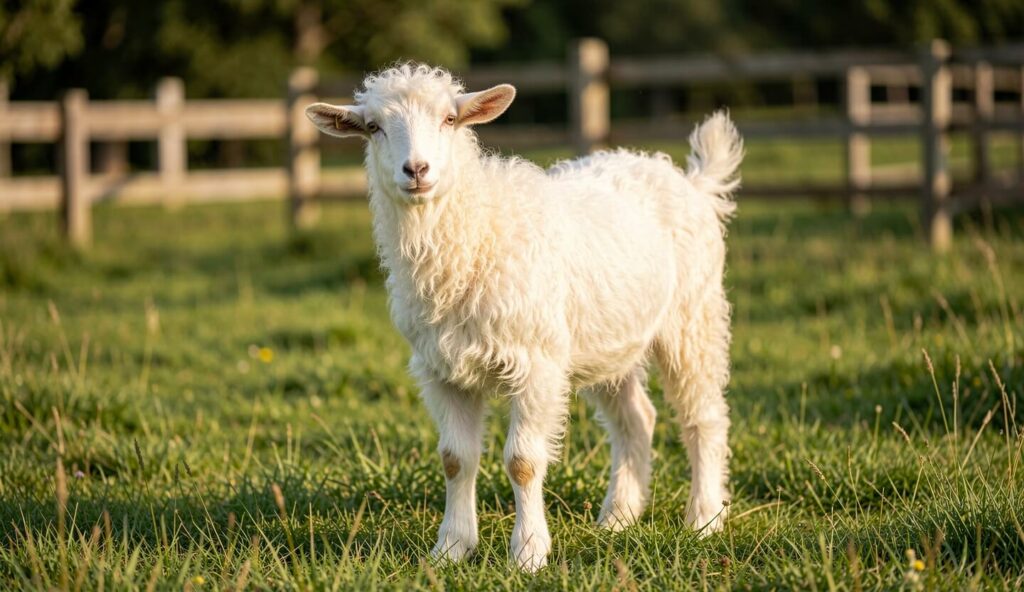
Bucks can be territorial during breeding season but are not typically aggressive. Does show strong maternal instincts and often rear kids without assistance. The breed’s intelligence makes them responsive to consistent handling, though they retain a degree of wariness toward strangers.
Care Tips for Moxoto Goats
Providing proper care for Moxoto goats is straightforward due to their hardy constitution. However, attention to grooming, housing, and exercise ensures optimal health and longevity.
Grooming and Coat Care
- Brushing once a week removes loose hair and dirt
- Check hooves monthly and trim when needed
- Coat does not require frequent washing
- Inspect for external parasites like lice or ticks
Exercise and Space Requirements
- Need ample pasture or dry lot for roaming
- At least 15 square meters per goat
- Provide climbing structures like rocks or logs
- Fencing must be sturdy as goats are adept climbers
Training and Handling
- Easy to train with consistent gentle handling
- Use positive reinforcement for basic commands
- Socialize from a young age to reduce skittishness
- Regular interaction helps maintain a calm disposition
Diet and Nutrition
The Moxoto goat is a browser that thrives on a mix of forages, browse, and supplementary feed. In its native region, it grazes on native shrubs, grasses, and crop residues. When kept in confinement, provide high-quality hay, fresh water, and a balanced mineral supplement.
Does in late pregnancy or lactation benefit from concentrate supplementation to support milk production. The breed has moderate milk output, averaging 1 to 1.5 liters per day, but the milk is high in butterfat, ideal for cheese making. Compare this to dedicated dairy types like the Nubian Goat, which produces more volume.
During dry seasons, ensure constant access to clean water. Moxoto goats are adept at conserving water but still require at least 5 to 7 liters per day per adult.
Common Health Issues
Moxoto goats are generally healthy but can face problems common to all goats. Internal parasites, especially in humid conditions, require regular fecal monitoring and deworming when needed. Hoof rot can occur if animals stand in wet, muddy areas for extended periods.
Vaccination schedules should include clostridial diseases and tetanus. Respiratory infections may arise during cold, damp weather if shelter is insufficient. The breed’s hardiness reduces the incidence of metabolic disorders compared to high-production breeds. For comparison, the Myotonic Goat shows similar resilience in challenging environments.
Is the Moxoto Goat Right for You
The Moxoto goat suits smallholders, homesteaders, and conservation breeders who value hardiness over high production. It requires a dry, warm climate similar to its native semi-arid habitat. Those in humid regions must take extra precautions against parasites.
This breed fits well into low-input systems where foraging forms the bulk of the diet. It is not ideal for large-scale commercial dairying but excels as a dual-purpose animal for subsistence farming. If you seek a rare breed that contributes to genetic conservation, the Moxoto is a worthy choice. Other rare breeds like the Kamori Goat also offer unique traits for preservation-minded owners.
Frequently Asked Questions
How big does a Moxoto goat get?
Moxoto does weigh 30 to 40 kg and bucks weigh 45 to 55 kg. Height at withers is 65 to 75 cm.
What is the lifespan of a Moxoto goat?
With good care, Moxoto goats live 10 to 14 years. Lifespan depends on diet, housing, and veterinary care.
Are Moxoto goats good for milk production?
Moxoto goats have moderate milk production, about 1 to 1.5 liters per day. Milk is high in butterfat, suitable for cheese making.
Do Moxoto goats need special housing?
They need a dry, draft-free shelter with good ventilation. Flooring should be raised or well-drained to prevent hoof problems.
Can Moxoto goats live in hot climates?
Yes, they are highly adapted to hot, semi-arid climates of northeastern Brazil. Provide shade and plenty of fresh water during heat waves.
Are Moxoto goats aggressive?
No, they are generally calm and docile. Proper handling and socialization prevent aggressive behavior.
Final Note
The Moxoto goat represents an important piece of Brazil’s agricultural heritage. Preserving this rare breed supports biodiversity and offers sustainable options for farmers in challenging environments.