🐐 Boer Goat – The Powerhouse of Meat Goat Breeds
🌟 Introduction
If you are looking for a goat breed that combines rapid weight gain, a muscular frame, and a calm disposition, the Boer Goat is the undisputed champion of meat production. Originally from South Africa, this breed has become a global icon in the goat farming industry, prized for its exceptional meat quality and adaptability. Whether you are a homesteader or a commercial producer, the Boer Goat offers a reliable path to profitability and satisfaction.
📜 History and Origin
The Boer Goat was developed in the early 1900s in South Africa by crossbreeding native goats with imported European breeds. The goal was to create a breed that could thrive in harsh climates, grow quickly, and provide high-quality meat. The result was a sturdy, fast-growing goat that revolutionized meat goat farming.
Due to its outstanding traits, the Boer Goat quickly spread beyond South Africa and is now a dominant breed in the USA, Australia, Asia, and many other parts of the world. For those interested in other hardy breeds from similar regions, the Beetal Goat is another excellent example of a meat-oriented goat with strong regional roots.
🧬 Physical Characteristics
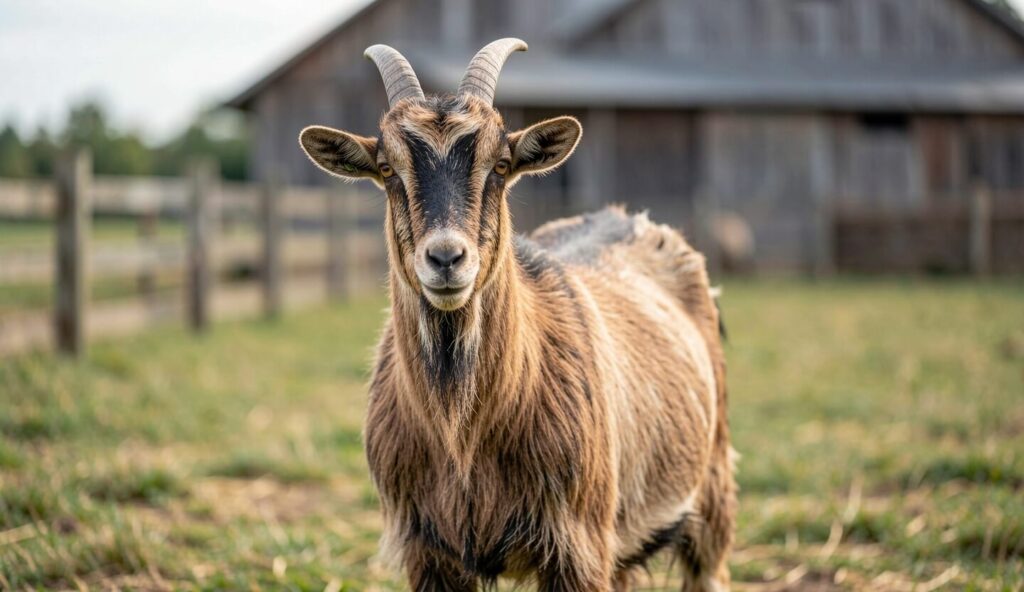
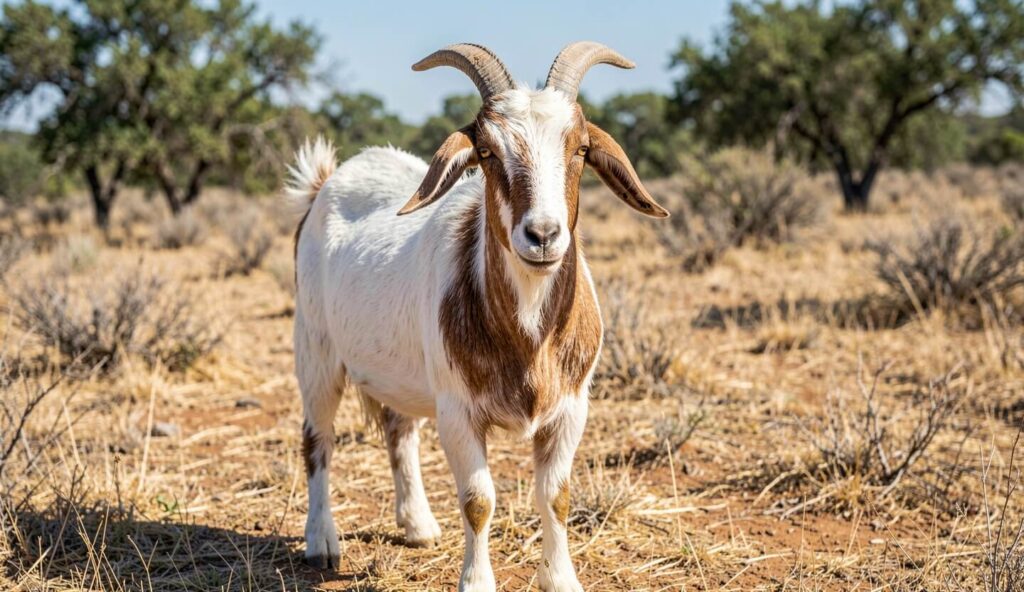
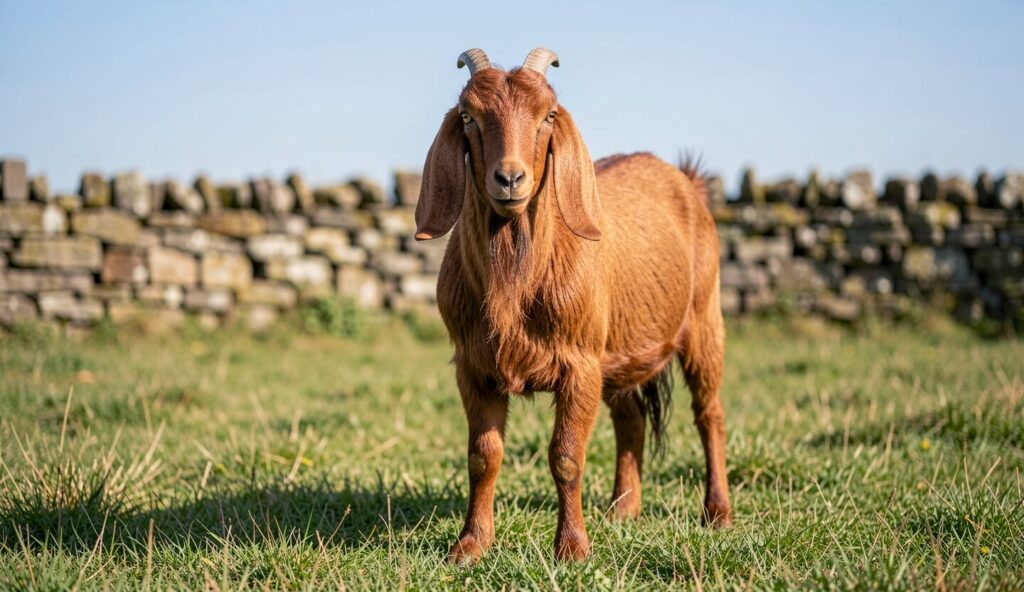
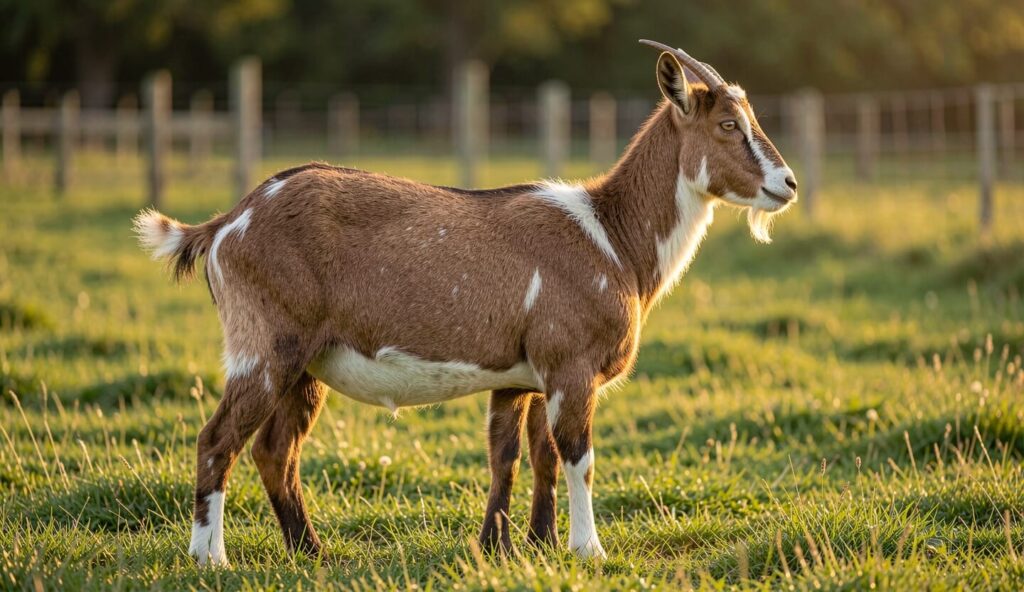
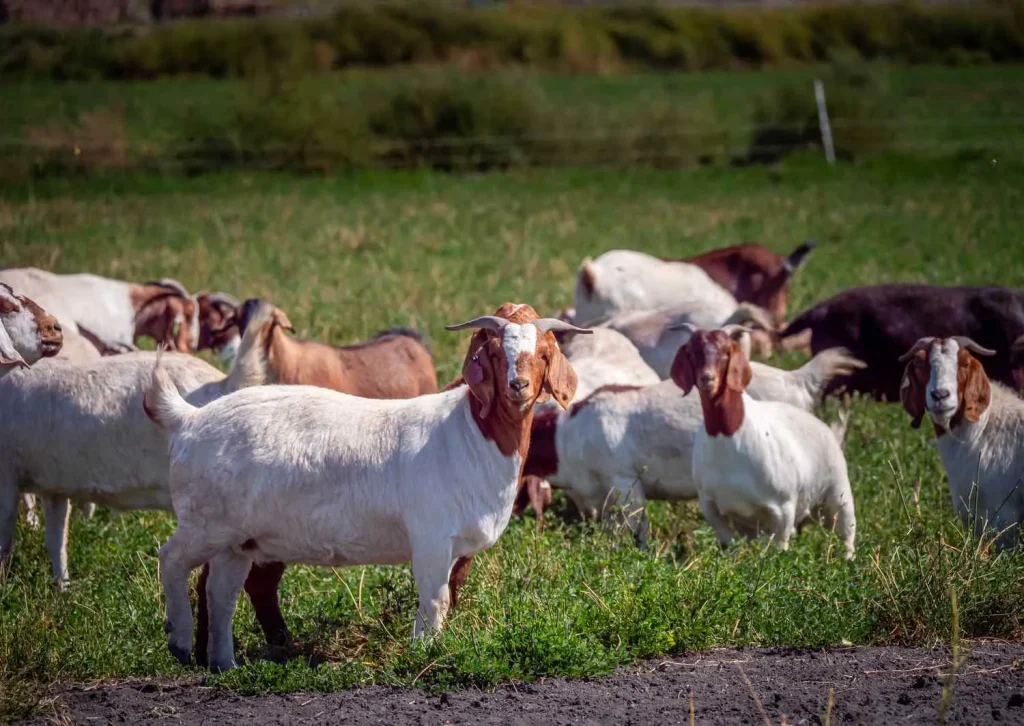
Boer Goats are large, strong, and muscular. They have a white body with a distinctive brown or reddish head and long, pendulous ears. Some may have patches or spots, but the classic white and red coloring is most common.
– Males (bucks) can weigh up to 300 lbs (135 kg)
– Females (does) typically weigh around 200 lbs (90 kg)
– Broad chests, short legs, and strong bones
Their size and build make them one of the best choices for meat production, offering a high yield of quality meat.
🧠 Temperament and Behavior
Boer Goats are known for their calm and friendly nature. They adapt well to different environments and are easy to manage, even for novice goat keepers. Their docile temperament makes them less likely to fight or injure each other, which is ideal in large herds.
They are also good mothers and show strong maternal instincts, which contributes to healthy kid survival rates. For those who prefer a smaller, equally docile breed, the Teddy Goat is a compact alternative that shares a similar easygoing temperament.
🌱 Feeding and Nutrition
Proper nutrition is key to maximizing the growth potential of Boer Goats. They are browsers and enjoy eating leaves, shrubs, and weeds. However, for best results, their diet should include:
– High-protein grains (corn, soybean meal)
– Hay or green fodder
– Mineral supplements (calcium, phosphorus, salt blocks)
– Clean, fresh water at all times
Some commercial farmers use specialized feed formulas to ensure rapid weight gain, especially for market-ready goats. A practical tip: supplementing with extra copper and selenium can help prevent common deficiencies that affect growth and coat quality.
🏞️ Housing and Environment
Boer Goats are adaptable and can live in various climates, but proper shelter is essential for their health and productivity.
– Provide dry, clean, and well-ventilated shelters
– Protect them from extreme cold or wet weather
– Ensure ample space to roam and graze
A clean and dry environment helps prevent diseases such as foot rot and pneumonia.
🛡️ Health and Disease Prevention
While Boer Goats are hardy, regular health care ensures they remain in top condition:
– Vaccinate against common diseases (e.g., enterotoxemia, tetanus)
– Deworm regularly to prevent parasite infestations
– Trim hooves every 4-6 weeks
– Monitor for signs of illness such as loss of appetite, coughing, or lameness
Working with a local veterinarian can help set up a proper health management schedule. For a breed that thrives in even more challenging environments, the Banker Goat offers a fascinating example of natural hardiness and disease resistance.
📈 Reproduction and Breeding
Boer Goats have a high fertility rate and can produce twins or triplets. Breeding can start as early as 6-8 months in females, but it’s best to wait until they are at least 12 months old.
– Gestation period: 150 days
– Average kids per birth: 2-3
– Strong maternal behavior and milk production
Selective breeding is common to improve meat yield, health, and appearance.
💰 Economic Value
The Boer Goat is considered one of the most profitable breeds for meat production. Their rapid growth and high meat-to-bone ratio make them ideal for commercial farming. Boer goats often fetch premium prices in livestock markets, especially during festivals and special occasions.
They are also in demand for breeding programs, exhibitions, and crossbreeding with local goat breeds to improve performance. For dairy-focused operations, the Nubian Goat is a versatile alternative that also commands strong market interest.
🎯 Why Choose Boer Goats?
- Exceptional meat yield
- Fast growth rate and early maturity
- Adaptable to various climates and conditions
- Gentle temperament – easy to manage
- High demand in global and local markets
❓ Frequently Asked Questions
Q1: Are Boer Goats good for beginners?
A: Yes, their docile nature and ease of management make them suitable for new farmers.
Q2: How fast do Boer Goats grow?
A: With proper nutrition, kids can reach market weight within 5–6 months.
Q3: Can Boer Goats be raised for milk?
A: While they produce milk, they are not efficient dairy goats. They’re best suited for meat production.
Q4: Do they require special care?
A: Basic health management, clean shelter, and good nutrition are sufficient. They’re relatively low-maintenance.
Q5: Are Boer Goats profitable?
A: Absolutely. Their high market value and fast growth make them a profitable choice for meat goat farming.
✅ Conclusion
The Boer Goat remains one of the smartest investments for anyone serious about meat goat farming. With its unmatched growth rate, high meat yield, and easygoing nature, this breed continues to dominate farms worldwide. Whether you are a seasoned farmer or just starting out, raising Boer Goats offers a rewarding blend of profitability and hands-on satisfaction. For those exploring other breeds with similar potential, the Alpine Goat provides a dairy-focused counterpart that is equally resilient and productive.