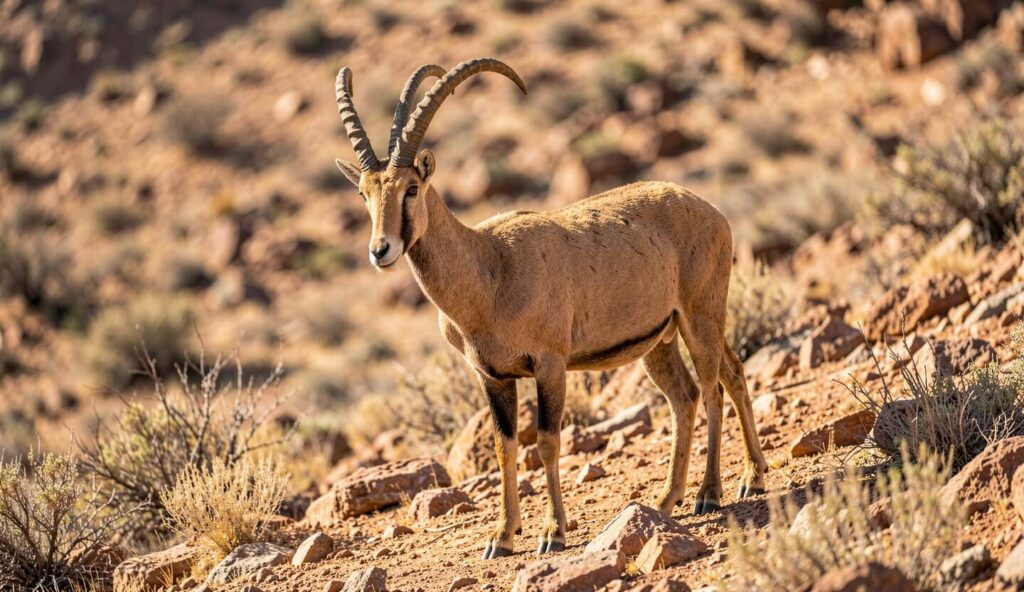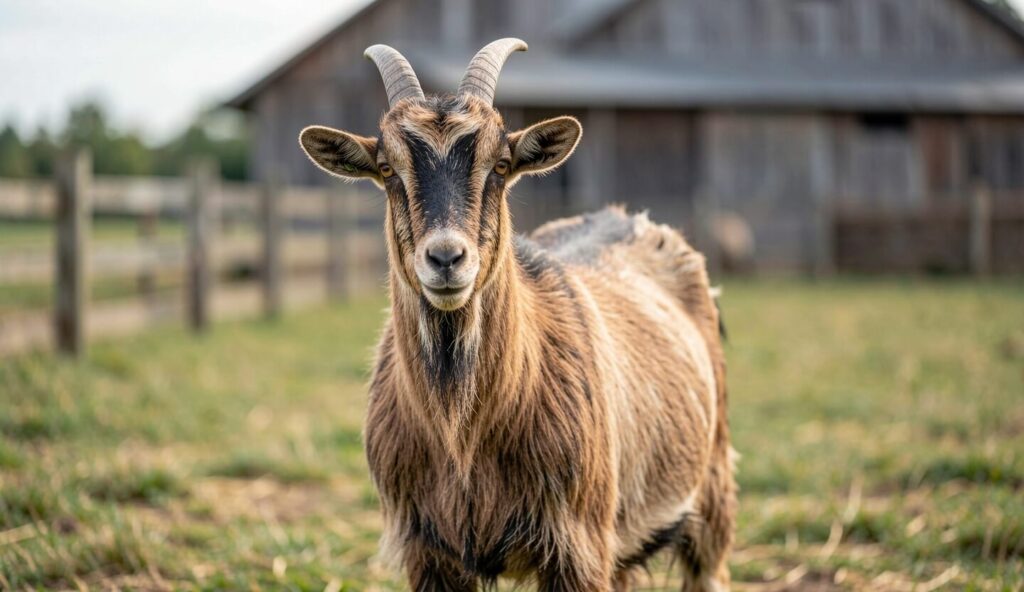
What Is a Damascus Goat?
The Damascus Goat is a distinctive, dual-purpose breed known for its striking appearance and cultural ties to the Levant region. Also referred to as the Syrian goat breed, it has gained global recognition among livestock keepers for its ability to produce both milk and meat in varied climates. This breed profile covers everything needed to understand and manage a Damascus Goat successfully.
Its reputation as a hardy and productive animal makes it a popular choice for breeders seeking a versatile herd member. The Damascus goat facts below will help potential owners decide if this breed matches their goals.
Breed Origin And Regional Links
The Damascus Goat originated in Syria and the broader Levant region, where it has been raised for centuries. Historical movement of livestock across the Middle East helped spread the breed to neighboring countries, including Turkey, Cyprus, and Lebanon. Modern herd records often list Damascus as a recognized strain within the region’s goat diversity.
Today, the breed is found on multiple continents, often kept for its adaptability and strong maternal traits. Its name references the ancient city of Damascus, reflecting the breed’s deep historical roots in Syrian agriculture.
General Use For Dairy And Meat
This goat is a true dairy and meat goat, valued for moderate milk production and quality carcass traits. Individual herd goals shape management choices: some keepers prioritize milk yield, while others focus on meat conformation. Performance depends heavily on genetic lines, feeding programs, and overall herd health.
For those raising goats for milk and meat, the Damascus Goat offers flexibility. Consistent forage and proper supplementation help meet production targets without excessive inputs.
Curiosity Value And Breed Reputation
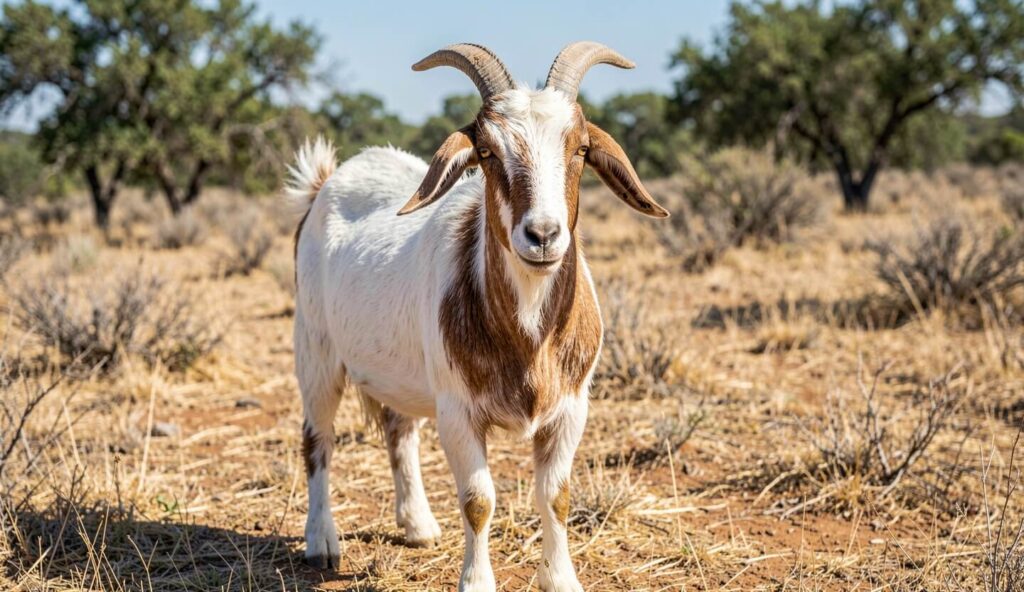
The Damascus Goat draws attention among breed enthusiasts due to its unique head shape, long ears, and varied coat patterns. Its alert temperament and eye-catching appearance contribute to a strong curiosity value. Handlers should expect a goat that is both inquisitive and responsive to calm, regular interaction.
Because of its reputation, this breed is often featured in livestock exhibitions. New owners should prioritize early socialization to maintain a manageable temperament.
Appearance And Physical Features
Identifying a Damascus Goat requires attention to specific body traits and color patterns. The breed’s physical features make it stand out among other goat breeds.
Coat Color Patterns And Markings
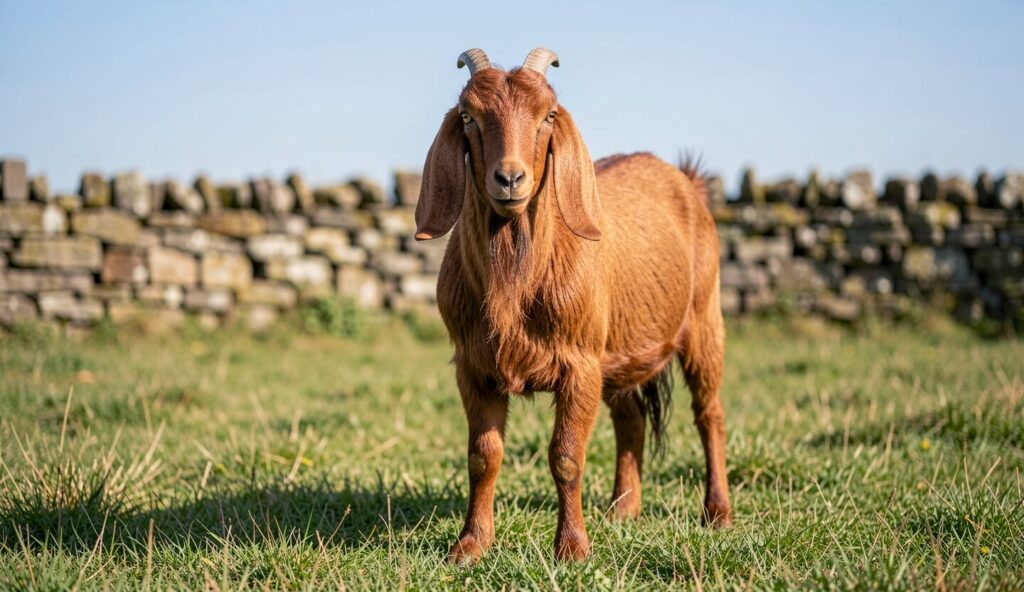
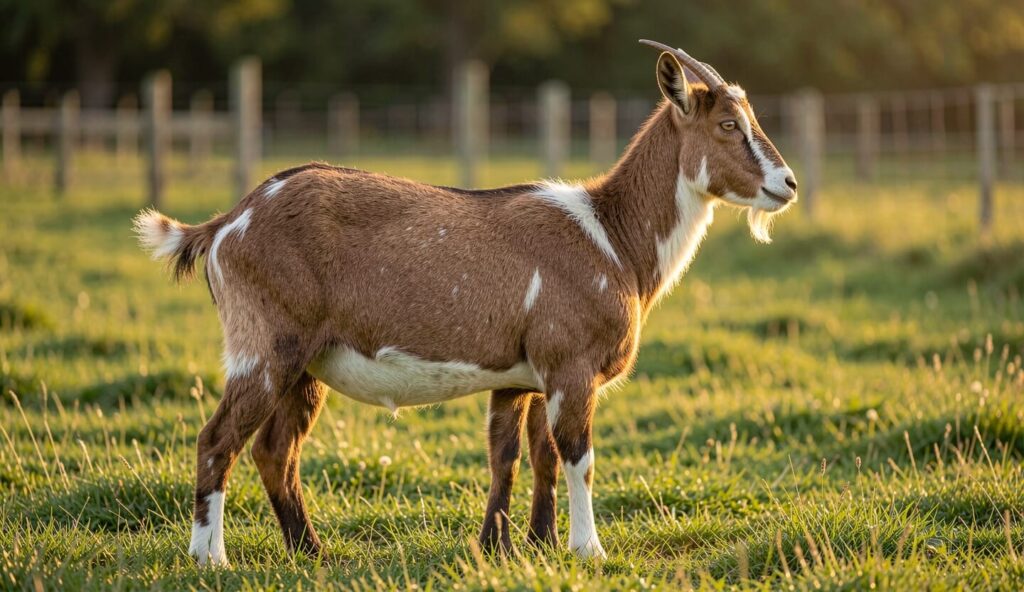
Damascus goats display a wide range of coat colors, including solid red, black, white, and various mixed patterns. Markings can include facial stripes, leg bands, and contrasting patches on the body. Individual breeding lines influence the exact combination, so buyers should ask about color history.
To distinguish from other dairy breeds, note the absence of a typical Swiss or Saanen spotting pattern. The coat is short and sleek, requiring minimal grooming except during seasonal shedding.
Body Size And Build
Adult Damascus goats have a medium to large frame with a deep chest and strong legs. Bucks typically weigh 80–100 kg, while does range from 60–80 kg. Body condition scoring should show a moderate fat cover over the ribs and spine without excessive thinness or obesity.
As goats age, muscle tone may decrease, so regular condition checks help maintain optimal health. Young goats grow rapidly and need consistent nutrition to support proper skeletal development.
Head Shape And Horn Or Ear Traits
The head of a Damascus Goat is long with a slightly convex profile, often described as Roman-nosed. Ears are long, drooping, and set low on the head. Horns, when present, are twisted and swept backward; polled (hornless) individuals occur but are less common.
Visual assessment includes checking for symmetry in horns and ear placement. Buyers should verify that horns do not grow inward to avoid injury within the herd.
Temperament And Personality
Damascus goats are known for their alert, curious nature and strong herd instincts. Understanding their temperament helps handlers build trust and reduce stress during daily care.
Behavior With People
These goats show moderate friendliness toward familiar handlers but may be reserved with strangers. They respond best to calm, consistent movements and positive reinforcement during handling sessions. Early and regular contact with humans improves long-term cooperation for milking, health checks, and moving.
Avoid sudden grabs or loud noises, which can trigger flight responses. With patience, Damascus goats become manageable and even affectionate toward their keepers.
Herd Behavior And Compatibility
Damascus goats thrive in groups and form stable hierarchies. Introducing unfamiliar goats too quickly can lead to bullying and stress, so a quarantine and slow integration period is essential. Space per goat should be at least 10–15 square meters in pasture to reduce competition.
Mixing Damascus with other breeds, such as the Nubian Goat, is possible if temperament similarities exist. Observe herd dynamics for signs of persistent aggression and separate trouble individuals when needed.
Activity Level And Daily Habits
These goats are moderately active, spending much of the day grazing, browsing, and exploring. They prefer varied terrain and benefit from enrichment like climbing platforms or small structures. Pasture access is ideal, but a large dry lot with hay can suffice if managed carefully.
Weather changes affect activity: hot afternoons lead to rest, while cooler mornings encourage foraging. Seasonal routines should include shade in summer and windbreaks in winter.
Exercise And Space Requirements
Proper space and exercise prevent obesity, lameness, and behavioral issues. Meeting the exercise needs of a Damascus Goat requires thoughtful pasture and shelter design.
Pasture Access And Grazing Opportunities
Daily grazing on mixed forage supports digestive health and provides mental stimulation. Rotate pastures to prevent overgrazing and parasite buildup. Beginners should start with a small, well-drained paddock and gradually expand as the herd grows.
Forage variety—grass, legumes, and browse—mirrors natural feeding patterns. Overgrazing on a single plant type can cause nutrient imbalances and hoof damage.
Run Space And Shelter Needs
Each goat needs a dry, well-ventilated shelter with at least 3–4 square meters per adult. Shelter should protect from rain, wind, and extreme sun. In cold climates, a three-walled shelter with deep bedding works well; in hot areas, open-sided structures with airflow are better.
Windbreaks reduce stress and help goats conserve energy. Regularly check shelter floors for dampness, as persistent moisture leads to hoof and respiratory problems.
Hoof Care Through Movement
Walking on uneven ground naturally wears hooves, but routine trimming remains essential. Hard surfaces can over-wear hooves, while soft, muddy areas cause overgrowth and infection. Provide a mix of terrain types within the pasture.
Inspect hooves every two to four weeks, looking for cracks, foul odor, or overgrowth. A simple foot bath with diluted copper sulfate can reduce bacterial risks.
Training And Handling For Safer Daily Care
Teaching goats to cooperate during health checks and milking reduces stress for both animal and handler. Damascus goats are intelligent and quickly learn routines when approached methodically.
Basic Socialization Steps
Start by letting young goats approach voluntarily with treats or hay. Use the same gate, feeder, and time of day to establish consistency. Gradually introduce light touching on the neck, back, and legs before attempting full restraint.
A calm voice and slow movements build trust. Avoid chasing or cornering goats, as this reinforces fear. A dedicated handling pen with solid sides prevents distractions.
Teaching Station Visits For Health Checks
Train goats to stand calmly in a headlock or stanchion for inspections. Reward cooperation with a small ration of grain or alfalfa. Keep sessions short—two to three minutes—to avoid frustration.
Check eyes, ears, coat, hooves, and udder during each visit. Stable flooring and secure gates prevent slips and injuries. Over time, goats will associate the station with positive outcomes.
If a Goat Is Skittish Or Difficult
Identify stress signals such as wide eyes, stiff posture, or vocalizing. Reduce handling frequency to once or twice daily and only for essential tasks. Pair a confident, calm goat with the nervous one to model desired behavior.
If a goat remains unmanageable, consult an experienced livestock handler or veterinarian. Some individuals require extra patience, but most Damascus goats adapt well with consistent, low-pressure training.
Grooming And Care Tips
Regular grooming and sanitation keep Damascus goats healthy and comfortable. A few minutes daily or weekly prevent many common health issues.
Coat Care And Seasonal Shedding
Brush the short coat weekly during shedding seasons (spring and fall) to remove loose hair and stimulate skin circulation. Pay attention to the belly, legs, and under the tail, where dirt and parasites can accumulate. Use a stiff brush or grooming glove.
Bathing is rarely needed; spot-clean with a damp cloth if the coat is muddy. Check for external parasites like lice or mites during brushing.
Hoof Cleaning And Trimming Basics
Trim hooves every six to eight weeks or when the toes begin to curl. Use sharp hoof shears and remove small layers until the sole is flat and even. Clean out dirt and debris with a hoof pick before cutting.
Keep goats on dry, clean surfaces to slow hoof growth and reduce infection. Soaking hooves in a disinfectant solution weekly helps prevent foot rot, especially in wet climates.
Sanitation For Pens And Bedding
Remove wet bedding and manure daily from feeding and resting areas. Deep-bedded shelters need complete cleaning every two to three weeks, depending on stocking density. Disinfect water troughs weekly to prevent algae and bacterial buildup.
A clean environment reduces parasite loads and fly problems. Raise feeders off the ground to minimize contamination from droppings.
Diet And Nutrition For Dairy And Meat Goals
Feeding a Damascus Goat requires balancing forage, concentrates, and minerals to support growth, milk production, or meat gain. A well-planned diet is the foundation of herd health.
Core Feed Structure And Forage First Rule
Forage, such as grass hay, alfalfa, or pasture, should make up at least 70% of the daily intake. High-quality forage supports rumen function and reduces the risk of digestive upset. Provide unlimited access to clean hay or pasture.
Legume hay like alfalfa is suitable for lactating does and growing kids, while grass hay works well for dry does and bucks. Always introduce new forages gradually over several days.
Concentrates Mineral Mixes And Supplements
Grains or pelleted concentrates are used when forage alone cannot meet energy needs—specifically during late pregnancy, lactation, or finishing for meat. Feed concentrates in limited amounts (0.5–1 kg per day for lactating does) to avoid bloat.
A loose goat mineral mix with added salt should be available free-choice. Check that calcium-to-phosphorus ratio is appropriate for the production stage. For dairy-focused herds, consider a mineral blend designed for high-yielding dairy animals like the Alpine Goat.
Feeding by Life Stage And Production
Breeding does need extra energy in the last month of pregnancy and during lactation. Kids require a 16–18% protein starter feed from two weeks of age until weaning. Bucks need a maintenance diet with moderate energy to stay fit without becoming overweight.
Adjust feed amounts based on body condition score and weather. Cold weather increases energy demands, so provide additional hay or bedding to conserve warmth.
Water And Grazing Safety Checks
Fresh, clean water must be available at all times. Check troughs daily in summer to prevent overheating and ensure freeze-proof equipment in winter. Contaminated water is a major cause of reduced feed intake and illness.
Inspect pastures for toxic plants such as milkweed, rhododendron, or yew. Remove or fence off dangerous species before turning out goats.
Common Health Issues In Damascus Goats
Like all goats, Damascus goats face several health challenges that require vigilance and proactive management. Early detection and proper husbandry reduce treatment costs.
Parasites And Deworming Considerations
Internal parasites, especially barber pole worm, are a leading risk. Use fecal egg counts to determine deworming need rather than routine treatment, which promotes resistance. Pasture rotation and raising feeders off the ground help lower exposure.
Watch for signs like pale eyelids, weight loss, or diarrhea. Quarantine new animals and treat them if needed before joining the herd.
Digestive Health And Bloat Risk Management
Sudden changes in feed, especially rich grains or lush legumes, can cause bloat. Provide free-choice baking soda to help buffer rumen pH. Early signs of bloat include a distended left side, restlessness, and vocalizing.
Prevent bloat by transitioning feeds over seven to ten days. If bloat occurs, administer antifermenting agents or call a veterinarian immediately.
Hoof Problems And Lameness Watch Points
Wet bedding and muddy pens promote foot rot and hoof abscesses. Inspect hooves during grooming for swelling, heat, or discharge. Lameness shown as a head bob or reluctance to walk should prompt a thorough exam.
Keep hooves trimmed and provide dry resting areas. Soaking affected feet in a 10% copper sulfate solution once daily for five days treats mild infections.
Vaccination And Vet Scheduling Basics
Vaccination plans vary by region; common vaccinations include CDT (Clostridium perfringens C and D plus tetanus). Does should be vaccinated four to six weeks before kidding to pass immunity to kids. Annual boosters for the entire herd are standard.
New animals should be quarantined for at least 30 days and vaccinated before joining the main group. A relationship with a local veterinarian experienced in small ruminants is essential for emergencies and routine advice.
Breeding Basics And Kid Rearing
Successful breeding of Damascus goats requires planning for health, genetics, and kid care. Following basic protocols ensures strong offspring and productive does.
Breeding Planning For Health And Performance
Breed does only after they reach 65–70% of adult weight (around 8–10 months) to avoid stunting growth. Condition does to a body score of 2.5–3.0 before breeding. Keep detailed records of breeding dates, sire, and expected kidding dates.
Separate intact bucks from does except during planned breeding to prevent unwanted pregnancies. Bucks can be housed nearby to stimulate estrus.
Kidding Setup And Newborn Care
Prepare a clean, dry kidding pen with deep bedding at least two weeks before due date. Ensure newborn kids receive colostrum within the first two hours of life—at least 10% of body weight in volume. Monitor breathing and suckling reflexes for the first 24 hours.
Assist only if labor exceeds one hour of active pushing. Keep the pen warm and draft-free, especially in cold weather.
Raising Kids With Strong Forage Habits
Introduce hay and fresh water to kids from day three. Offer a high-protein starter creep feed at two weeks old to support rumen development. Wean kids at 10–12 weeks when they consistently eat solid feed and weigh at least 12–15 kg.
Slowly reduce milk feeding over seven to ten days to minimize stress. Kids raised with forage-first habits become efficient adult goats.
Is a Damascus Goat Right For You?
Deciding whether to add a Damascus Goat to your farm depends on your space, goals, and experience level. This breed fits specific keeper profiles.
Who This Breed Fits Best
Livestock keepers interested in rare or exotic breeds will appreciate the Damascus Goat’s unique history and appearance. Those seeking a dual-purpose dairy and meat goat will find the breed productive under proper management. Keepers with at least basic goat experience can handle the breed’s moderate training requirements.
The breed also suits small-scale farmers who can provide daily attention and quality forage. For beginners, starting with a more docile breed like the Pygmy Goat or Saanen Goat may ease the learning curve.
Common Commitment Requirements
Daily tasks include feeding, water checks, and health observation. Weekly chores involve hoof checks, grooming, and manure removal. Seasonal duties include deworming based on fecal tests, vaccination, and pasture rotation.
Secure fencing and clean housing are non-negotiable. Damascus goats can climb, so tall woven wire fences with top rails are recommended.
Questions To Ask Before Buying
Ask the seller about herd health history, including deworming and vaccination records. Inquire about the goat’s parentage and production performance (milk yield, growth rates). Confirm the goat’s temperament with time spent handling it.
Request to see the original farm setup and ask about any known health issues in the bloodline. A transparent seller will provide documentation and answer all questions.
Starter Checklist For New Damascus Goat Owners
Preparing for a Damascus Goat requires specific supplies and planning. Use this checklist to ensure a smooth transition.
Supplies And Housing To Prepare
- Dry, well-ventilated shelter with deep bedding
- Secure fencing and gates that prevent escape and injury
- Clean feeders and water trough or automatic watering system
- Headlocks or safe handling area for health checks
Feeding And Health Setup
- Forage supply plan and consistent feeding schedule
- Mineral access and salt availability
- Vet contact and baseline vaccination plan
- Fecal testing plan and deworming schedule
Other useful items include hoof shears, a weighted scale, and a first-aid kit for goats. Having these supplies ready reduces stress for both owner and animal.
Frequently Asked Questions
What are common Damascus goat characteristics that help with identification?
Damascus goats have a long Roman nose, drooping ears, and a short, sleek coat in varied colors like red, black, or white. Their medium-to-large frame and twisted horns (when present) distinguish them from other dairy breeds.
Are Damascus goats good for both milk and meat?
Yes, they are considered a dairy and meat goat, though performance depends on genetics and feeding. Proper nutrition can support moderate milk yields and quality meat production.
What housing does a Damascus goat need to stay healthy?
They need dry, ventilated shelter with deep bedding, secure fencing, and access to a clean feeding and watering area. Provide at least 3–4 square meters per adult inside the shelter.
How should feeding be adjusted for lactating does versus kids?
Lactating does need extra energy from concentrates and alfalfa hay, while kids require a high-protein starter feed from two weeks of age. Gradually change feed amounts to avoid digestive upset.
What are the most common health problems to watch for in Damascus goats?
Parasites, bloat, and hoof infections are common. Routine fecal testing, gradual feed changes, and dry bedding help prevent these issues.
How can a beginner handle a curious Damascus goat safely?
Use calm, consistent handling and a secure pen. Start with short training sessions, reward cooperation, and never chase or corner the goat.
Final Note
The Damascus Goat is a rewarding breed for keepers who appreciate history, dual-purpose productivity, and striking appearance. With proper care, housing, and nutrition, this goat can thrive and contribute to a diverse livestock operation.