What Is a Jamunapari Goat
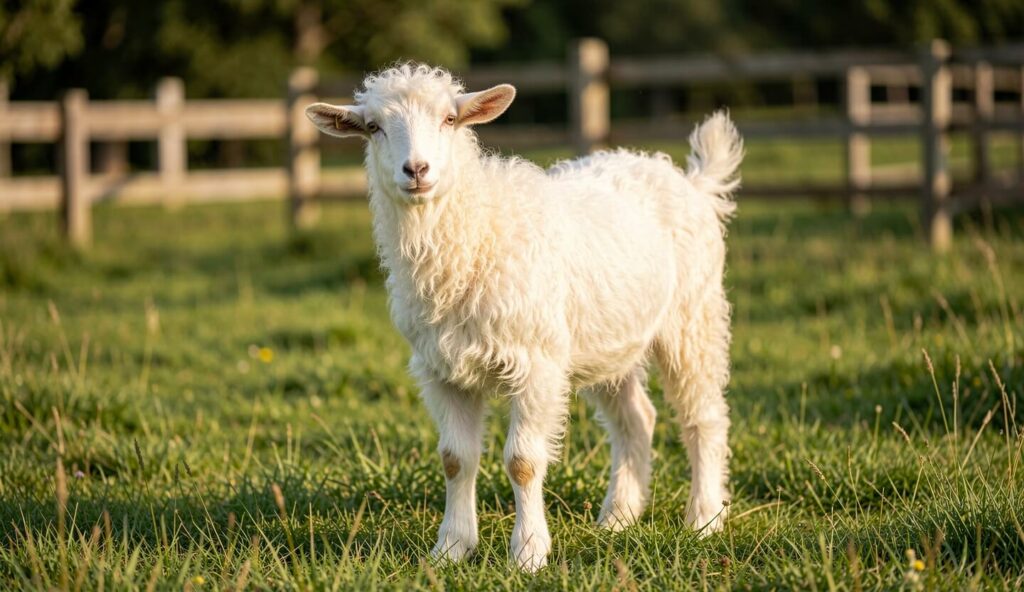
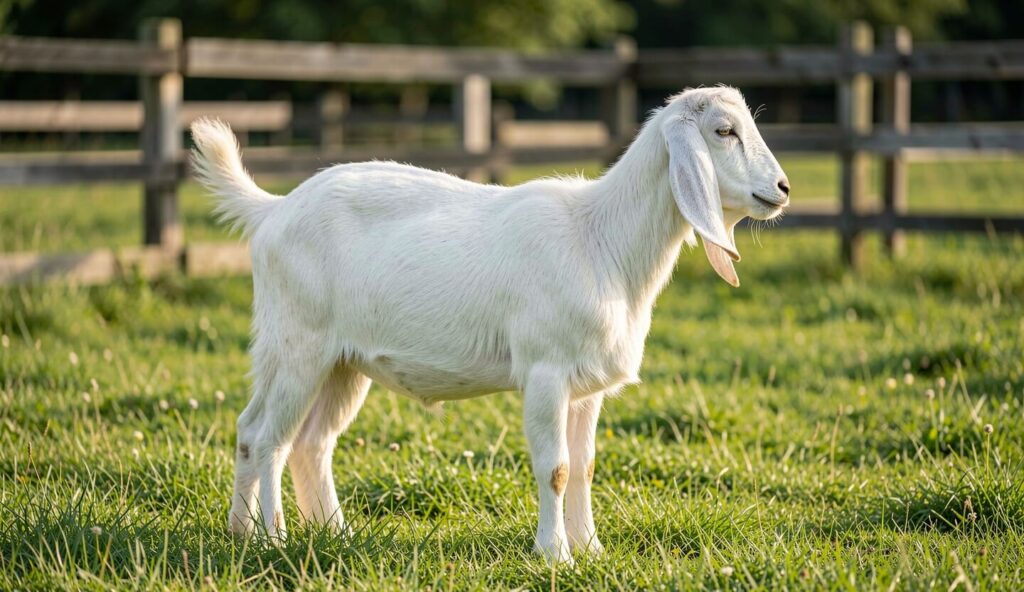
The Jamunapari goat is a prized Indian dairy breed known for its majestic appearance and high milk production. Originating from the Jamunapari region in Uttar Pradesh, India, this breed is often called the Queen of Goats. It stands out among Indian dairy goat varieties for its long, pendulous ears and calm temperament.
Origin of the Jamunapari Goat
The Jamunapari goat comes from the fertile river valleys of the Jamunapari region in Uttar Pradesh. Local farmers developed it over centuries for dual-purpose milk and meat production. The breed gained recognition across South Asia, often compared to the Beetal Goat for its dairy qualities.
This goat is known as the Queen of Goats due to its regal bearing and high milk yield. It is one of the most sought-after dairy breeds in India and neighboring countries. Enthusiasts prize the Jamunapari for its adaptability to various climates.
Appearance and Physical Features
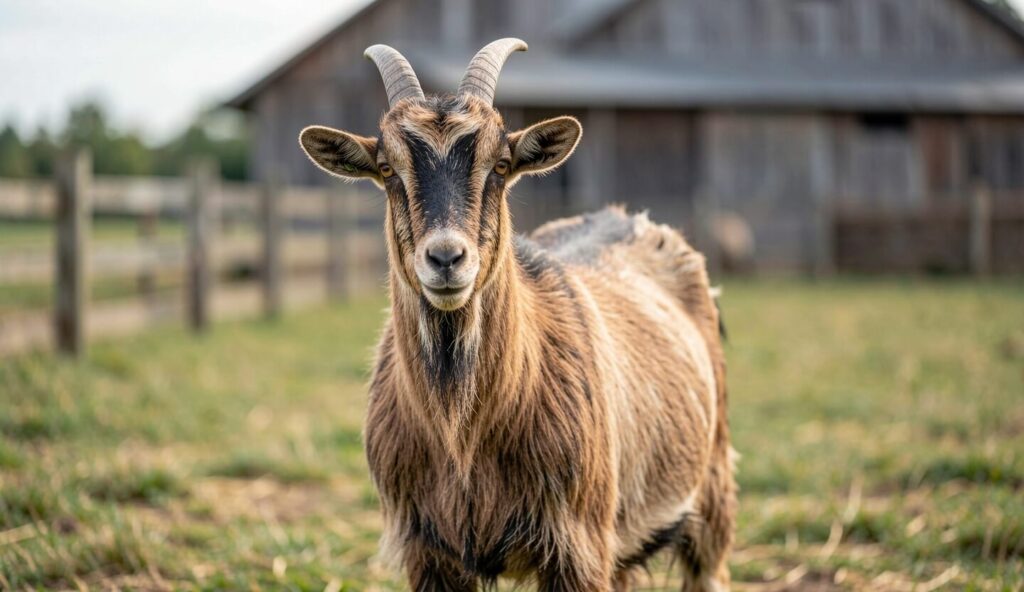
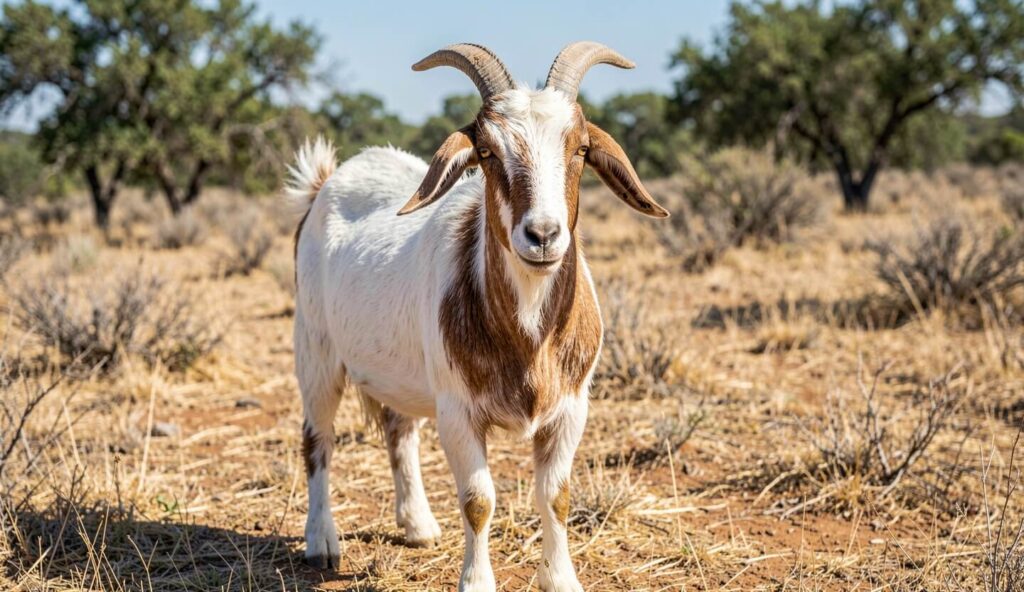
The Jamunapari goat has a striking appearance that makes it immediately recognizable. Its large frame, long legs, and distinctive head shape set it apart from other breeds. The most notable feature is the pair of long, drooping ears.
Distinctive Long Ears
The ears of a Jamunapari goat measure between 20 and 30 centimeters in length. They hang down vertically and are often described as pendulous. This trait gives the breed a noble expression and is a hallmark of the long-eared goat type.
Coat Colors and Patterns
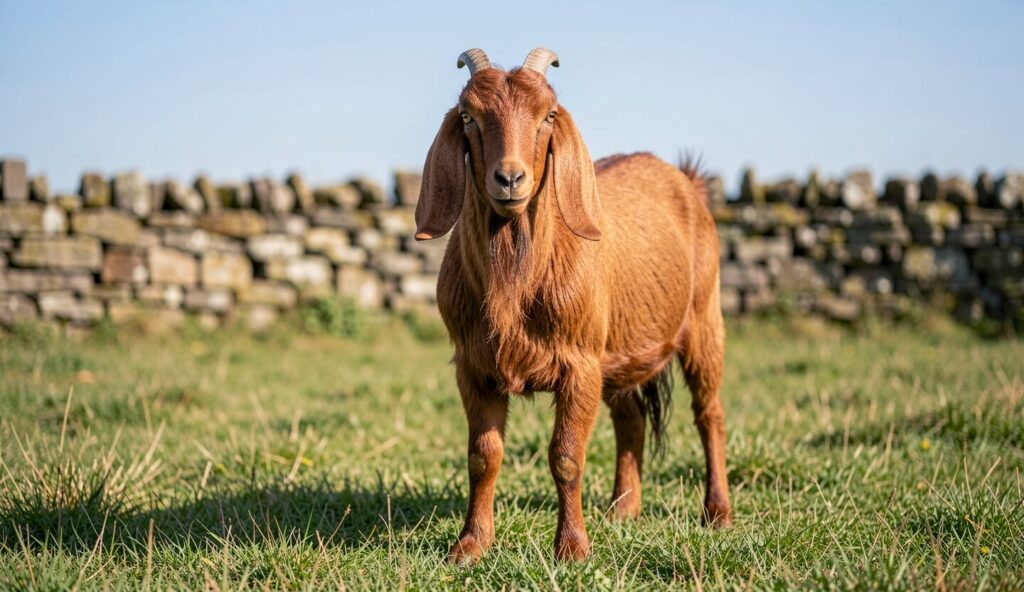
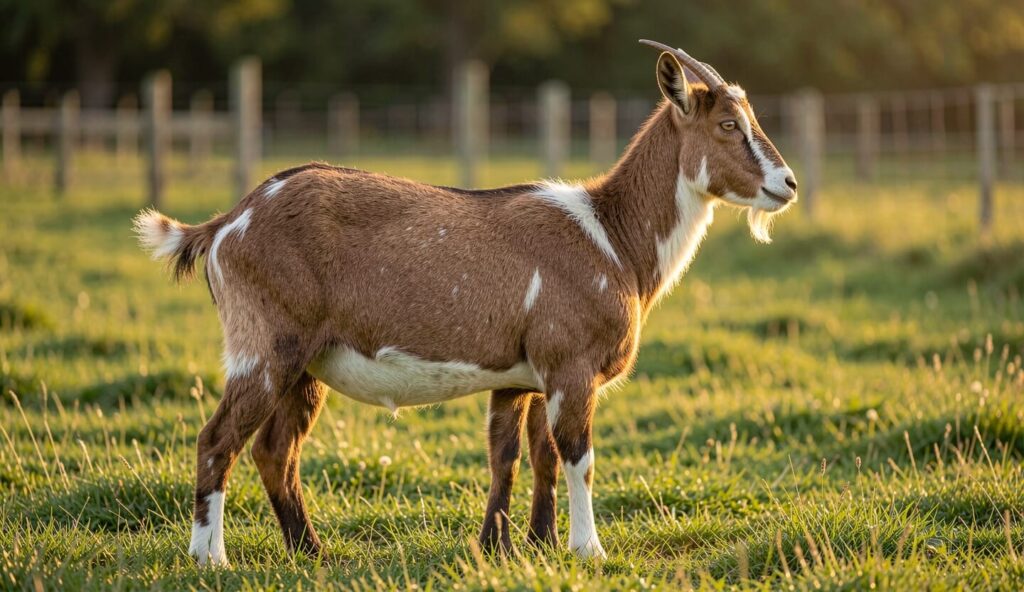
White is the most common coat color for this breed, but brown, black, and mixed patterns also occur. The coat is short, smooth, and easy to maintain. Unlike the compact Barbari Goat, the Jamunapari has a leaner body with less hair.
Body Size and Weight
Adult males weigh between 65 and 80 kilograms, while females range from 45 to 60 kilograms. Height at the withers is typically 70 to 85 centimeters. The body is long and deep with a straight back, giving the goat a stately profile.
Temperament and Personality
The Jamunapari goat is generally calm and docile, making it a suitable choice for various owners. It can be independent and slightly stubborn but responds well to consistent handling. Its intelligence makes it curious about its surroundings.
Behavioral Characteristics
These goats are alert and quick to learn routines. They rarely show aggression unless provoked. Their gentle nature makes them popular among families and smallholders.
Interaction with Humans and Other Animals
Regular handling from a young age produces friendly, trusting animals. Jamunapari goats get along well with other goats and livestock. Their temperament is similar to the Nubian Goat, another dairy breed known for its sociable personality.
Some individuals can be territorial, especially during breeding season. Proper socialization prevents unwanted behaviors. Overall, this breed is a good choice for those seeking a manageable dairy goat.
Diet and Nutrition
A balanced diet is essential for maintaining the health and milk production of the Jamunapari goat. This breed requires a high-fiber base of grass and hay. During lactation, grains provide extra energy to support milk output.
Dietary Needs
High-quality grass hay or alfalfa hay should form the bulk of the diet. Fresh, clean water must always be available. Feeds should be adjusted according to age, weight, and production stage.
Common Feed and Supplements
Recommended feed items include:
- Alfalfa hay, clover, and grass hay
- Grains such as corn, barley, and oats
- Mineral blocks and salt licks
- Vitamin A and E supplements for pregnant or lactating does
Nutritional requirements mirror those of the Makhi Cheeni Goat, another high-yielding dairy breed. Proper feeding ensures good milk quality and prevents metabolic disorders.
Housing and Care Requirements
Proper housing protects the Jamunapari goat from harsh weather and keeps it healthy. The shelter must be dry, well-ventilated, and free from drafts. Ample space allows the goat to move and rest comfortably.
Shelter and Space
Each adult goat needs at least 1.5 square meters of indoor space. Outdoor access to a pasture or yard is essential for exercise. Secure fencing, at least 1.2 meters high, prevents escapes and keeps predators out.
Grooming and Hoof Care
Brush the coat weekly to remove dirt and loose hair. Trim hooves every six to eight weeks to prevent overgrowth and lameness. Check regularly for mites, ticks, and other external parasites.
Exercise and Enrichment
Daily access to an outdoor area allows natural grazing and movement. Climbing structures, such as logs or platforms, provide enrichment. Social interaction with other goats reduces stress and promotes well-being.
Common Health Issues
Like all goat breeds, the Jamunapari is susceptible to certain health problems. Good management and preventive care reduce the risk of disease. Regular veterinary checkups are recommended.
Parasites and Diseases
Common health concerns include:
- Internal parasites like stomach worms
- External parasites such as lice and mites
- Respiratory infections in damp conditions
- Peste des petits ruminants (PPR) and goat pox
As with the Kamori Goat, a strict deworming schedule is essential in tropical climates. Vaccinations against PPR and enterotoxemia should be part of the health plan.
Preventive Care
Quarantine new animals for at least two weeks before introducing them to the herd. Keep the living environment clean and dry. Provide balanced nutrition to strengthen the immune system.
Is a Jamunapari Goat Right for You
The Jamunapari goat suits breedrs who want a productive dairy animal with an elegant appearance. It requires moderate space, consistent feeding, and regular preventive care. Beginners can manage this breed with research and dedication.
Experienced goat keepers appreciate its milk yield and calm disposition. Those with limited space or time may find the breed too demanding. Evaluate your resources and goals before acquiring one.
Frequently Asked Questions
What is the origin of the Jamunapari goat?
The Jamunapari goat originates from the Jamunapari region in Uttar Pradesh, India. It is known as the Queen of Goats and is prized for milk and meat production.
How much milk does a Jamunapari goat produce daily?
A healthy Jamunapari doe produces 2 to 4 liters of milk per day. The milk has high butterfat content, averaging 3-4%.
Are Jamunapari goats good for beginners?
Jamunapari goats are generally gentle and easy to handle, making them suitable for beginners. They require regular care and adequate space, so beginners should research housing and feeding.
What is the average weight of a Jamunapari goat?
Adult males weigh between 65 and 80 kilograms, while females weigh 45 to 60 kilograms. Birth weight of kids is typically 2.5 to 3 kilograms.
How long do Jamunapari goats live?
With proper care, Jamunapari goats live 10 to 12 years. Good nutrition and veterinary care can extend lifespan.
What color are Jamunapari goats?
White is the most common color, but brown, black, and mixed patterns also occur. The coat is short and smooth regardless of color.
Final Note
The Jamunapari goat is a rewarding breed for those who appreciate its beauty and productivity. With proper care, it thrives as a dairy goat and makes a valued addition to any herd.