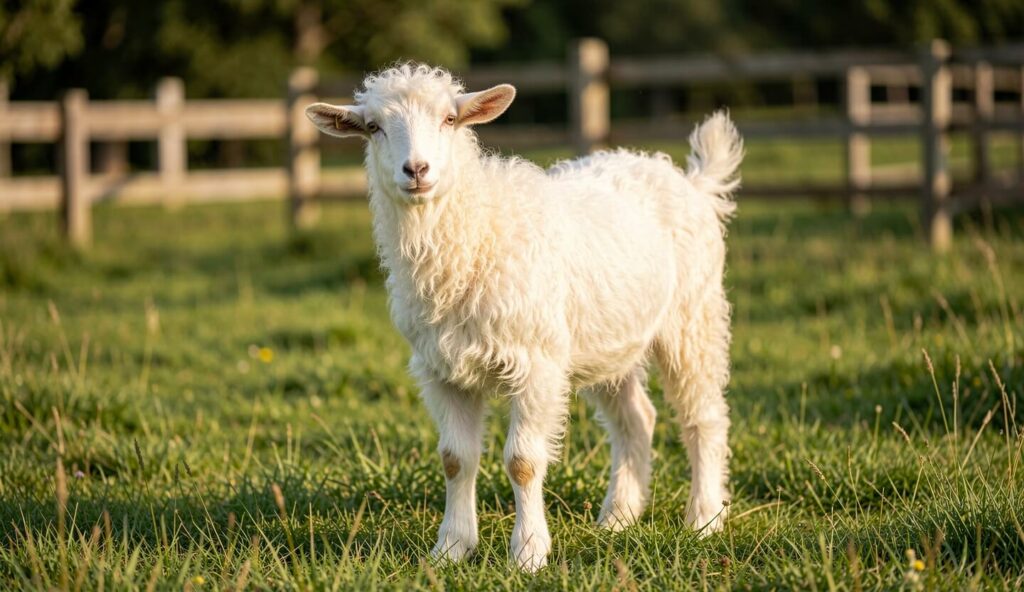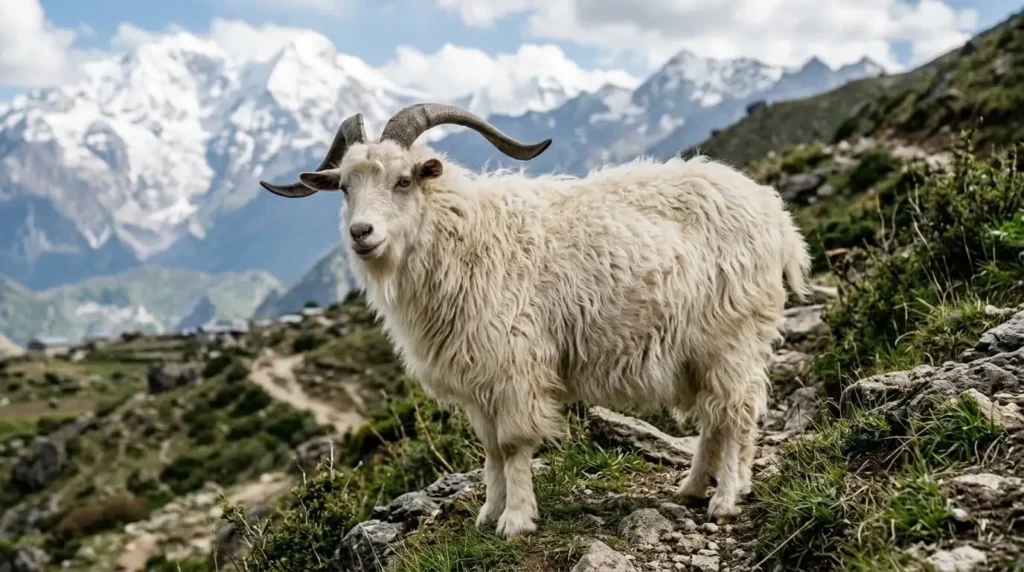
What Is a Cashmere Goat?
The Cashmere Goat is a fiber goat breed valued for its fine undercoat, which produces the luxury textile known as cashmere. This breed thrives in colder climates where the undercoat develops fully to protect against harsh winters. Cashmere goat facts show that the soft undercoat grows beneath longer guard hairs and is harvested seasonally for wool production.
Where The Cashmere Goat Originates
Cashmere goats originated in the high-altitude regions of Central Asia, particularly the Himalayas and Mongolia. These areas experience extreme cold, which encourages the growth of a dense, warm undercoat. The term “cashmere” itself derives from the Kashmir region, though similar goats are raised worldwide today.
Unlike some angora goat breeds that produce mohair, the Cashmere Goat produces a much finer fiber. The fiber grows naturally and is shed seasonally, requiring careful timing for collection.
What Cashmere Fiber Is Made Of
Cashmere fiber consists of the fine, soft undercoat that lies beneath the coarser outer guard hairs. The undercoat fibers are extremely thin, typically 14 to 19 microns in diameter, which gives cashmere its characteristic softness. Fiber quality depends on cleanliness, the ratio of undercoat to guard hair, and the timing of harvest.
For optimal results, the fiber should be combed or plucked when it begins to loosen naturally. Rough handling can increase guard hair contamination and reduce the value of the raw fiber.
Typical Uses For Cashmere Goat Fiber
The primary use of cashmere fiber is in textile production, including sweaters, scarves, and blankets. Spinners and fiber artists prize cashmere for its warmth and lightweight feel. Beyond textiles, goat manure from these animals serves as an excellent soil amendment for gardens and pastures.
Many small-scale fiber producers sell raw or processed cashmere to local artisans or specialty markets. The fiber’s high value per pound makes it an attractive product for homesteaders.
Appearance And Physical Features
Cashmere goats vary in appearance depending on their geographic origin and breeding history. They generally have a sturdy, medium-sized body suited for rugged terrain and grazing.
Coat Types And Fiber Layers
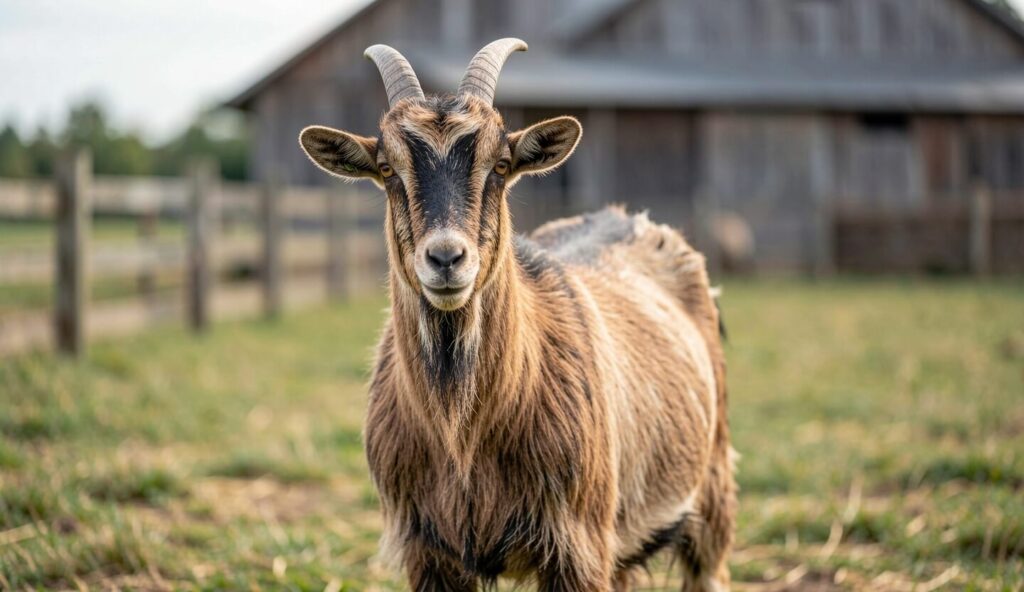
The coat of a Cashmere Goat consists of two layers: a coarse outer guard hair and a fine, crimped undercoat. The undercoat provides insulation, while the guard hair protects against moisture and debris. Fiber fineness differs between individuals, and annual shedding patterns determine the harvest window.
Goats with a higher proportion of undercoat relative to guard hair are more desirable for fiber production. Coat condition directly affects ease of harvesting and final fiber quality.
Common Colors And Body Build
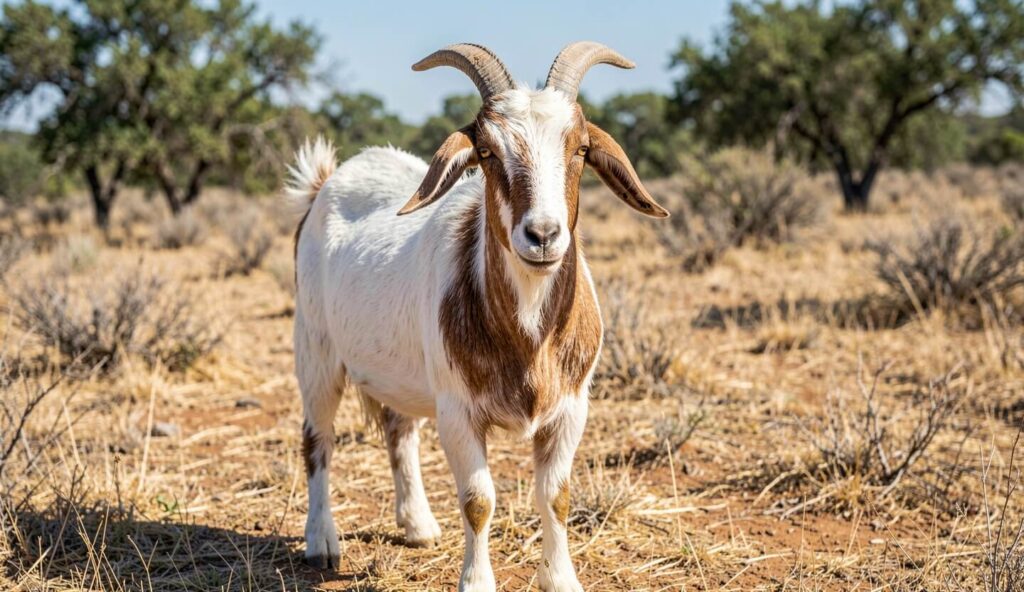
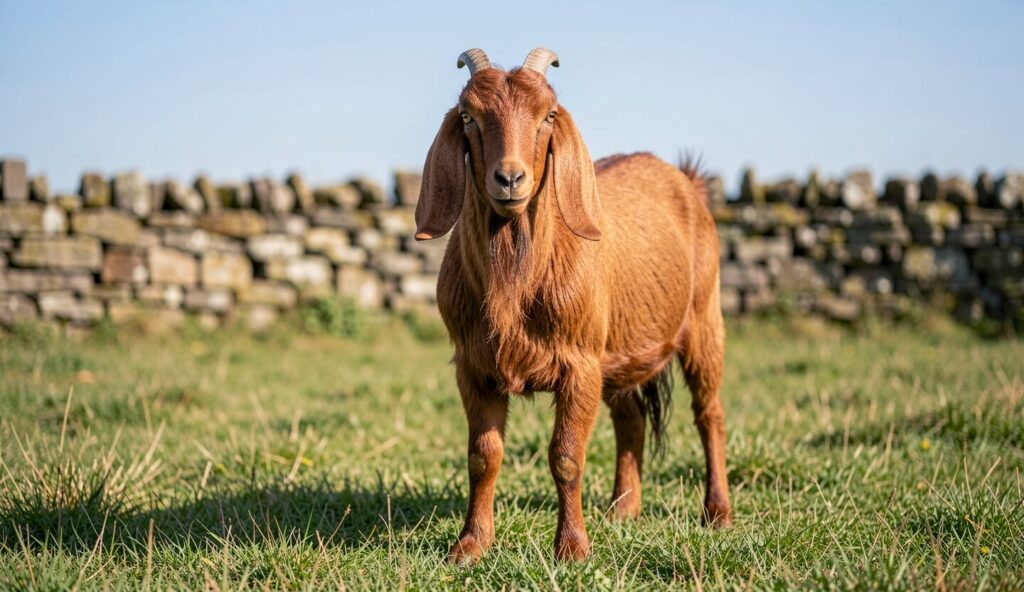
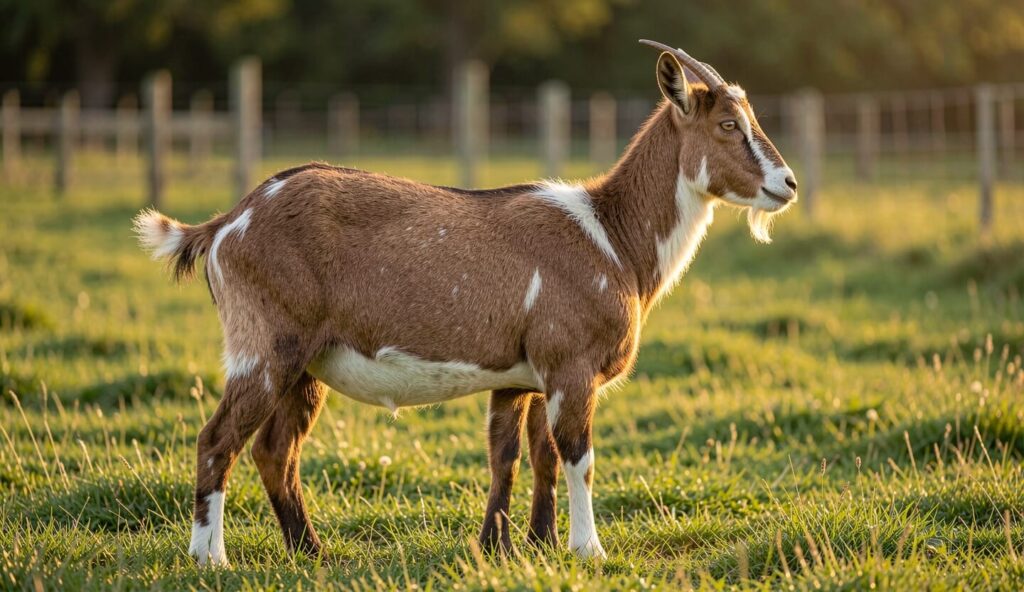
Cashmere goats appear in a range of solid colors, including white, black, brown, and gray. White fiber is often preferred because it takes dye more easily, but colored fibers also have market value. Body size varies, with does averaging 60 to 80 pounds and bucks reaching 100 to 130 pounds.
The breed’s build is compact and robust, with strong legs adapted to climbing and browsing. Fiber yield depends on nutrition, health, and grooming consistency rather than pure size.
How To Judge Fiber Readiness
Fiber readiness is indicated by a visible loosening of the undercoat as the goat prepares to shed. When the undercoat lifts easily from the skin and separates cleanly from guard hairs, it is time to harvest. Harvesting too early can damage the fiber, while waiting too long leads to loss on the ground.
Experienced owners learn to read seasonal cues in their local climate. A simple test is to gently pull a tuft of undercoat; if it comes away without resistance, the goat is ready.
Temperament And Personality
Cashmere goats are generally calm and cooperative when handled regularly. Their temperament makes them suitable for small farms and fiber operations where close contact is necessary.
Typical Behavior Around People And Herdmates
These goats are social animals that thrive in groups. They form strong bonds with herdmates and can become stressed if isolated. Around people, most Cashmere goats are curious but not aggressive, though individual personalities vary.
Stress signals during handling include vocalization, pulling away, or freezing. Gentle, predictable routines help goats remain calm during grooming and harvesting sessions.
Handling Skills That Improve Cooperation
Consistent, patient handling from a young age builds trust between goat and owner. Short grooming sessions that end with a small treat can reduce resistance over time. New goats should be introduced to the herd gradually to ease the transition.
Owners who practice low-stress handling techniques often report better fiber quality and fewer injuries.
Exercise Requirements And Daily Farm Routine
Cashmere goats need regular exercise to maintain muscle tone and digestive health. A well-planned daily routine supports both fiber production and overall well-being.
Space Needs For Grazing And Movement
Access to pasture or a large dry lot is ideal for these goats. Rotational grazing helps maintain forage quality and reduces parasite buildup. Muddy areas should be avoided to keep the coat clean and reduce the risk of hoof problems.
Even in small setups, providing room to climb and explore meets their natural instincts and prevents boredom.
Safe Ground And Shelter Considerations
Dry bedding inside a well-ventilated shelter protects the goat’s coat from moisture and dirt. Good ventilation reduces respiratory issues, while shade in hot weather prevents heat stress. Fencing must be secure and high enough to prevent escapes, as goats are agile jumpers.
Electric or woven wire fencing works well for containing Cashmere goats.
Routine Scheduling Around Fiber Harvesting
Daily tasks should include feeding, fresh water checks, and coat inspection as the shedding season approaches. Grooming sessions are best scheduled in the morning when goats are less active and more cooperative. Keeping records of each goat’s yield and behavior helps refine the annual schedule.
Coordination of feeding and cleaning around harvest days keeps fiber free from debris.
Training And Grooming Habits For Better Fiber
Training goats to accept grooming is essential for producing clean, high-quality fiber. A calm animal yields better results than one that struggles during handling.
Teaching Goats To Stand For Combing Or Brushing
Start with short sessions of just a few minutes, rewarding the goat with a small amount of grain or forage for standing still. Gradually increase the duration as the goat becomes more comfortable. Consistency is more important than length of session.
Using a calm voice and gentle touch helps the goat associate grooming with a positive experience.
Core Grooming Steps For Cashmere Fiber
Begin by brushing the outer coat to remove loose dirt and debris. Then use a fine comb or shedding comb to gently remove the undercoat, working in the direction of hair growth. Separate the collected fiber immediately into clean and soiled piles to save sorting time later.
Avoid over-combing, which can irritate the skin and reduce future fiber growth.
Seasonal Grooming Schedule
Increase grooming frequency during the weeks leading up to the natural shedding period. In cold climates, this occurs in early spring. Reduce handling during extreme weather events to avoid stressing the animals. Regular checks for mats throughout the year keep the coat manageable.
A simple calendar with notes on each goat’s shedding pattern helps optimize timing.
Grooming And Care Tips That Protect Fiber Quality
Fiber quality is directly influenced by daily care routines. Cleanliness, mat prevention, and parasite control are three pillars of good coat management.
Coat Cleanliness And Bedding Management
Provide dry, clean bedding such as straw or wood shavings in the shelter. Remove soiled bedding daily to prevent manure from sticking to the coat. Store harvested fiber in a clean, dry container away from dust and pests.
Using a deep litter method can help absorb moisture and keep the shelter floor drier.
Mat Prevention And Removal Techniques
Light brushing once or twice a week during non-shedding seasons prevents tangles from forming. Small mats should be gently teased apart with fingers or a mat splitter before they tighten. Never pull mats forcefully, as this can break the fiber and cause pain.
If mats are severe, trimming them off may be necessary, but this wastes valuable fiber.
Parasite Control For A Healthy Coat
External parasites like lice and mites can cause itching, leading to rubbing and coat damage. Internal parasites can reduce overall health and fiber quality. Work with a veterinarian to implement a deworming schedule and use appropriate treatments.
Regularly inspect the coat for signs of irritation or hair loss. A healthy goat produces a better fiber crop.
Diet And Nutrition For Strong Fiber Growth
Nutrition directly affects the quantity and quality of cashmere fiber. A balanced diet supports the goat’s ability to grow a dense undercoat each year.
Base Diet For Cashmere Goat Health
Good-quality hay or pasture forage forms the foundation of the diet. Provide clean, fresh water at all times, as dehydration reduces feed intake and fiber growth. Avoid sudden changes in feed to prevent digestive upset.
Legume hays like alfalfa offer higher protein, which is beneficial before and after the harvest season.
Minerals And Protein Needs For Fiber
Protein is essential for keratin production, the structural protein in hair and fiber. A diet with 12 to 16 percent crude protein supports good undercoat growth. Mineral supplements with copper and zinc also contribute to coat health and fiber strength.
Unlike dairy breeds such as the nubian goat, fiber goats do not need high levels of calcium for milk production. Their mineral requirements focus on coat condition.
Treats And Supplements Without Overdoing It
Small amounts of grain or fruit can serve as training rewards, but too many treats can cause obesity and reduce fiber quality. Avoid feeding moldy or spoiled feed. Body condition scores help owners adjust rations appropriately.
Supplements like brewer’s yeast or kelp meal are sometimes added to support coat condition, but should be used sparingly and under guidance.
Feeding Checklist For Fiber Producers
- Offer quality forage daily
- Keep mineral and salt available
- Provide fresh water and clean troughs
- Monitor body condition and adjust feed
- Record which animals maintain better coat condition
Common Health Issues In Cashmere Goats
Cashmere goats face health challenges common to all goat breeds, but some issues directly impact fiber yield. Preventative care is key to maintaining a productive herd.
Parasites And Skin Problems
External parasites like lice and mites cause scratching and hair loss, reducing fiber quality. Internal parasites such as worms can lead to weight loss and poor coat condition. Routine fecal testing and strategic deworming help control infestations.
Just as the boer goat is managed for meat production, fiber goats require diligent parasite control to maintain coat health.
Hoof And Joint Health
Overgrown hooves can cause lameness, limiting grazing activity and increasing stress. Trim hooves every 6 to 8 weeks or as needed. Keep housing and walkways dry to reduce the risk of hoof rot.
Healthy hooves allow goats to move freely and maintain good body condition, which supports fiber growth.
Respiratory And Weather Related Stress
Damp, drafty shelters contribute to pneumonia and other respiratory infections. Provide adequate ventilation without direct drafts. Shelter should also offer shade in summer to prevent heat stress, which can halt fiber development.
Monitor appetite and activity level daily. A sick goat often shows reduced interest in food and becomes less cooperative during handling.
Health Monitoring That Matters For Fiber Yield
Keep a simple health log noting each goat’s body condition score, coat appearance, and any treatments. Separate sick animals immediately to prevent spread. Schedule an annual veterinary checkup to review parasite control and nutrition.
Early detection of problems saves money and preserves fiber quality.
Breeding Basics For Fiber Production Planning
Selective breeding can improve fiber traits over generations. Owners focused on cashmere production should plan breedings carefully.
Selecting Bucks And Does For Desired Fiber Traits
Choose breeding stock with a high proportion of fine undercoat, good body condition, and calm temperament. Avoid animals with a history of poor coat quality or health issues. Maintain records of fiber yield and fineness for each animal to inform pairing decisions.
Unlike dairy breeds like the alpine goat, fiber goats are selected primarily for coat traits rather than milk production.
Gestation And Care During Raising Season
Pregnancy lasts about 150 days. Increase feed quality and quantity for does in late gestation and during lactation. Provide clean, dry housing to reduce stress and prevent contamination of the coat. Avoid heavy grooming in the weeks before and after kidding.
Proper nutrition during pregnancy supports the development of healthy kids with good future fiber potential.
Weaning And Early Growth Management
Wean kids at 3 to 4 months of age, offering quality forage and a starter feed. Monitor kids for coat development and overall health. Handle them gently and regularly to build familiarity for future grooming.
Early handling reduces stress during the first fiber harvest, typically at one year of age.
Starter Checklist For New Cashmere Goat Owners
Preparing for a small herd of Cashmere goats requires basic equipment and planning. The following checklists cover essentials.
Housing And Equipment Checklist
- Dry shelter with good ventilation
- Clean bedding materials (straw or wood shavings)
- Stable fencing and secure gates
- Feeders and waterers that stay clean
- Storage containers for harvested fiber
Grooming And Harvesting Checklist
- Combs or brushes for undercoat removal
- Gloves or handling tools for comfort
- Sorting areas for clean and dirty fiber
- Labels and simple tracking records
Health And Record Keeping Checklist
- Regular health checks and coat inspections
- Veterinary guidance for parasite control
- Hoof checks on a schedule
- Simple records for fiber and body condition
For comparison, keepers of merino sheep follow similar routines for wool production, though the harvesting method differs.
Is a Cashmere Goat Right For You
Cashmere goats suit fiber enthusiasts who can commit to regular grooming and careful pasture management. The breed rewards consistent care with high-value fiber each year.
Best Fit For Fiber Producers With Grooming Plans
These goats perform best when owners follow a clear grooming schedule and maintain clean living conditions. Fiber quality improves with gentle harvesting and proper sorting. Time commitment includes daily checks, weekly grooming during shedding season, and annual record review.
Producers who enjoy hands-on animal care and value a marketable fiber product will find Cashmere goats a rewarding choice.
Considerations For New Goat Owners
New owners should start with a small herd of well-socialized goats. Secure fencing, a reliable feed supply, and access to a livestock veterinarian are non-negotiable. Learning proper combing techniques early prevents coat damage and maximizes yield.
Pasture quality and local climate influence the ease of care. Dry, temperate regions are ideal, but with proper housing, Cashmere goats can adapt to varied environments.
Frequently Asked Questions
How much cashmere fiber does a Cashmere Goat produce?
A single goat typically produces 4 to 8 ounces of clean cashmere fiber per year, though well-managed animals can yield up to a pound. Genetics, nutrition, and grooming frequency strongly affect the amount.
When is the best time to harvest cashmere fiber?
Harvest when the undercoat begins to loosen and separate cleanly from the skin. This usually occurs in early spring as the goat prepares to shed for warmer weather.
What do Cashmere Goats eat to support wool production?
High-quality hay or pasture forage, clean water, and a balanced mineral supplement are the dietary essentials. Adequate protein levels (12–16%) support healthy fiber growth.
How can the quality of cashmere fiber be improved?
Keep goats clean with dry bedding, groom gently to avoid guard hair contamination, and harvest at the correct time. Storing fiber in a clean, dry environment also preserves quality.
Are Cashmere Goats good for small farms?
Yes, they adapt well to small herds when housing and grooming routines are carefully planned. Their calm temperament and manageable size make them suitable for homesteaders.
What common health problems affect cashmere goats most?
Internal and external parasites, hoof issues, and weather-related stress are the most frequent concerns. Regular health checks and veterinary guidance help prevent these problems.
Final Note
Cashmere Goats offer fiber producers a unique opportunity to generate high-value wool from a manageable, friendly animal. With proper care and consistent attention, this breed can thrive on small farms and provide rewarding annual harvests.