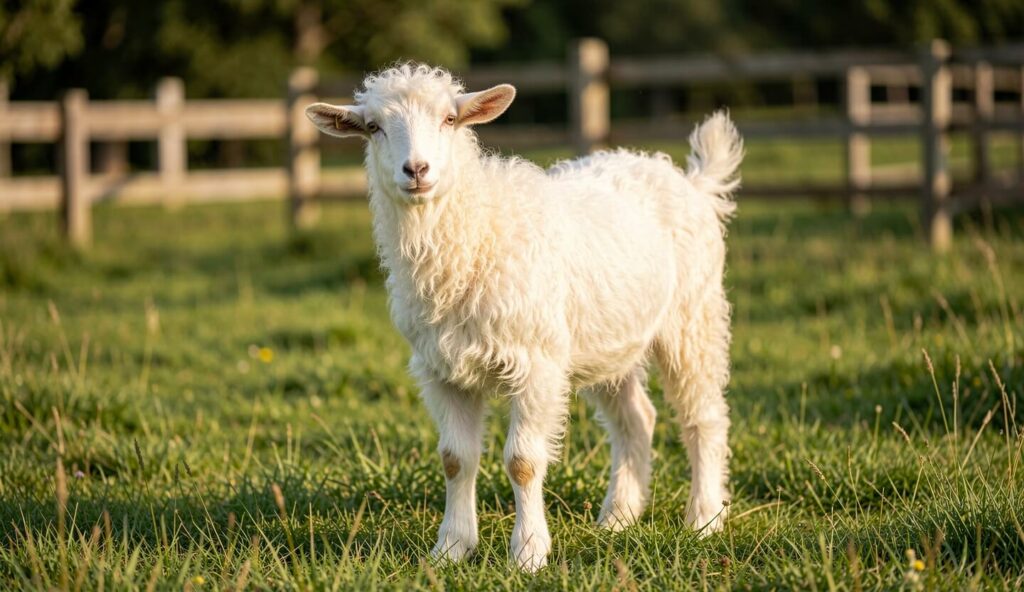
What Is a Nigerian Dwarf Goat
The Nigerian Dwarf Goat is a small, miniature dairy goat breed developed from West African dwarf goats brought to the United States in the mid-20th century. Breeders selected them primarily for milk production and companion qualities. This breed stands out among other small goat breed options for its compact size, high butterfat milk, and affectionate nature.
Today, the Nigerian Dwarf Goat is a popular choice for pet owners and small-space homesteaders who want a manageable, productive goat. Its friendly demeanor and modest space requirements make it an ideal entry-level goat for beginners. For those seeking nigerian dwarf goat facts, this breed offers a blend of utility and charm unmatched by larger goats.
Origin and History
The Nigerian Dwarf Goat originated from West African dwarf goats imported to the United States in the 1930s through the 1950s. Breeders in the United States refined the stock for consistent size and dairy traits. The breed gained recognition as a distinct dairy goat by the American Dairy Goat Association (ADGA) in 2004.
During the development phase, breeders emphasized docile temperament and reliable milk production. The breed’s history reflects a careful selection process that created a versatile animal suitable for both milk and companionship.
Breed Recognition and Registry
The Nigerian Dwarf Goat is registered with the ADGA, the American Goat Society, and the Nigerian Dwarf Goat Association. Two registry types exist: purebred and experimental. Show standards highlight compact size, correct conformation, and dairy character.
These registration bodies maintain breed purity and promote ethical breeding practices. Owners who plan to show or breed registered stock should work with reputable breeders who follow these standards.
Appearance and Physical Features
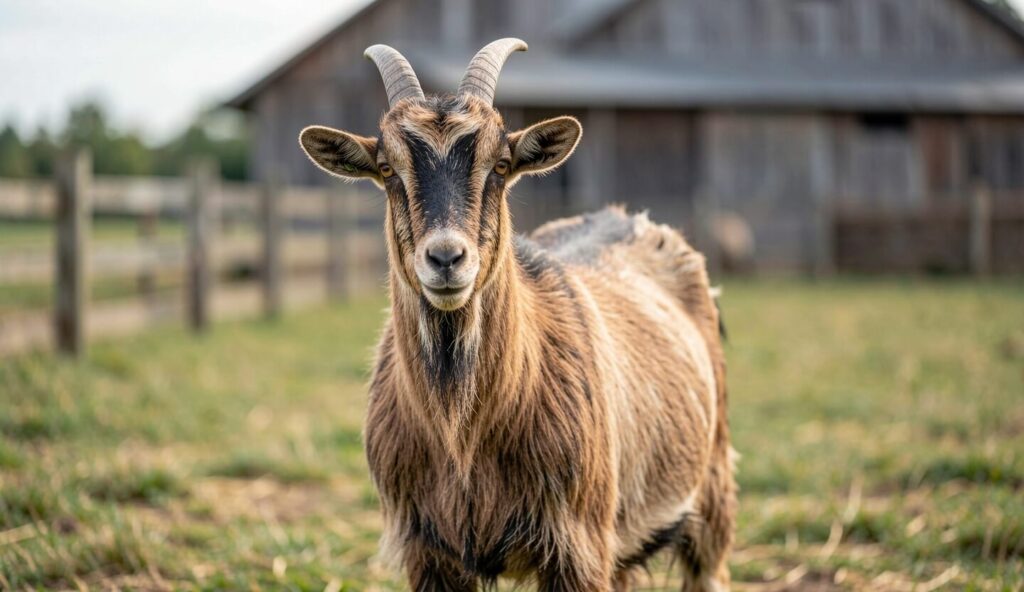
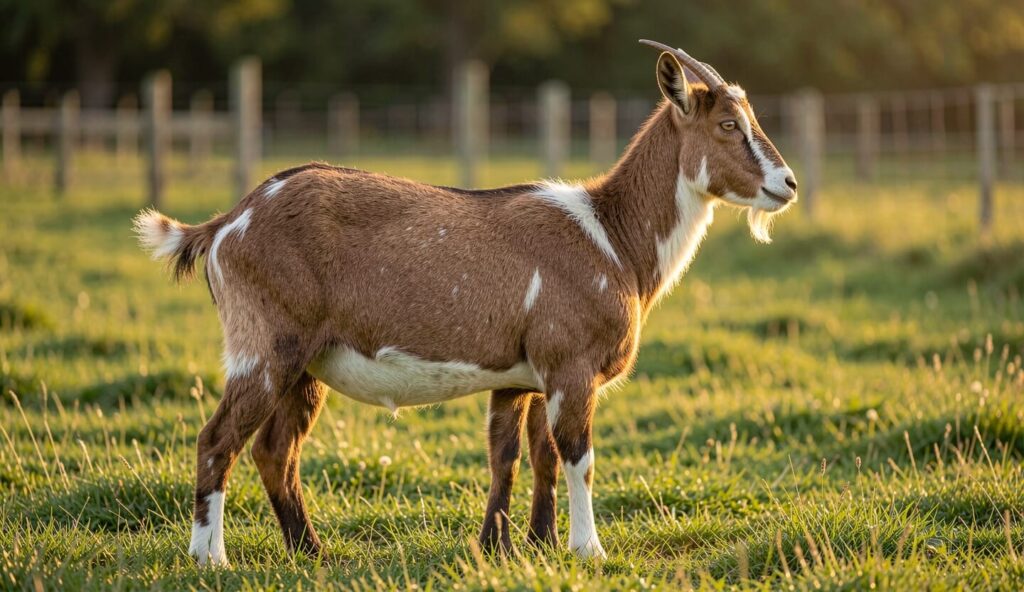
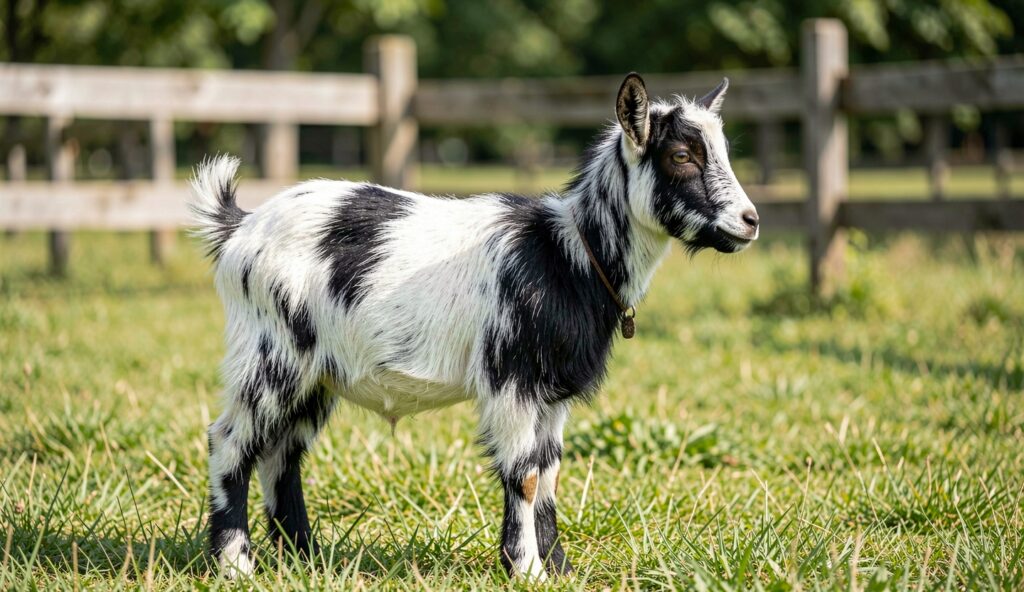
The Nigerian Dwarf Goat has a compact, sturdy body with short legs and a broad chest. Its small stature makes it easy to handle even for beginners. The breed exhibits a wide range of coat colors and patterns, adding to its visual appeal.
Size and Weight
Does stand 17–19 inches tall at the withers and weigh 50–75 pounds. Bucks reach 19–21 inches and weigh 60–85 pounds. This miniature frame classifies the Nigerian Dwarf Goat as a true dwarf breed.
Despite its small size, the body is well-muscled and proportioned. The breed’s height and weight make it one of the smallest dairy goats available.
Coat Colors and Patterns
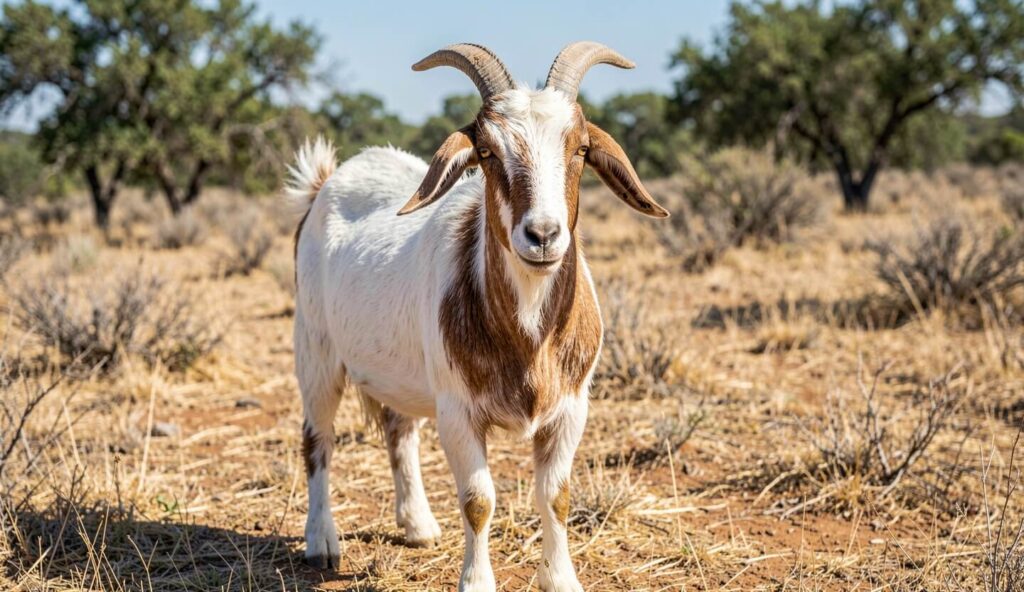
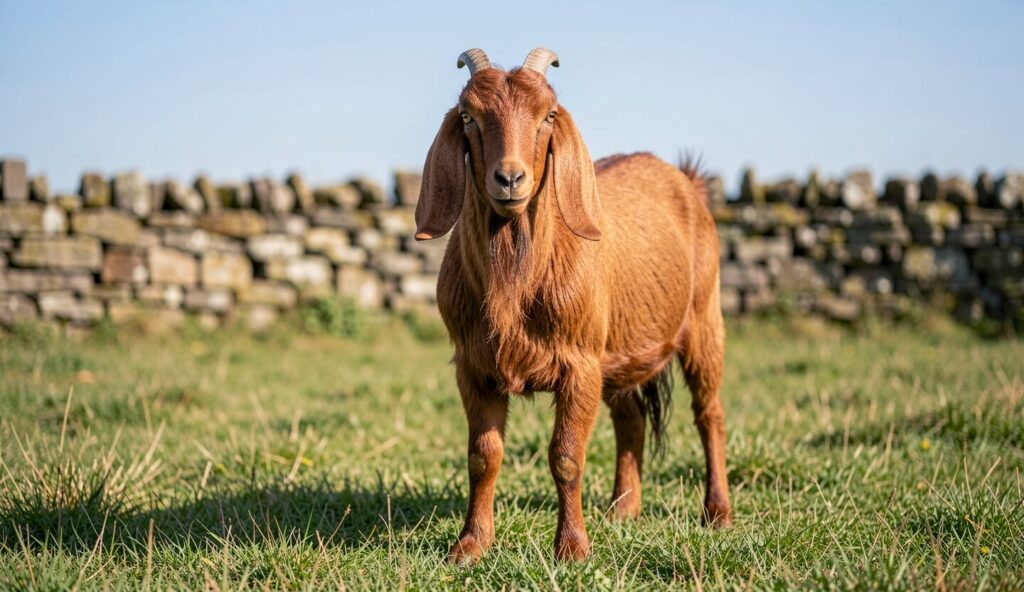
Color possibilities include black, white, brown, gold, red, and many combinations. Common patterns are solid, chamoisee, buckskin, and dappled. The short, smooth coat requires minimal grooming.
Each goat displays a unique color combination, which owners often find appealing. This visual diversity is part of the breed’s charm.
Distinctive Features
The breed features short, erect ears that stand upright, unlike the floppy ears of some other goats. The face is straight or slightly dished with a Roman nose. Both sexes may have horns unless disbudded shortly after birth.
Beards and wattles are common but not universal. These features, combined with the compact body, create a recognizable silhouette.
Temperament and Personality
The Nigerian Dwarf Goat is known for its gentle, curious, and affectionate nature. This breed bonds closely with humans and thrives on daily interaction. Its manageable size and calm demeanor make it an excellent choice as a pet goat.
Friendly and Social Nature
These goats are friendly toward children and other pets when properly socialized. They enjoy being petted, hand-fed, and involved in daily activities. Their social intelligence allows them to form strong attachments to their owners.
Nigerian Dwarf Goats are not aggressive, but they can become noisy if isolated. Regular handling reinforces their trusting nature.
Intelligence and Trainability
The breed is highly intelligent and quick to learn routines. Owners can teach simple commands and tricks using positive reinforcement. A bored or understimulated goat may become stubborn or destructive.
Providing enrichment such as climbing structures or puzzle feeders helps keep their minds active. Training sessions also strengthen the human-animal bond.
Herd Instincts
Nigerian Dwarf Goats are herd animals and must never be kept alone. They form established hierarchies with clear dominant and submissive roles. Vocalizations such as bleats allow them to communicate with each other.
Keeping at least two goats ensures emotional well-being. A single goat will experience stress and decline in health.
Housing and Space Requirements
Providing appropriate housing is essential for the health of a Nigerian Dwarf Goat. The breed adapts well to small acreage but requires secure fencing and dry shelter. A well-designed space prevents escapes and protects against predators.
Shelter Needs
A dry, draft-free barn or shed with good ventilation serves as adequate shelter. Each goat needs at least 10 square feet of indoor space. Bedding materials like straw or wood shavings keep the area clean and comfortable.
Shelter should protect from rain, wind, and extreme temperatures. Proper ventilation reduces moisture and ammonia buildup.
Fencing and Enclosure
Strong fencing at least 4 feet high is recommended. Field fence, woven wire, or electric netting works best. Check gates and perimeter regularly for gaps or damage.
Nigerian Dwarf Goats are clever escape artists. No-climb fencing is the most reliable option to contain them.
Outdoor Space
Goats need access to a pasture or exercise yard, with a minimum of 200 square feet per goat. Rotate grazing areas to prevent overgrazing and parasite buildup. Provide shade and fresh water at all times.
Even on small properties, this breed can thrive with careful space management. A well-planned outdoor area supports natural foraging behavior.
Diet and Nutrition
A balanced diet keeps Nigerian Dwarf Goats healthy and productive. Their nutritional needs change with age, activity, and lactation. Understanding basic feeding principles helps avoid common health problems.
Hay and Forage
Good quality grass hay or alfalfa forms the foundation of the diet. Offer hay free-choice to support normal rumen function. Pasture grazing can supplement hay when available.
Alfalfa hay is higher in protein and calcium, making it suitable for growing kids and lactating does. Grass hay works well for maintenance.
Grain and Concentrates
Provide a small amount of pelleted goat feed daily, roughly 0.5–1 pound per goat. Adjust portions based on life stage and production goals. Avoid high-carb treats that cause bloat or obesity.
Lactating does need more energy, while dry does require less. Monitor body condition to prevent overfeeding.
Minerals and Supplements
Offer loose goat mineral mix formulated for local soil conditions. Provide free-choice baking soda to help prevent bloat. Constant access to clean, fresh water is mandatory.
Minerals support immune function, bone health, and milk production. A lack of specific minerals can lead to health issues.
Grooming and Basic Care
Routine grooming keeps Nigerian Dwarf Goats comfortable and healthy. This breed requires modest maintenance due to its short coat. Regular checks for hoof health, parasites, and external conditions are essential.
Hoof Trimming
Trim hooves every 4–6 weeks to prevent overgrowth and lameness. Use a hoof trimmer or sharp knife to remove dead tissue carefully. Watch for signs of hoof rot in wet conditions.
Regular trimming also helps maintain correct posture and mobility.
Coat and Skin Care
Brush occasionally with a soft brush to remove dirt and loose hair. Check for external parasites like lice or mites during grooming. Bathing is rarely needed unless the goat is very dirty.
Keeping the coat clean reduces the risk of skin infections. A healthy coat reflects overall wellness.
Deworming and Vaccinations
Follow a fecal egg count-based deworming schedule to avoid resistance. Vaccinate for Clostridium perfringens types C and D and tetanus (CDT). Consult a veterinarian for a tailored health plan.
Preventive care is more effective than treating advanced disease. A yearly health checkup is recommended.
Common Health Issues
Nigerian Dwarf Goats are generally hardy but face some predictable health problems. Early detection and proper management improve outcomes. Owners should learn to recognize warning signs.
Bloat and Ruminal Issues
Bloat occurs when gas builds up in the rumen, often from rich feed or sudden diet changes. Symptoms include a swollen left belly, discomfort, and reduced appetite. Treat with baking soda, drenching, or veterinary intervention if severe.
Prevention involves gradual diet transitions and avoiding excessive grain. Monitor goats after feeding high-risk foods.
Parasite Infestations
Internal parasites like barber pole worm are common in humid climates. Signs include pale eyelids, weight loss, diarrhea, and poor coat condition. Use FAMACHA scoring and pasture rotation to manage worm loads.
Fecal testing helps determine the need for deworming. Overuse of dewormers leads to resistance.
Urinary Calculi
Mineral stones can block the urethra, especially in male goats. Symptoms include straining to urinate, kicking at the belly, and vocalizing. Prevent with proper calcium-to-phosphorus ratio and plenty of water.
Castrated males are at higher risk. Ensure dietary mineral balance to reduce stone formation.
Is a Nigerian Dwarf Goat Right for You
Deciding whether to own a Nigerian Dwarf Goat depends on lifestyle, space, and commitment. This breed suits many situations but requires responsible care. Compare it with other small goats like the pygmy goat or nubian goat to find the best fit.
Ideal Owner Profile
First-time goat owners often succeed with Nigerian Dwarf Goats due to their small size and docile nature. The breed works well on small acreage, such as 1/4 acre or more, with proper fencing. Owners who can dedicate time for daily interaction and basic husbandry will find this breed rewarding.
Families with children appreciate the gentle temperament. Homesteaders value the milk production without the space needs of a full-sized goat.
Commitments and Challenges
Nigerian Dwarf Goats require at least one companion goat — never keep a single goat. They need regular hoof trimming, deworming, and veterinary checkups. The breed can be noisy and may escape if fencing is inadequate.
Potential owners should also consider the alpine goat if they want a larger dairy breed. Each goat type has unique demands that must be matched to the owner’s resources.
Frequently Asked Questions
How big do Nigerian Dwarf goats get?
Does stand 17–19 inches tall and weigh 50–75 pounds. Bucks reach 19–21 inches and 60–85 pounds.
Are Nigerian Dwarf goats good pets?
Yes, they are friendly, intelligent, and bond well with humans. They thrive on companionship and do best in pairs or small herds.
How much milk does a Nigerian Dwarf goat produce?
Does produce about 1–2 quarts of milk per day per doe. The milk has high butterfat content (6–10%) ideal for cheese and soap.
What do Nigerian Dwarf goats eat?
Their diet consists of grass hay, a small amount of grain, and fresh water. They also need loose goat minerals and baking soda for rumen health.
How long do Nigerian Dwarf goats live?
With proper care, they live 10–15 years on average. Some individuals may reach 18 years or older.
Do Nigerian Dwarf goats need a lot of space?
They can thrive on small acreage with secure fencing and a dry shelter. A minimum of 200 square feet of outdoor space per goat is recommended.
Final Note
The Nigerian Dwarf Goat is a versatile, compact breed that fits well into small-scale homesteads and pet homes. With proper housing, diet, and companionship, these goats provide years of productivity and enjoyment.