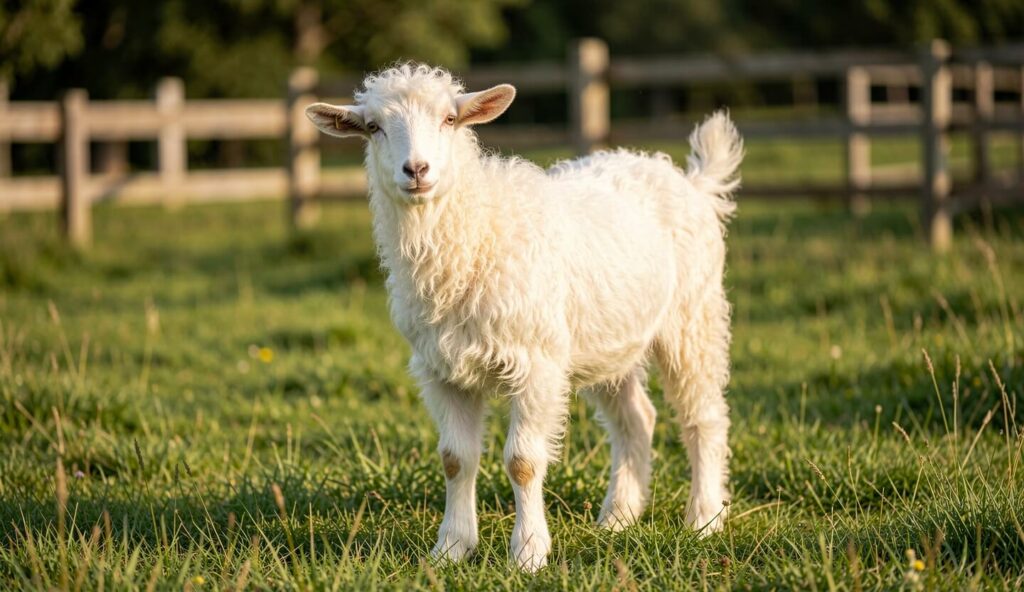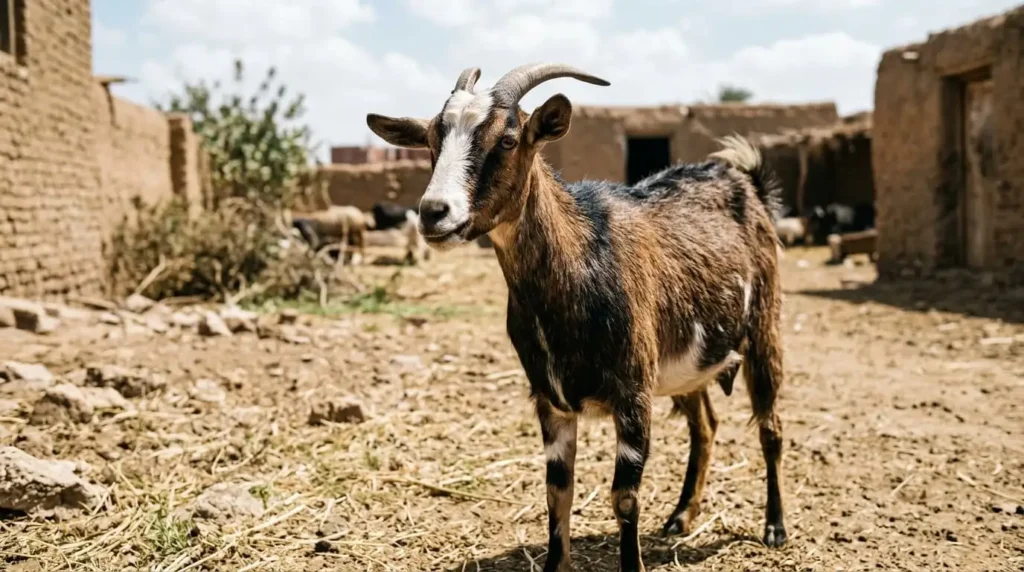
Baladi Goat is a hardy local goat breed found in Middle Eastern farming systems, where it supports everyday herd management and farm production. This breed stands out for practical resilience, reliable routine behavior, and adaptability to variable forage. Anyone planning goats for meat, milk, or general farm use often wants Baladi Goat care guidance that focuses on real daily needs.
What Is A Baladi Goat
Baladi Goat refers to a local goat type shaped by regional farming practices rather than a single, fixed kennel standard. As a result, goat keepers may notice small differences in coat tone, body frame, and horn or ear appearance between areas. Still, the overall goal remains the same: dependable farm animals that handle heat, browse, and routine management.
Because local names vary, a “Baladi goat” listing may describe a herd from a specific region or management line. For that reason, the safest approach is to verify the background with the seller and compare the goat’s physical condition and everyday behavior.
Where Baladi Goats Come From
Baladi Goats come from Middle Eastern regions where small and mixed holdings rely on hardy local goat types. They fit into local grazing systems and often receive management that matches what farmers can produce on site. Instead of being defined only by one breeding facility, Baladi Goat lines commonly evolve through ongoing farm breeding.
Goat keepers may also see regional naming variations that refer to similar local goat types. Those labels can help identify source areas, but they may not guarantee that two herds share the same background.
What Baladi Goats Are Known For
Baladi Goat is known for hardiness in hot climates and for using variable forage. When pasture quality changes, local goat types often continue eating and stay functional, provided feed transitions stay gradual. This makes them useful for keepers who want goats that do not require highly specialized feed plans.
In many areas, Baladi Goat management supports everyday farm production on small to medium-sized land. Some keepers run mixed grazing systems, while others provide browse and forage in pens depending on seasonal availability.
Baladi Goat Appearance And Physical Features
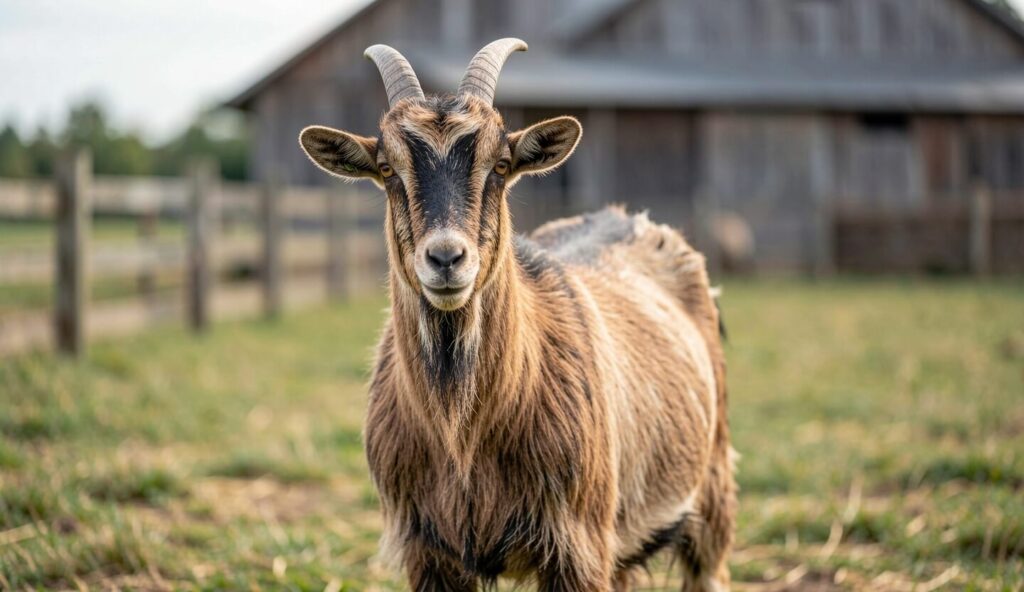
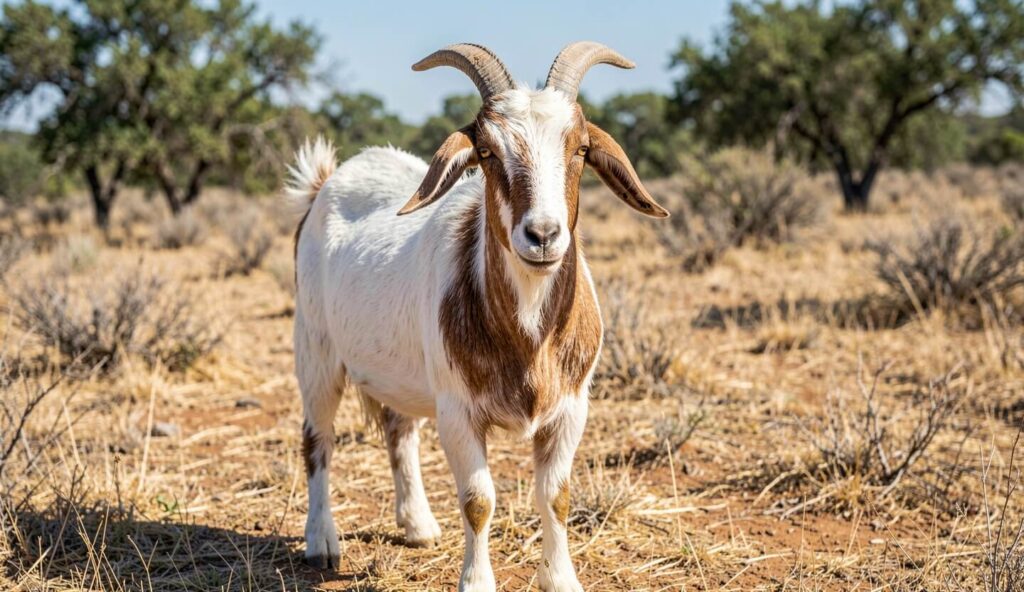
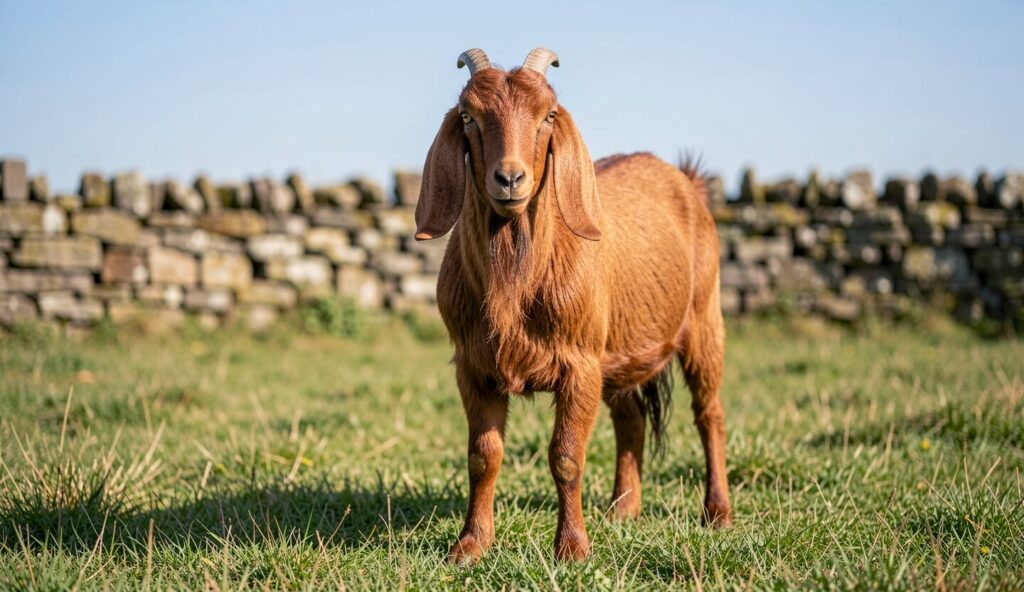
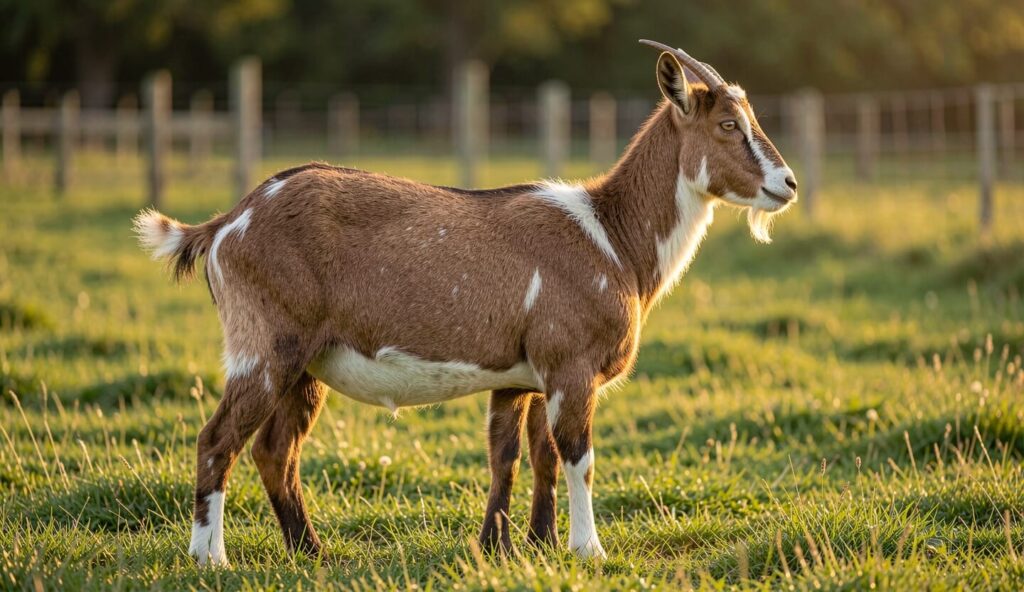
Baladi Goat appearance often reflects local conditions and practical farm breeding. Beginners typically recognize the breed by a balanced body build, a coat that fits warm weather, and everyday farm conformation. However, exact colors and markings can vary widely among local herds.
For identification, focus on overall health and body condition first. Then compare coat pattern, frame size, and basic head and ear traits against what the seller describes for their herd.
Common Coat Colors And Patterns
Baladi Goat characteristics include coat colors that vary by herd and region. Some goats show mostly solid coat tones, while others show mixed markings such as patches or irregular spots. A keeper should treat variation as normal unless the seller also presents inconsistent claims about age and herd origin.
In most farm settings, coat patterns remain visible enough to help compare individuals within a group. Markings often change as goats mature, so judging only on one photo can mislead new buyers.
Body Size, Build, And Horn Or Ear Traits
The typical Baladi Goat build tends to look practical and proportional, with a body that supports grazing and daily movement. Horn presence can occur in many local goat herds, but the presence and shape may differ between animals. Ear carriage also varies, so it helps to look for consistency within a herd.
Sex differences matter for new owners. Bucks may look heavier or more robust, while does often present a steadier farm profile designed for routine herd use.
How To Spot A Healthy Baladi Goat By Look
Health in Baladi Goat starts with basic visual signals. Eyes should appear clear and alert, and the coat should look even without major bald patches. Body condition should feel steady rather than hollow, and posture should remain relaxed during standing.
Next, check hooves and legs. Sound movement matters, so observe how the goat stands and shifts weight, since foot problems often show up as reluctance to move.
Baladi Goat Temperament And Daily Behavior
Baladi Goat temperament is often stable under farm conditions, especially when feeding routines and handling methods stay consistent. Many local goat keepers appreciate the breed because goats tend to respond predictably to daily care tasks. Even so, each animal has an individual personality, so some variation always exists.
Understanding daily behavior helps prevent stress. When handling stays calm and predictable, the chance of fear reactions or poor eating decreases.
General Temperament Under Farm Conditions
Baladi goats often adapt to routine handling that matches how farm work happens. When goats receive food and water on a consistent schedule, they typically remain steady. Around new people, some may show alertness, but that does not automatically mean aggression.
Over time, goats often learn movement patterns used for feeding and pen entry. This helps keep the Baladi goat temperament easier for beginners to manage.
Social Needs With Other Goats
Baladi goats often prefer companionship and can become stressed if kept alone. Herd behavior depends on age, sex, and how space and feeders are arranged. A group that shares feed without enough room may show chasing, pushing, or uneven access.
For breeding control, bucks may need separation from does, depending on plans. Even with mixed management, providing space reduces conflict and supports calmer daily feeding.
Handling And Routine Management
Calm, consistent movement works best for daily routines with Baladi Goat. Goats usually benefit from approach patterns that allow them to come toward feed and water without sudden pressure. Gradually teaching basic lead or pen entry routines can reduce panic during chores.
During handling, watch for signs of fear or pain. If a goat flinches, stops eating, or limps during movement, care should focus on finding the cause rather than forcing more work.
Exercise And Foraging Needs For Baladi Goats
Baladi Goat exercise needs usually come through daily grazing and browsing rather than structured workouts. Movement supports digestion, reduces stress, and helps hooves stay functional when ground conditions remain safe. Forage availability often determines how much a goat moves each day.
When pasture access is limited, browse and forage distribution should replace the natural foraging pattern. In both cases, safe feeding practices matter because overgrazing can damage land and increase parasite risk.
Daily Movement And Grazing Requirements
Regular access to pasture or browse helps maintain welfare and supports steady feed intake. If forage is scarce, goats may eat more concentrates or become restless, so keep feed plans aligned with what the land can supply. Introducing new pasture gradually helps avoid digestive upset and reduces rejection.
Overgrazing also causes bare ground, which increases mud and hoof strain. It can also raise parasite exposure when goats graze too close to contamination zones.
How To Create Safe Grazing Areas
Safe grazing starts with secure fencing that prevents escape and reduces injury risk. Water access should stay nearby, and shade helps goats cope during hot hours. Poisonous plants must be removed or limited, since regional plant lists vary.
Managing muddy areas protects hooves and reduces skin irritation. When mud accumulates, cleaning walking paths and improving drainage support long-term foot health.
Housing Essentials For Baladi Goats
Housing for Baladi Goat needs to balance heat comfort, drainage, and sanitation. Even a hardy local goat breed can develop health problems if bedding stays wet or airflow stays poor. Good housing also makes parasite control easier by reducing manure buildup.
Design choices should match your local weather. In hot dry regions, shade and ventilation matter most, while rain seasons require drainage and dry sleeping areas.
Shelter Requirements For Hot And Dry Weather
Baladi goats often handle heat well, but they still require shade to prevent stress. Ventilation matters more than fully enclosed buildings, so aim for airflow without drafts that carry dust and moisture. Bedding must stay dry, and routine replacement prevents skin irritation.
Keep feed in a covered area when possible. This reduces spoilage and prevents goats from wasting forage during wind or dry dust events.
Shelter Requirements For Rain And Cooler Nights
Rain shelter must protect goats from wet bedding and strong winds. Drainage matters, since puddles create damp bedding and increase disease risk. When the climate cools, airflow still needs attention, because trapped moisture can contribute to respiratory irritation.
Separate dry sleeping areas from wet pens. This reduces the time goats spend standing on wet ground and supports hoof hygiene.
Pen Layout And Space Planning
Pen layout affects how goats access feed and how often they push at gates. Allocate space to reduce crowding at feeders, especially for groups with mixed ages. Secure gates make entry and cleaning safer, which matters for daily routines and faster response to health problems.
Plan easy access to water points so goats do not queue excessively. If possible, create a separate sick pen or isolation space for new arrivals to reduce disease spread.
Parasite And Cleanliness Controls In Housing
Parasite control becomes easier when housing stays clean. Remove manure regularly and refresh bedding to reduce parasite survival in the environment. Avoid standing water in corners and keep wet forage off the ground when practical.
Routine sanitation schedules reduce odors and improve goat comfort. While sanitation alone cannot prevent parasites, it supports a complete worm risk plan with local veterinary guidance.
What To Feed Baladi Goats For Balanced Nutrition
Feeding Baladi Goat focuses on forage quality, gradual transitions, and controlled use of concentrates. Many keepers rely on local pasture and browse, then add supplements only when forage cannot meet needs. This approach supports digestive stability and reduces waste.
To build a workable ration, track body condition, and monitor droppings. When those signals stay consistent, feed adjustments usually become simpler.
Core Diet Basics For Local Goats
Baladi goat care starts with a diet based on good-quality forage. Beginners often confuse browse and pasture, so it helps to treat both as forage while recognizing that browse may differ in fiber and mineral profile. Feed changes should happen gradually over several days to protect digestion.
Age and body condition determine the right amount. Growing kids and lactating does often need more consistent energy, while dry mature does may require a different balance depending on forage quality.
Forage And Browse Options
Forage and browse options can include grasses and legumes when available. Some local farms also use safe tree browse that fits regional growth patterns, but not all trees are safe, so plant identification matters. Moldy or spoiled feed should never enter the feeding area, because it can cause digestive and health problems quickly.
Offering forage multiple times per day helps keep rumen function steady. When forage arrives in smaller portions, goats often waste less and show better consistent chewing.
Concentrates, Minerals, and Supplements
Use concentrates only when forage is insufficient for the goat’s needs. Overfeeding grain can increase digestive problems and may cause body condition changes that affect fertility and health. A careful approach also helps reduce the cost of feeding and the risk of feed-related illness.
Minerals support normal growth and body function, so mineral blocks or loose mineral options often fit local availability. Provide minerals alongside clean water, since mineral intake without adequate hydration can fail to support health.
Feeding Schedule That Works For Beginners
A practical feeding schedule keeps forage access consistent throughout the day. If concentrates are used, offer them at set times to reduce guessing and to make changes easier. Keep the feed area clean to reduce waste and reduce the chance that goats eat contaminated material from the ground.
Adjust amounts based on body condition rather than only on calendar dates. When the condition drops, forage quality may need improvement before increasing concentrates.
Water Intake And Hydration Tips
Provide clean water daily and check water levels more frequently in hot weather. Contaminated troughs can reduce water intake and trigger digestive issues. Watch hydration signs such as steady gum moisture and normal appetite, since those often shift before visible problems appear.
In addition, keep troughs away from manure splash zones when possible. A simple placement adjustment can reduce contamination and improve daily intake.
Baladi Goat Health And Common Problems
Health care for Baladi Goat relies on daily monitoring, parasite risk management, and quick action when problems appear. Local goat breeds can remain hardy, but routine checks catch issues early. Early action often prevents minor problems from turning into major issues.
Beginner goat keepers benefit from a simple monitoring routine tied to feed, water, and movement observations.
Daily Health Checks To Do Every Day
Check appetite and chewing behavior so sudden changes get noticed quickly. Coat and posture provide another fast signal, since poor condition or hunching often links to illness or discomfort. Droppings consistency helps detect digestive upset and dehydration.
Also inspect legs, hooves, and skin. Even small injuries can become serious if goats continue to walk on damaged hooves.
Common Parasites And Worm Risk
Parasite load varies by season and grazing conditions, so worm risk changes over time. Manure management helps reduce parasite spread, especially when goats graze or linger in the same area. Many keepers work with a vet to plan deworming, rather than using one fixed schedule for every farm.
Watch for weight loss, rough coat, and reduced appetite as general worm risk signals. Those signs often appear alongside poor droppings or reduced energy.
Digestive Problems From Feed Changes
Sudden feed switches can cause digestive problems in goats, including bloating and diarrhea. Baladi goats benefit from gradual transitions, especially when moving from seller feed to farm forage. Fresh forage should stay available so rumen function stays steady.
Concentrates should stay controlled, since too much concentrate can overload digestion. When digestive signs appear, pause further changes and review the recent feeding timeline.
Foot Health And Hoof Care Needs
Foot health matters because hooves carry goats through daily movement and grazing. Keep walking areas as dry as possible, since constant wet ground increases hoof damage risk. Hooves should be checked regularly for cracks and overgrowth.
Trimming helps when needed, and lameness should trigger immediate attention. Quick care often prevents long recovery periods and reduces the chance of secondary infections.
Vaccination And Vet Care Planning
Vaccination plans depend on local disease risk, so local veterinary recommendations guide what to include. New goats should be quarantined before mixing to reduce disease spread. Basic treatment records also help track what worked and what did not.
Seek care when appetite drops or behavior changes. Those signs often appear before severe symptoms, so acting early makes treatment more manageable.
Grooming And Basic Care Tips For Baladi Goats
Grooming and basic care keep Baladi goat comfort high and can reduce skin and hoof issues. Local goat coats usually remain functional in warm weather, but debris and external parasites can still irritate. Simple, consistent grooming supports better observation during routine handling.
Hoof and bedding hygiene also function as daily health tools, not just comfort practices.
Coat Cleaning And Seasonal Shedding
Brush gently to remove loose hair, which helps reduce shedding debris and dirt. Grooming should not stress goats, so calm restraint and short sessions work better than long handling. Keep bedding dry, since wet bedding can increase skin irritation.
During grooming, check for external parasites. If signs appear, consult a veterinarian for safe treatment based on local parasite types.
Hoof Trimming And Hygiene Steps
Trim hooves when overgrowth affects walking or leads to uneven standing. If muddy conditions happen often, cleaning hooves after muddy days can help, but it should stay practical and safe. Watch hooves for redness or signs of infection.
Use safe restraint during trimming. Inexperienced trimming should be avoided, since improper trimming can worsen pain and lead to long-term damage.
Barn Hygiene And Bedding Management
Remove manure frequently so bedding does not turn into a persistent damp layer. Replace wet bedding immediately and disinfect feeding and watering areas periodically as needed. Reducing dust buildup also supports respiratory comfort.
For beginners, a consistent cleaning routine matters more than complicated tools. A tidy barn creates a healthier baseline for the entire herd.
Breeding Basics For Baladi Goats
Breeding Baladi goats should start with clear planning, a healthy body condition, and a safe kidding space. While local goat breeds often handle breeding naturally, good management reduces risks for both does and kids. Breeding plans also depend on local forage availability and parasite control capacity.
Before breeding, confirm the goat’s ages, health status, and any history shared by the seller. Then build a kidding plan that covers clean space, easy feeding, and close observation.
Breeding Season Planning And Doe Readiness
Breeding timing depends on local management and environmental conditions, so local patterns guide scheduling. Does should enter breeding in good body condition, since underfed does may face weaker conception or harder kidding. Heat signs should be observed, and breeding dates should be tracked for better planning.
Separate bucks if controlled mating is required. Controlled mating also helps keep kid birth dates more predictable, which supports feeding and housing planning.
Kidding Pen Setup And Risk Reduction
Set up a clean, dry, draft-free kidding space before the expected birth window. Provide easy access to fresh water and forage so the doe can maintain energy during labor and after kidding. Cleaning supplies should be ready for quick action if birth assistance becomes necessary.
After kidding, the mother and kids should be monitored closely. Early observation can help identify weak nursing, breathing issues, or signs of infection before they worsen.
Caring For Newborn Kids In The First Days
Newborns need warmth and dry housing so they stabilize quickly. Colostrum intake supports immune health, so assistance may be needed when nursing does not start promptly. Monitor breathing and nursing behavior to confirm that the kids feed and rest normally.
Keep the area clean to reduce infection risk. A simple, clean bedding routine can make the biggest difference in newborn survival.
Starter Checklist For New Baladi Goat Owners
New Baladi Goat owners often feel overwhelmed by setup choices, but a structured checklist makes planning easier. Focus on essentials that support routine feeding, safe shelter, and health monitoring. Then make adjustments after the first week based on appetite, droppings, and overall body condition.
As a practical reference for comparable local management patterns, some keepers also compare systems used for other Middle Eastern goat types such as the aljabal goat and the gulabi goat when building forage and housing plans.
Supplies And Equipment To Prepare
- Clean troughs for water and a plan to scrub weekly
- Hay feeder or forage area that reduces trampling waste
- Mineral supply suitable for goats and available locally
- Bedding material that stays dry in the sleeping area
- Basic grooming brush for gentle coat checks
- Secure fencing and safe gates for handling and cleaning
- Simple feed scale or measuring container for consistent rations
- Separate holding pen for observation if new goats arrive
First Week Setup And Monitoring Steps
- Observe appetite, droppings, posture, and coat condition daily
- Offer familiar forage while adjusting gradually to local feed
- Set a consistent schedule for feeding and water checks
- Quarantine new goats away from the main herd if needed
- Plan hoof checks during routine handling for early lameness
- Confirm mineral access and check water cleanliness
- Record any changes in behavior, appetite, or stool
Breeder Or Seller Questions To Ask
- What was the recent diet and how long were goats on it
- What deworming and health treatments were done recently
- What age and sex are the goats and were they raised together
- Which local forage type matches what the goats usually eat
- How are hooves usually managed and are there known issues
These questions help confirm Baladi Goat care needs and reduce surprises during the first adjustment week. They also help identify whether the goats match the seller’s description of Baladi Goat characteristics.
Is A Baladi Goat Right For You
Baladi Goat can fit many keepers because it supports practical farm needs and routine herd management. Still, suitability depends on goals, forage access, parasite planning, and the ability to provide reliable shelter and clean feeding areas. A hardy local goat breed does better with consistent care than with irregular routines.
Before choosing, review whether local feed resources and vet support match the daily work required for good goat health.
Good Fit For These Goat Keepers
- Keepers seeking a hardy local goat breed for everyday farm work
- Beginners who can provide consistent forage and clean shelter
- Small to mid-sized farms with pasture, browse, or reliable forage access
- Owners planning practical meat and milk management when forage supports it
Considerations Before Choosing Baladi Goats
- Need a parasite control plan based on local seasons
- Require routine hoof checks and prompt care for lameness
- Must plan steady feeding and gradual transitions during changes
- Need space to manage groups and separate bucks if breeding control matters
- Should confirm local vet access and recommended vaccination schedules
These factors shape day-to-day success. When they align, Baladi Goat ownership often feels more predictable for beginner keepers.
Ongoing Care Routine That Keeps Baladi Goats Healthy
Ongoing care for Baladi Goat stays effective when it follows a steady schedule and uses simple records. Weekly checks prevent missed issues and help track when forage changes or health treatments happen. Over time, a keeper learns which goats eat normally and which need closer attention.
Consistency also improves sanitation, parasite planning, and hoof care follow-up. When those areas remain controlled, most daily routines stay manageable.
Weekly And Monthly Habits To Keep On Track
- Keep records of feed changes, health checks, and treatments
- Schedule hoof checks and refresh bedding regularly
- Review water cleanliness and forage storage every week
- Plan vet visits around local disease risk and herd needs
- Check mineral access and ensure clean feed areas
Small Actions That Prevent Common Problems
- Avoid sudden diet changes that can upset digestion
- Keep the barn dry and reduce manure buildup
- Address appetite changes and lameness quickly
- Maintain parasite control using local guidance
- Remove wet forage from the ground when possible
Frequently Asked Questions
How Can Baladi Goat Keepers Confirm They Are Getting A Genuine Local Baladi Line?
Ask for documented herd origin or seller history. Compare the age, diet and the Baladi Goat appearance traits the seller provides.
What Are Typical Baladi Goat Characteristics That Differ From Other Local Breeds?
Local variation exists so traits may overlap with nearby breeds. Focus on building the coat and the farm management background offered by the seller.
How Much Forage Should A Baladi Goat Eat Per Day?
Forage intake depends on forage quality and body condition. Adjust amounts gradually and keep consistent daily access to support stable rumen function.
What Signs Show A Baladi Goat Might Have A Parasite Problem?
Watch for weight loss, a rough coat, and reduced appetite. Poor droppings and weakness can also appear, especially during heavier grazing seasons.
Can Baladi Goats Live On Pasture Year-Round?
That depends on pasture quality, rainfall, and parasite control. Provide shade to manage muddy areas for hooves and ensure shelter during adverse weather.
When Should Kids Be Separated From The Main Herd?
Separation depends on age, health status, and how the herd is managed. Keep newborns in a clean pen until stable and nursing reliably.
Final Maintenance Focus For Strong Herd Health
Baladi Goat care works best when daily routines stay consistent and small problems get handled early. With dependable forage housing and health checks, local goats typically thrive in practical farm systems.