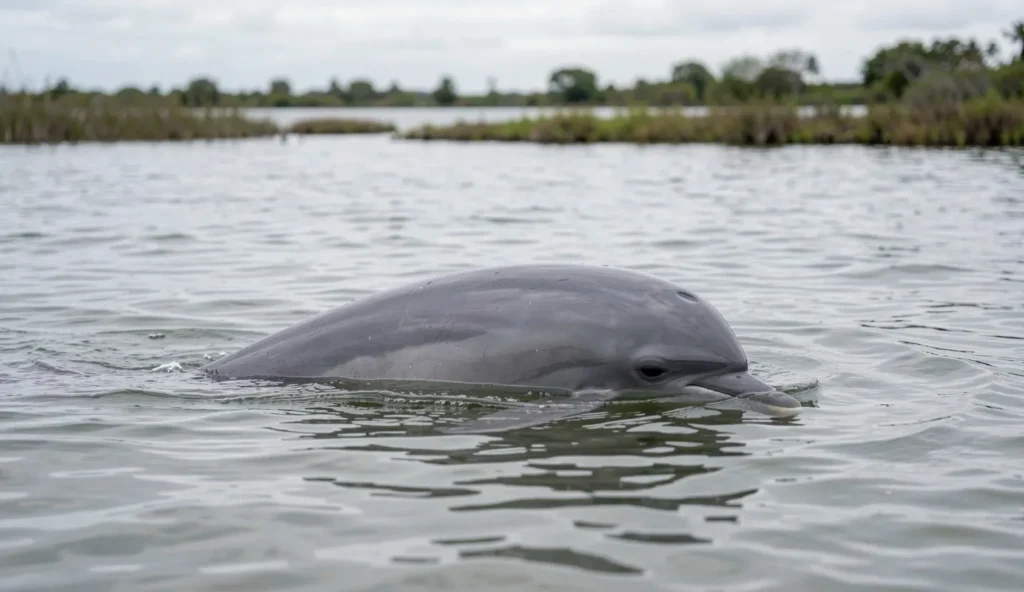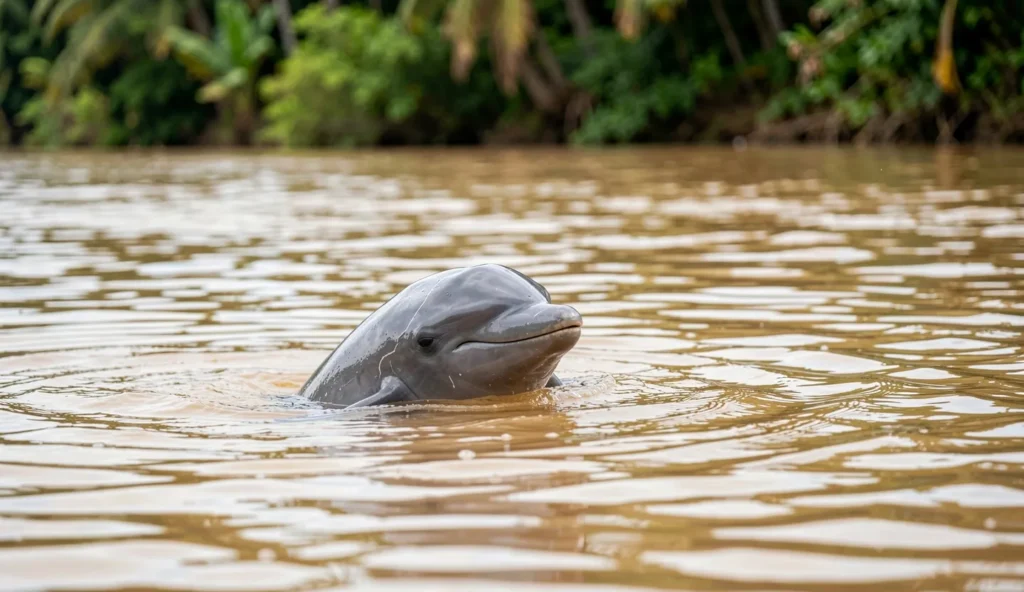
What Is an Amazon River Dolphin?
The Amazon River Dolphin is a freshwater dolphin from the Amazon and Orinoco drainages, known for its flexible neck and pink color potential. It supports wildlife research interests because it uses echolocation and hunting in murky river water. This species does not live in marine settings, so care expectations must match its natural habitat.
Scientific Name and Common Names
Amazon River Dolphin refers to Inia geoffrensis, which also appears under names like pink river dolphin, boto, and Amazon pink dolphin. Observations that focus on color often use Amazon pink dolphin as a label, even though the tone can shift. This animal is a freshwater dolphin and is not the same as marine dolphins found in oceans.
Range in the Amazon Basin
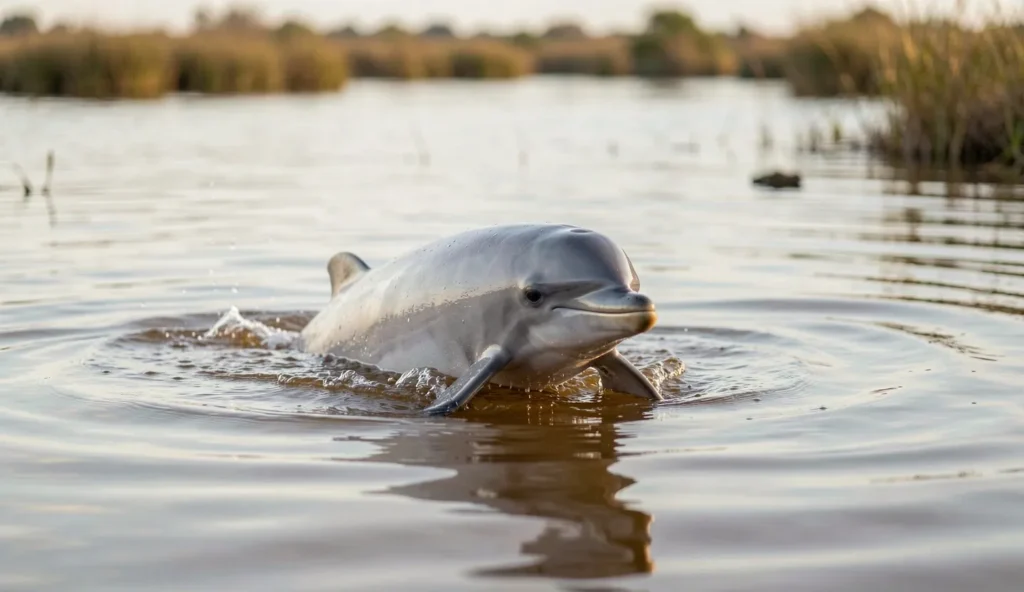
Amazon River Dolphin populations live in rivers and connected floodplain waterways across parts of the Amazon and Orinoco drainages. Water levels change by season, and those shifts move access to feeding areas and travel routes. During high-water periods, dolphins often spread into floodplain channels where prey becomes easier to find.
Why It Is Considered a River Dolphin
Amazon River Dolphin bodies and skull features fit river hunting, including shallow channels and frequent turbidity. Echolocation helps it navigate and locate prey in low visibility. Adaptations also support feeding on aquatic animals that move near river edges and submerged cover.
Appearance and How the Pink Color Develops
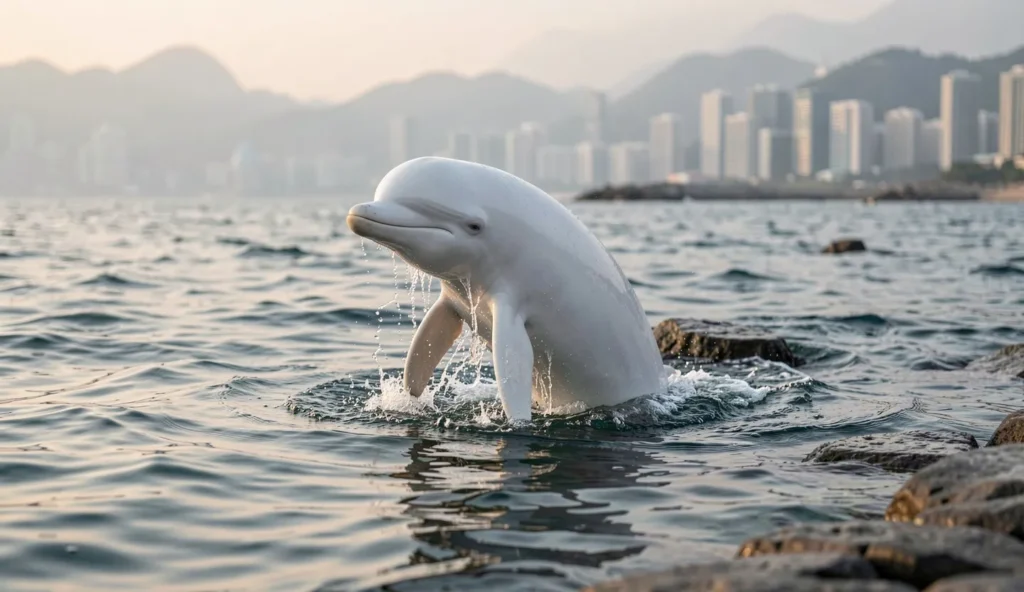
Appearance in the Amazon River Dolphin often draws attention first, especially the way individuals can look gray to pink. Color can change across age and body condition, and it can vary by region. Because of this range, color alone should not be used as the only identification feature.
Size and Body Shape
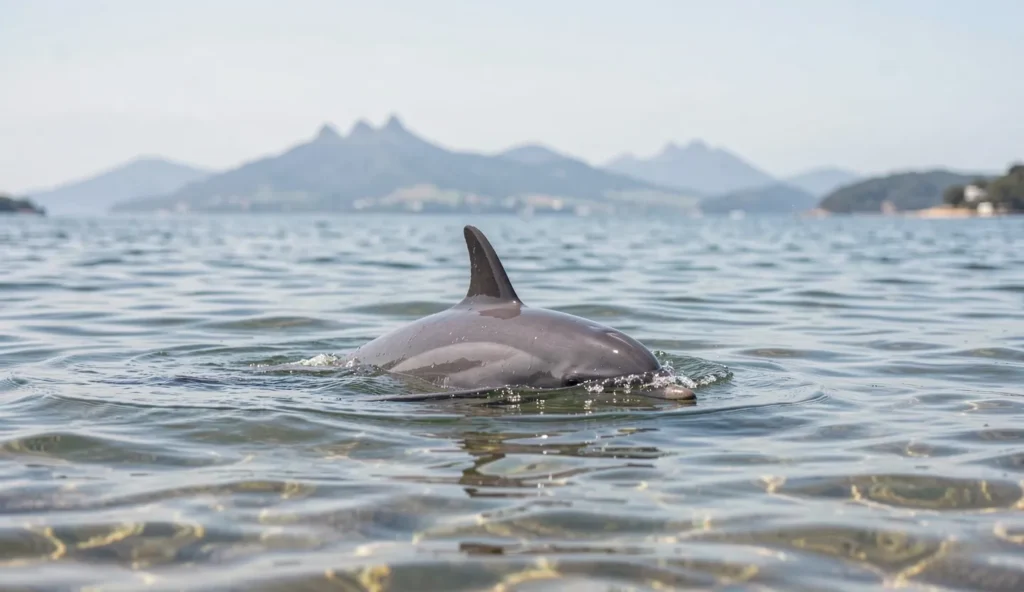
Amazon River Dolphin is considered the largest river dolphin, with a streamlined body built for long periods of swimming. The long beak and narrow head help it capture prey in cluttered water. Propulsion comes from the dorsal fin and tail flukes, which work through steady river currents.
Why It Can Look Pink
Pink tone often becomes stronger as dolphins age, so older animals may show more visible pink. Individuals can look different even within the same region, and local conditions can influence how the color appears. Color may also look more intense during breeding-related activity or stress states.
Flexible Neck and Head Movement
One defining trait is the Amazon River Dolphin flexible neck, which supports wide head movement without moving the full body. This flexibility helps scanning for prey while staying near the same position in the water. In tight or plant-heavy river areas, that movement improves hunting efficiency.
Key Physical Traits to Know
Amazon River Dolphin has small eyes and a prominent rostrum that shapes how it approaches prey. Color can shift from gray brown to pink, and the dorsal fin and tail flukes help with stable swimming. Teeth are built for gripping fish and other aquatic animals rather than chewing like some other predators.
Temperament and Typical Behavior in the Wild
In the wild, the Amazon River Dolphin usually behaves like a focused forager rather than a highly social animal. People may notice it surfacing periodically, but movement patterns often depend on water level changes and prey availability. Observed behavior also varies with boat traffic and local hunting or fishing activity.
Hunting Strategy and Echolocation
Amazon River Dolphin uses echolocation to detect prey in murky water where sight may be limited. It often searches along river edges, bends, and submerged features where fish concentrate. After locating prey, it grabs food with teeth and maneuvers in the water to maintain control.
Social Patterns and Movement
Amazon River Dolphin may appear alone or in small groups, depending on season and local conditions. Movement tends to follow routes shaped by water level changes, including main channels and flooded areas. That flexibility helps it find prey when rivers widen during rainy periods.
Respiration and Sightings
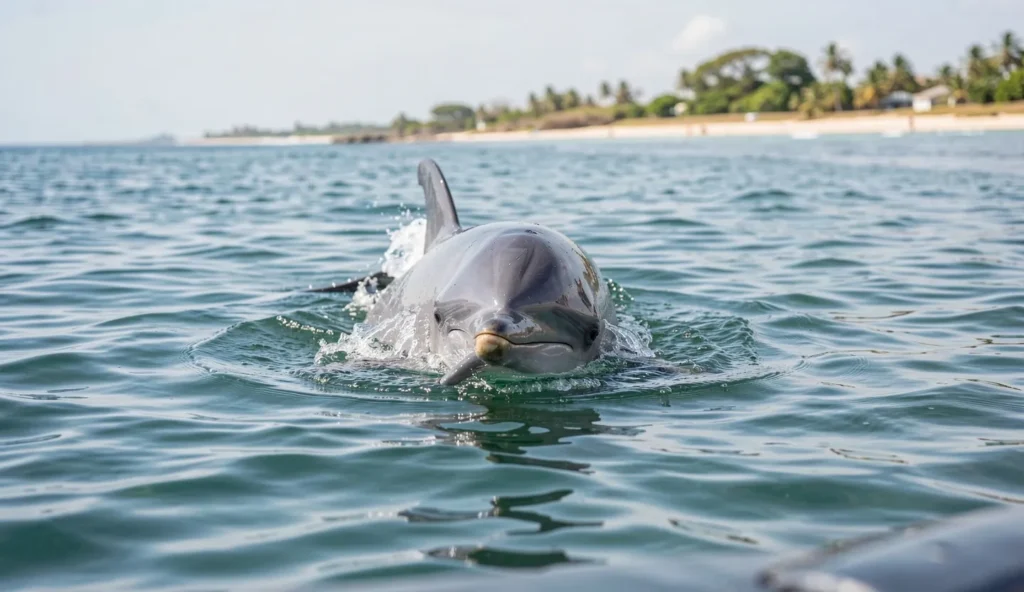
Like other dolphins, it surfaces to breathe at intervals, and breathing timing influences how often observers see it. Some sightings near boats may occur, but the pattern differs by location and the dolphin’s tolerance. Disturbance can reduce activity for periods, which then lowers sighting frequency.
For a broader view of freshwater dolphin relatives, comparing behavior can help, such as learning how other species use different habitats like the Hector’s Dolphin, though it lives in a different environment than Inia geoffrensis.
Diet and Feeding Requirements
Diet in the Amazon River Dolphin comes mainly from fish, but it also takes other aquatic prey when availability changes. Researchers infer feeding needs from stomach content reports, repeated field observations, and habitat relationships. This dolphin hunts in a setting where visibility and prey movement can change quickly.
Natural Diet in River Systems
Amazon River Dolphin primarily eats fish, and it may also take crustaceans and other aquatic animals. Diet composition can shift by season as prey abundance rises or falls. Prey species often adapt to floodplain conditions, so the dolphin’s feeding strategy also shifts with water level.
How It Captures Prey
Echolocation helps locate prey in low visibility, and the flexible neck supports fast head repositioning. Instead of turning the entire body, the neck motion can guide the rostrum toward targeted prey. After capture, the dolphin maneuvers to keep the prey within reach.
When comparing hunting tactics across dolphin types, it helps to review how other dolphins handle prey detection and feeding, such as the Pantropical Spotted Dolphin, even though its ocean habitat differs from river systems.
Housing Essentials and Realistic Care Expectations
Keeping an Amazon River Dolphin as a pet is not realistic, and the welfare needs make home ownership impractical. This freshwater dolphin depends on large water space, stable conditions, and specialized staff management. Instead of home care, proper support usually occurs through conservation programs, accredited facilities, or research institutions.
Why Keeping One as a Pet Is Not Practical
Amazon River Dolphin is a wild freshwater species that requires complex river-like space and depth. Legal and ethical regulations often restrict ownership, and veterinary care must be specialized. Even well-meaning pet owners cannot replicate migration routes, turbidity patterns, and prey dynamics.
Habitat Water Conditions in the Wild
In the wild, it lives in rivers and floodplain channels where flow and turbidity can change fast. Rain and seasonal flooding can raise water muddiness, which increases the need for echolocation hunting. Temperature and oxygen levels can shift with the water cycle, so suitable water quality depends on more than just temperature.
Welfare Needs for Facilities and Research
In accredited facilities, Amazon River Dolphin care focuses on deep clean freshwater with strong filtration and stable circulation. Enrichment supports natural foraging behaviors, including systems that encourage scanning and searching. Handling also needs trained staff skills because stress from restraint can affect health.
For readers comparing welfare approaches across dolphin species, the Bottlenose Dolphin profile can offer context on how husbandry goals differ across habitats, even though care plans must fit each environment.
Monitoring and Transport Considerations
Health monitoring relies on veterinary assessment, including body condition checks and imaging when needed. Transport must minimize stress and ensure safe water conditions so breathing and movement remain stable. Feeding records and breathing timing help track well-being after routine procedures.
Common Health Issues and Conservation Risks
Amazon River Dolphin conservation depends on understanding threats that affect survival and reproduction. Many risks connect to habitat quality, fishing practices, and human activity around waterways. Field programs track injuries, parasites, and distribution changes to support long-term protection.
Threats From Habitat Change
Habitat change can reduce suitable areas by altering river flow and floodplain connectivity. When floodplain access declines, prey availability can also drop. Fragmentation from barriers can limit movement and restrict breeding and feeding routes.
Human Activities and Bycatch Risk
Fishing gear interactions create bycatch risk that can lead to injury or mortality. Boat traffic can also increase stress and reduce normal foraging or movement. When water quality declines from runoff or pollution, health issues can become more likely over time.
For readers who want parallels in how human activity affects dolphins elsewhere, the Risso’s Dolphin profile discusses how deep-water species face different threats tied to habitat and human overlap.
Illnesses and Physical Risks Researchers Watch For
Injury risk often links to nets, collisions, and gear entanglement, especially in fishing zones. Parasites and infections can occur, and these may show through skin changes or altered behavior. Researchers also monitor body condition because a decline can signal reduced feeding success or disease.
How Conservation Monitoring Works
Surveys estimate distribution patterns and presence across waterways with different water levels. Photo identification can support tracking individuals in some areas where marks remain consistent. Telemetry and acoustic studies can also clarify movement routes and habitat use.
Since the Amazon River Dolphin is a freshwater dolphin with unique echolocation needs, understanding how other dolphin species respond to acoustic factors can help, such as reviewing Rough-toothed Dolphin research summaries, even though habitat context differs.
Is an Amazon River Dolphin Right for You?
Amazon River Dolphin interest fits wildlife enthusiasts who value freshwater dolphin biology and habitat protection. It also fits dolphin researchers who study communication, movement, and river ecology. For pet lovers, however, the correct choice is usually ethical learning and support rather than home ownership.
Best Fit for Wildlife Enthusiasts and Researchers
This species suits people who want to learn how freshwater dolphins function in low-visibility rivers. Interest in conservation status and habitat protection often drives deeper engagement. Some communities also support education programs or citizen science projects through reputable partners.
Avoid If Looking for a Traditional Pet
A traditional pet setup cannot match the space, water dynamics, and stress management requirements for this dolphin. Specialized care and legal permissions are also common barriers. Welfare concerns make keeping this animal at home an irresponsible path in most regions.
Responsible Viewing and Learning Options
Wildlife tours can support learning when operators keep strict distance rules and avoid disturbing behavior. Supporting local conservation groups can strengthen habitat protection in the Amazon basin. Credible scientific sources and accurate identification materials reduce misinformation about Amazon pink dolphin sightings.
What Makes the Amazon River Dolphin Unique?
The Amazon River Dolphin stands out among freshwater dolphins for its pink color potential and flexible neck. Understanding its behavior, habitat needs, and risks supports better conservation choices for this iconic river species.
Frequently Asked Questions
Why Does the Amazon River Dolphin Turn Pink?
Pink tone often increases with age, and color varies among individuals and locations.
Is the Amazon River Dolphin the Same as the Boto?
Boto is a common name for Inia geoffrensis.
How Does the Amazon River Dolphin Hunt in Murky Water?
It uses echolocation to locate prey and relies on fast head movement supported by flexible neck mobility.
What Kind of Habitat Does the Amazon River Dolphin Need?
It needs rivers and floodplain channels with variable flow and turbidity, and seasonal water levels affect access to feeding areas.
What Are the Main Threats to Amazon River Dolphin Populations?
Fishing gear interactions can cause bycatch, habitat changes can fragment access, and water quality declines can affect health.
Can an Amazon River Dolphin Be Kept as a Pet?
It is not suitable for home pet ownership because welfare needs and legal restrictions make it impractical.
Final Note
Real care starts with respecting wild conditions and supporting research and conservation where this dolphin lives.