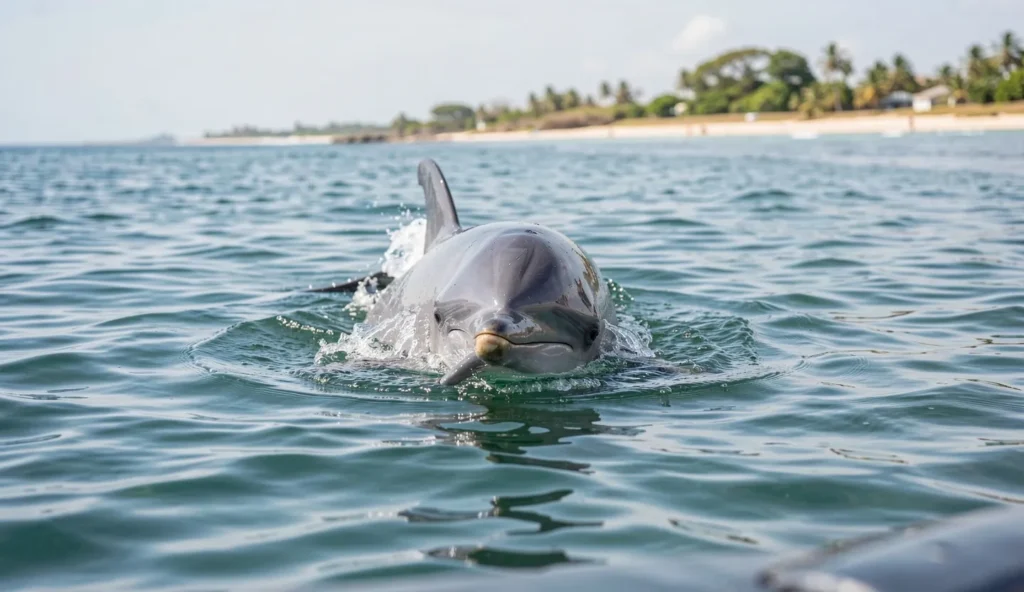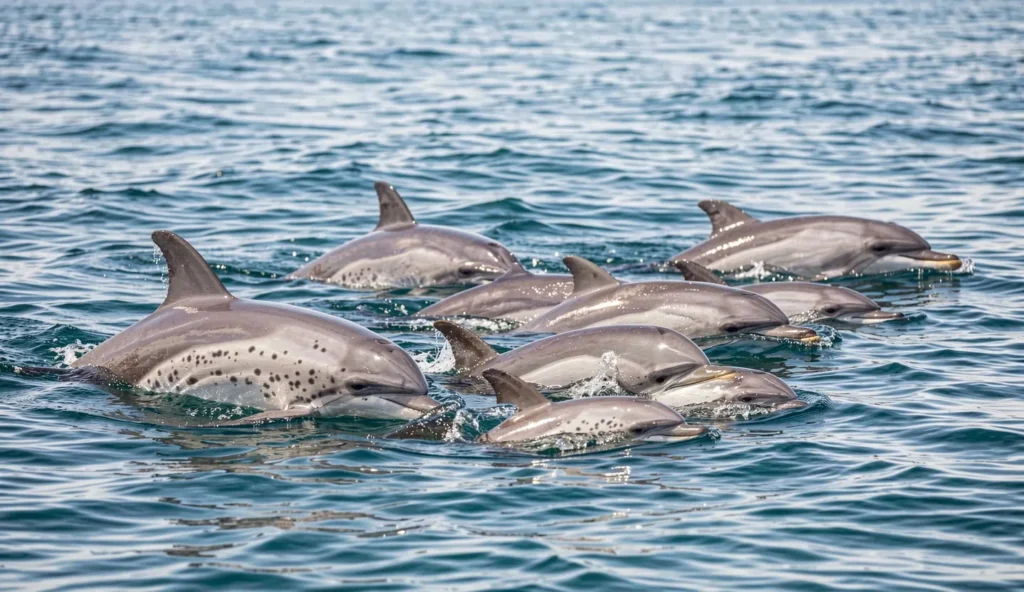
What Is a Pantropical Spotted Dolphin?
The Pantropical Spotted Dolphin is a small-to-medium dolphin species in the genus Stenella, widely studied because it ranges across warm seas. It lives in tropical and subtropical waters and often stays offshore, which makes it interesting for wildlife researchers. A standout feature of the Pantropical Spotted Dolphin is its spots that increase with age, meaning juveniles can look noticeably different from adults.
Because the species occurs over broad ocean areas, sightings and photo records help scientists track movement and long-term trends. People looking for spotted dolphin facts often focus on identification cues, group behavior, and diet links to offshore ecosystems. For wildlife enthusiasts, that combination of visibility and research value makes it one of the more documented tropical dolphin species.
Scientific Name and Common Names
Pantropical Spotted Dolphin refers to Stenella attenuata. Most references use the common name Pantropical Spotted Dolphin to match how the species is reported in field surveys. The word pantropical reflects how the species spans multiple tropical regions rather than one limited coastline.
Where It Lives in the Wild
This species occurs in tropical and subtropical oceans, often described as an offshore species. Offshore range matters because researchers must rely on boats, remote sensing, and standardized observation protocols. In many areas, distance from shore also limits everyday encounters, so study methods and data quality become especially important.
For context on how other dolphin species vary by region and habitat, it can help to compare general distribution notes from articles such as Bottlenose Dolphin. The Pantropical Spotted Dolphin typically focuses on offshore conditions rather than nearshore habitats.
Key Trait That Helps Identify It
The most useful field mark is that spots are present and increase with age. Spot patterns can change over a lifespan, and that affects how observers record individuals. Even when the overall dolphin shape remains similar, age-based spotting means identification must consider life stage.
Because lighting and sea conditions can alter how spots appear, researchers often use photo ID across multiple sightings. That approach improves accuracy when spot density increases or becomes more visible with maturity. Over time, the same individual may show a clearer spot pattern compared with a younger look.
Appearance and Spot Patterns
Physical traits in the Pantropical Spotted Dolphin matter for identification and for understanding how the species fits into the tropical dolphin community. Spot density and distribution often guide early recognition in surveys. However, researchers avoid relying on one photo because perspective, glare, and movement can change how markings look.
In practice, spotted dolphin facts usually emphasize that age changes appearance. This matters for both casual viewers and formal studies using repeated sighting records. It also helps distinguish it from other tropical dolphins that may show different spotting styles or less prominent changes.
Body Size and Overall Shape
The Pantropical Spotted Dolphin generally has a streamlined dolphin body built for open-water swimming. Its overall proportions support efficient movement through offshore waters where prey can be scattered. Exact measurements vary by individual and region, so body size alone cannot confirm identity.
Still, shape can narrow possibilities during field observation. When a dolphin swims with a smooth, fast posture in tropical conditions, it often matches the general look used in Stenella identification guides. Observers then use the spot pattern as the main confirmation.
How Spots Change With Age
Spots increase with age, which means juveniles often appear less spotted than adults. A typical progression can include fewer visible spots early on and a more noticeable pattern later in life. For spot-based research, that shift affects how individuals are cataloged.
Additionally, water conditions can alter spot contrast. In choppy seas or bright glare, light reflections can hide details, so multiple sightings help confirm spot density. This is one reason standardized photo angles are often requested during offshore work.
Coloration and Markings
The Pantropical Spotted Dolphin shows a base body color with spots that contrast against it. The contrast level can vary depending on region and population-level differences. Some dolphins show darker spots with a clearer outline, while others show softer contrast.
Markings may also appear differently across the body, not just in one area. Observers look for a recognizable distribution pattern that supports long-term matching. Variations across populations remain common, so researchers treat spot density as one part of a broader identification process.
How Researchers Confirm Identification
Researchers commonly confirm identity using photo documentation and repeated sightings. Because spots increase with age, matching also depends on life stage, not only on exact spot counts. When multiple photos show stable marking placement across time, scientists gain higher confidence.
That repeated process supports better estimates of movement and survival, especially in offshore areas. When dolphins show consistent spot features, the same individual can appear in records even when behavior changes. For general background on how dolphins can be identified and studied in the wild, comparison references like Common Dolphin offer useful context, even though markings and range differ.
Temperament and Behavior at Sea
Pantropical Spotted Dolphin behavior typically reflects life in offshore tropical waters and the need to coordinate around prey. Dolphin groups often include coordinated movement patterns that help with feeding and navigation. While individuals can show differences, the overall behavior is consistent enough for researchers to categorize.
Offshore species tend to be observed from a distance, so researchers rely on standardized behavioral definitions. Those definitions include surfacing patterns, group cohesion, and the timing of feeding events. For people seeking tropical dolphin behavior information, this section explains what is commonly recorded during surveys.
Social Structure and Group Size
Dolphin social structure in offshore settings often involves groups that can change in size by season and prey availability. Some trips may see smaller groups, while other encounters show larger assemblages. Those differences usually align with where prey concentrates at that time.
Because the Pantropical Spotted Dolphin often stays offshore, observation conditions influence what group size is recorded. Sea state, visibility, and boat tracking rules can affect counts. Even so, field teams still report the typical range of group sizes seen during surveys.
Swimming, Diving, and Surface Behavior
The Pantropical Spotted Dolphin often surf aces briefly, then dives to move through the water column. Researchers record surfacing intervals and dive durations to estimate activity patterns. During coordinated movement, groups may rise within a short period to travel together.
Movement can include traveling, resting, and short bursts of speed when pursuing prey. Researchers also track how far dolphins travel from the observation vessel, since responses can vary with distance. When behavior is consistent, it becomes useful for mapping habitat use.
Feeding Behavior
Feeding behavior in tropical offshore environments often follows prey distribution patterns. Dolphins may forage using strategies that take advantage of vertical or horizontal movement of fish and squid. When prey shifts location, dolphins often adjust their search pattern accordingly.
Direct feeding events can be hard to confirm in open water, so researchers may infer feeding from surface activity and repeated dives. In some cases, feeding may coincide with observable prey behavior near the surface. Even indirect observations can support diet studies.
Communication and Social Signals
Dolphins communicate using sound and body signals, and the type of communication can shift by context. During coordination, group members may react to vocal activity and synchronized movement. Those signals help maintain cohesion during feeding and traveling.
As conditions change, communication patterns may also change. Researchers note that offshore acoustics can affect how signals are detected and interpreted. Still, the basic idea remains consistent, which supports the use of coordinated behavior as part of behavior classification.
For comparison on different dolphin styles of surface action and group spectacle, the study approach described in Spinner Dolphin can help. It highlights how behavior recording can differ across species, even when all live in warm oceans.
Diet and Feeding in Tropical and Subtropical Waters
The Pantropical Spotted Dolphin diet connects directly to what offshore prey species are available. Like many dolphins, it relies on small prey that can be captured in open water. Researchers often combine observation notes with indirect evidence to infer likely prey types.
Because the species is an offshore species, prey can be hard to observe directly. That is why diet studies may use multiple methods and consider seasonal shifts. When tropical dolphin habitat changes, diet patterns often change as well.
Common Prey Types
Major prey categories typically include small fish and squid. Exact species can vary by region and local ocean conditions. Prey composition may shift over time when currents and productivity change.
Instead of one fixed list, diet reflects what the ecosystem supports at that time. That relationship links spotted dolphin facts to broader marine food-web patterns. It also explains why researchers treat each area as its own feeding system.
How It Locates Prey
Dolphins commonly use hunting strategies that track prey movement. They can follow changes in the water column that bring prey closer to the surface. In offshore environments, prey may move in ways that require dolphins to search actively rather than wait.
Researchers often describe feeding as dynamic, with repeated dive cycles and adjustments to swim paths. Even when prey capture is not observed, the timing and intensity of dives can suggest foraging. That pattern supports field work that records behavior during suspected feeding periods.
Seasonal Changes in Diet
Temperature and prey cycles influence what dolphins eat. Seasonal changes can bring different fish and squid species to areas used by dolphins. Over time, those shifts can alter the energy intake available to the group.
At a high level, diet may become more varied when prey is patchy, and more predictable when prey concentrates. Researchers infer these changes using field studies that track behavior and environmental conditions. When prey moves, the Pantropical Spotted Dolphin often follows that movement.
Housing Essentials for Dolphin Care Settings
Dolphins require complex care that most people cannot provide at home. The Pantropical Spotted Dolphin is a wild offshore species, and keeping it as a pet is generally not realistic or appropriate. Even facilities with marine mammal expertise must follow strict rules and welfare standards.
This section covers housing essentials for care settings in a general, beginner-friendly way, while clearly stating that wild-caught dolphins are not suitable. It also explains why offshore species often face specialized challenges. For pet lovers, the safest goal is learning and supporting accredited programs rather than attempting home care.
Legal and Ethical Requirements to Know First
Dolphins are protected and highly regulated in many regions, and the rules vary by country and local jurisdiction. Keeping dolphins as pets is not realistic for most people due to legal barriers and welfare requirements. Accredited marine programs, when permitted, offer the staff, training, and infrastructure dolphins require.
Because enforcement and welfare standards matter, any attempt at “ownership” without professional support can create risks for the animal. A responsible approach focuses on understanding how accredited systems meet standards rather than trying to replicate them at home. That perspective aligns with how many wildlife programs operate.
Water Space and Environmental Design Requirements
Dolphins need large, controlled aquatic environments with stable conditions and safe surfaces. Space supports swimming, turning, and natural movement patterns that smaller tanks cannot provide. For offshore species, environmental design often aims to support long-range swimming and consistent activity.
Environmental design also includes features that reduce injury risk and support stable daily routines. Many care settings use enrichment planning to keep animals mentally engaged. Still, enrichment must be designed by experienced professionals who understand dolphin behavior.
Water Quality and Filtration Basics
Water quality must remain stable, especially for salinity and dissolved oxygen. Temperature stability supports overall health, since sudden changes can stress marine mammals. Filtration systems help maintain clarity, remove waste, and reduce harmful microbial growth.
Monitoring must occur continuously, not only during scheduled testing. Professional teams track key parameters and adjust systems quickly when values shift. This is one reason dolphin care should stay within trained organizations.
Enrichment, Social Housing, and Stress Reduction
Dolphins often benefit from social companions when facilities can manage group compatibility. Social housing can reduce stress when it supports stable relationships. Inappropriate housing increases stress, and stress can worsen immune function and overall well-being.
Enrichment typically includes varied activities that encourage natural behaviors like foraging and exploring. Safety rules guide how enrichment items are introduced and removed. When care teams plan these steps carefully, stress reduction becomes more achievable.
Common Health Issues and Research Observations
Health issues in marine dolphins can be difficult to detect without proper field methods. The Pantropical Spotted Dolphin is studied through observations that track body condition, scarring, and sometimes photo-based health indicators. In wild conditions, many risks relate to parasites, skin changes, and injury patterns.
Because this species overlaps with fisheries in parts of its range, human activity can also contribute to health risks. Researchers document concerns where permitted and supported by data collection frameworks. For dolphin researchers and wildlife enthusiasts, these observations explain what scientists watch for during field work.
Parasites, Skin Conditions, and Wounds
Marine mammals often host parasites, and these can show up as changes in skin health. Scarring or lesions can appear over time and may become visible in repeated photos. Injuries can also result from interactions in the wild, including encounters with prey or rough environmental conditions.
Researchers typically focus on visible indicators during surveys, such as wound patterns and degree of scarring. Those indicators support health assessments across life stages. When spot patterns increase with age, researchers may also note how body condition changes alongside spotting.
Reproductive and Life Stage Considerations
Age can influence body condition and spot density, which makes life stage relevant for health interpretation. Adults and juveniles can show different patterns of visible markings, and those differences affect how health records are compared. Life stage can also change vulnerability to stressors in the marine environment.
Field studies may track health indicators over time to understand how condition changes across years. Reproductive status can also affect activity and energy use, which may influence behavior and body condition. By documenting life stage details, researchers can improve how they interpret Pantropical Spotted Dolphin observations.
Injury Risk From Human Activities
Human activities can create injury risks, including entanglement in gear and vessel interactions. Even for offshore species, overlap with fishing operations can occur depending on local ocean use. Those overlaps can lead to injuries that show up as scarring, wounds, or altered behavior.
Researchers often include general risk context when reporting health findings. That helps interpret why some injuries may be more frequent in certain regions. When gear overlap changes, dolphin injury patterns can also change.
Monitoring and Data Collection Methods
Researchers collect data using observational methods that keep disruption low. Photo identification, repeated encounter records, and health assessments where permitted help build longer-term datasets. Non-invasive approaches matter because dolphins can be sensitive to repeated stressors.
When possible, photo-based methods support long-term tracking without handling animals. Health indicators from images can then be compared across time. This approach also supports consistent recording of changes tied to age-based spotting.
For broader perspective on how marine life adapts and interacts with open water hazards, reading about Sea Snake can help. It shows how ocean conditions shape behavior and risk for other species in the same general environment.
Is a Pantropical Spotted Dolphin a Good Fit?
The question of fit depends on what “care” means for the person asking. For most people, the right match looks like responsible observation, research support, and interest-driven learning. Casual pet ownership is not realistic for a species adapted to wide offshore habitats.
Because the Pantropical Spotted Dolphin is a tropical dolphin and an offshore species, the care needs include large water space, stable quality, and experienced management. Those needs exceed what most people can provide. That is why suitability often applies to involvement with accredited marine programs rather than home ownership.
Who Should Focus on This Species
Wildlife enthusiasts typically get the best fit by supporting conservation, participating in educational programs, and observing ethically from safe distances. Dolphin researchers and trained organizations handle direct care and scientific documentation. That division helps keep animal welfare and data quality aligned.
Things to Consider Before Supporting Care Programs
Support decisions should reflect legality, licensing, and verified expertise in marine mammal care. Reputable organizations provide transparency on welfare standards, safety procedures, and veterinary oversight. Any involvement should prioritize animal welfare and scientific integrity over attention or entertainment.
Final Note
Understanding the Pantropical Spotted Dolphin supports better awareness of offshore tropical ecosystems and improved research quality. When age-based spotting and habitat context get recognized, spotted dolphin facts become easier to use responsibly.
Frequently Asked Questions
How Can Spots Help Identify a Pantropical Spotted Dolphin?
Spots increase with age, so adults often show more spotting.
Where Do Pantropical Spotted Dolphins Typically Live?
They live in tropical and subtropical oceans, often offshore.
What Do Pantropical Spotted Dolphins Eat?
They mainly eat small fish and squid, depending on local prey.
What Makes Pantropical Spotted Dolphins Different From Other Spotted Dolphins?
Their spotting pattern and offshore tropical range help distinguish them.
Can Pantropical Spotted Dolphins Be Kept in Home Aquariums?
They require professional facilities and are typically not feasible or legal as pets.