What Is A New Hampshire Red Chicken?
The New Hampshire Red chicken is a practical dual-purpose line that many keepers choose for dependable egg production. This breed originated in the United States and fits well into backyard flocks that need consistent laying without complex care. A common standout trait is steady performance, especially when routines stay stable.
Many homesteaders look for birds that can handle everyday coop life while still producing eggs regularly. Because of that focus, New Hampshire Red egg production often stays reliable when housing, feed, and season match the birds’ needs. For practical guidance beyond breed basics, it helps to compare overall poultry handling habits and daily management habits used by other reliable layers.
Breed Origins And Why It Is Called An Improved Layer
New Hampshire Red lines were developed for practical farm use, with selection focused on consistent laying and hardiness. Over time, breeders refined traits that supported stable egg output and workable backyard behavior. As a result, many buyers recognize the breed as an improved layer.
Stable performance matters for small farms because feed costs and labor time stay more predictable. Breed selection also supports easier day-to-day management, especially for people who want a straightforward flock plan. When buyers compare New Hampshire Red vs Rhode Island Red, the “improved” reputation often comes up early.
Key Facts That Matter For Backyard Keepers
For first-time flock owners, the New Hampshire Red chicken often feels manageable because it supports routine care and predictable habits. Many birds do well when daily access to feed, water, and coop space stays consistent. This helps reduce stress, which directly affects laying patterns.
New Hampshire Red temperament is often described as calm and practical for backyard handling. Birds typically adjust to established feeding times and normal coop movement. Still, every flock has variation, so quiet observation during the first weeks remains useful.
New Hampshire Red Vs Rhode Island Red
New Hampshire Red and Rhode Island Red both tend toward red-brown tones and backyard egg-laying roles. However, they are not the same breed, and visible differences can show up depending on the specific line. Many sellers also describe New Hampshire Red as a selection that supports faster development.
A key point for buyers is that the New Hampshire Red chicken is often associated with faster growth than Rhode Island Red, which can matter when starting with pullets. If the goal involves getting birds onto laying timelines sooner, this detail often affects purchasing decisions. Many keepers also cross-check expectations by comparing breed traits like temperament and growth rate before committing.
If the flock also needs a benchmark red layer, it helps to review background expectations using a reference like Rhode Island Red to understand how both breeds fit typical backyard egg goals.
Appearance And Physical Features
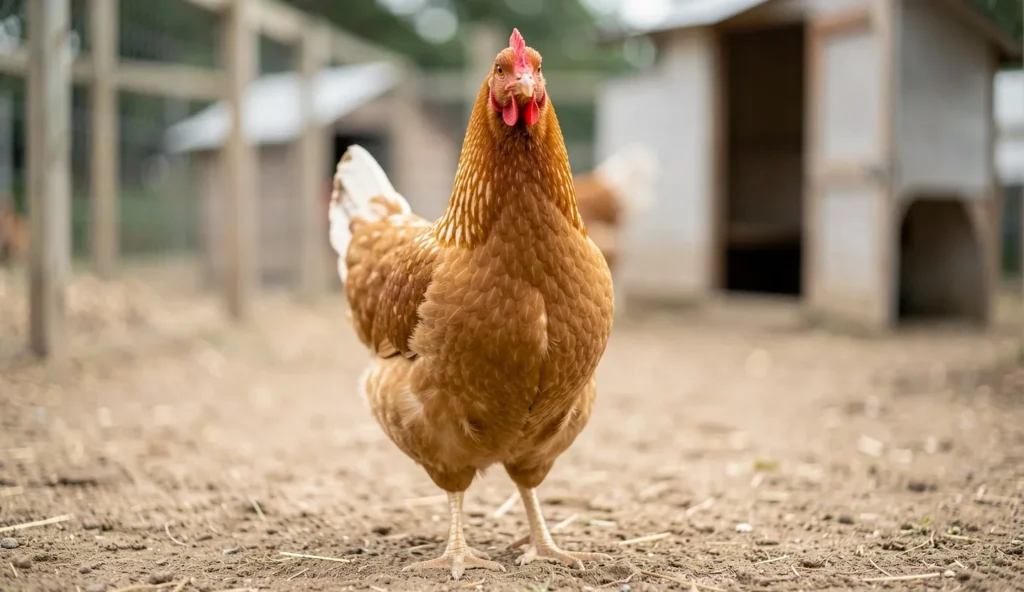
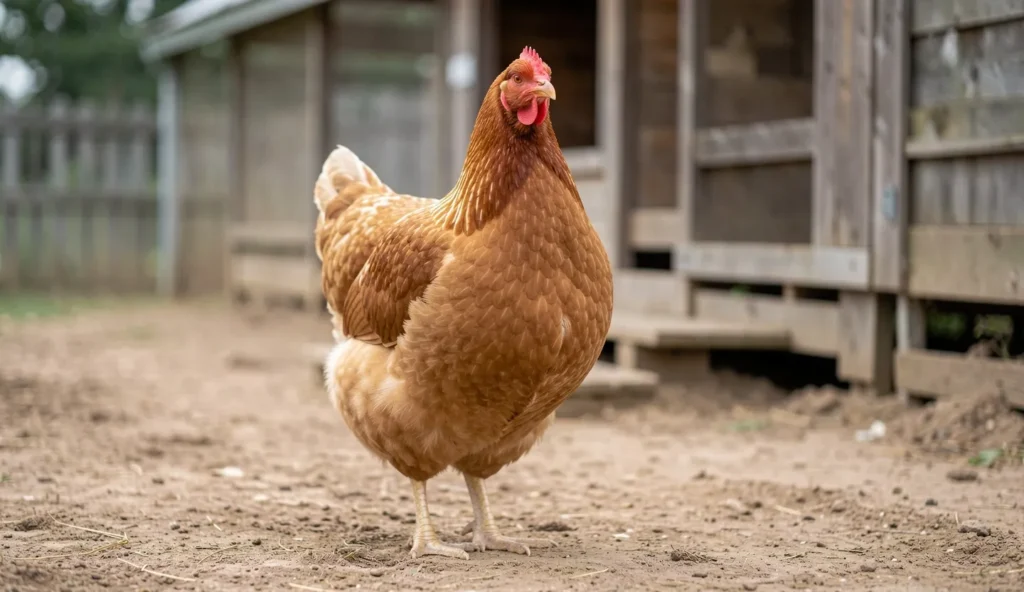
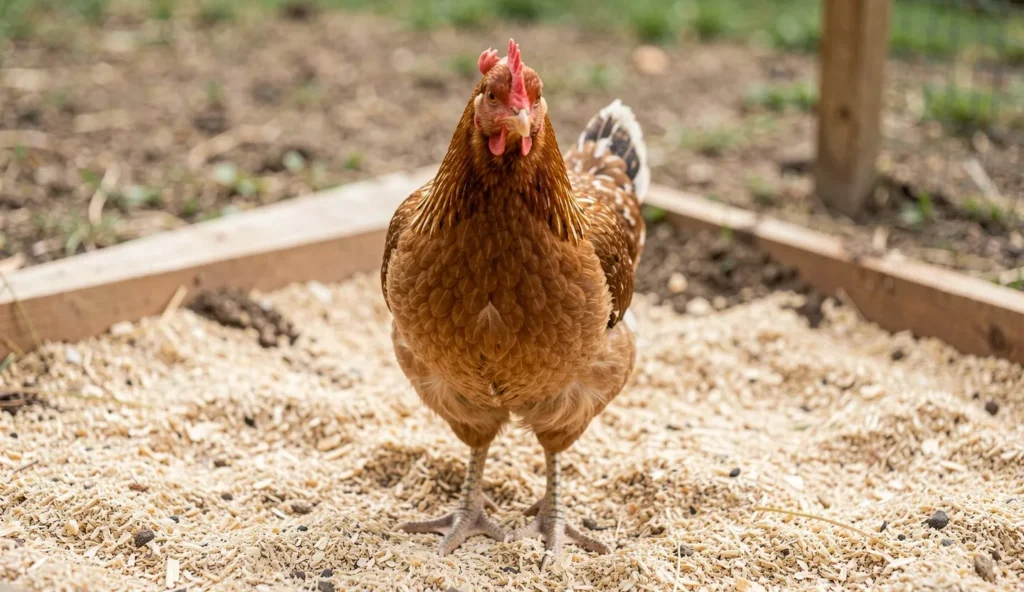
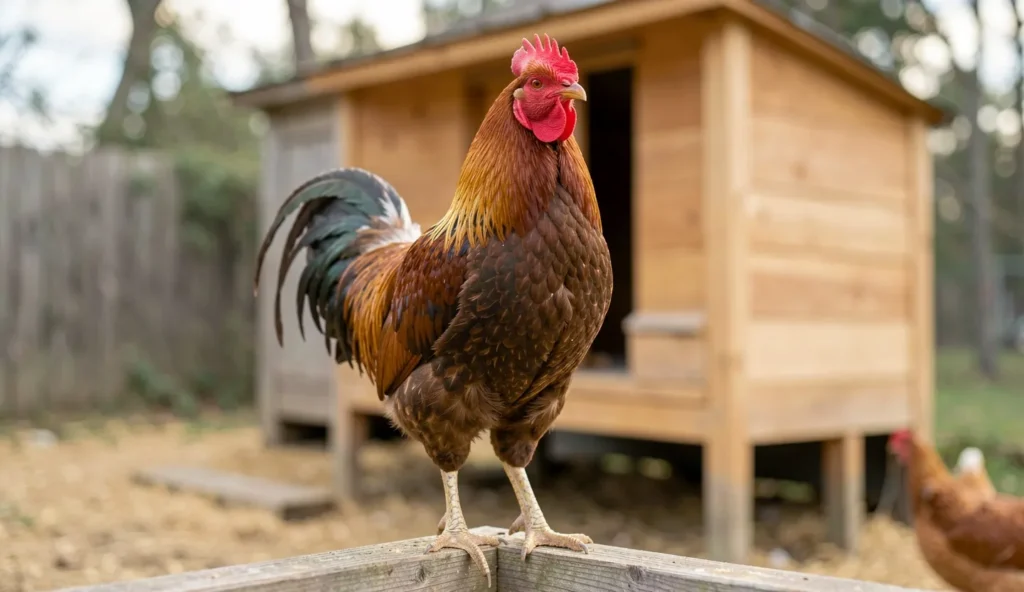
Identifying the New Hampshire Red chicken starts with recognizing the common reddish-brown feathering and a sturdy body type. These birds typically look built for active foraging, with a well-rounded shape and practical muscle tone. Good feather condition often signals overall health and stable body condition.
In many flocks, the breed stays easy to recognize after a few weeks because the red-brown tone looks consistent across birds. Still, color can vary by line, so physical checks matter more than guessing. When buyers also consider New Hampshire Red care routines, appearance helps guide whether housing and diet match expectations.
Typical Color Pattern And Body Shape
Most New Hampshire Red birds show a reddish-brown overall color with a fairly uniform look. The body typically appears sturdy and well-rounded, which supports everyday walking and scratching. Because the breed often spends time foraging, the frame benefits from steady nutrition.
Even though the birds forage actively, their structure also supports calmer coop routines. For some keepers, this combination of active foraging and manageable handling makes the breed easier to manage than more flighty lines. Over time, healthy feather growth usually reflects balanced feeding and dry bedding.
Comb, Wattles, And Head Features
A single comb with a clean red comb and wattles is typical, and the head often looks alert. Birds tend to stand with an upright posture that helps keep body balance steady on roosts. When a bird looks dull or listless, the comb and wattles usually give early clues.
Feather quality also matters, since rough or patchy feathering can point to stress or parasite issues. A healthy bird usually shows clear eyes and steady movement. For homesteaders monitoring daily flock health, these visible checks support faster responses.
Size Expectations For Hens And Roosters
Hens typically weigh less than roosters, and roosters generally show a broader, more muscular frame. Body size affects daily feed intake because larger birds require more calories to maintain condition. Individual variation occurs, especially when comparing different breeding lines.
Because size relates to resource planning, flock spacing and feeder access matter. When birds crowd, weaker individuals may get fewer feed portions, which can reduce egg output later. Care routines should also account for growth stages when raising young birds.
What To Check When Buying Chicks Or Pullets
When selecting chicks or pullets, look for alert behavior and a clean vent area. Healthy feathering matters, and the bird should move without obvious weakness. If possible, ask for the source line and any known history related to egg production in the parent group.
Also check the flock environment the seller uses, because poor brooding hygiene can carry problems forward. Clean housing and calm handling often correlate with healthier development. For context on how egg-laying breed options compare, reviewing Plymouth Rock chicken can help establish what “backyard reliable” looks like across common breeds.
New Hampshire Red Temperament And Handling
New Hampshire Red temperament usually stays calm enough for routine backyard management. Most birds adapt to feeding schedules and coop access without intense skittish behavior. For keepers planning daily checks, this steadiness reduces stress on both birds and people.
Temperament also supports smoother flock movement during cleaning and egg collection. Still, differences exist between individuals, so gradual introductions and consistent routine work best. When stress rises, egg production can drop, and behavior often gives early warning.
Temperament With People And Daily Routines
Many New Hampshire Red chickens handle well during feeding, inspections, and egg gathering. They often become familiar with routine coop sounds like feeder preparation. Some birds show curiosity, but they generally remain manageable.
Because the breed supports stable routines, keepers can reduce disruptions by working at consistent times. Sudden changes like moving coops or switching feeds too fast can cause behavioral shifts. Stable conditions help support steady New Hampshire Red egg production.
Compatibility With Other Backyard Chickens
New Hampshire Reds generally mix well with other backyard chickens when introduction occurs gradually. Persistent chasing usually signals overcrowding or poor access to resources. Space and multiple feeding points reduce competition.
When adding new birds, separate them first and allow short supervised interactions. This approach limits aggression and supports smoother flock integration. For another red-brown layer option that also fits mixed flocks, keepers sometimes compare with Sussex Chicken as a temperament reference.
Roosters In The Flock And Noise Expectations
Roosters can be protective and active, and their behavior varies by individual. Noise levels often depend on the specific bird and local management rules. Before keeping a rooster, verify local ordinances and consider neighborhood tolerance.
Proper roosting space and balanced flock structure also support calmer behavior. When roosters have clear access to the run and fewer conflicts arise, aggressive episodes tend to decrease. Even then, daily monitoring remains useful.
Stress Signs That Affect Egg Laying
Common stress indicators include reduced appetite, less time at feeders, and fewer normal comfort behaviors. Stress can also appear as rapid changes in droppings or sudden weight loss. When this happens, egg laying often drops as the birds redirect energy.
Stable routines usually prevent many disruptions, including consistent feed, water, and lighting patterns. Heat stress and overcrowding act as fast triggers, so adjustments often improve outcomes. Keeping coop conditions predictable supports New Hampshire Red laying hens through seasonal shifts.
Exercise, Housing, And Biosecurity Essentials
Housing supports every part of New Hampshire Red care, from egg production to parasite prevention. Clean space reduces irritation, while adequate ventilation reduces respiratory issues. Because active foraging benefits the breed, the run setup should support daily scratching and dusting.
At the same time, biosecurity keeps the flock protected when new birds enter. Routine cleaning also limits pest buildup, which helps reduce stress and supports consistent laying. With good setup, most keepers can manage this breed with straightforward daily tasks.
Coop Size Ventilation And Roosting Space
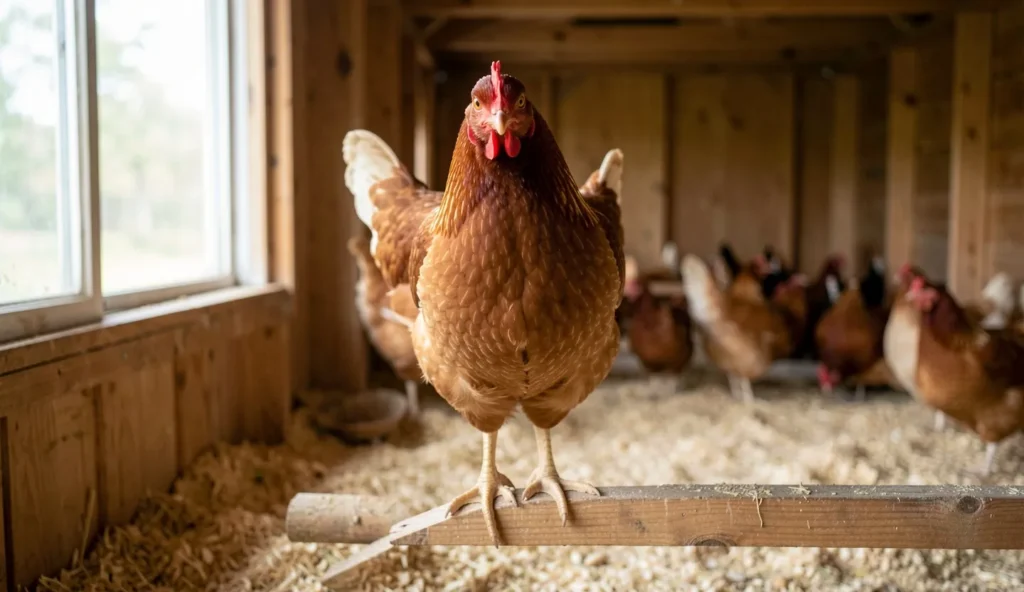
Coop crowding increases stress and raises the chance of feather pecking. Ventilation needs to remove moisture without creating strong drafts that chill birds. Roosts should feel sturdy and comfortable, with spacing that prevents overcrowding on perches.
When roost height forces awkward jumping, some birds may avoid normal roost behavior. That avoidance can affect droppings on the floor and raise cleanup workload. Balanced design keeps roosting calm and helps maintain dry bedding.
Run Space And Foraging Options
A secure run supports scratching, dust bathing, and natural browse. Enrichment like leaf litter and safe browse encourages time outside the coop and reduces boredom. Predator-proof fencing also matters, since fear can interrupt feeding and laying rhythms.
When run safety improves, birds often use the space more consistently. That consistency helps the flock stay active and helps maintain body condition. For keepers also exploring other poultry types, Leghorn chicken provides another comparison point for how different egg-laying breeds use outdoor space.
Litter Management And Clean Bedding Schedule
Dry bedding reduces respiratory irritation and helps limit parasite buildup. Wet spots should get removed promptly, especially in high-moisture corners. A consistent bedding schedule also supports easier floor cleaning.
When litter stays dry, ammonia levels typically remain lower, which helps the flock breathe easier. Regular cleaning also reduces the chance of mites establishing in cracks and crevices. This directly supports health, which then supports New Hampshire Red egg production.
Basic Biosecurity That Protects Egg Layers
Quarantine new birds before adding them to an existing flock. Shared equipment should get avoided between flocks, and tools should get cleaned and disinfected when moving between coops. Handwashing and clean footwear reduce the chance of carrying pathogens.
Even simple changes like changing gloves during coop work can reduce exposure. These steps matter most around breeding cycles and seasonal outbreaks. For keepers managing multiple flocks, a basic biosecurity routine often saves time later.
For a broader view of how backyard management affects health, checking coop hygiene practices similar to those used with Australorp Chicken can help reinforce good habits.
New Hampshire Red Egg Production And Growth Rate
New Hampshire Red egg production often appeals to backyard keepers because the breed aims for steady output. Timing depends on age, season, and nutrition, but the overall pattern stays predictable for most flocks. When care stays consistent, New Hampshire Red laying hens can maintain regular laying cycles.
Growth rate can also affect when pullets begin to lay. Many sellers describe New Hampshire Red as faster to develop than Rhode Island Red, which can shorten the wait for eggs. For homesteads working on seasonal planning, that difference can matter.
When Pullets Start Laying
Most pullets begin laying at a stage influenced by nutrition and lighting, with timing varying by individual development. Early signs include more time in nests and more frequent pauses as birds prepare to lay. Daylight and temperature also influence readiness, especially as seasons shift.
Rapid feed changes or poor nutrition can delay the start of laying. Stable, stage-appropriate feed supports normal development. When timing seems off, reviewing New Hampshire Red care basics usually reveals the cause faster than guessing.
Typical Laying Performance For Backyard Flocks
Backyard flocks often aim for consistent layer potential rather than extreme production. Production usually rises as pullets mature, then shifts seasonally with colder months and molting periods. Egg count can also drop during stress events like predator scares or coop remodeling.
Factors that influence egg count include age, feed quality, daylight exposure, and overall health. Egg size can change over time too, often improving as hens mature. For owners managing multiple breeds, production expectations can be checked by reviewing patterns like those described for Wyandotte Chicken.
Faster Growth Compared With Rhode Island Red
Many New Hampshire Red lines are selected for quicker development, which keepers often notice when raising pullets. Faster growth can matter for homesteaders who want earlier egg availability and more predictable feed planning. It can also reduce time spent managing juveniles before laying starts.
Even so, growth speed should not override nutrition. Birds still require the right feed stage and mineral balance to support early development without health setbacks. When growth stays steady, laying transitions often run smoother.
How To Support Strong Eggshells
Strong eggshells depend on consistent calcium intake and steady rationing. Many keepers switch to layer feed when hens begin producing eggs, since layer formulas include the nutrients needed for shell quality. Mineral access also matters, including grit management where appropriate for digestion.
Water quality influences overall health, and hens need clean water daily. Heat stress can reduce laying and weaken shells, so shade and ventilation support stable production. With those basics in place, New Hampshire Red egg production tends to hold up better through hot or cool periods.
Diet, Feeding Schedule, And New Hampshire Red Care Tips
Diet directly affects New Hampshire Red care because nutrition powers growth, feather quality, and egg production. Feeding should match the bird’s life stage to avoid delays or nutrient gaps. When feed stays consistent and clean, the breed often maintains good condition while laying.
For backyard keepers, a simple feeding routine works best. It should include fresh water daily, clean feeders, and stage-correct feed changes. Treats can help enrichment, but they should not replace balanced nutrition.
Feeding Basics For Chicks, Growers, And Laying Hens
Chicks need a chick starter feed that supports early development and steady growth. During the non-laying growth phase, grower feed supports body development before egg production starts. When hens begin laying, switching to layer feed usually helps maintain consistent New Hampshire Red egg production.
Feed transitions work best when done gradually to reduce digestive upset. Fresh feed also reduces mold risk, especially in humid climates. For owners starting with pullets, confirming the current feed type before switching matters.
Best Treats And Foods To Avoid
Safe treats support enrichment when offered in moderation. Greens and small vegetable portions usually fit well as supplemental snacks. Treats should not dilute the main ration, since hens still require balanced nutrients for shell formation.
Avoid spoiled foods, high-salt items, and large amounts of fatty scraps. Overfeeding treats can reduce egg quality and contribute to weight issues. If treats replace feed too often, laying can drop even when birds appear healthy.
Water Quality And Daily Checks
Clean, fresh water should be available every day, with waterers washed regularly to prevent buildup. During hot weather, check water levels and refill more often since heat increases water needs. Good hydration supports digestion and egg formation.
Dirty water can reduce appetite and affect health, so visible debris should trigger a wash. Even small routines like daily water checks reduce problems that otherwise appear later. Keepers managing multiple flocks can streamline this step by standardizing waterer cleaning times.
Grooming, Parasite Prevention, And Bedding Care
Grooming for chickens mainly means supporting natural behaviors and maintaining clean bedding. Dust baths help reduce external parasites, and bedding maintenance helps reduce habitats where mites thrive. Regular checks help identify lice and mites early.
When parasite issues appear, treat the coop as well as the birds, since pests can hide in cracks. Avoid sudden, harsh handling that adds stress. For owners seeking practical parasite routines, Silkie Chicken can provide general backyard monitoring habits that apply broadly.
Simple Routine Checklist For Healthy New Hampshire Reds
A quick daily checklist supports reliable flock care without adding major work. It also helps keep egg collection consistent, which reduces broken eggs and stress on nest areas. Use this routine to spot changes early before they affect laying.
- Confirm fresh feed and clean water are available
- Inspect comb color and skin condition during handling
- Check droppings for normal shape and consistency
- Look for feather gaps or irritation from pecking
- Collect eggs often to reduce breakage
Common Health Issues And What To Do
Health problems can reduce egg output quickly, so early action protects both birds and production. Most issues in New Hampshire Red flocks involve respiratory irritation, external parasites, or laying disruptions related to stress and nutrition. When symptoms appear, identify the likely cause and respond early.
Many backyard keepers improve outcomes by focusing on environment first. Dry bedding, secure ventilation, and parasite checks often reduce recurring problems. Still, persistent symptoms require professional support.
Respiratory Problems And Heat Stress
Respiratory irritation can show up as open-mouth breathing, wheezing, or reduced activity. Heat stress often follows high temperatures and poor airflow, and it can reduce feeding and laying. Ventilation and shade help, while dry bedding reduces irritants in the air.
When heat spikes, provide shade and ensure cool water access. Avoid strong drafts that chill birds during cooler nights. Quick adjustments often restore comfort and help hens stabilize egg cycles.
Mites, Lice, And External Parasites
Mites and lice cause irritation that can lead to feather damage and reduced laying indirectly. Keep an eye on the bird’s skin, especially around the vent area and under wings. Regular coop checks also help find pests where bedding meets wood.
When treatment starts, include coop cleaning and targeted treatment of hiding places. Skipping coop treatment often leads to re-infestation. Consistent prevention helps protect New Hampshire Red care efforts over time.
Egg Laying Issues Like Soft Eggs And Regressions
Soft eggs can result from inadequate calcium, inconsistent feed timing, or stress that affects nutrient use. Laying regressions also occur when birds molt, face cold snaps, or deal with crowded housing. When eggs change suddenly, environmental triggers usually contribute.
Support hens with steady layer feed and consistent mineral access. Avoid frequent diet switches during early laying, since sudden changes can disrupt digestion. Stable routines often restore normal patterns without major intervention.
When To Contact A Poultry Veterinarian
Professional help matters when symptoms persist or escalate, especially signs like lethargy or refusal to eat. Swollen areas, persistent diarrhea, and severe breathing issues also justify prompt veterinary attention. Early evaluation improves outcomes because poultry illnesses can progress fast.
Even when a problem seems minor, a veterinarian can confirm whether the issue is infection, parasite overload, or nutritional deficiency. Treating the wrong cause delays recovery. For best results, use observation data like appetite, droppings, and behavior changes.
Is A New Hampshire Red Chicken Right For You?
The New Hampshire Red chicken works well for keepers who want dependable laying and practical daily management. It suits backyard keepers and homesteaders that value routine care over complex breeding programs. Many owners also choose it because the breed often maintains a calm, workable presence in mixed flocks.
Before buying, it helps to plan coop space, run security, and feed storage. Egg production goals should align with season and flock age, since laying timelines shift naturally. Also, understand that growth rate differences can influence when eggs begin.
Good Fit For Egg Focused Backyard Flocks
New Hampshire Red laying hens often fit well into backyard flocks aimed at consistent eggs. They generally manage well with beginner-friendly routine care, including daily checks and basic biosecurity. For homesteads needing stable production, this steady reputation becomes a practical advantage.
When paired with good housing and nutrition, the breed’s performance tends to stay predictable. This predictability supports planning for egg use and basic household storage. Keepers who track results often find it easier to manage feed and labor schedules.
Considerations Before Getting Chicks Or Pullets
Chicks require secure brooding, temperature control, and correct feed from day one. Pullets still require acclimation and stable coop conditions, especially before the first laying cycle. Space, ventilation, and predator protection influence how smoothly birds settle in.
Feed needs change with life stage, so switching plans matter. Owners starting with chicks should also plan for growth phases before layer feed becomes appropriate. If brooding capacity exists, the breed’s growth potential can support faster transitions to production.
How To Choose Between New Hampshire Red Lines
Line selection can influence both temperament and growth speed, so ask about egg-laying history and bird handling traits. A reputable source should share basic information on the flock’s background and management. Choosing birds that match your coop setup helps prevent mismatches in expectations.
When possible, observe how birds behave in their environment. Calm birds often integrate more smoothly, while overly stressed birds can struggle after transport. Buyers focusing on early egg goals often compare line claims about New Hampshire Red growth rate before purchase.
Frequently Asked Questions
How Many Eggs Per Week Does A New Hampshire Red Chicken Typically Lay?
Egg production depends on age, season, and diet, with results improving when hens receive consistent layer nutrition and stable conditions.
When Do New Hampshire Red Pullets Start Laying?
First eggs often arrive in the early pullet stage, though timing depends on nutrition, daylight, and normal development.
What Is The Main Difference Between New Hampshire Red And Rhode Island Red?
New Hampshire Red is often associated with faster growth, while both breeds can perform as steady backyard layers.
What Should New Hampshire Red Chickens Eat For The Best Egg Production?
Use layer feed once hens are producing eggs and maintain fresh water and mineral support for shell quality.
Are New Hampshire Red Chickens Good For Beginners?
They are generally manageable with routine care, calm flock behavior, and straightforward housing and feeding needs.
A Practical Path For Long Term Flock Health
With consistent housing, clean bedding, and stage-correct feed, the New Hampshire Red chicken often becomes a dependable layer for backyard keepers. Routine biosecurity and early health checks help keep egg production stable over time.