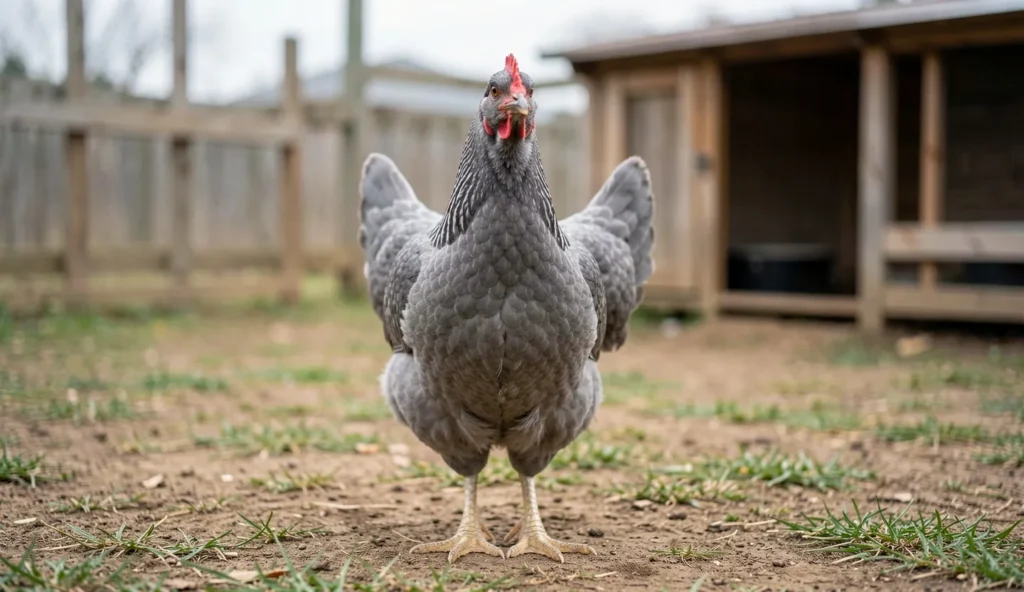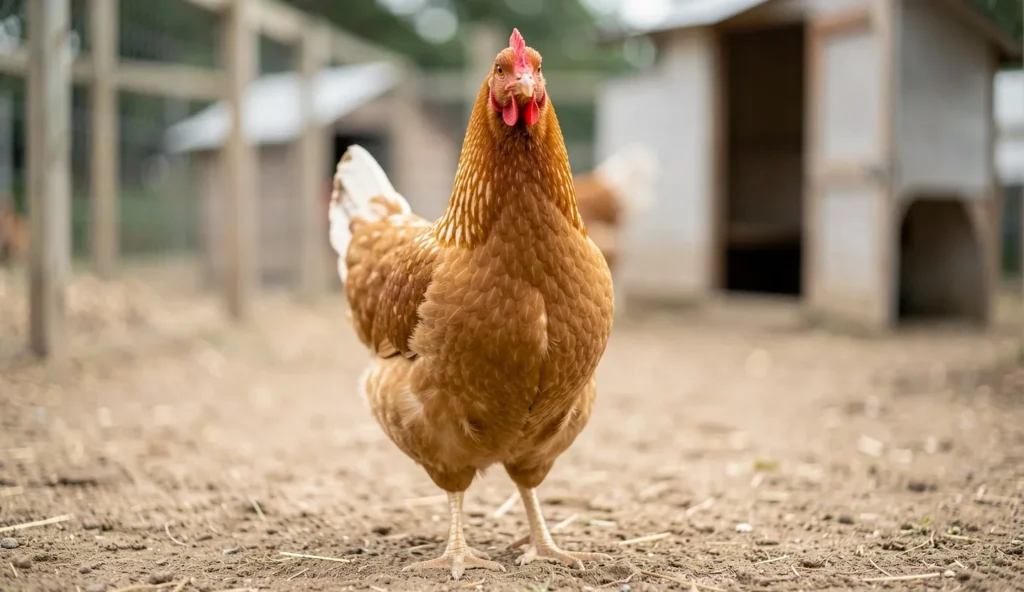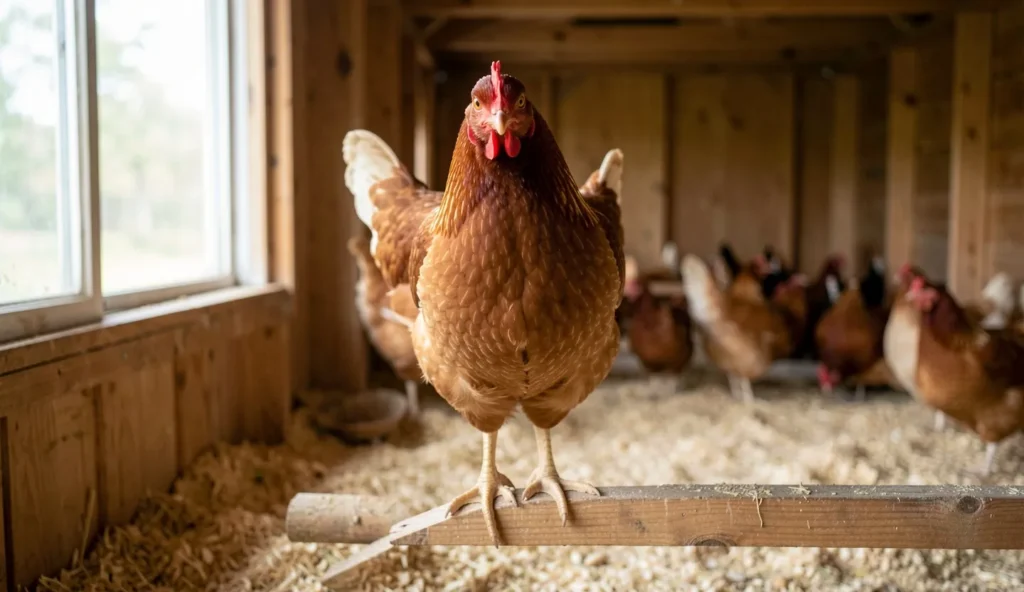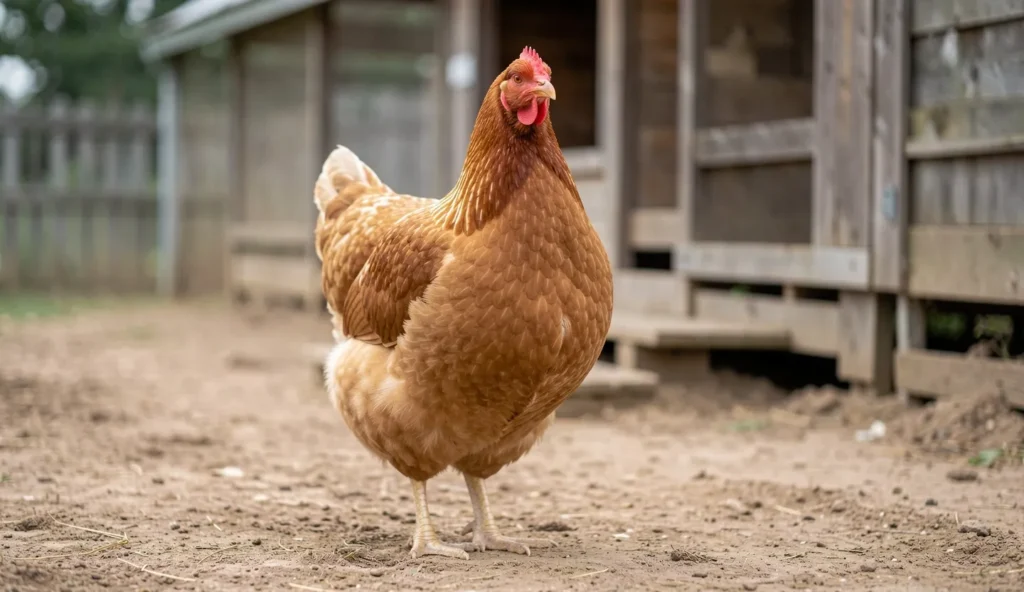
What Is An Appenzeller Spitzhauben Chicken?
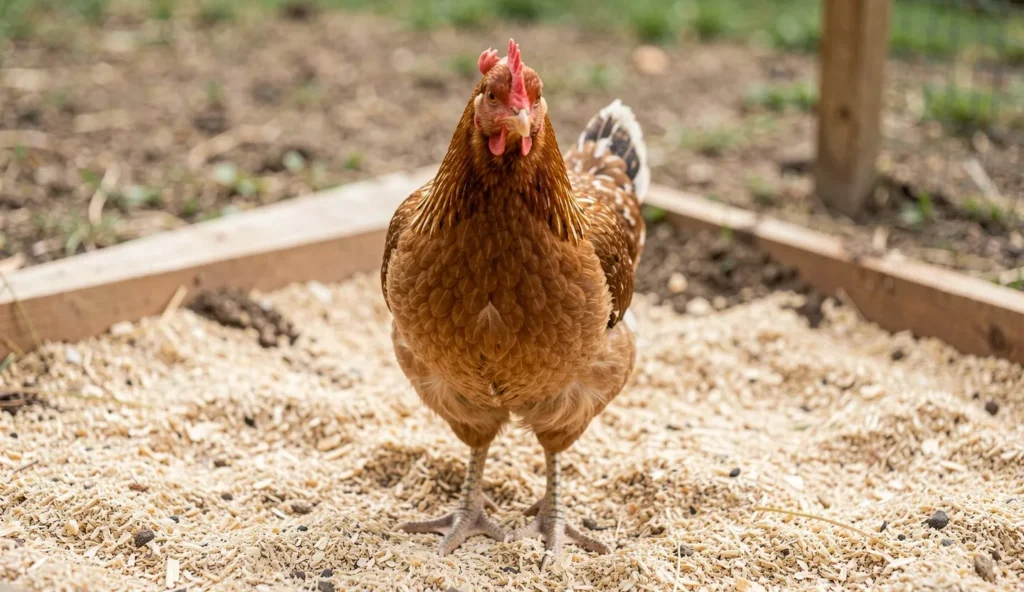
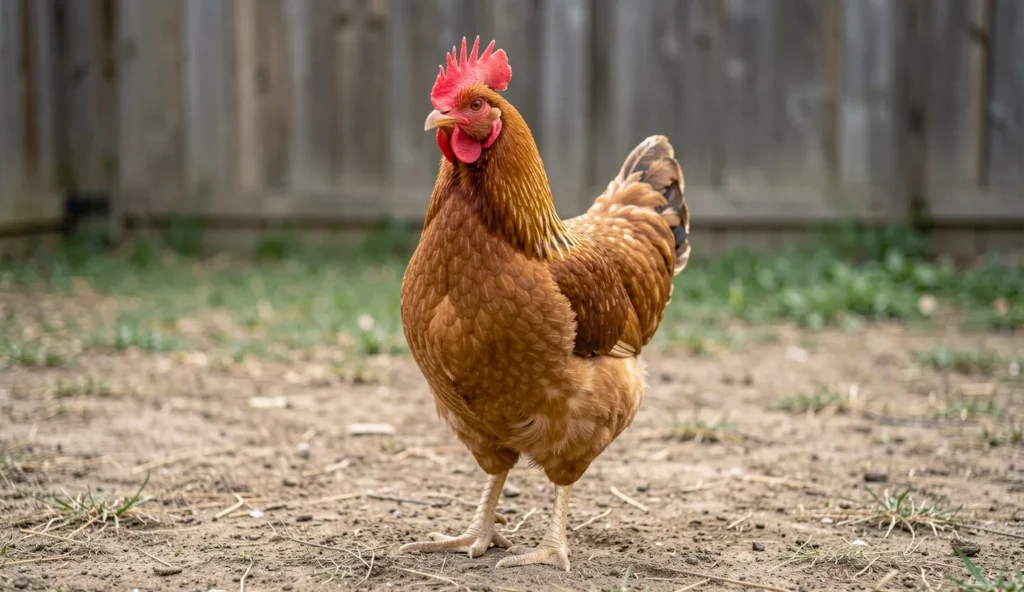
The Appenzeller Spitzhauben chicken is a Swiss crested breed known for hardiness and a distinctive V-shaped comb. The breed comes from Switzerland’s Appenzell region and stands out among crested chicken breeds for surviving colder outdoor conditions. Many keepers choose this bird because it brings visible character without requiring exotic care.
Spitzhauben care focuses on keeping the head area dry and managing feather moisture around the crest. With the right backyard chicken housing, the Appenzeller temperament often fits well into mixed flocks.
Origin Of The Breed In Switzerland
Appenzeller Spitzhauben chickens developed in the Appenzell region of Switzerland. Over time, breeders selected for vigor and practical farmyard traits.
The birds became part of the wider Spitzhauben crested chicken breeds group. Today, they remain popular with breed collectors and backyard keepers who want Swiss poultry that can handle seasonal changes.
Key Traits That Stand Out
The Appenzeller Spitzhauben chicken shows a distinctive V-shaped comb that sits behind the beak area. Crest and head feathering create a recognizable look that makes identification easy once the pattern is understood.
Hardiness also plays a major role in the appeal. Compared with many crested chicken breeds, this Swiss crested chicken often shows better cold tolerance when shelter stays dry and airflow remains safe.
Appearance And The V Shaped Comb You Will Notice First
Appearance matters for crested chicken breeds because the head crest changes how moisture behaves. The Appenzeller Spitzhauben chicken typically presents an upright posture, visible crest feathers, and the V-shaped comb feature that defines the look. These traits also guide Spitzhauben care decisions.
For keepers searching similar breeds, comparing body build and comb placement helps narrow choices. A good reference point can be found by reviewing crested variations in other lines, such as Helmet pigeon or fancy feather patterns, which shows how owners think about head feather care.
Body Size, Build, And Typical Coloring
This bird usually remains medium-sized with an alert, upright stance. Feather density often supports cold weather performance by offering insulation during winter months.
Common color patterns include speckled and patterned varieties, though exact looks can vary by line. Legs and feet tend to look sturdy, which supports outdoor foraging and scratching behaviors.
How The V Shaped Comb Affects Daily Care
The V-shaped comb forms a unique shape at the head, which changes where moisture can collect. Feathers around the comb can trap moisture if housing becomes wet or bedding stays damp.
During cold snaps, the crest and head area may need extra monitoring. Keeping the head area dry helps reduce irritation risk and supports calmer behavior at roost time.
Sexing Clues For Beginners
Sexing becomes easier as birds mature and comb and body development progress. Cockerels may show earlier growth in comb and overall body size than pullets.
Roosters often appear broader through the shoulders, while hens typically hold a less aggressive posture. After early maturity, behavior differences can also appear, so calm observation improves accuracy.
Appenzeller Temperament And Flock Behavior
Appenzeller temperament usually reflects alert curiosity rather than constant aggression. The Appenzeller Spitzhauben chicken often stays active around feed and foraging areas, which can make it a lively part of a backyard flock. Many keepers find that steady introductions reduce problems.
Still, individual birds vary based on handling history and flock setup. Secure housing and enough space help keep interactions stable in winter, when movement gets more limited.
General Temperament With People And Other Chickens
This breed often responds best to calm handling and consistent routines. When feeding starts at the same time each day, most birds quickly settle into the daily schedule.
Within the flock, the Appenzeller Spitzhauben chicken may forage energetically and explore the run. With calm, steady introductions, the birds often integrate without major disruption, especially when hiding spots exist.
Rooster Considerations In Cold Climate Flocks
Roosters in smaller flocks may act protective and become more attentive during winter confinement. Protective behavior usually remains manageable if space and escape options exist.
Observe flock dynamics during winter because space shrinks and competition rises. Responsible flock management can include planning culling or rehoming decisions ahead of time for animal welfare.
Stress Signs To Watch For
Stress often shows through changes in appetite and activity level. Reduced feed intake and lower movement typically signal that something in housing or weather conditions has shifted.
Hunched posture and ruffled feathers for extended periods also deserve attention. If wheezing or open-mouth breathing appears, ventilation may be insufficient, which can elevate illness risk.
Spitzhauben Care Essentials For Cold Weather Success
Spitzhauben care for the Appenzeller Spitzhauben chicken centers on dryness, ventilation, and head feather protection. Hardiness works best when the coop stays dry and the comb area does not sit in damp conditions. This approach supports both comfort and health.
Some keepers expand cold-climate poultry plans by comparing housing habits across species, such as Silver Appleyard Duck routines for moisture control. Even when species differ, the same rule applies: prevent standing dampness.
Housing Setup For Dryness And Ventilation
Backyard chicken housing should prioritize dry bedding and quick cleanup of damp patches. Ventilation needs to move air without creating direct drafts at roost height.
The run should also resist persistent wind and heavy snow exposure. Secure latches matter because active birds test boundaries and may push into weak points when curious.
Bedding Choices And Moisture Control
Dry bedding supports better feather quality and keeps skin healthy. Spot clean frequently during wet stretches so the head area does not contact damp material.
Refresh bedding before it becomes compacted and holds moisture. Avoid bedding that stays wet against the head area, since crest feathers and the V-shaped comb can trap moisture.
Health Protection For Crested Birds In Winter
Winter checks should include careful inspection of the comb and crest after cold nights. Look for redness, swelling, or scabbing around the V shape because irritation can start quietly.
Moisture reduction remains a priority. Reduce prolonged moisture near the head, and separate injured birds if pecking develops around irritated areas.
When managing icy walkways, keep de-icing practices safe. Use methods that do not expose birds to harmful chemicals during movement inside or near the coop.
Predator Proofing For Active Backyard Birds
Predator proofing matters because active birds move through the yard quickly. Use hardware cloth instead of thin wire mesh to strengthen barriers against common digging and entry attempts.
Bury fencing or secure it at the base to deter digging. Close the coop at dusk, verify latches daily, and add covered run areas so birds can retreat during sudden threats.
Diet And Feeding For An Appenzeller Spitzhauben Chicken
Diet supports egg production, growth, and winter condition for the Appenzeller Spitzhauben chicken. Spitzhauben care includes feeding practices that keep birds strong enough to maintain feather quality in cold weather. Balanced nutrition reduces stress on the immune system.
In practical terms, feeding stays simple, but routines need consistency. Clean water, proper proportions, and controlled treats usually deliver the best results.
What To Feed Daily
Use a complete layer feed during egg production phases. Provide clean water at all times, including in winter, when freezing can quickly disrupt hydration.
Offer grit to support digestion, especially when birds forage. Limit treats so overall nutrition stays balanced and does not displace complete feed.
Best Foraging And Treat Options
Foraging helps reduce boredom and supports natural scratching behavior. Allow supervised access to yard forage when possible, and remove unsafe items that could harm birds.
Use vegetable scraps and safe kitchen leftovers in moderation. During winter, insects or mealworms can supplement protein, but treats should never replace core feed.
Avoid salty or moldy foods because they can trigger digestive upset. Also watch for spoiled pantry items after storms when rodents or moisture may contaminate leftovers.
Winter Feeding Adjustments
Increase feeding frequency if birds burn more energy during cold snaps. Keep feed dry and covered to prevent spoilage and mold growth.
Monitor body condition and adjust portions gradually instead of making large jumps. Ensure consistent water intake despite freezing weather so dehydration does not raise illness risk.
Common Health Issues And Prevention Tips
Common health concerns for crested birds often relate to the same core factors: moisture, ventilation, and routine inspections. The Appenzeller Spitzhauben chicken can be hardy, but the V-shaped comb and crest need attention when bedding gets damp. Prevention stays straightforward when habits stay consistent.
Many keepers also learn broad husbandry patterns by studying other hardy breeds. For example, reviewing Sussex Chicken care can help owners think about routine checks that apply across different backyard birds.
Comb And Crest Irritation In Wet Or Cold Weather
Moisture buildup can lead to irritation in the crest area around the V-shaped comb. Inspect the V-shaped comb and feathered head regularly, especially after snowy nights and wet bedding days.
Address damp bedding promptly to prevent ongoing issues. If pecking occurs around an irritated head area, separate injured birds so damage does not spread.
Parasites And Routine Checks
Mites and lice can affect skin and feather quality, which becomes more visible around the crest. Check around vents and under wings during routine inspections.
Keep coops clean and prevent excessive clutter because parasites thrive in dirty nesting and high-debris areas. A consistent external parasite prevention plan supports long-term stability.
Respiratory Problems From Poor Ventilation
Winter requires ventilation that keeps air fresh without freezing drafts. Ammonia smell from soiled bedding usually signals that humidity and waste buildup need correction.
Prevent dampness by keeping bedding fresh and improving airflow. If coughing persists, seek veterinary advice instead of waiting because respiratory illness can worsen quickly in confined coops.
Breeding Basics And Raising Chicks From This Breed
Breeding basics for the Appenzeller Spitzhauben chicken focus on stable eggs, careful incubation, and a safe brooder. Genetics can remain manageable when healthy breeders supply fertile eggs and chick care stays consistent. Spitzhauben care continues after hatch, with special attention to head feathers as they develop.
For breed collectors, tracking line details helps maintain traits like the V-shaped comb. However, chick raising stays centered on temperature, hydration, and clean space.
Incubation And Hatching Considerations
Use clean, fertile eggs from healthy breeders to start. Maintain stable temperature and humidity during incubation because swings can reduce hatch rates.
Candling can help track development and spot issues early. Plan the brooder setup before chicks hatch so the transition remains smooth.
Brooder Setup For Healthy Growth
Provide heat and a draft-free brooder space for young chicks. Use absorbent bedding that stays dry, and replace wet material quickly.
Offer starter feed and fresh water daily. Handle crested head care gently as feathers develop, since early head feathering can be sensitive to moisture and rough handling.
Introducing Chicks To Outdoor Conditions
Move chicks to outdoor runs gradually as weather stabilizes. Use protection from wet and wind during early weeks so feathering remains dry and functional.
Keep chicks separated from aggressive older birds until they show stable feeding and confident movement. Monitor weight and appetite during transitions to confirm that stress stays low.
Is An Appenzeller Spitzhauben Chicken Right For You?
The Appenzeller Spitzhauben chicken suits cold-climate keepers who want hardy crested birds and can maintain dry coop conditions. Spitzhauben care becomes easier when housing includes reliable ventilation and frequent bedding attention. This bird also appeals to breed collectors seeking Swiss poultry with an unusual V-shaped comb.
However, chronic dampness can make head-area issues more likely. It also may not match setups with weak ventilation, skipped routine health checks, or poor winter cleanup capacity.
Fit With Typical Cold Climate Backyard Setups
This breed matches owners who enjoy routine inspection and can check comb and crest dryness after cold nights. A strong housing plan supports stable flock behavior, especially during winter confinement.
Secure housing and clean bedding habits usually keep the V-shaped comb feature from becoming a daily problem. Owners who can manage daily care often see good results with hardy crested chickens like this one.
When This Breed May Not Be The Best Match
Less ideal situations include chronic dampness, poor ventilation, and minimal spot cleaning. If comb irritation becomes a recurring issue, the setup likely needs correction before more birds join the flock.
Consider also flock size and rooster policy before adding. Space, hiding options, and humane management help reduce winter tension.
Starter Checklist For New Owners
A starter checklist keeps new keepers focused on the essentials. Before bringing an Appenzeller Spitzhauben chicken home, prepare systems that protect dryness, support nutrition, and simplify daily inspections. With these basics in place, Spitzhauben care becomes consistent instead of reactive.
Thinking through cold climate chicken breed needs early prevents last-minute problems. Even dog and livestock keepers often plan fencing and shelter first, and the same preparation mindset applies to Appenzeller Sennenhund style planning across Swiss farms.
Supplies To Prepare Before Day One
- Dry bedding plan with frequent spot cleaning
- Hardware cloth for secure coop and run boundaries
- Water system that resists freezing
- Complete feed matched to age and production stage
- Grit for proper digestion support
- Brooder or warmer area if raising chicks
- Regular comb and crest inspection routine
Daily And Weekly Tasks That Keep Birds Healthy
- Morning feeding and water refill
- Evening coop check for security and bedding condition
- Weekly parasite checks around vent and feathers
- Ventilation checks during the coldest nights
- Observe behavior changes after weather swings
Similar Crested Chicken Breeds Worth Comparing
Crested chicken breeds share some needs, but the V-shaped comb and crest moisture behavior create specific differences. When comparing options, focus on comb protection and moisture management rather than appearance alone. Cold tolerance reputation for crested types matters, but housing quality often decides success.
Also match temperament patterns to flock size and daily routine. A crested bird may require extra inspection, so choose breeds that fit the available winter cleaning time.
Key Comparison Points For Crested Chicken Breeds
- Comb protection needs and how quickly moisture appears
- Temperament fit for the same flock size
- Cold tolerance reputation for crested chickens
- Housing style compatibility with winter cleaning
Frequently Asked Questions
How Cold Can An Appenzeller Spitzhauben Chicken Tolerate?
They are generally hardy in cold climates with dry housing and safe ventilation, but damp bedding should be avoided.
Do Appenzeller Spitzhauben Chickens Need Special Comb Care Because Of The V Shaped Comb?
Yes, keep the head area dry and inspect the V-shaped comb during routine health checks.
What Should An Appenzeller Spitzhauben Chicken Eat For Best Egg Production?
Feed complete layer feed during laying phases, provide clean water, and offer grit with balanced treat portions.
Are Appenzeller Spitzhauben Chickens Friendly With Other Birds?
They are often active and curious, and calm introductions usually improve integration.
What Are Common Health Problems For Crested Chickens Like Spitzhaubens?
Moisture-related comb and crest irritation can happen with damp bedding, and respiratory problems can occur with poor ventilation.
A Practical Closing Note For Cold Climate Keepers
With dry bedding, steady ventilation, and regular head-area checks, the Appenzeller Spitzhauben chicken can thrive in cold climates. The V-shaped comb becomes manageable when housing supports dryness every day.